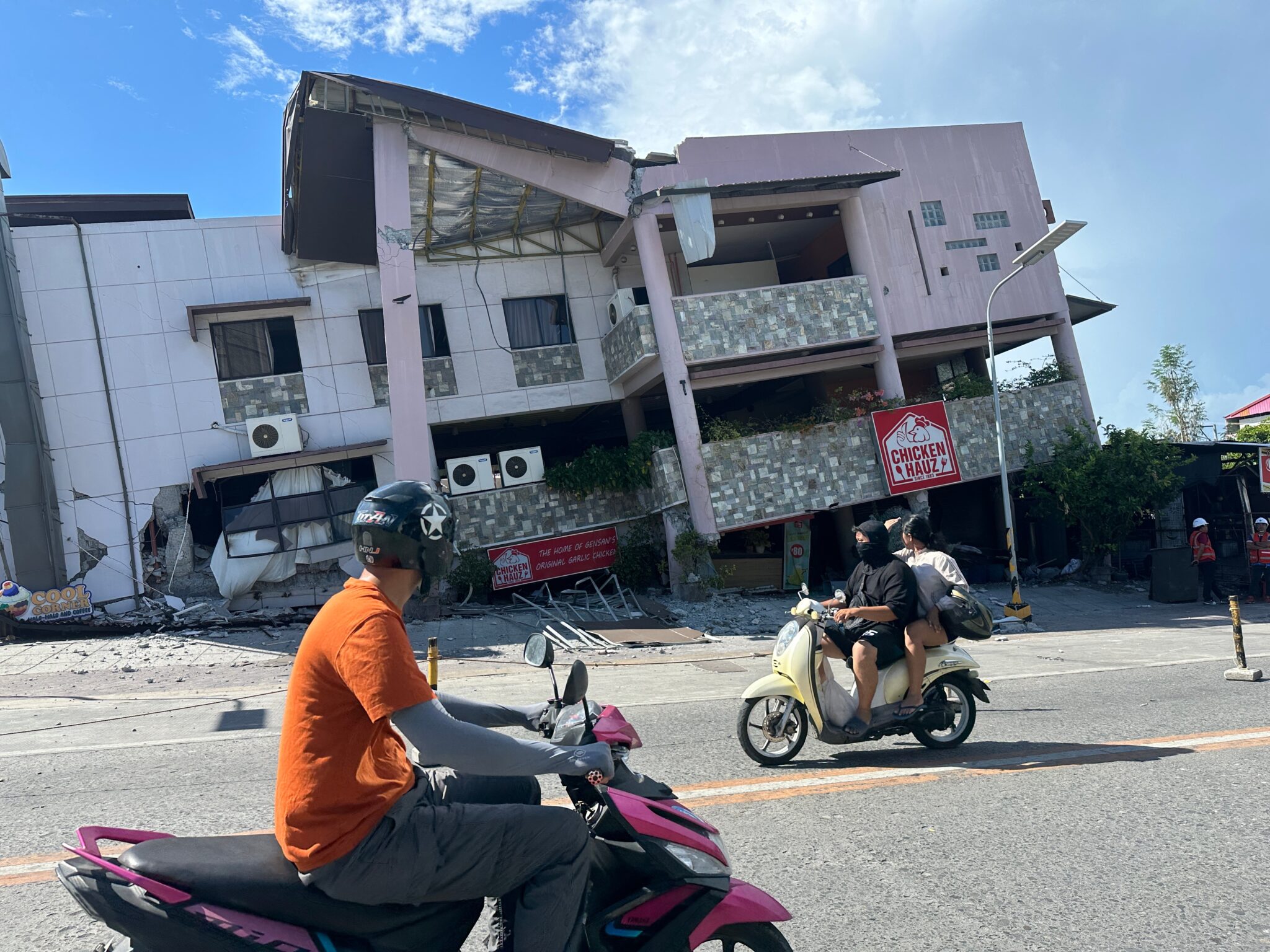
Magnitude 7.8 Quake in Philippines Kills 32, Collapses Buildings & Sparks Tsunami/ Newslooks/ WASHINGTON/ J. Mansour/ Morning Edition/ A powerful 7.8-magnitude earthquake struck off the southern Philippines, killing at least 32 people and injuring more than 200. The quake collapsed buildings, triggered a deadly landslide, and generated tsunami waves along nearby coastlines. Rescue crews continue searching for missing people as authorities assess widespread damage across Mindanao.
Philippines Earthquake Quick Looks
- Magnitude 7.8 earthquake struck off Mindanao.
- At least 32 people confirmed dead.
- More than 200 people injured.
- Tsunami waves reached parts of southern Philippines.
- Landslide in Sarangani killed 13 villagers.
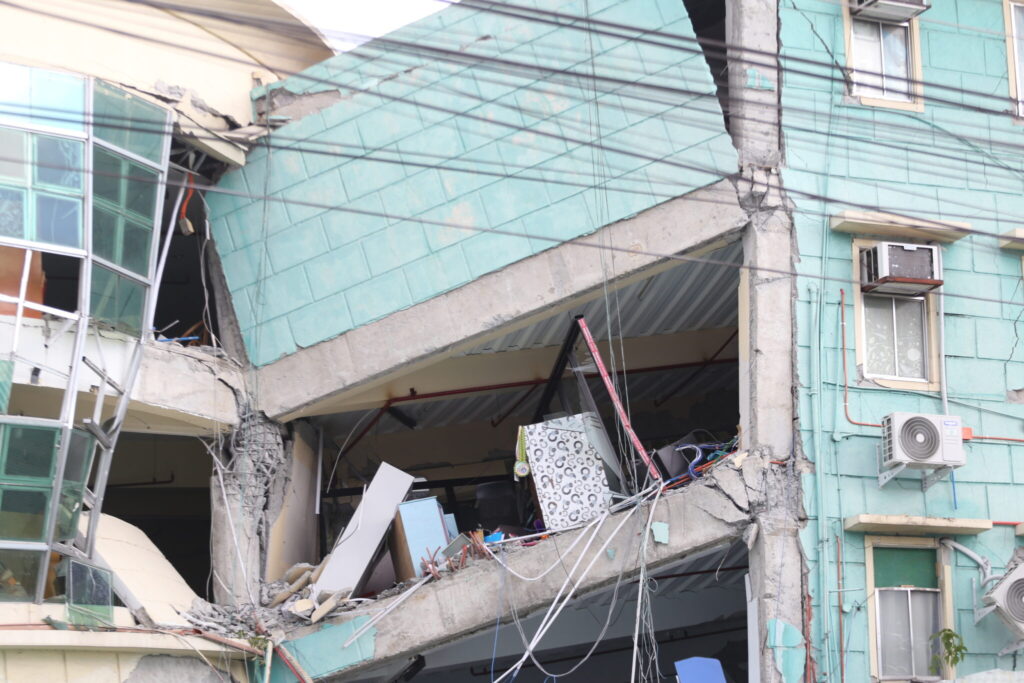
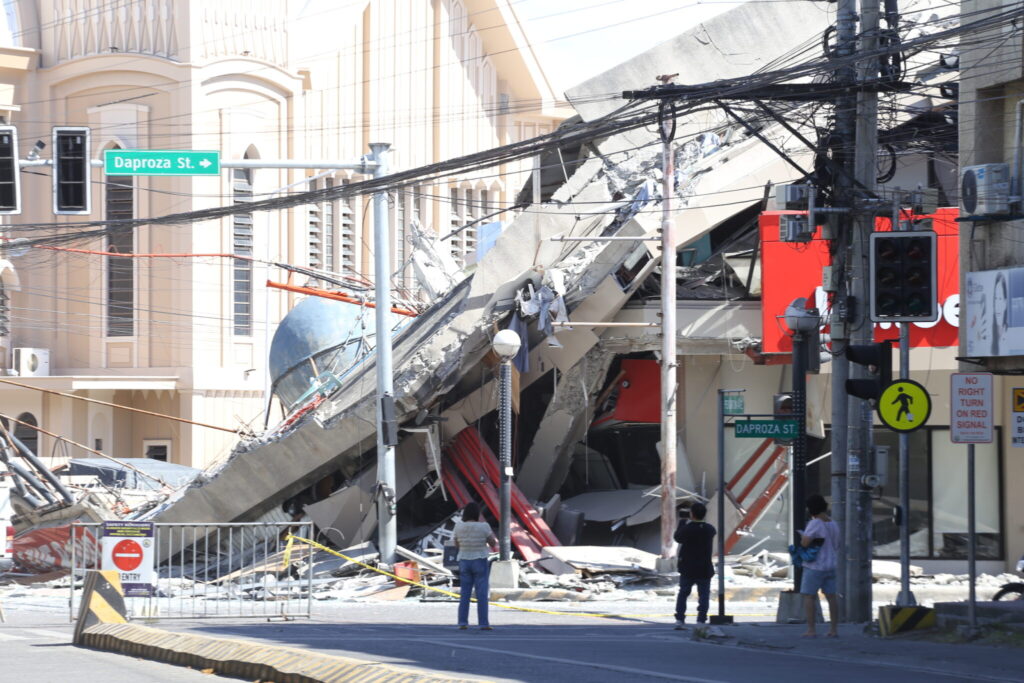
- Several buildings collapsed in General Santos City.
- Search and rescue operations continue.
- Airport operations temporarily suspended.
- Aftershocks remain a major concern.
- International aid offers arrive from allied nations.

Deep Look
Powerful Earthquake Rocks Southern Philippines
A powerful magnitude 7.8 earthquake struck off the southern Philippines on Monday morning, leaving at least 32 people dead, injuring more than 200 others, and causing widespread destruction across several provinces.
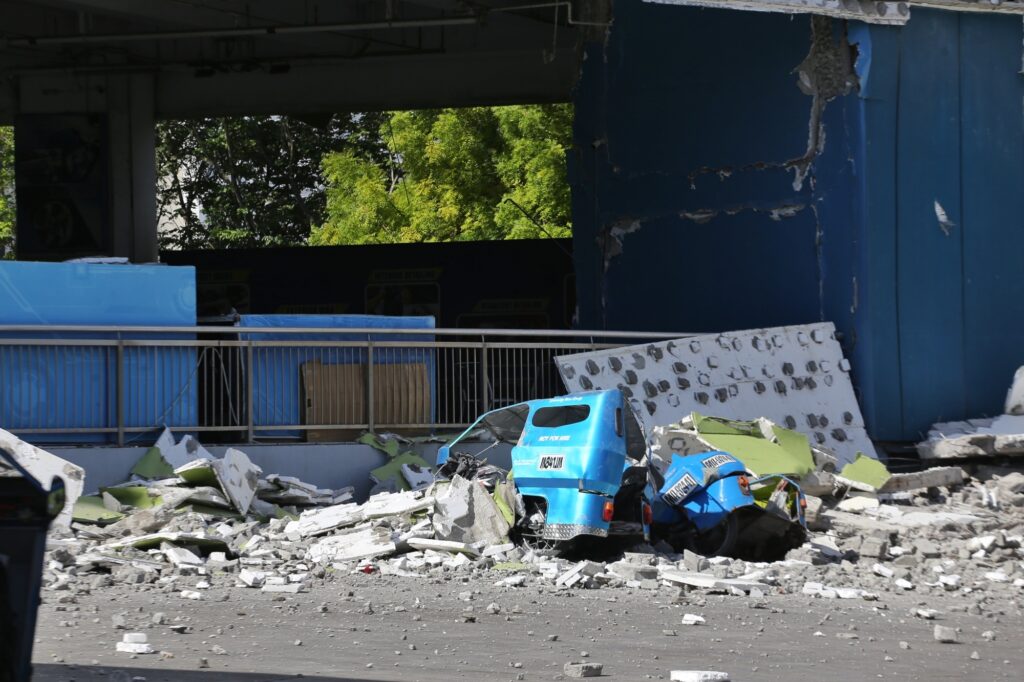
The offshore quake, the strongest recorded in the country this year, sent residents running into the streets, collapsed buildings, triggered deadly landslides, and generated tsunami waves that struck nearby coastlines.
Officials warned that casualty figures could rise as rescue teams continue searching damaged structures for survivors.
Epicenter Located Off Mindanao Coast
According to the Philippine Institute of Volcanology and Seismology, the earthquake struck at 7:37 a.m. local time.
The epicenter was located approximately 32 kilometers southwest of Maasim in Sarangani province, off the coast of Mindanao, the country’s second-largest and second-most populous island.
The quake occurred at a depth of 33 kilometers, making its impact widely felt across southern regions.
Teresito Bacolcol, director of the country’s volcanology agency, described it as the most powerful earthquake to strike the Philippines in 2026.
Buildings Collapse Across General Santos
One of the hardest-hit areas was General Santos City, a major commercial center and home to more than 700,000 residents.
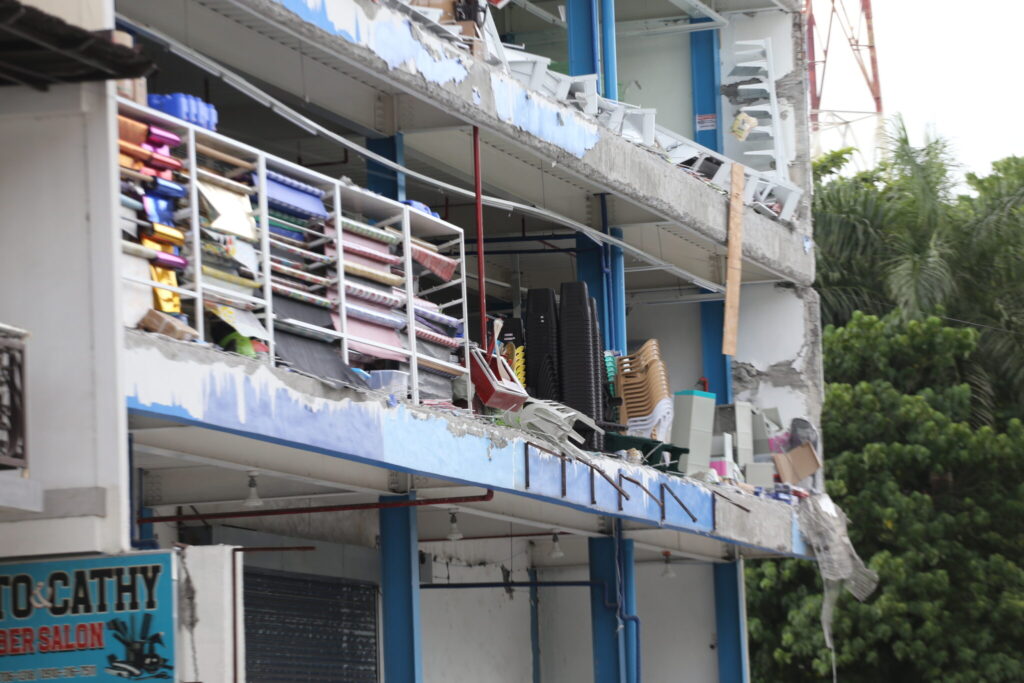
Numerous low-rise buildings either collapsed or suffered severe structural damage.
Emergency crews rushed to multiple locations, including:
- A supermarket
- A warehouse
- A grade school
- Several commercial buildings
Officials reported that at least 12 people remained missing as search-and-rescue teams worked through debris.
The city’s international airport temporarily suspended operations, leading to the cancellation of 17 domestic flights while engineers inspected facilities for structural damage.
Deadly Landslide Claims Lives
In Sarangani province, the earthquake triggered a major landslide in the municipality of Glan.
Disaster officials said the landslide killed 13 villagers.
Additional fatalities were reported elsewhere in the province, bringing the regional death toll higher.
Authorities warned that heavy rainfall and ongoing aftershocks could create additional landslide risks in mountainous communities.
First Day Of School Turns Into Chaos
The earthquake struck on the first day of classes following the country’s two-month summer break.
At a rural school in Malita, Davao Occidental, more than 100 students and a dozen teachers had gathered for a flag-raising ceremony when the ground began shaking violently.
“Their excitement on the first day of school turned to trauma,” school principal Rosavel Cachuela said.
Students screamed and cried as buildings shook around them, though teachers managed to keep the children calm and prevent injuries.
A nearby shed collapsed and damaged a motorcycle, but no students were hurt.
Survivors Describe Terrifying Moments
Many residents initially struggled to understand what was happening.
“Our pickup truck suddenly jerked and I thought we had a flat tire,” said Rod Sosmeña, a regional director with the Office of Civil Defense.
“The shaking was very strong and people dashed out of houses into the streets,” Sosmeña said.
Witnesses across southern Mindanao described scenes of panic as people evacuated homes, offices, schools, and businesses.
Tsunami Waves Strike Coastal Communities
The earthquake generated tsunami waves that impacted several coastal areas.
Officials measured waves reaching:
- 1 meter (3 feet) in Sarangani and Sultan Kudarat
- 1.4 meters (4.6 feet) in Kiamba town
Several coastal villages reported flooding and structural damage.
In Zamboanga del Sur province, six stilt houses were damaged by higher-than-normal waves.
The Pacific Tsunami Warning Center later announced that the major tsunami threat had largely passed, and Philippine authorities lifted tsunami warnings by mid-afternoon.
Tsunami Reaches Neighboring Countries
The effects of the earthquake extended beyond the Philippines.
Monitoring stations recorded:
- 83-centimeter waves near Indonesia’s Sulawesi Island
- 30-centimeter waves in Palau
- Up to 20-centimeter waves in southern Japan
The earthquake was also felt in Malaysia’s Sabah state on Borneo Island.
While no major international damage was reported, regional authorities closely monitored coastal conditions throughout the day.
Government Launches Emergency Response
President Ferdinand Marcos Jr. ordered an immediate national response following the disaster.
He suspended classes in affected regions and directed government agencies to deploy emergency personnel and resources.
“The national government is moving and we will not leave Mindanao behind,” Marcos said.
Search-and-rescue teams, military units, medical personnel, and disaster-response agencies were dispatched to affected communities.
International Support Offered
Several countries quickly offered assistance.
The United States, a treaty ally of the Philippines, announced it was coordinating with Manila and stood ready to support recovery efforts.
France and New Zealand also expressed solidarity and support as authorities assessed the full scope of the disaster.
Aftershocks Continue To Threaten Communities
Experts warned that significant aftershocks remain possible.
Officials urged residents not to return to damaged homes and buildings until structural inspections can be completed.
Bacolcol warned that weakened buildings may collapse during subsequent tremors, creating additional hazards for residents and rescue crews.
Philippines Faces Another Major Natural Disaster
The Philippines sits along the Pacific Ring of Fire, one of the most active seismic zones in the world.
The country regularly experiences earthquakes, volcanic eruptions, and powerful typhoons.
Still, Monday’s disaster stands out as one of the deadliest and most destructive natural events to strike the nation this year.
As rescue operations continue and families search for missing loved ones, authorities are preparing for what may be a lengthy recovery effort across southern Mindanao.