
All-Women Senate Delegation Heads to Arctic Amid NATO Concerns/ Newslooks/ WASHINGTON/ J. Mansour/ Morning Edition/ A bipartisan all-women Senate delegation is traveling to Arctic nations to strengthen relationships with US allies amid growing geopolitical tensions in the region. The trip comes as concerns rise over President Donald Trump’s approach to NATO, Greenland, and Arctic defense cooperation. Senators will visit Canada, Greenland, Iceland, and Norway’s Svalbard archipelago to study military, climate, and security challenges.


Arctic Senate Delegation Quick Looks
- An all-women Senate delegation is visiting Arctic allies.
- The bipartisan trip includes eight US senators.
- Senators will visit Canada, Greenland, Iceland, and Svalbard.
- Lisa Murkowski and Jeanne Shaheen are leading the mission.
- The trip aims to reassure nervous NATO allies.
- Arctic military cooperation is a major focus.
- Climate change and Arctic security will be discussed.
- Senators will meet Indigenous Arctic communities.
- Trump’s Greenland comments heightened diplomatic concerns.
- Russia and China are increasing Arctic activity.

Deep Look
Bipartisan Women Senators Launch Arctic Diplomacy Mission
A bipartisan delegation of female US senators is embarking on a major diplomatic mission across the Arctic aimed at reassuring allies and strengthening relationships during a period of growing geopolitical tension in the region.
The trip includes eight senators — all women — along with entirely female staff and military liaison officers.
The delegation will travel to:
- Canada
- Greenland
- Iceland
- Svalbard, Norway
The mission comes as the Arctic rapidly emerges as one of the world’s most strategically important regions due to climate change, military competition, and resource development.
Murkowski and Shaheen Lead Bipartisan Delegation
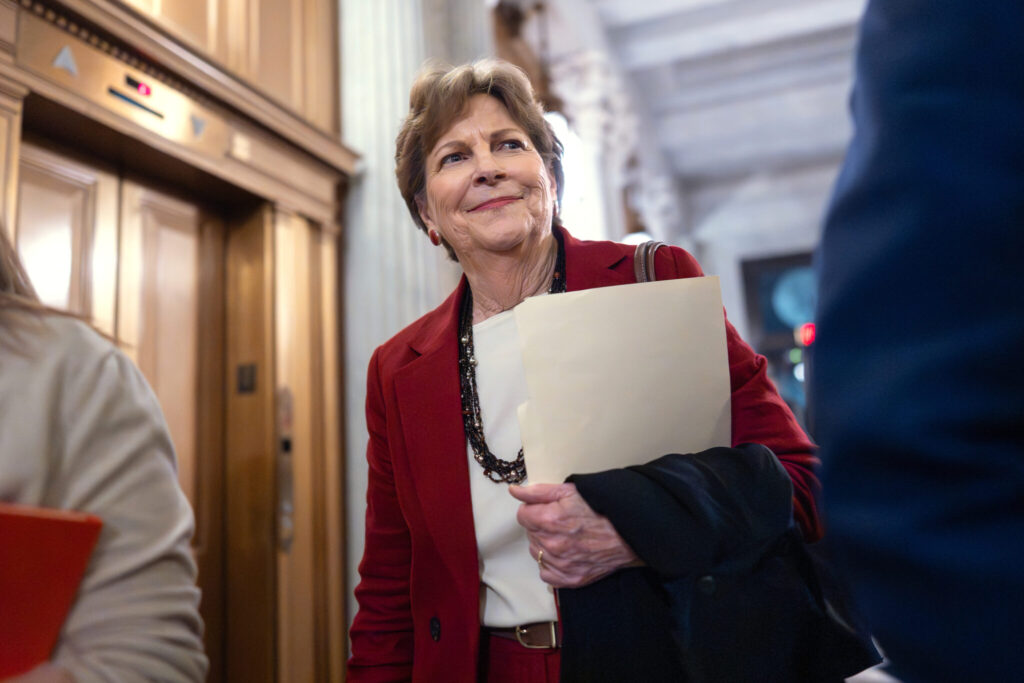
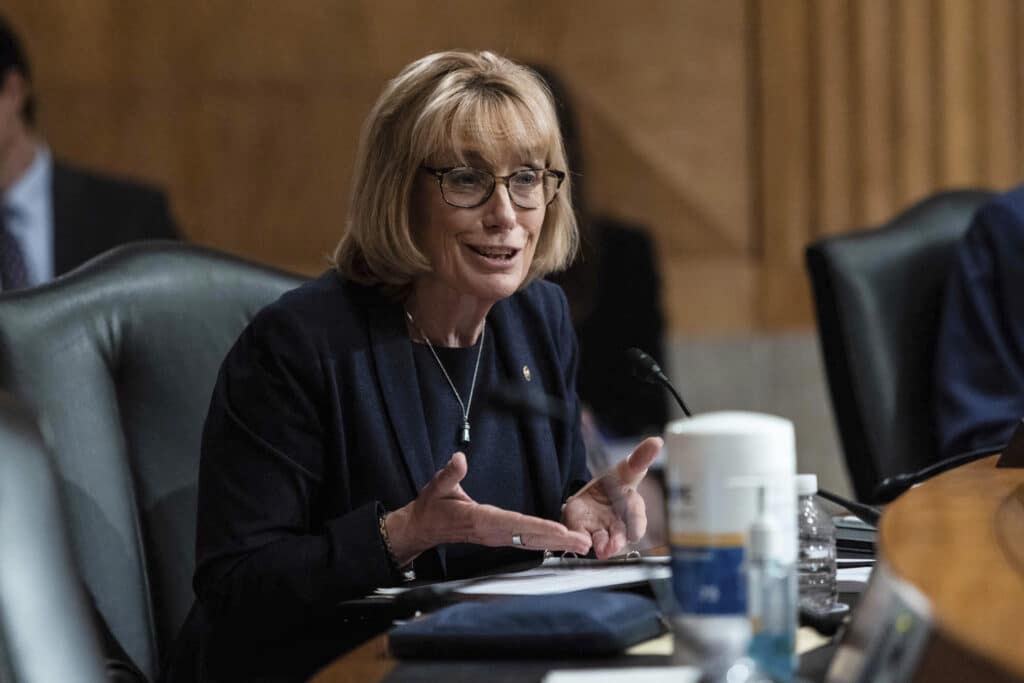
Republican Sen. Lisa Murkowski of Alaska and Democratic Sen. Jeanne Shaheen of New Hampshire are leading the delegation.
Murkowski said she hopes lawmakers gain a deeper appreciation for both the beauty and strategic importance of the Arctic.
“I want them to experience, first of all, the awesomeness of the Arctic,” Murkowski said.
The bipartisan group also includes:
Republicans
- Cindy Hyde-Smith
- Katie Britt
- Cynthia Lummis
Democrats
- Maggie Hassan
- Kirsten Gillibrand
- Catherine Cortez Masto
The senators depart Friday for a multi-stop diplomatic and military tour.
Trip Designed to Reassure US Allies
The Arctic visit comes at a sensitive moment for America’s relationships with NATO allies and northern partners.
According to the Associated Press, the senators are specifically trying to reassure allies unsettled by President Donald Trump’s increasingly aggressive approach toward international partnerships and Arctic strategy.
This week, the Pentagon announced a pause in participation on a joint continental defense board with Canada that dates back to World War II.
Murkowski and Shaheen both criticized what they view as a weakening of long-standing alliances.
“We will reassure our allies that we recognize and appreciate the importance of our allies and partners in the Arctic,” Shaheen said.
Arctic Increasingly Critical to Global Security
The senators plan to focus heavily on Arctic military readiness and regional defense cooperation.
The Arctic has become increasingly important because:
- Russia continues expanding Arctic military operations
- China is pursuing strategic Arctic investments
- Climate change is opening new trade routes
- Critical mineral competition is increasing
- Undersea cable infrastructure is growing
NATO nations have increased joint military exercises in the region as tensions with Russia intensify.
The senators will study how militaries operate in extreme Arctic conditions and examine infrastructure challenges unique to remote northern communities.
Climate Change Reshaping Arctic Strategy
Climate change is rapidly transforming the Arctic landscape and geopolitical calculations.
As Arctic ice melts, new shipping corridors could emerge, including a possible northwest passage connecting global trade routes.
The region also contains vast untapped reserves of:
- Oil
- Natural gas
- Rare earth minerals
- Strategic natural resources
Competition over those resources is expected to intensify among major global powers.
Murkowski emphasized that senators need firsthand exposure to how climate change affects Arctic populations and military planning.
Delegation Will Visit Remote Svalbard Archipelago
One of the trip’s most unusual stops is Svalbard, a remote Norwegian archipelago located deep inside the Arctic Circle.
The islands are among the northernmost permanently inhabited places on Earth.
Because of the presence of polar bears, the senators will reportedly require escorts for safety during parts of the visit.
The stop will provide lawmakers with direct insight into the challenges of life, security, and military logistics in extreme Arctic environments.
Indigenous Communities Included in Visit
The delegation also plans to meet with Indigenous communities that have lived in Arctic regions for generations.
Murkowski said Indigenous knowledge and local expertise are critical to understanding environmental changes and sustainable development in the Arctic.
The senators hope the meetings will help shape future US Arctic policy discussions involving:
- Climate adaptation
- Infrastructure development
- Resource management
- National security planning
Greenland Tensions Remain Background Issue
The trip also comes after Trump earlier this year renewed controversial comments about Greenland.
His statements about potentially taking Greenland raised diplomatic concerns among NATO allies and Scandinavian governments.
In response, Murkowski and Shaheen previously worked together on legislation intended to prevent military action against NATO allies.
Both senators also support provisions designed to prevent reductions in US commitments to NATO defense obligations.
All-Women Delegation Highlights Female Leadership
The entirely female delegation itself carries symbolic and diplomatic significance.
Shaheen argued that women’s participation in diplomacy and negotiations often strengthens long-term stability.
“When women are at the negotiating table, agreements that are made have a much better chance of lasting for a longer period of time,” Shaheen said.
She also pointed to research suggesting female political representation contributes to:
- Greater social stability
- Increased community investment
- More durable international cooperation
Arctic Policy Becoming Major Global Focus
The mission highlights how rapidly the Arctic has moved from a remote environmental issue to a central arena for global competition.
Military planners, energy companies, environmental scientists, and policymakers increasingly view the region as critical to:
- Future trade
- National defense
- Energy security
- Climate policy
- Geopolitical influence
As tensions rise among NATO, Russia, and China, Congress appears increasingly eager to play a larger role in shaping long-term US Arctic strategy.