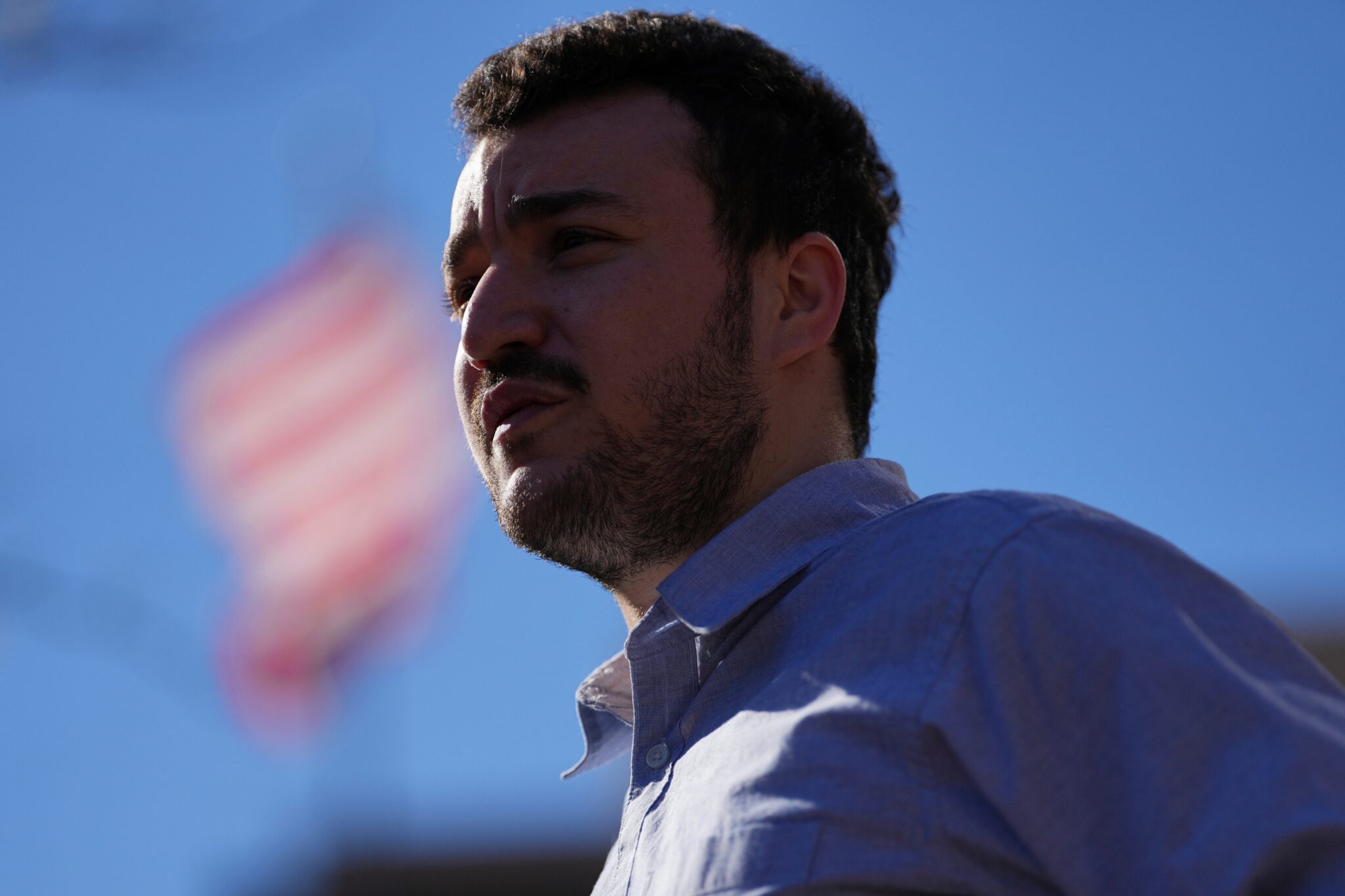
Pro-Palestinian Activist Mahmoud Khalil Escalates Deportation Fight to SCOUTS/ Newslooks/ WASHINGTON/ J. Mansour/ Morning Edition/ Former Columbia University student activist Mahmoud Khalil plans to ask the US Supreme Court to intervene in his deportation battle after a federal appeals court ruled against him. Khalil argues the Trump administration targeted him for his pro-Palestinian activism and criticism of Israel. The case has become a major flashpoint in debates over immigration, free speech, and campus protests.
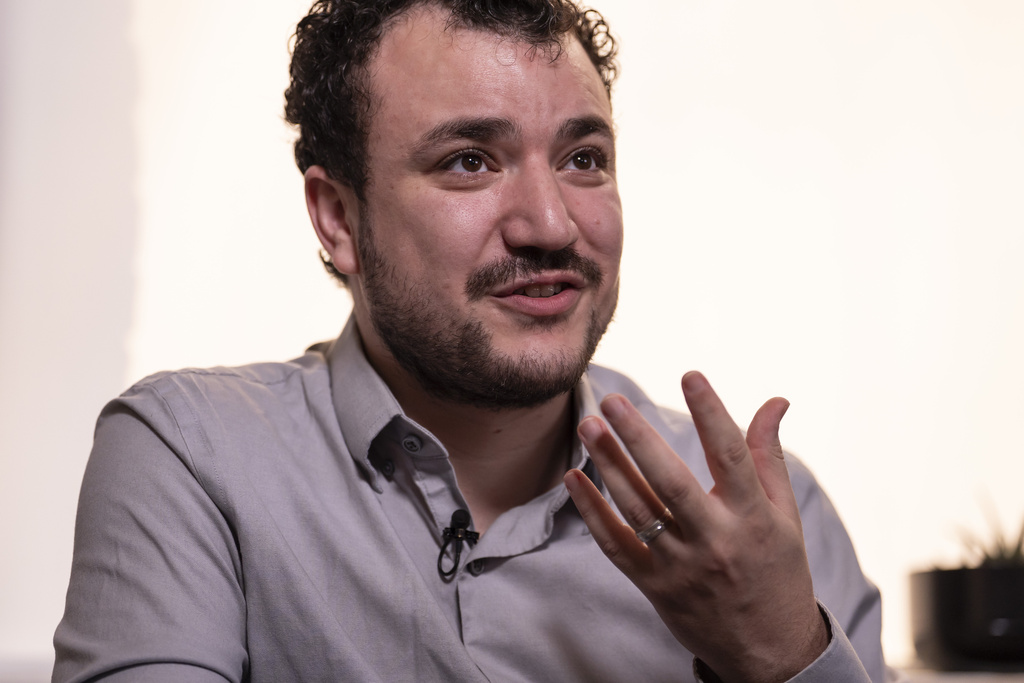
Mahmoud Khalil Deportation Fight Quick Looks
- Mahmoud Khalil plans Supreme Court appeal.
- Appeals court declined to reconsider his case.
- Khalil was arrested over pro-Palestinian activism.
- The ACLU is helping represent Khalil.
- Trump administration seeks his deportation.
- Officials accused Khalil of Hamas-aligned activities.
- Khalil denies all allegations against him.
- Immigration courts upheld his removal order.
- Lawyers say deportation would endanger his life.
- The case raises major free speech questions.
Deep Look
Mahmoud Khalil Turns to Supreme Court in Deportation Battle
Former Columbia University graduate student Mahmoud Khalil is preparing to ask the US Supreme Court to intervene in his ongoing deportation case after suffering another setback in federal court.
The legal fight has evolved into one of the nation’s most closely watched clashes involving immigration enforcement, campus activism, and constitutional free speech protections.
Khalil’s attorneys say they will seek emergency protections preventing his detention or deportation while they pursue Supreme Court review.
Appeals Court Refuses Full Review
The latest development came Friday when judges on the 3rd US Circuit Court of Appeals voted 6-5 against rehearing Khalil’s case before the court’s full panel.
Earlier this year, a three-judge panel ruled that a federal judge in New Jersey lacked jurisdiction to intervene in Khalil’s detention and immigration proceedings.
That ruling moved the Trump administration one step closer toward deporting Khalil.
The appeals court decision did not directly address the broader constitutional questions at the center of the case.
ACLU Vows Continued Legal Fight
The American Civil Liberties Union, which is helping represent Khalil, said the legal battle is far from over.
“Today’s decision is not the final word, and we still strongly believe in our arguments going forward,” ACLU senior counsel Brett Max Kaufman said.
Khalil’s legal team plans to ask the appeals court to temporarily block enforcement of the ruling while they petition the Supreme Court.
A formal appeal to the high court could arrive later this summer.
Deportation Case Sparks Free Speech Debate
The Trump administration has accused Khalil of engaging in activities “aligned to Hamas,” though federal officials have not publicly presented evidence supporting the allegation and have not charged him with any crime.
Khalil has repeatedly denied the accusations.
He argues the deportation effort is retaliation for his outspoken criticism of Israel and support for Palestinian rights during campus demonstrations at Columbia University.
Khalil described his arrest as:
“A direct consequence of exercising my right to free speech as I advocated for a free Palestine and an end to the genocide in Gaza.”
The case has become a national symbol in debates surrounding:
- Campus protests
- Immigration enforcement
- Political speech
- Civil liberties
- US foreign policy
Rare Immigration Law Used Against Khalil
Federal officials are relying on a little-used immigration statute allowing deportation of noncitizens whose beliefs or activities are considered threats to US foreign policy interests.
Critics say the law gives the executive branch overly broad power to target political dissent.
In June 2025, US District Judge Michael Farbiarz ruled the administration’s justification would likely be found unconstitutional and ordered Khalil released from detention.
However, the Trump administration appealed that ruling and won before the 3rd Circuit panel.
Judges Clash Over Constitutional Questions
The appeals court split sharply over whether federal courts should intervene before immigration proceedings are completed.
Judge Cheryl Ann Krause issued a forceful dissent criticizing the court for refusing broader review.
“The Judicial Branch cannot fulfill its role as a check on the other branches of government if we write ourselves out of relevance and leave the Executive Branch to check itself,” Krause wrote.
Her dissent highlights growing legal concerns about executive authority in politically sensitive immigration cases.
Khalil Also Fighting Removal Order in Louisiana
Separate legal proceedings are also underway in Louisiana, where Khalil was detained for several months.
Khalil appealed after the Board of Immigration Appeals upheld his deportation order.
His attorneys argue the immigration judge:
- Ignored critical evidence
- Failed to properly assess danger abroad
- Improperly accepted retaliation-based allegations
- Wrongly upheld accusations involving his green card application
Federal officials also accused Khalil of failing to fully disclose information during his legal permanent residency application process.
His lawyers insist those allegations were politically motivated.
Concerns Over Potential Deportation Destinations
The immigration judge overseeing the case suggested Khalil could potentially be deported to:
- Algeria
- Syria
Khalil was born in a Syrian refugee camp to a Palestinian family and reportedly holds Algerian citizenship through a distant relative.
His legal team argues he could face serious danger or even death if deported to either country.
Arrest Became National Political Flashpoint
Khalil’s March 2025 arrest drew widespread national attention.
As a visible organizer in Columbia University’s pro-Palestinian protest movement, his detention became a rallying point for:
- Civil rights groups
- Free speech advocates
- Student activists
- Immigration reform organizations
Supporters argue the case represents an effort to criminalize political dissent and intimidate campus activism.
Critics of Khalil argue universities failed to adequately respond to antisemitism concerns during demonstrations connected to the Israel-Hamas war.
Supreme Court Could Face Major Constitutional Test
If the Supreme Court agrees to hear the case, the justices could ultimately decide several major constitutional issues involving:
- Free speech rights of noncitizens
- Executive immigration authority
- Political retaliation claims
- Judicial oversight of immigration detention
- National security powers
The outcome could significantly shape future immigration enforcement and protest-related cases nationwide.