Trump Dispatches Witkoff and Kushner to Pakistan for Iran Negotiations/ Newslooks/ WASHINGTON/ J. Mansour/ morning Edition/ President Donald Trump is sending special envoy Steve Witkoff and Jared Kushner to Pakistan for fresh negotiations with Iran as efforts continue to secure a long-term peace deal. Iranian Foreign Minister Abbas Araghchi is also traveling to Islamabad, though direct talks with U.S. representatives are not initially expected. Pakistan hopes the meetings will create momentum for a second formal round of U.S.-Iran negotiations while tensions remain high across the Middle East.
Trump Iran Pakistan Talks Quick Looks
- Trump is sending Steve Witkoff and Jared Kushner to Pakistan
- Iranian Foreign Minister Abbas Araghchi is also arriving in Islamabad
- Vice President JD Vance may join later if talks progress
- Pakistan is acting as the main mediator between Washington and Tehran
- The U.S. and Iran remain far apart on key nuclear issues
- Trump says “Don’t rush me” on ending the Iran war
- Lebanon’s ceasefire with Hezbollah has been extended by three weeks
Deep Look
Trump Sends Top Envoys to Pakistan for New Iran Talks
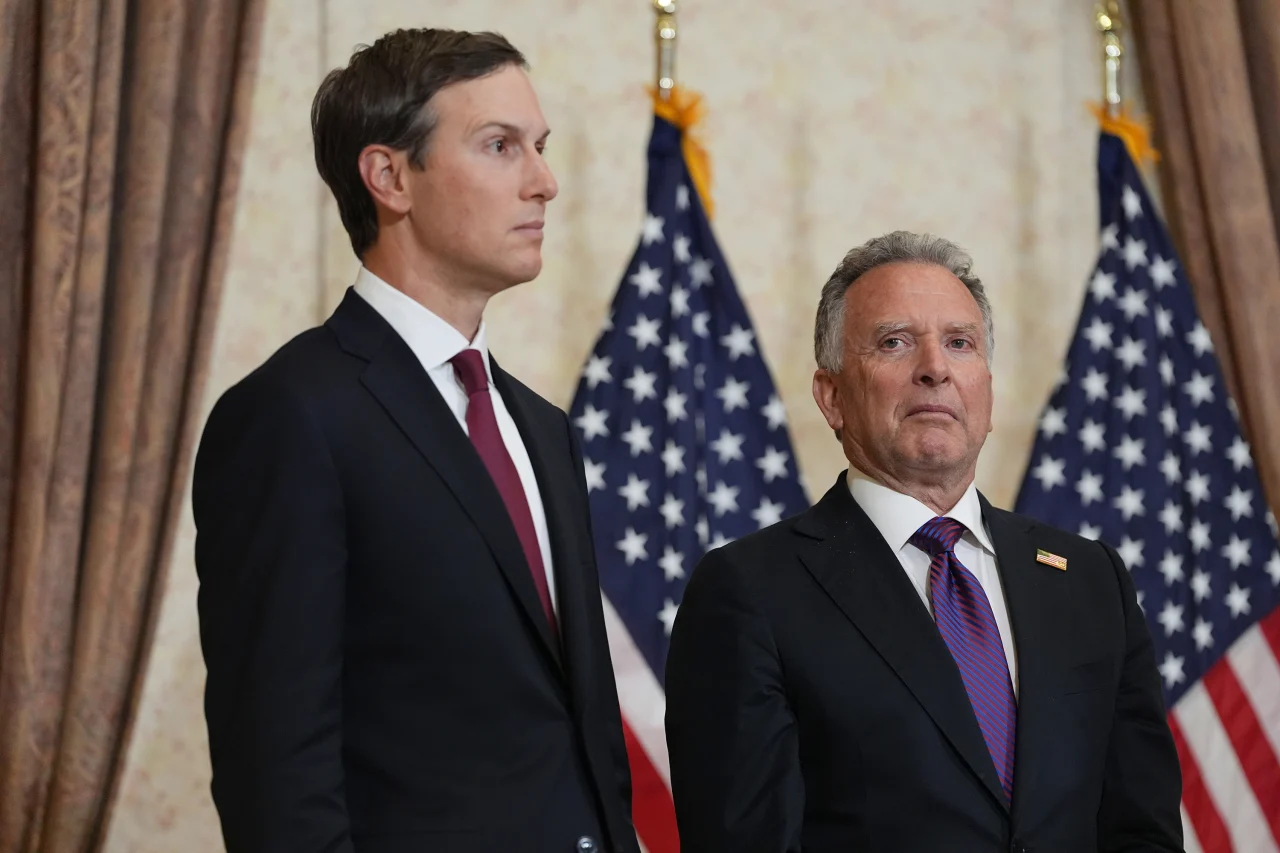
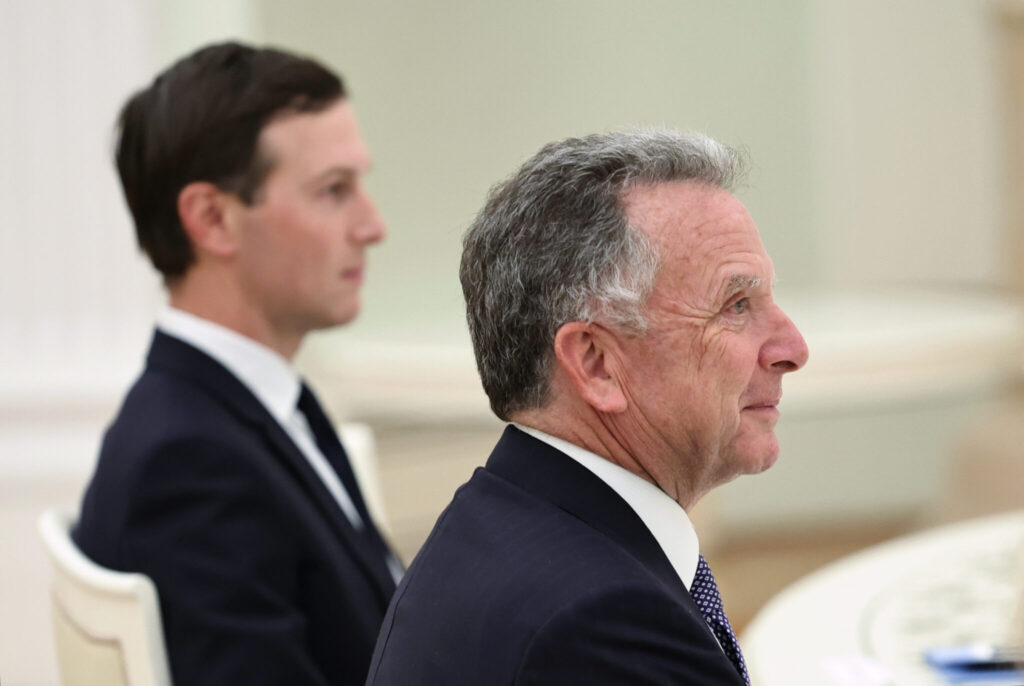
WASHINGTON — President Donald Trump is sending special envoy Steve Witkoff and Jared Kushner to Pakistan this weekend to push forward new peace talks with Iran, as Washington looks for a broader agreement to end the ongoing war.
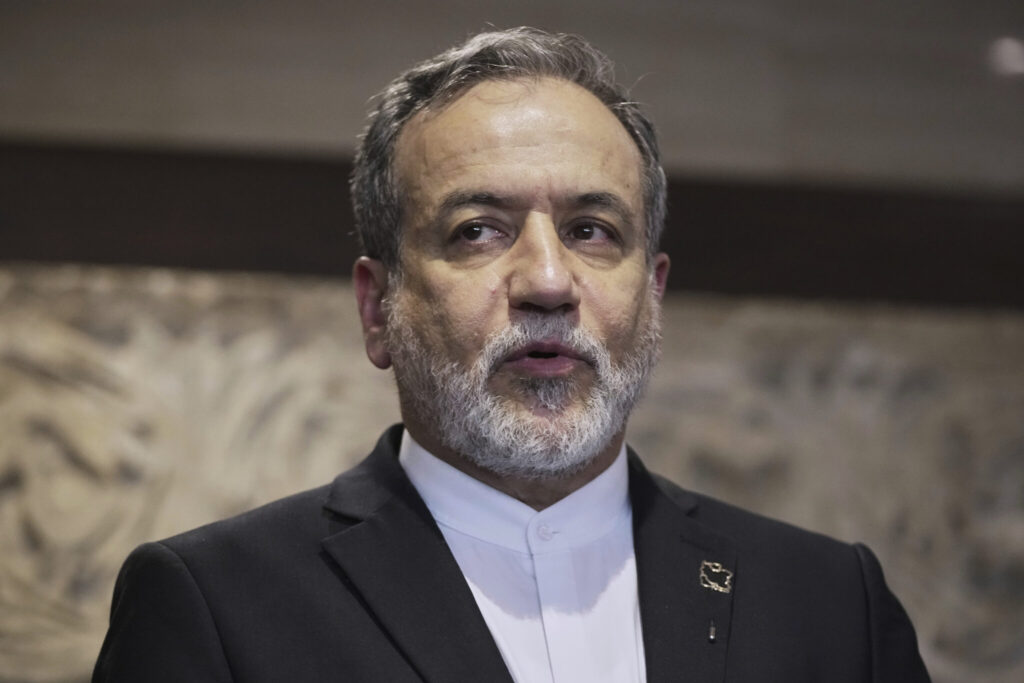
Two administration officials told CNN that Witkoff and Kushner will participate in negotiations involving Iranian Foreign Minister Abbas Araghchi in Islamabad.
White House press secretary Karoline Leavitt said in an interview on Fox News Channel that the two will have talks with Iranian Foreign Minister Abbas Araghchi on Saturday.
“We’re hopeful that it will be a productive conversation and hopefully move the ball forward to a deal,” Leavitt said.
She said Vice President JD Vance would not be traveling but that he remains “deeply involved.” She said he will be in the U.S., along with Secretary of State Marco Rubio and the president’s national security team, on “standby” to fly to Pakistan “if necessary.”
The move signals a renewed diplomatic effort after earlier talks between Washington and Tehran stalled this week.
Pakistan has become the key mediator between both sides, trying to keep ceasefire discussions alive while military pressure continues across the region.
The White House believes this weekend’s meetings could open the door to a second formal round of U.S.-Iran negotiations.
JD Vance on Standby but Not Attending Yet
The reason is tied to Iran’s delegation structure.
Iranian Parliament Speaker Mohammad-Bagher Ghalibaf, viewed internally by White House officials as the top political figure in Tehran’s negotiating team and Vance’s counterpart, is not expected to participate.
Without Ghalibaf present, Vance is staying in Washington for now.
However, officials say the vice president remains on standby and could quickly travel to Islamabad if negotiations show major progress.
Several members of Vance’s staff will still attend the meetings and support the U.S. delegation.
This flexible approach reflects how fragile and unpredictable the talks remain.
Witkoff and Kushner Continue Nuclear Negotiations
Witkoff and Kushner have been involved in backchannel diplomacy with Iranian officials for months, focusing heavily on Tehran’s nuclear program.
The Trump administration’s central demand remains unchanged: Iran must abandon any path toward building a nuclear weapon.
Washington wants those commitments to be both meaningful and fully verifiable.
Defense Secretary Pete Hegseth reinforced that position Friday, warning Iran that it still has an opportunity to “choose wisely” at the negotiating table.
He said Tehran must either accept restrictions or face long-term economic collapse under continued U.S. pressure.
The U.S. naval blockade of Iranian ports and vessels remains active during negotiations and has now expanded globally.
Araghchi Arrives in Pakistan but No Direct US Talks Yet
Iranian Foreign Minister Abbas Araghchi is expected to arrive in Pakistan on Friday with a small delegation.
Iranian state media and a U.S. source both say the Iranian delegation is not expected to speak directly with American officials during the initial phase of the visit.
Instead, Pakistani mediators will continue acting as the go-between.
Islamabad hopes those discussions will eventually lead to a second round of direct talks between Washington and Tehran.
Araghchi confirmed the diplomatic mission in a post on X, writing that “our neighbors are our priority.”
He added that the trip would focus on close coordination with regional partners and consultations on broader Middle East developments.
Pakistan Emerges as Key Diplomatic Bridge
Pakistan has taken on a major diplomatic role in trying to prevent the conflict from expanding again.
After the U.S.-Israeli strikes on Iran and Tehran’s retaliation triggered weeks of regional violence, Islamabad stepped in to keep communication channels open.
Trump extended the Iran ceasefire indefinitely earlier this week after Pakistan requested more time for diplomacy.
That extension created a temporary opening for renewed talks.
Pakistani officials believe the current meetings could determine whether the region moves toward a long-term settlement or back toward open war.
The stakes remain extremely high.
Trump Refuses to Set Deadline
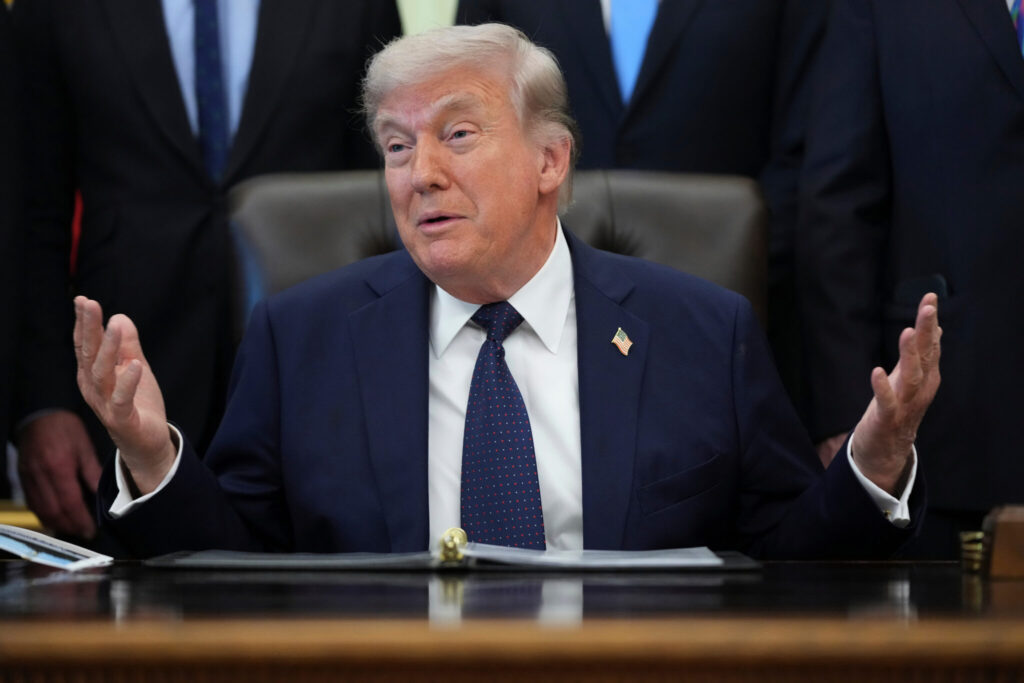
President Trump made clear again Friday that he is not rushing negotiations.
Speaking to reporters, he refused to give any timeline for ending the war.
“Don’t rush me,” Trump said.
That echoes his earlier statement that he has “all the time in the world” to make a deal with Iran.
Trump believes the United States holds the strategic advantage because of its military position, naval blockade, and economic pressure campaign.
The White House says Iran is negotiating from a weaker position as oil exports remain restricted and international shipping through the Strait of Hormuz stays heavily disrupted.
Pentagon Pressures European Allies
At the Pentagon, Defense Secretary Pete Hegseth also increased pressure on European allies over the Strait of Hormuz crisis.
He argued that Europe should take a much larger role in securing the waterway.
“This is much more their fight than ours,” Hegseth said.
The Strait of Hormuz handles roughly one-fifth of the world’s traded oil, and shipping disruptions there have caused major spikes in global fuel prices.
The U.S. currently has three aircraft carriers operating in the region and continues leading mine-clearing and blockade operations.
Hegseth has warned that the U.S. will continue seizing Iranian ships and enforcing sanctions worldwide.
Russia and Oman Also Part of Iran’s Diplomatic Tour
Pakistan is not the only stop on Araghchi’s trip.
He is also expected to travel to Oman and Russia, showing how Tehran is balancing diplomacy across multiple fronts.
Russia remains one of Iran’s strongest international partners.
The Kremlin has offered to store or reprocess Iran’s enriched uranium as part of a possible nuclear agreement, though Trump reportedly rejected that proposal to avoid giving Moscow greater leverage.
Earlier this year, Iran and Russia signed a 20-year agreement strengthening military, political, and economic cooperation.
Russian Foreign Minister Sergey Lavrov said Friday that Moscow “highly appreciated” Pakistan’s mediation efforts and remains ready to help.
Iran’s consultations with Moscow suggest Tehran wants strong backing from the Kremlin before making any final decisions.
Lebanon Ceasefire Adds Another Layer
At the same time, Lebanon remains another major pressure point in U.S.-Iran diplomacy.
The Hezbollah conflict remains one of the biggest sticking points in broader peace efforts.
Hezbollah has rejected the U.S.-brokered diplomacy and says it will not follow agreements made without its involvement.
That makes the Lebanon front closely tied to whatever happens in Iran negotiations.
A Narrow Window for Peace
With military pressure high and diplomacy moving slowly, the Pakistan meetings may represent one of the most important peace opportunities in weeks.
Trump’s decision to send Witkoff and Kushner shows Washington still sees a diplomatic solution as possible.
But both sides remain far apart on core nuclear demands, regional security, and sanctions relief.
For now, Pakistan is trying to keep that narrow window open.
Whether it leads to a real breakthrough — or simply buys more time before the next crisis — may become clear in Islamabad this weekend.