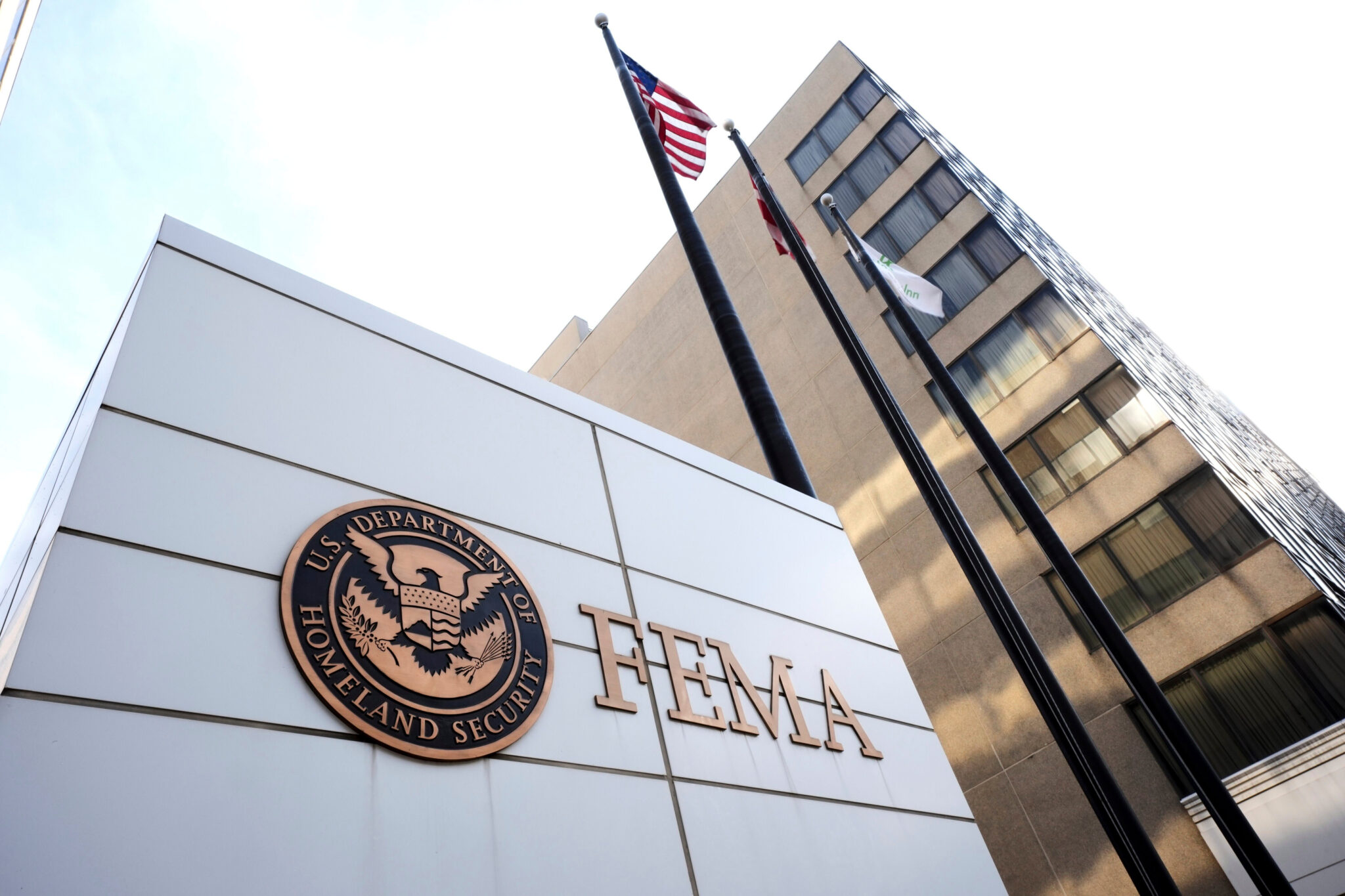
Trump FEMA Council Pushes Sweeping Disaster Aid Overhaul/ Newslooks/ WASHINGTON/ J. Mansour/ Morning Edition/ A Trump-appointed FEMA review council proposed major reforms that would significantly reshape federal disaster assistance. The recommendations would shift more disaster response responsibilities to states, tribes and territories. Critics warn the proposed changes could reduce aid access for vulnerable communities after disasters.
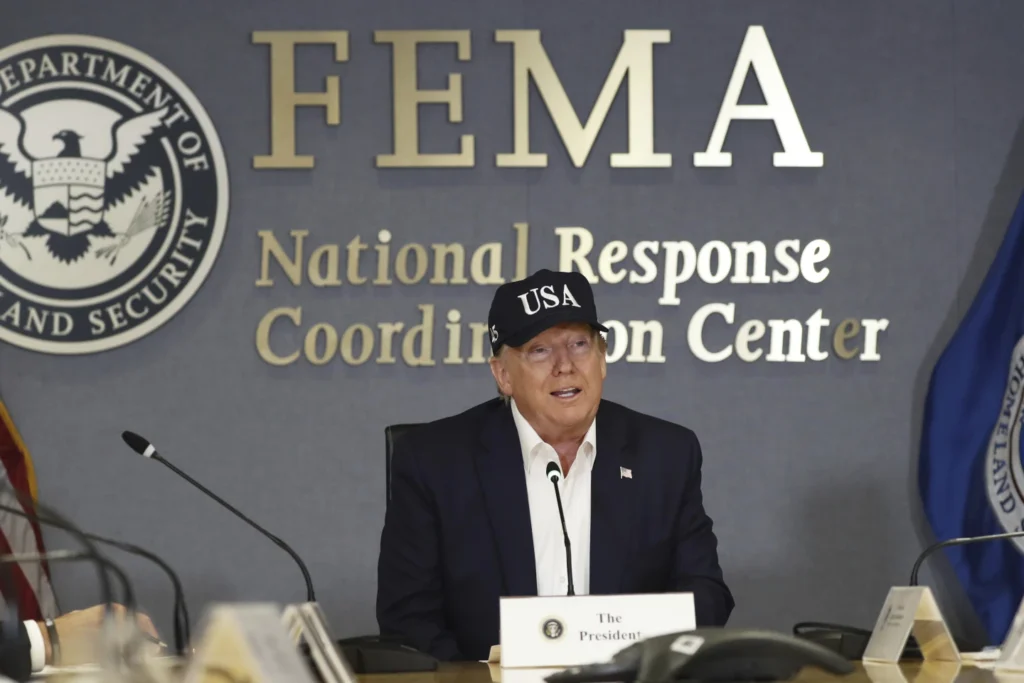
FEMA Reform Plan Quick Looks
- Council proposes sweeping FEMA disaster policy changes
- States could shoulder greater disaster recovery responsibility
- Survivor housing assistance would face new restrictions
- Federal disaster qualification system may be overhauled
- Flood insurance reforms target private-sector expansion
- Many recommendations require congressional approval
Deep Look
Trump FEMA Council Pushes Major Disaster Response Reforms
A council established by President Donald Trump is proposing sweeping reforms to the Federal Emergency Management Agency that could dramatically reshape how the federal government handles disaster recovery and emergency assistance.
The long-awaited report stops short of dismantling FEMA entirely — something Trump has repeatedly floated — but it would significantly reduce the federal government’s direct role in many disaster situations.
Instead, the recommendations place greater responsibility on states, tribes and territories for disaster preparedness, response and recovery efforts.
“These recommendations are all about accelerating federal dollars, streamlining the process, making it less bureaucratic so that Americans can get the help they need on the worst day of their lives,” former Virginia Gov. Glenn Youngkin said during the council’s public meeting.
The council’s recommendations will now be sent to Trump for review, though many of the proposals would require congressional approval before taking effect.
Federal Disaster Aid Qualification Could Change Dramatically
One of the council’s biggest recommendations involves overhauling how disasters qualify for federal assistance.
Currently, FEMA relies heavily on a per-capita formula that measures disaster costs against a state’s population when determining eligibility for federal aid.
The council instead proposed a pre-defined system of metrics that would automatically determine whether federal support is triggered.
Supporters argue the change would simplify and speed up disaster response.
The report also recommends replacing FEMA’s traditional reimbursement model with direct payments to states within 30 days of a disaster declaration.
Under the proposed system, states could later receive additional payments depending on recovery costs and circumstances.
Homeland Security Secretary Markwayne Mullin described the report as offering “a clear direction and an oversight of an agency that is in need of reform, but is still mission capable.”
Survivor Assistance Would Face Significant Restrictions
The proposed reforms would also dramatically reshape how disaster survivors receive aid.
The council suggested limiting housing assistance only to people whose homes are considered completely uninhabitable.
Instead of offering multiple forms of support for repairs, rentals and replacement housing, FEMA would provide survivors with a one-time payment.
The report also recommends shifting FEMA away from long-term housing programs and allowing states to manage their own housing recovery systems under federal standards.
“States, figure it out,” said Florida emergency management director Kevin Guthrie, a council member. “Do what’s best for you.”
Critics warn those changes could leave vulnerable disaster victims with fewer protections and less long-term support.
Noah Patton of the National Low-Income Housing Coalition said limiting aid only to uninhabitable homes “would dramatically increase the level of displacement and economic insecurity” for lower-income survivors.
Flood Insurance And Private Markets Play Bigger Role
The council additionally recommended major changes to the federal flood insurance system.
The proposals would shift many flood insurance policies away from FEMA’s National Flood Insurance Program and toward private insurers.
The National Flood Insurance Program currently carries more than $20 billion in debt.
Officials supporting the changes argue private-sector competition could improve efficiency while reducing taxpayer burdens.
The recommendations also call for insurance premiums to more closely reflect actual flood risk, a move that could increase costs for homeowners in high-risk coastal and flood-prone areas.
Trump Continues Push To Shift Disaster Responsibility
The report reflects Trump’s broader goal of reducing the federal government’s role in disaster management.
Trump has repeatedly argued that states should take more responsibility for preparing for and responding to disasters instead of relying heavily on Washington.
The 12-member FEMA review council is co-chaired by Mullin and Defense Secretary Pete Hegseth and includes emergency management officials largely from Republican-led states.
The report was delayed for months amid disagreements between council members and former Homeland Security Secretary Kristi Noem over earlier drafts.
One controversial proposal reportedly removed from the final report involved cutting FEMA’s workforce by 50%.
White House spokesperson Abigail Jackson said Trump “remains committed to getting resources to communities in need while also working with states to ensure they invest in their own resilience before disaster strikes.”
Congressional Approval Remains Uncertain
Although the recommendations could significantly alter America’s disaster response system, many changes would still require approval from Congress.
A FEMA reform bill passed out of a House committee last year, but lawmakers have yet to move broader legislation forward.
Disaster policy experts remain uncertain whether Congress can pass major reforms before the upcoming midterm elections.
Patton emphasized that the council’s recommendations are not guaranteed to become law.
“It is important to remember that these are suggestions — they aren’t set in stone,” he said.
For now, the report is expected to intensify the national debate over how much responsibility the federal government should maintain when disasters strike American communities.