Justice Department Creates $1.7 Billion Fund for Trump Allies/ Newslooks/ WASHINGTON/ J. Mansour/ Morning Edition/ The Trump administration announced a $1.7 billion compensation fund tied to the dismissal of Trump’s IRS tax leak lawsuit. The Justice Department said the “Anti-Weaponization Fund” will compensate allies who claim they were targeted under the Biden administration. Democrats and watchdog groups sharply criticized the arrangement, calling it unprecedented and politically motivated.
Trump Anti-Weaponization Fund Quick Looks
- The Justice Department announced a $1.7 billion compensation fund
- The fund resolves Trump’s IRS tax return leak lawsuit
- Acting Attorney General Todd Blanche defended the plan
- Critics called the agreement unconstitutional and corrupt
- Democrats vowed legal challenges against the settlement
- Trump allies investigated during the Biden administration may benefit
- The IRS lawsuit involved leaked Trump tax returns
- Donald Trump Jr. and Eric Trump were named plaintiffs
- Congress members filed objections related to judicial oversight
- Watchdog groups questioned the legality of the settlement
Deep Look
Justice Department Announces Massive Compensation Fund
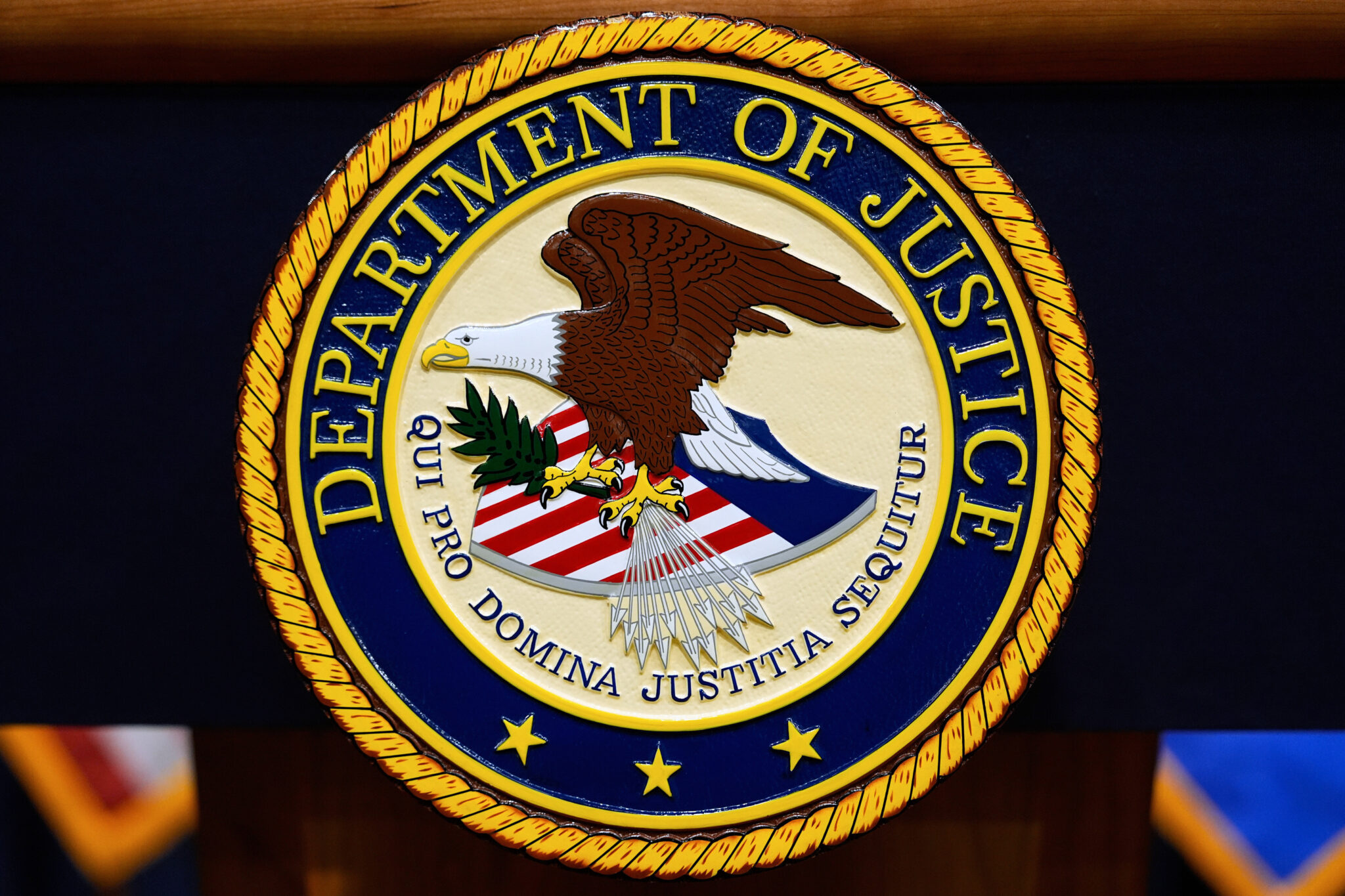
The Trump administration announced Monday the creation of a $1.7 billion fund intended to compensate allies of President Donald Trump who believe they were unfairly investigated or prosecuted during the Biden administration.
The Justice Department unveiled the program, known as the “Anti-Weaponization Fund,” as part of an agreement resolving Trump’s lawsuit against the Internal Revenue Service over leaked tax returns.
Trump’s attorneys simultaneously filed paperwork in federal court in Florida seeking dismissal of the case, which had accused the IRS of causing reputational and financial harm through the unauthorized disclosure of confidential tax records.
The unprecedented arrangement immediately triggered intense political backlash and legal scrutiny.
DOJ Defends ‘Anti-Weaponization Fund’
Acting Attorney General Todd Blanche defended the new compensation initiative, describing it as a lawful mechanism for individuals who claim political targeting to seek restitution.
The fund provides “a lawful process for victims of lawfare and weaponization to be heard and seek redress,” Blanche said in a statement announcing the agreement.
Administration officials argued the program reflects Trump’s longstanding position that federal law enforcement agencies were improperly used against him and his allies during the Biden presidency.
Trump has repeatedly cited criminal investigations involving election interference allegations and classified documents as evidence of political “weaponization” inside the Justice Department.
Several Trump associates were also prosecuted during those investigations, along with hundreds of supporters charged in connection with the Jan. 6, 2021, attack on the U.S. Capitol.
Democrats Condemn the Settlement
Democrats and ethics watchdog organizations quickly condemned the settlement, accusing the administration of creating a politically driven payout system funded by taxpayers.
Rep. Jamie Raskin, the top Democrat on the House Judiciary Committee, issued one of the strongest criticisms.
“This case is nothing but a racket designed to take $1.7 billion of taxpayer dollars out of the Treasury and pour it into a huge slush fund for Trump at DOJ to hand out to his private militia of insurrectionists, rioters, and white supremacists, including those who brutally beat police officers on January 6, 2021, and sycophant accomplices to his election stealing schemes,” Raskin said.
Government watchdog groups also warned that the arrangement could open the door to politically motivated claims and reward individuals based on loyalty rather than legal merit.
A coalition of 93 members of Congress filed legal objections signaling future challenges to the settlement.
Questions Raised Over Judicial Oversight
Trump’s legal team suggested in court filings that the resolution would not be subject to judicial review, a position that immediately drew criticism from legal experts and members of Congress.
Several ethics organizations questioned whether the Justice Department had maintained sufficient independence while negotiating a settlement directly benefiting individuals closely connected to the president.
Lawyers representing advocacy groups filed briefs arguing that the arrangement could violate ethical and constitutional standards related to executive authority and taxpayer funds.
Skye Perryman, president and CEO of Democracy Forward, called the case “a sham” and accused the administration of using public funds improperly.
“This case was always a sham, and another ploy by the President to access taxpayer funds to line his pockets,” Perryman said.
She added that her organization would continue challenging the agreement in court.
Trump’s IRS Lawsuit Stemmed From Tax Return Leak
Trump originally filed the lawsuit earlier this year in Florida federal court after confidential tax information connected to him and the Trump Organization was leaked publicly.
The lawsuit alleged the disclosures caused “reputational and financial harm, public embarrassment, unfairly tarnished their business reputations, portrayed them in a false light, and negatively affected President Trump, and the other Plaintiffs’ public standing.”
Donald Trump Jr. and Eric Trump were also listed as plaintiffs in the legal action.
The case centered partly around actions by former IRS contractor Charles Edward Littlejohn, who was sentenced in 2024 to five years in prison after pleading guilty to leaking tax information involving Trump and other wealthy individuals between 2018 and 2020.
The leaked information was linked to reports published by The New York Times and ProPublica regarding Trump’s tax filings and payments.
Trump Continues Focus on ‘Retribution’ Agenda
The settlement reflects broader efforts by Trump’s administration to revisit investigations tied to his political opponents and allies.
Since returning to office, Trump has pardoned or commuted sentences involving Jan. 6 defendants, approved payouts connected to the Trump-Russia investigation, and directed the Justice Department to pursue inquiries involving perceived political adversaries.
The administration has also launched investigations into what it describes as coordinated efforts by intelligence and law enforcement agencies to undermine Trump’s presidency and political future.
So far, those investigations have not resulted in criminal charges.
Former Attorney General Merrick Garland repeatedly denied allegations that the Biden-era Justice Department acted with political motives, arguing decisions were based on evidence and legal standards.
Settlement Raises Broader Political and Legal Questions
The “Anti-Weaponization Fund” now faces expected court challenges and congressional scrutiny as critics question its legality and purpose.
Supporters argue the program provides accountability for politically motivated investigations, while opponents warn it risks politicizing the Justice Department even further.
The dispute is likely to become another major flashpoint in the ongoing political battle surrounding Trump’s claims of government “weaponization” and the role of federal law enforcement in recent investigations.