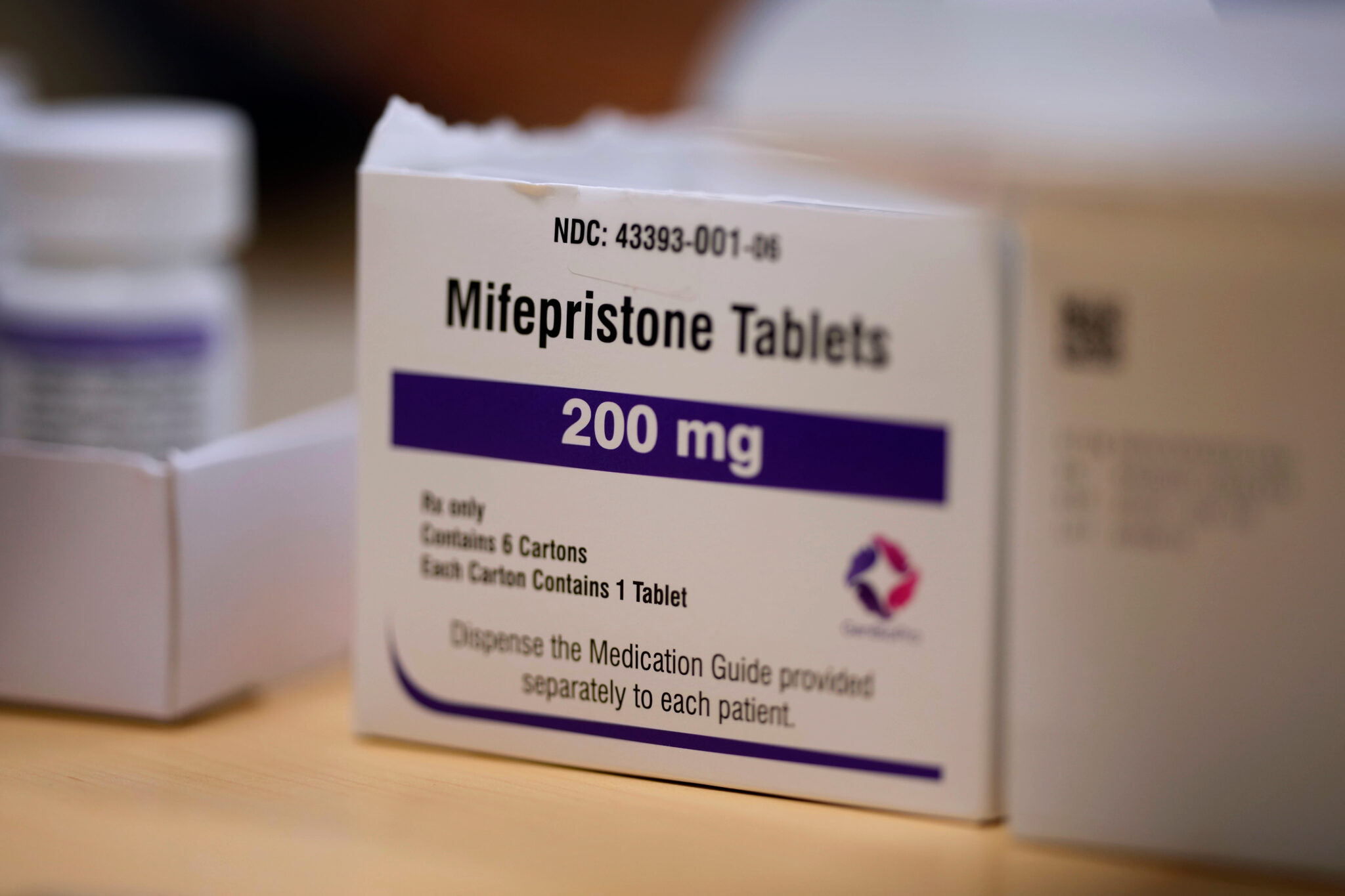
Court Restricts Abortion Access Across US, Blocking Mailing of Mifepristone/ Newslooks/ WASHINGTON/ J. Mansour/ Morning Edition/ A federal appeals court has restricted access to abortion pills. The ruling blocks mailing of Mifepristone prescriptions nationwide. The decision could significantly impact abortion access across the U.S.

Abortion Pill Mifepristone Ruling Quick Looks
- Court blocks mailing of mifepristone prescriptions
- Requires in-person distribution at clinics only
- Decision challenges FDA regulations on abortion pill access
- Could affect access even in states where abortion is legal
- Case likely headed to the U.S. Supreme Court
- Raises concerns over telehealth and reproductive care access
Deep Look
Appeals Court Restricts Abortion Pill Access
A federal appeals court has issued a sweeping ruling that restricts access to one of the most commonly used abortion methods in the United States. The decision blocks the mailing of mifepristone prescriptions, requiring that the medication be dispensed only in person at clinics.
The ruling came from a unanimous three-judge panel of the 5th U.S. Circuit Court of Appeals and represents a major shift in abortion policy nationwide.
By overturning key regulatory changes made by the Food and Drug Administration, the court has significantly limited how patients can obtain the medication.
Challenge to FDA Authority
The decision stands out not only for its impact on abortion access but also for its challenge to the authority of the FDA.
Courts have historically deferred to the agency’s scientific expertise in regulating medications. However, in this case, the judges determined that the FDA’s policies allowing mail distribution of mifepristone undermined state-level abortion bans.
The ruling noted that allowing the drug to be mailed effectively bypasses state restrictions. “Every abortion facilitated by FDA’s action cancels Louisiana’s ban on medical abortions and undermines its policy that ‘every unborn child is human being from the moment of conception and is, therefore, a legal person,’” the decision states.
Mifepristone’s Role in U.S. Abortions
Mifepristone has been a central component of abortion care since its approval in 2000. It is typically used alongside a second medication, misoprostol, to terminate early pregnancies.
Over time, abortion pills have become the most common method used in the United States. Studies indicate that a significant portion of abortions are now conducted via telehealth prescriptions, especially in states with restrictive laws.
This growing reliance on medication abortion has made mifepristone a focal point in legal and political battles over reproductive rights.
Telehealth Access Faces Major Impact
The ruling’s implications extend far beyond states that have banned abortion. Even in states where abortion remains legal, telehealth prescriptions for mifepristone are now effectively blocked.
Advocates warn that the change will disproportionately affect vulnerable populations, including those in rural areas and individuals with limited access to healthcare facilities.
“This is going to affect patients’ access to abortion and miscarriage care in every state in the nation,” said Julia Kaye, an attorney with the ACLU. “When telemedicine is restricted, rural communities, people with low incomes, people with disabilities, survivors of intimate partner violence and communities of color suffer the most.”
Supporters Say Ruling Restores Oversight
Anti-abortion groups have welcomed the court’s decision, arguing that it strengthens safeguards in women’s healthcare.
The National Right to Life Committee praised the ruling as restoring oversight, with its president stating it “restores a critical layer of oversight.”
“Women deserve better than an abortion-by-mail system that prioritizes ideology over safety,” said Carol Tobias.
Supporters argue that in-person requirements ensure better medical supervision and reduce potential risks.
Ongoing Legal Battle Likely
The ruling is unlikely to be the final word on the issue. Danco Laboratories, a manufacturer of mifepristone, has already moved to delay implementation of the decision to allow time for an appeal.
If the request is denied, the company plans to seek emergency relief from the U.S. Supreme Court.
The legal battle follows a series of major abortion rulings in recent years, including the 2022 decision that overturned Roe v. Wade and a later case that preserved access to mifepristone without addressing underlying regulatory questions.
Broader Implications for U.S. Policy
The case highlights the ongoing tension between federal authority and state-level restrictions on abortion. It also raises broader questions about the role of courts in shaping medical policy.
As the issue moves toward the Supreme Court, the outcome could redefine access to abortion medications and the scope of federal regulatory power.
In the meantime, the ruling is expected to have immediate and far-reaching effects on healthcare providers and patients across the country.