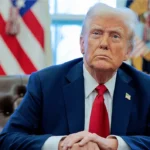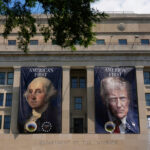
Trump’s Cuba Strategy Mirrors Venezuela Pressure Campaign/ Newslooks/ WASHINGTON/ J. Mansour/ Morning Edition/ The Trump administration is intensifying pressure on Cuba using tactics similar to those previously deployed against Venezuela. The strategy includes oil restrictions, military positioning, criminal charges, and warnings of possible intervention. Experts say Cuba’s political structure and regional dynamics make a Venezuela-style outcome far less likely.
Trump Cuba Strategy Quick Looks
- Trump warned that “Cuba is next.”
- Raul Castro was recently indicted in the U.S.
- Oil restrictions are tightening on Cuba.
- The administration increased military visibility in the Caribbean.
- Experts say Cuba differs sharply from Venezuela.
- Cuba lacks a U.S.-aligned successor government.
- Migration concerns complicate U.S. pressure tactics.
- Venezuela’s Maduro removal shaped Trump’s approach.
- The USS Nimitz entered the Caribbean region this week.
- Analysts warn of regional instability risks.
Deep Look
Trump Administration Expands Pressure Campaign Against Cuba
The Trump administration’s escalating campaign against Cuba increasingly resembles the aggressive strategy previously used against Venezuela — combining sanctions, military pressure, legal action, and public threats of regime change.
According to analysts and former officials, President Donald Trump appears determined to replicate what his administration views as a successful model after Venezuelan leader Nicolas Maduro was removed from power earlier this year.
But experts caution that Cuba presents a dramatically different political and geopolitical challenge.
Trump Says “Cuba Is Next”
Trump has repeatedly intensified his rhetoric toward Cuba in recent months.
Following Venezuela’s political upheaval, Trump publicly declared:
“Cuba is next.”
He later warned countries against supplying oil to Cuba and hinted at possible future U.S. intervention.
On Thursday, Trump again labeled Cuba:
“A failed country.”
The administration’s messaging has closely mirrored the escalating rhetoric used before the U.S. operation that led to Maduro’s capture and extradition to New York.
Raul Castro Indictment Raises Tensions
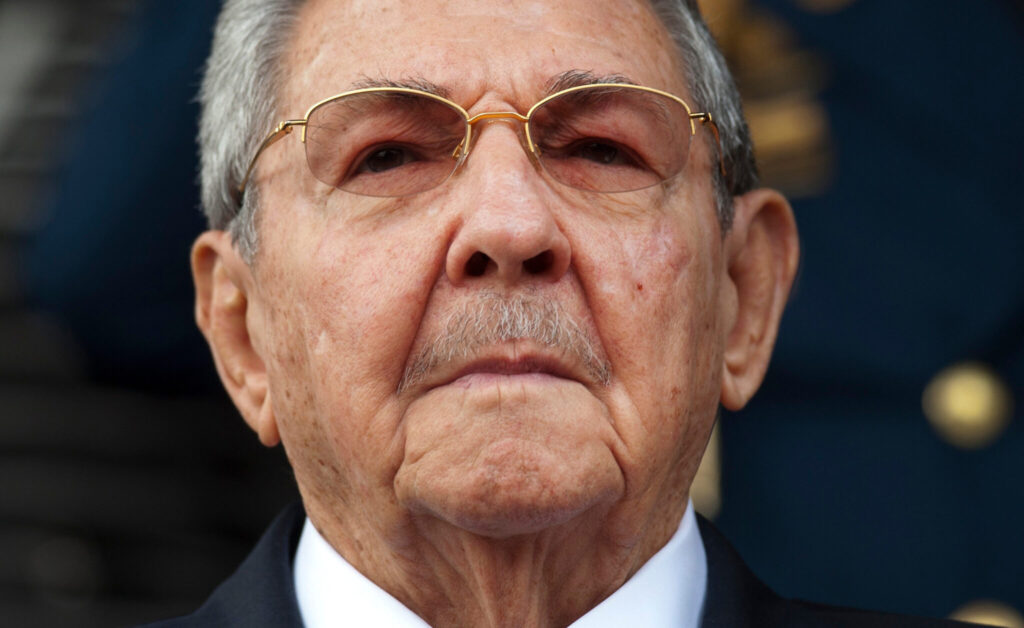
A major escalation came with the U.S. indictment of former Cuban leader Raul Castro.
Federal prosecutors linked Castro to the 1996 shootdown of civilian aircraft operated by Miami-based Cuban exiles.
While symbolic, experts say the charges carry limited practical effect because Castro, now 94 years old, no longer runs Cuba’s day-to-day government.
William LeoGrande, a Latin America expert at American University, said Castro still holds influence but does not actively govern.
Unlike Venezuela, Cuba lacks an obvious U.S.-friendly political replacement figure ready to assume power.
Key Difference: “There Is No Delcy in Cuba”
Analysts point to one major distinction between the two countries.
In Venezuela, after Maduro’s removal, Vice President Delcy Rodriguez stepped into leadership with tacit U.S. approval.
Cuban officials reportedly told AP:
“There is no Delcy in Cuba.”
That means removing current Cuban leadership could create instability without producing a cooperative successor government.
Brian Finucane of the International Crisis Group said the political systems are fundamentally different.
“Cuba, like Iran, is a very different country than Venezuela,” Finucane explained.
Oil Restrictions Target Cuban Economy
The administration’s oil strategy also resembles earlier Venezuela sanctions.
With Venezuela, the goal was cutting off oil revenue to weaken Maduro’s government.
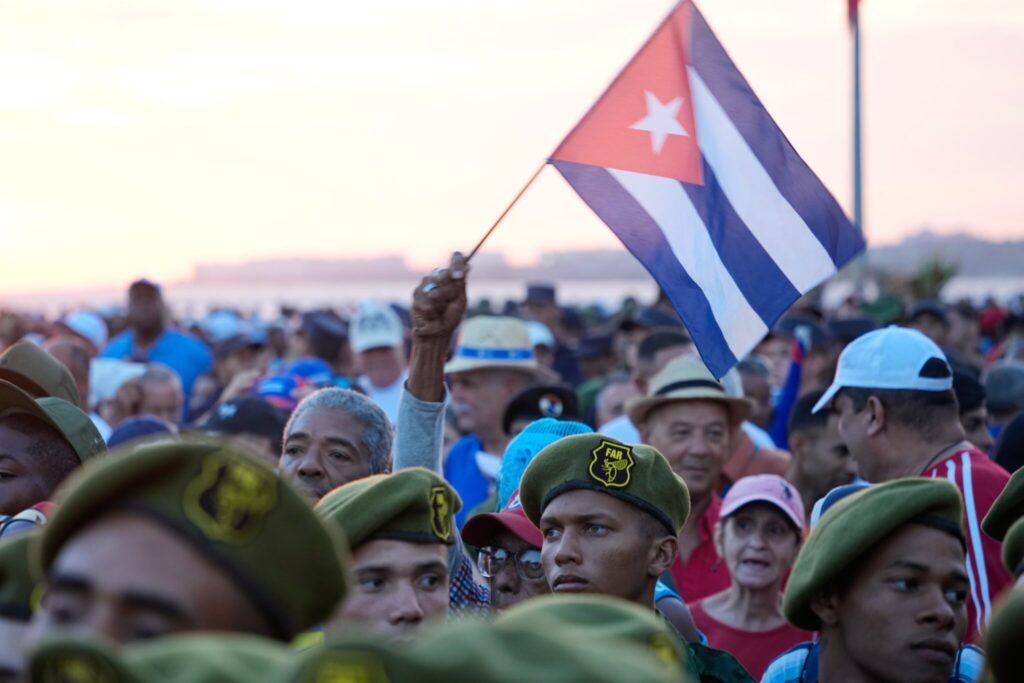
With Cuba, the strategy aims to choke off oil imports entirely, worsening fuel shortages and electricity blackouts already affecting the island.
The broader U.S. embargo on Cuba has existed for decades, but Trump’s latest actions intensified restrictions further.
The energy crisis has contributed to:
- Rolling blackouts
- Gasoline shortages
- Food distribution problems
- Economic hardship
Migration Crisis Risks Growing
Experts warn that overly aggressive pressure could create unintended consequences for the United States.
Finucane noted that destabilizing Cuba too severely could trigger another wave of migration toward Florida similar to the 1990s Cuban refugee crisis.
“President Trump especially cares about immigration,” Finucane said.
A worsening humanitarian crisis on the island could lead thousands of Cubans to attempt dangerous sea crossings toward the U.S.
US Military Presence Expands in Caribbean
The Pentagon has also increased military visibility in the Caribbean region.
This week, the U.S. highlighted the arrival of the USS Nimitz and accompanying naval vessels near the Caribbean.
Still, analysts note the military buildup remains significantly smaller than the operation deployed before Maduro’s removal.
Ahead of the Venezuela intervention, the U.S. assembled:
- Aircraft carriers
- Amphibious assault ships
- Thousands of Marines
- Fighter aircraft
- Large-scale naval operations
The current Cuba deployment includes a more limited force presence.
Trump’s Regional Strategy Expanding
The Cuba pressure campaign reflects Trump’s broader foreign policy approach during his second term:
- Economic coercion
- Aggressive sanctions
- Public threats
- Military signaling
- Legal prosecutions against foreign leaders
The administration has also increased pressure on Iran using similar tactics.
Critics argue the strategy risks destabilizing regions without guaranteeing democratic outcomes.
Supporters contend the policy projects strength and deters adversaries hostile to the United States.
Cuba’s Future Remains Uncertain
Despite rising pressure, experts say a Venezuela-style political collapse in Cuba remains unlikely in the short term.
Cuba’s centralized political structure, military control, and historical resilience under decades of U.S. sanctions create major obstacles to regime change efforts.
Still, worsening economic conditions, fuel shortages, and mounting diplomatic isolation continue increasing pressure on Havana.
Whether Trump’s escalating campaign produces political transformation or humanitarian fallout may become one of the defining foreign policy questions of his second term.