US Appears Cold to Iranian Proposal to End War Without a Nuclear Deal/ Newslooks/ WASHINGTON/ J. Mansour/ Morning Edition/ President Donald Trump is reportedly unhappy with Iran’s latest proposal to end the war, which would reopen the Strait of Hormuz but delay talks over Tehran’s nuclear program. Secretary of State Marco Rubio said preventing Iran from obtaining a nuclear weapon remains the “core issue” and cannot be postponed. The standoff continues to push oil prices higher and disrupt global energy markets as U.S. and Iranian positions remain far apart.
Trump Iran Proposal Quick Looks
- Iran offers to reopen Strait of Hormuz if blockade ends
- Tehran wants nuclear talks delayed until war ends
- Trump reportedly unhappy with the proposal
- Rubio says nuclear weapon prevention is the “core issue”
- Pakistan delivered Iran’s proposal to Washington
- Oil prices rise nearly 3% as shipping remains disrupted
- U.S. blockade continues on Iranian ports and vessels
- Global energy markets remain under heavy pressure
Deep Look
Trump Pushes Back on Iran’s Latest Peace Proposal
President Donald Trump is reportedly dissatisfied with Iran’s latest proposal to end the ongoing U.S.-Israeli war, signaling that hopes for a quick diplomatic breakthrough may be fading.
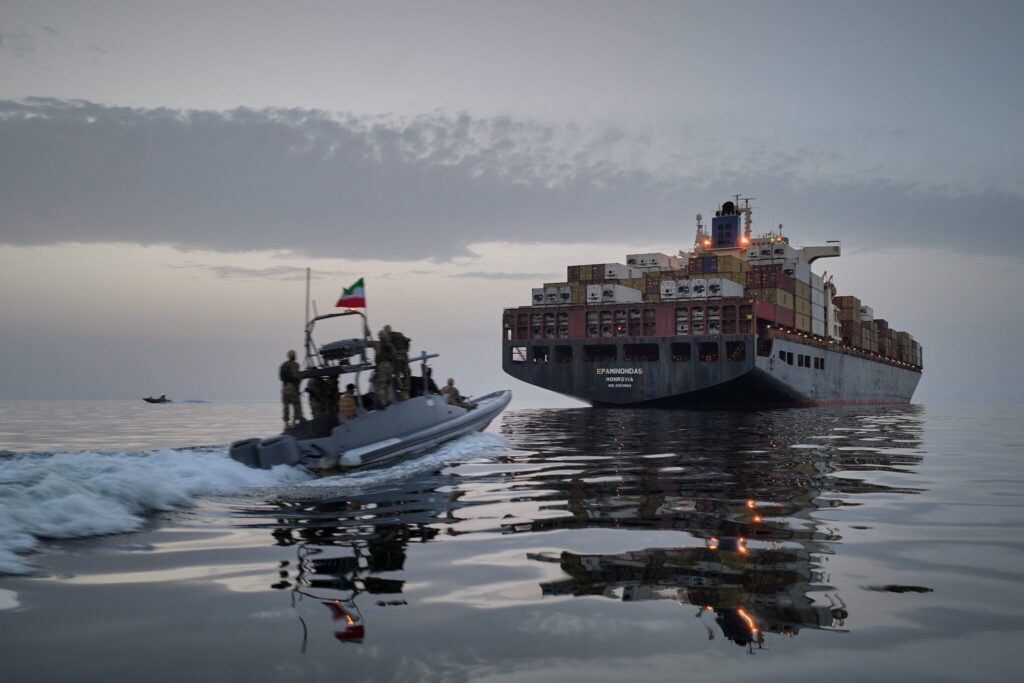
The proposal from Tehran would reopen the Strait of Hormuz and ease global shipping disruptions—but only if the United States first lifts its naval blockade and delays talks about Iran’s nuclear program until later stages of negotiations.
That condition appears to be a major problem for Washington.
Trump wants the nuclear issue addressed immediately, not postponed.
A U.S. official familiar with the president’s Monday national security meeting said Trump was unhappy with the proposal because he views Tehran’s nuclear ambitions as the central issue of the conflict.
Iran Wants War First, Nuclear Talks Later
Iran’s plan reportedly follows a step-by-step structure.
The first phase would require the U.S. and Israel to fully end military operations and guarantee the war cannot restart.
The second phase would focus on ending the U.S. Navy blockade of Iranian shipping and reopening the Strait of Hormuz, the critical global oil route that has been nearly shut down.
Only after those steps would negotiators turn to Iran’s nuclear program.
Tehran still wants some form of U.S. acknowledgment of its right to enrich uranium—a long-standing red line for American negotiators.
Iranian officials reportedly carried this proposal to Pakistan over the weekend, where mediators have been trying to revive diplomacy between both sides.
Rubio Says Nuclear Weapons Remain the “Core Issue”
Secretary of State Marco Rubio made clear Monday that Washington is unlikely to accept any agreement that pushes nuclear negotiations aside.
Speaking in a Fox News interview, Rubio said the central problem has not changed.
“There’s no doubt in my mind that at some point in the future if this radical clerical regime remains in charge in Iran, they will decide they want a nuclear weapon,” Rubio said.
“That fundamental issue still has to be confronted. That still remains the core issue here.”
He warned that Iranian negotiators are highly skilled at buying time and said the United States cannot allow Tehran to delay meaningful commitments.
“We have to ensure that any deal that is made… definitively prevents them from sprinting towards a nuclear weapon at any point.”
White House Reviews the Offer
The White House confirmed Trump’s national security team discussed Iran’s proposal and said the president would address it publicly later.
White House officials repeated that Washington has been clear about its “red lines” and that any deal must include lasting restrictions on Iran’s nuclear capabilities.
Trump has also made it clear he is in no rush to negotiate.
Over the weekend, he canceled a planned trip by special envoy Steve Witkoff and Jared Kushner to Pakistan for a second round of talks, saying the U.S. “has all the cards” and Tehran could call Washington if it wanted serious discussions.
That move signaled a tougher negotiating posture.
Iran Turns to Russia for Support
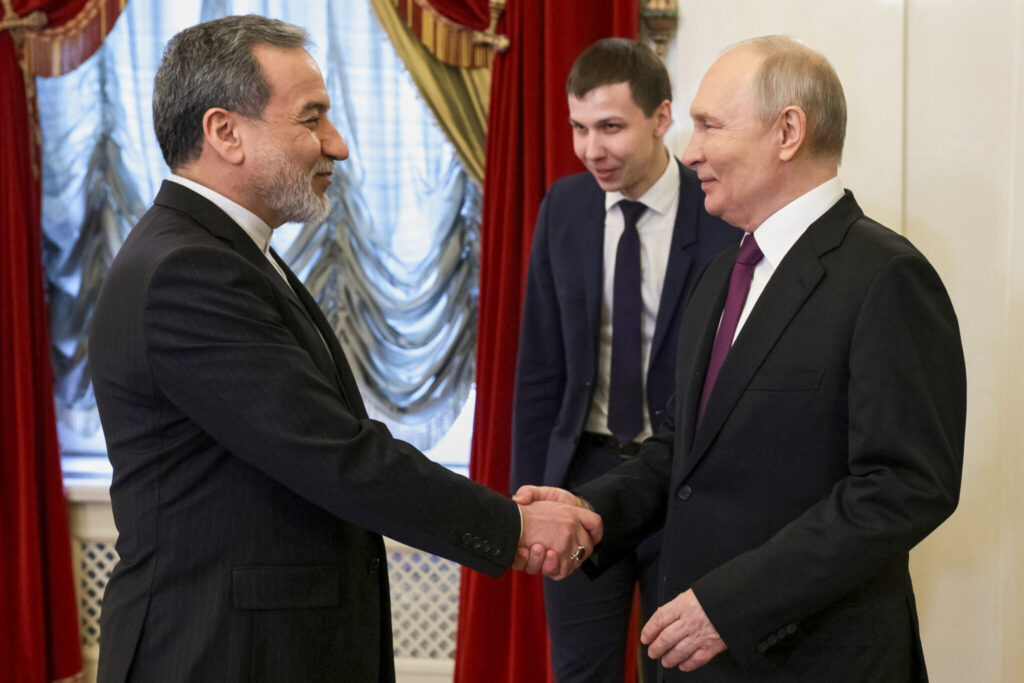
As tensions with Washington remain high, Iranian Foreign Minister Abbas Araghchi traveled to Moscow to meet Russian President Vladimir Putin.
Russia has long been one of Tehran’s most important diplomatic and strategic partners.
The Kremlin has previously offered to store or reprocess Iranian enriched uranium as part of a potential compromise, though Trump reportedly rejected that idea.
This latest visit suggests Iran is still seeking backing from Moscow as negotiations stall.
Russian support could become increasingly important if the blockade and sanctions continue to tighten.
Oil Prices Rise Again
With diplomacy uncertain, global oil markets reacted immediately.
Brent crude rose nearly 3% Tuesday, extending gains from the previous session as concerns over the Strait of Hormuz intensified.
Before the conflict, around 125 to 140 ships crossed the strait each day.
Now, according to shipping data, only seven ships passed through in the last 24 hours—and none were carrying oil for the global market.
That dramatic slowdown is putting enormous pressure on global energy supplies and fueling inflation worldwide.
Oil traders are no longer focused on political statements—they are watching physical oil movement.
U.S. Blockade Forces Tankers Back
At least six tankers loaded with Iranian oil have reportedly been forced to turn back toward Iran in recent days because of the U.S. blockade.
The U.S. Navy’s enforcement campaign is now a major part of Washington’s economic pressure strategy.
Iran’s foreign ministry condemned the actions as “outright legalization of piracy and armed robbery on the high seas.”
Still, Tehran says it has prepared for this scenario.
Government spokesperson Fatemeh Mohajerani said Iran had planned for maritime blockade risks since the 2024 U.S. election and has alternative trade routes through northern, eastern, and western corridors that avoid Gulf ports.
She insisted there was “nothing to worry about.”
U.S. Warns Global Energy Security Is at Risk
Senior U.S. officials are also using the crisis to push a broader warning about global energy dependence.
Under Secretary of State Allison Hooker said Iran’s actions in the Strait of Hormuz should be a “wake-up call” for governments around the world.
Speaking in Croatia at a regional summit, she said countries must diversify supply chains and reduce dependence on unstable regions.
“The world is changing under our feet,” Hooker said.
She argued the crisis shows why nations need stronger alternative energy routes and more resilient infrastructure.
Human Cost Continues to Rise
Even with a fragile ceasefire holding in parts of the region, the humanitarian toll continues to grow.
Since the war began, at least 3,375 people have been killed in Iran.
More than 2,521 people have died in Lebanon amid fighting between Israel and the Iran-backed Hezbollah militant group.
Another 23 people have been killed in Israel.
The toll in Lebanon includes 16 Israeli soldiers and six U.N. peacekeepers.
Across the wider region, 13 U.S. service members, at least 10 ship crew members, and more than a dozen civilians in Gulf Arab states have also died.
The conflict may be paused, but the damage continues to spread.
Trump Faces Growing Domestic Pressure
At home, Trump is also facing political pressure.
Rising oil prices are driving up gasoline costs and fueling inflation, creating economic frustration for American voters.
With approval ratings under pressure, the administration must balance military leverage with public demand for stability.
That makes the Iran negotiations even more sensitive.
Trump wants a deal—but not one that allows Tehran to delay the nuclear question.
The Core Dispute Remains Unchanged
Despite all the diplomatic movement, the central conflict remains exactly where it started.
Iran wants sanctions relief, an end to the blockade, and recognition of its nuclear rights.
The United States wants verifiable guarantees that Iran can never quickly build a nuclear weapon.
Neither side appears ready to give ground first.
Until that changes, the Strait of Hormuz—and the global economy—will remain stuck in the middle.