US Blockade Costs Iran $4.8 Billion In Oil Revenue, Pentagon Says/ Newslooks/ WASHINGTON/ J. Mansour/ Morning Edition/ The U.S. blockade has cost Iran nearly $4.8 billion. Dozens of oil tankers remain stuck as pressure builds on Tehran. Officials say the strategy aims to force Iran toward negotiations.

US Blockade Iran Oil Revenue Quick Looks
- Iran loses $4.8 billion in blocked oil exports
- 31 tankers carrying 53 million barrels stuck
- U.S. has redirected over 40 vessels
- Iran nearing oil storage capacity limits
- Some tankers rerouting to avoid U.S. enforcement
- Blockade seen as key leverage in conflict
Deep Look
Pentagon Highlights Economic Impact of Blockade
The U.S. Department of Defense says its naval blockade against Iran has significantly disrupted the country’s oil exports, costing Tehran an estimated $4.8 billion in lost revenue.
Officials described the blockade as a central pillar of U.S. strategy, aimed at weakening Iran’s financial capacity during the ongoing conflict. The effort is also intended to strengthen Washington’s position in any future negotiations.
According to Pentagon estimates, the blockade has halted millions of barrels of oil from reaching global markets, cutting into one of Iran’s most critical sources of income.
Dozens of Oil Tankers Stranded
Since the blockade began on April 13, U.S. forces have actively enforced restrictions in key waterways, particularly in the Gulf of Oman.
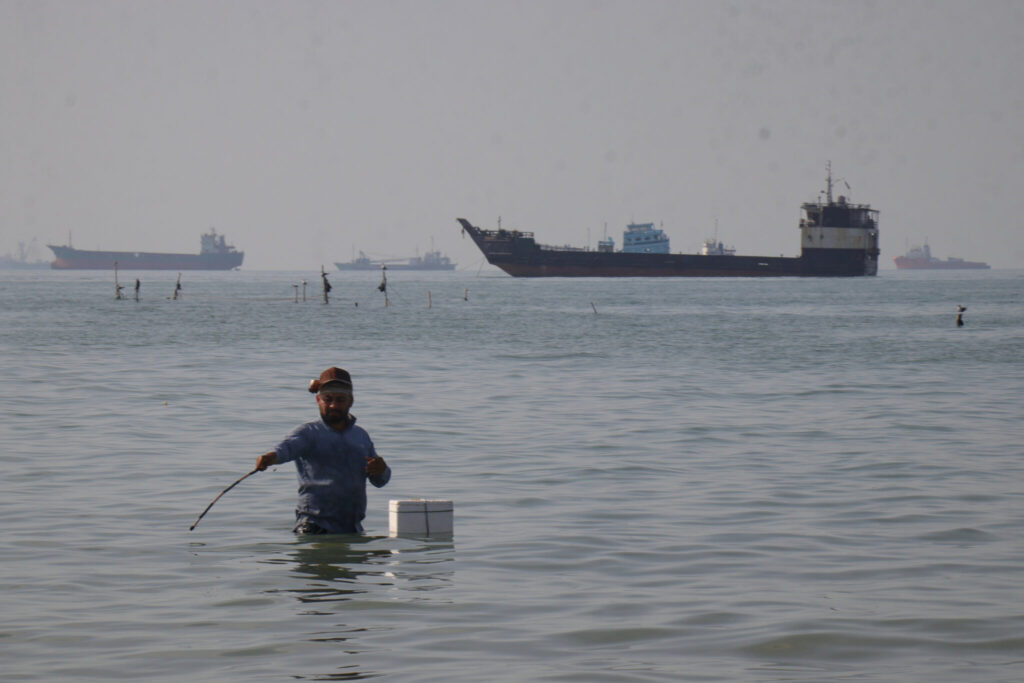
Pentagon officials say more than 40 vessels attempting to transport oil and other goods have been redirected. At least 31 tankers, carrying roughly 53 million barrels of oil, are currently unable to move freely.
The value of this stranded oil is estimated at nearly $5 billion, underscoring the scale of economic pressure being applied.
Additionally, U.S. forces have seized two vessels as part of enforcement actions.
Iran Faces Growing Storage Crisis
As tankers remain immobilized, Iran is confronting a new challenge: limited storage capacity.
With land-based storage facilities nearing their limits, Iran has begun using older tankers as floating storage units. This workaround highlights the strain on the country’s energy infrastructure.
Experts warn that if storage capacity is reached, Iran may be forced to slow or halt oil production entirely — a scenario that could deepen the economic impact of the blockade.
Alternative Routes and Evasion Tactics
To bypass U.S. restrictions, some Iranian shipments are taking longer and more expensive routes. These paths often involve hugging coastlines and transferring cargo at distant maritime hubs before reaching buyers such as China.
Analysts note that certain vessels have managed to avoid interception by navigating strategically through regional waters.
There is also speculation that Iran could attempt a coordinated effort to move multiple tankers at once. One expert suggested the possibility of a large-scale breakout attempt once enough oil is stockpiled.
“I think the Iranians will wait for an opportunity to launch an overnight ‘Great Escape’ once they have built up even further storage near the border with Pakistan,” he said.
Blockade Reflects Broader Strategic Standoff
The blockade is part of a wider confrontation between the United States and Iran, with both sides using economic and military tools to gain advantage.
Iran previously disrupted shipping through the Strait of Hormuz, prompting the U.S. to respond by targeting access points in the Gulf of Oman.
This back-and-forth strategy has created a high-stakes environment where global energy markets and regional stability are closely tied to the conflict.
Pressure Mounts as Talks Stall
U.S. officials emphasize that the blockade is designed to force Iran into negotiations by limiting its ability to generate revenue.
Joel Valdez, acting Pentagon press secretary, said the strategy is delivering results.
“We are inflicting a devastating blow to the Iranian regime’s ability to fund terrorism and regional destabilization,” he said. “Our armed forces in the region will continue to maintain this unrelenting pressure.”
Despite the economic strain, diplomatic efforts to resolve the conflict remain uncertain, with talks continuing intermittently.
Global Implications for Energy Markets
The disruption of Iranian oil exports could have ripple effects across global energy markets. Reduced supply and increased shipping costs may contribute to higher fuel prices and economic uncertainty.
As the situation evolves, the effectiveness of the blockade — and Iran’s ability to adapt — will play a critical role in shaping both regional dynamics and international trade.