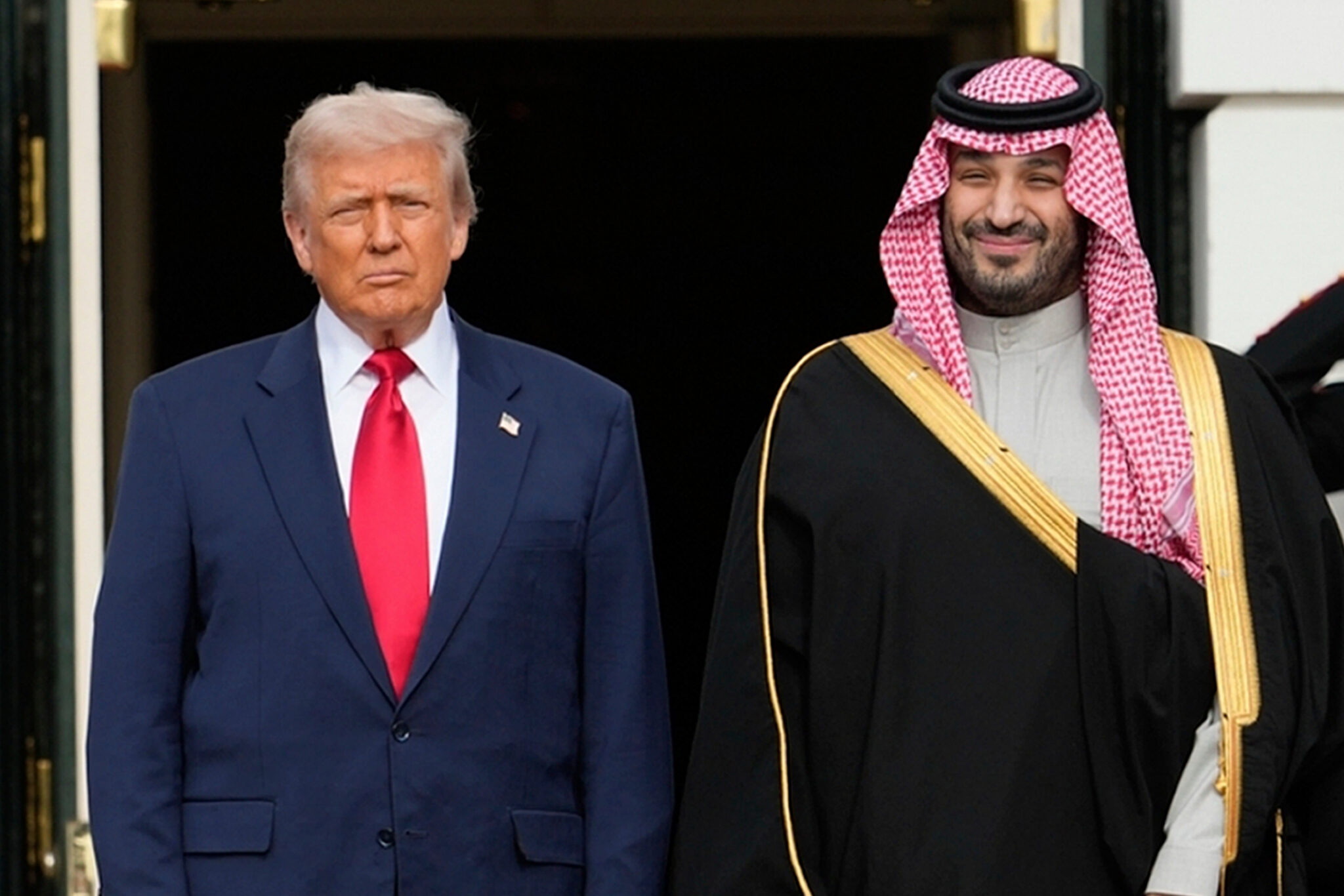
Saudi Arabia May Have Uranium Enrichment under Proposed Deal with US/ Newslooks/ WASHINGTON/ J. Mansour/ Morning Edition/ A proposed U.S.-Saudi nuclear agreement could permit uranium enrichment inside the kingdom. Arms control experts warn the move may heighten nuclear proliferation risks in the Middle East. The discussions come amid escalating tensions between the U.S. and Iran over Tehran’s nuclear program.
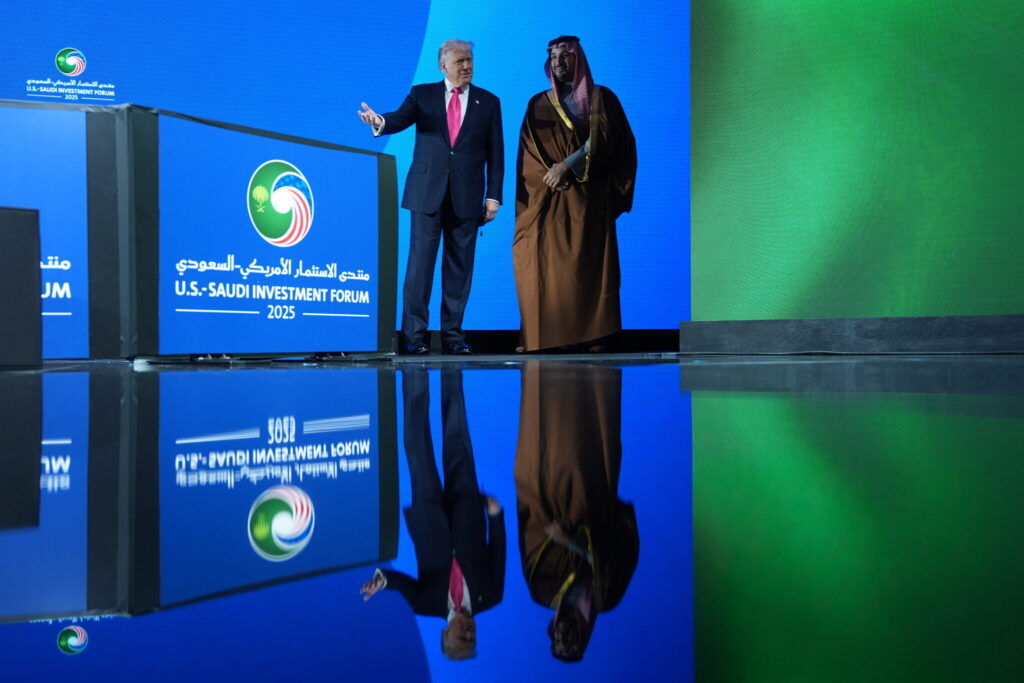
Saudi Nuclear Deal May Allow Uranium Enrichment Quick Looks
- Proposed U.S.-Saudi nuclear cooperation agreement under review
- Deal could include uranium enrichment capabilities
- Arms Control Association raises proliferation concerns
- IAEA safeguards expected under agreement
- Saudi Arabia hints at matching Iran’s nuclear capability
- Pakistan-Saudi defense pact adds regional complexity
- UAE cited as “gold standard” for non-enrichment deal
- Talks unfold amid U.S.-Iran nuclear standoff
Deep Look: Saudi Arabia May Have Uranium Enrichment under Proposed Deal with US
A proposed civilian nuclear cooperation agreement between the United States and Saudi Arabia could pave the way for uranium enrichment inside the kingdom, according to congressional documents and analysis from nonproliferation experts — a development that is raising fresh concerns about nuclear proliferation in the Middle East.
Both President Donald Trump and former President Joe Biden have pursued negotiations aimed at sharing American nuclear technology with Riyadh. While the agreement is framed as a civilian energy partnership, arms control specialists caution that allowing Saudi Arabia to enrich uranium domestically would represent a significant shift in U.S. nuclear policy.
Uranium enrichment — the process of increasing the concentration of uranium-235 for use in nuclear fuel — is not inherently a weapons program. However, it is a key technical step toward developing nuclear weapons if pursued to high levels of purity. That dual-use nature has fueled international scrutiny of countries such as Iran, which has enriched uranium to levels approaching weapons-grade thresholds.
The proposed agreement reportedly envisions the United States and Saudi Arabia entering into safeguards arrangements with the International Atomic Energy Agency (IAEA). Such measures would allow international inspectors to monitor nuclear activities and ensure compliance with nonproliferation commitments.
Still, experts say the inclusion of enrichment technology — even under safeguards — could create long-term risks. Kelsey Davenport of the Arms Control Association warned that “the devil is in the details,” noting that once bilateral safeguards are in place, Saudi Arabia could gain access to enrichment knowledge or capabilities, potentially even sourced from U.S. firms.
Congressional documents reviewed by lawmakers outline an ambitious plan by the Trump administration to pursue up to 20 nuclear business agreements worldwide, including a potentially multibillion-dollar deal with Riyadh. The documents argue that such agreements would strengthen U.S. national security and counter growing competition from global nuclear exporters such as China, France, Russia, and South Korea.
Saudi Arabia has long expressed interest in developing nuclear energy to diversify its economy beyond oil. However, statements from Crown Prince Mohammed bin Salman have drawn international attention. The crown prince has publicly stated that if Iran acquires a nuclear weapon, Saudi Arabia would seek one as well — a comment widely interpreted as linking the kingdom’s strategic calculations to Tehran’s actions.
Regional dynamics further complicate the picture. Last year, Saudi Arabia and nuclear-armed Pakistan signed a mutual defense pact. Pakistan’s defense minister later remarked that Islamabad’s nuclear program could be made available to Saudi Arabia if needed, comments viewed by analysts as a signal to regional rivals.
At the same time, Israel — widely believed to possess nuclear weapons though it has never officially confirmed it — remains a central factor in the Middle East’s security balance. Heightened tensions between Israel and Iran, alongside U.S. pressure campaigns targeting Tehran’s nuclear program, have increased fears of a broader regional arms race.
The IAEA confirmed it maintains regular contact with both Washington and Riyadh regarding potential verification measures tied to bilateral agreements. The Vienna-based agency said it would apply inspection protocols in accordance with established procedures if formally requested.
Proliferation experts often cite the United Arab Emirates as a model for nuclear cooperation. The UAE signed a so-called “123 agreement” with the United States to build the Barakah nuclear power plant but committed to forgoing domestic uranium enrichment and reprocessing — a standard sometimes referred to as the “gold standard” in nonproliferation circles.
Critics argue that allowing Saudi Arabia to enrich uranium could weaken that precedent and encourage other nations to seek similar concessions. Supporters counter that engagement with Riyadh under strict safeguards could enhance transparency and strengthen U.S. influence over the kingdom’s nuclear trajectory.
The debate is unfolding amid heightened tensions between Washington and Tehran. Trump has warned of possible military consequences if Iran does not agree to new limits on its nuclear activities. Meanwhile, Iranian officials maintain that their enrichment program is peaceful, though Western governments and the IAEA have expressed longstanding concerns about past military dimensions.
Iran has enriched uranium up to 60% purity in recent years — a short technical step from weapons-grade levels of around 90% — making it unique among non-nuclear-armed states. While Iranian leaders have cited religious decrees against nuclear weapons, rhetoric suggesting the option remains open has added to regional anxieties.
Against that backdrop, any move to permit enrichment in Saudi Arabia is likely to face intense scrutiny in Congress and among U.S. allies. Lawmakers will weigh whether the proposed deal strengthens American strategic influence or risks accelerating a regional nuclear competition.
As negotiations continue, the structure and safeguards of any final agreement will prove decisive. For now, the possibility of uranium enrichment inside Saudi Arabia has injected new urgency into debates over Middle East security, U.S. foreign policy, and the global nonproliferation regime.