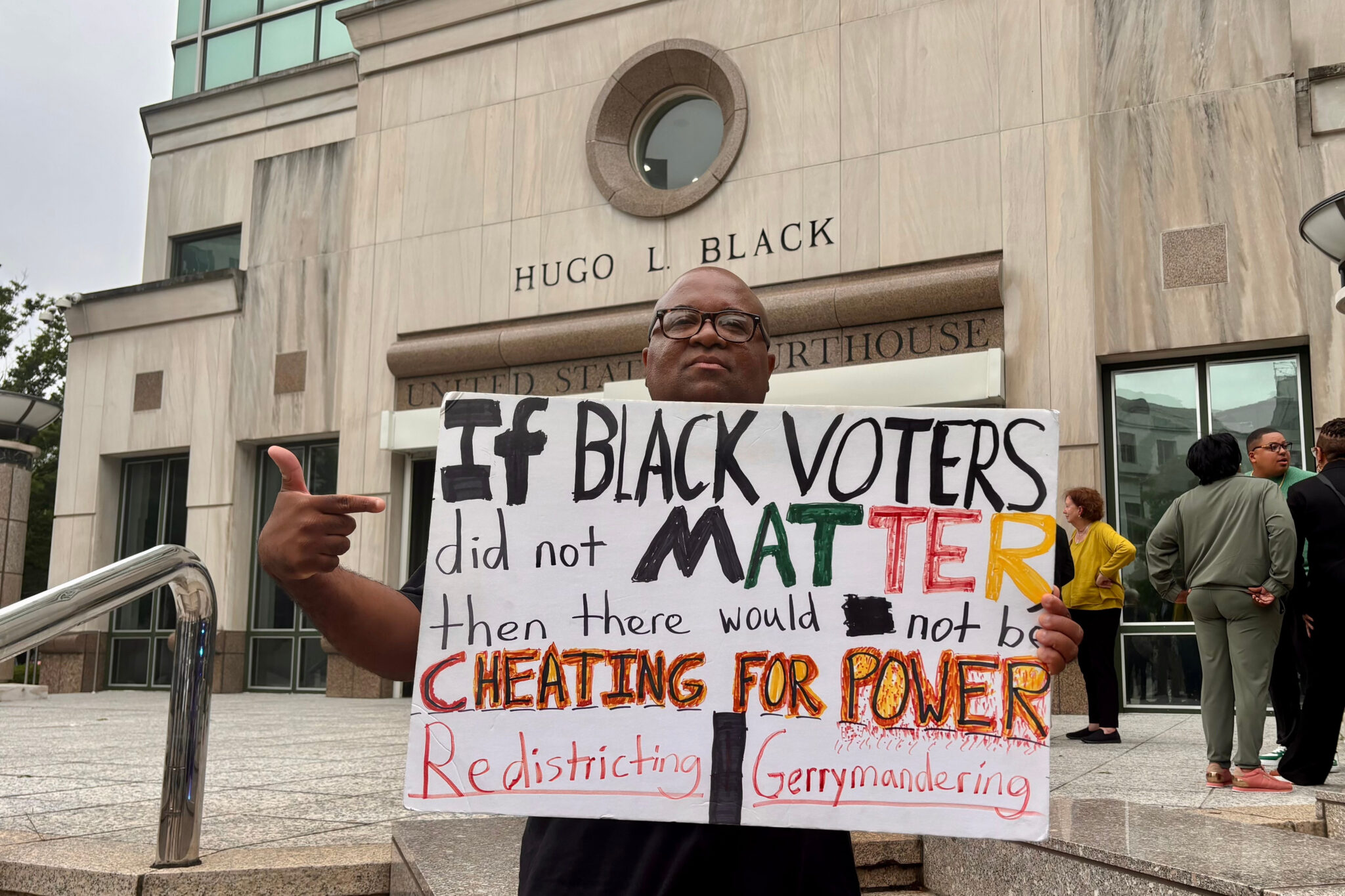
Federal Court Blocks Alabama Republican Redistricting Map/ Newslooks/ WASHINGTON/ J. Mansour/ Morning Edition/ A federal court blocked Alabama from using a new congressional map that Republicans hoped would improve their chances in the midterm elections. Judges ruled the GOP-backed plan intentionally discriminated against Black voters by reducing Black-majority representation. The decision keeps Alabama using a court-ordered map with two districts where Black voters hold significant influence.
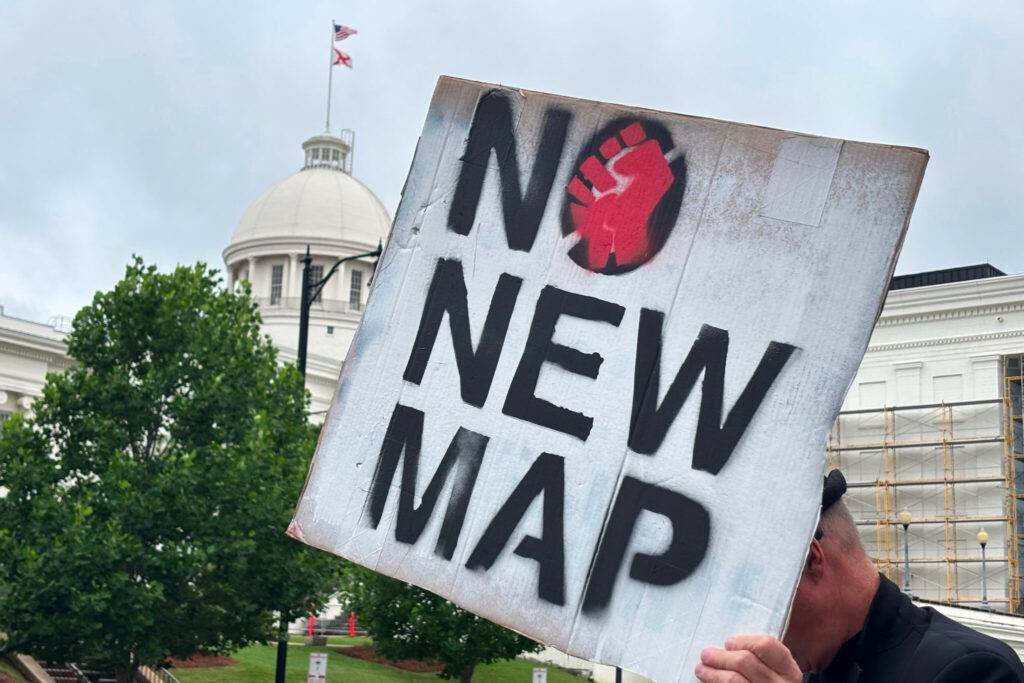
Alabama Redistricting Ruling Quick Looks
- Federal judges blocked Alabama’s proposed congressional map.
- Court ruled the plan intentionally discriminated based on race.
- Alabama must continue using the court-ordered 2024 map.
- Republicans hoped the map would help reclaim a House seat.
- Democratic Rep. Shomari Figures benefits from the ruling.
- Judges cited concerns about voter confusion and logistics.
- The ruling stems from a broader Voting Rights Act fight.
- Alabama officials may appeal to the Supreme Court.
- Other Southern states are also redrawing congressional maps.
- The case could impact control of the US House in 2026.
Deep Look
Federal Court Blocks Alabama’s New Congressional Map
A federal court on Tuesday halted Alabama from implementing a Republican-backed congressional map that critics argued would weaken Black voting power ahead of the 2026 midterm elections.
A three-judge panel issued a preliminary injunction preventing Alabama from switching to the proposed map, ruling that the plan “intentionally discriminated based on race.”
The judges ordered the state to continue using the court-approved congressional map that was in place during the 2024 elections.
Judges Say Map Was Tainted by Discrimination
The court sharply criticized Alabama’s proposed redistricting plan for including only one Black-majority congressional district in a state where approximately 27% of residents are Black.
“Ultimately, we cannot see our way clear to requiring Alabamians to cast their votes in the 2026 elections under a districting plan tainted by intentional race-based discrimination,” the judges wrote.
The current court-ordered map includes two districts where Black residents make up either a majority or a near-majority of voters.
Republicans Sought Political Advantage
Republicans hoped the proposed map would improve their chances of reclaiming a U.S. House seat currently held by Democratic Rep. Shomari Figures.
The ruling represents a setback for broader Republican efforts nationwide to redraw congressional maps in ways that could strengthen the party’s slim House majority.
Figures welcomed the decision but said he expects Alabama officials to appeal.
“This is a significant step in the right direction, but there is still a long way to go before this fight is settled,” Figures said.
Long Legal Battle Over Voting Rights
The Alabama case is part of a larger legal and political fight unfolding after a recent Supreme Court of the United States decision weakened key protections under the Voting Rights Act.
That ruling allowed several Republican-led states to revisit congressional maps involving districts with large minority populations.
The current Alabama dispute traces back to 2023, when the same federal panel ruled that Republican lawmakers intentionally diluted Black voting strength through earlier district maps.
The court then ordered Alabama to adopt districts that provided Black voters greater electoral influence.
Court Cites Voter Confusion Concerns
The judges also emphasized the logistical problems of abruptly switching congressional maps before upcoming elections.
Alabama Gov. Kay Ivey had already scheduled special primaries for Aug. 11 under the proposed new districts.
The court argued maintaining the existing districts would avoid:
- Expensive voter reassignment efforts
- Candidate confusion
- Administrative complications
- Election disruption
“Candidate and voter confusion is troublesome and warrants significant consideration, but we do not see that a preliminary injunction will worsen it,” the judges wrote.
Civil Rights Groups Celebrate Ruling
Civil rights advocates praised the decision as a victory for Black voters.
Deuel Ross of the NAACP Legal Defense Fund said the ruling:
“again vindicated the constitutional rights of voters in the Black Belt.”
Voting rights organizations have argued that reducing Black-majority districts weakens minority representation and violates longstanding protections against racial discrimination in elections.
Redistricting Battles Expanding Across Southern States
Alabama is not alone.
Several Southern states have moved to redraw congressional boundaries following the Supreme Court’s recent Voting Rights Act decision.
Among the states involved:
- Louisiana
- South Carolina
- Tennessee
- Texas
Republican lawmakers in many of those states are seeking maps that could increase GOP representation in Congress.
Meanwhile, Democrats have pursued counter-redistricting efforts in states such as California and Utah.
House Control at Stake
The growing nationwide redistricting battles are tied directly to control of the U.S. House of Representatives ahead of the 2026 midterm elections.
Donald Trump has publicly encouraged Republican-led states to redraw congressional maps to help preserve the GOP’s narrow House majority.
Legal challenges over those maps are expected to continue for months and could ultimately return to the Supreme Court.