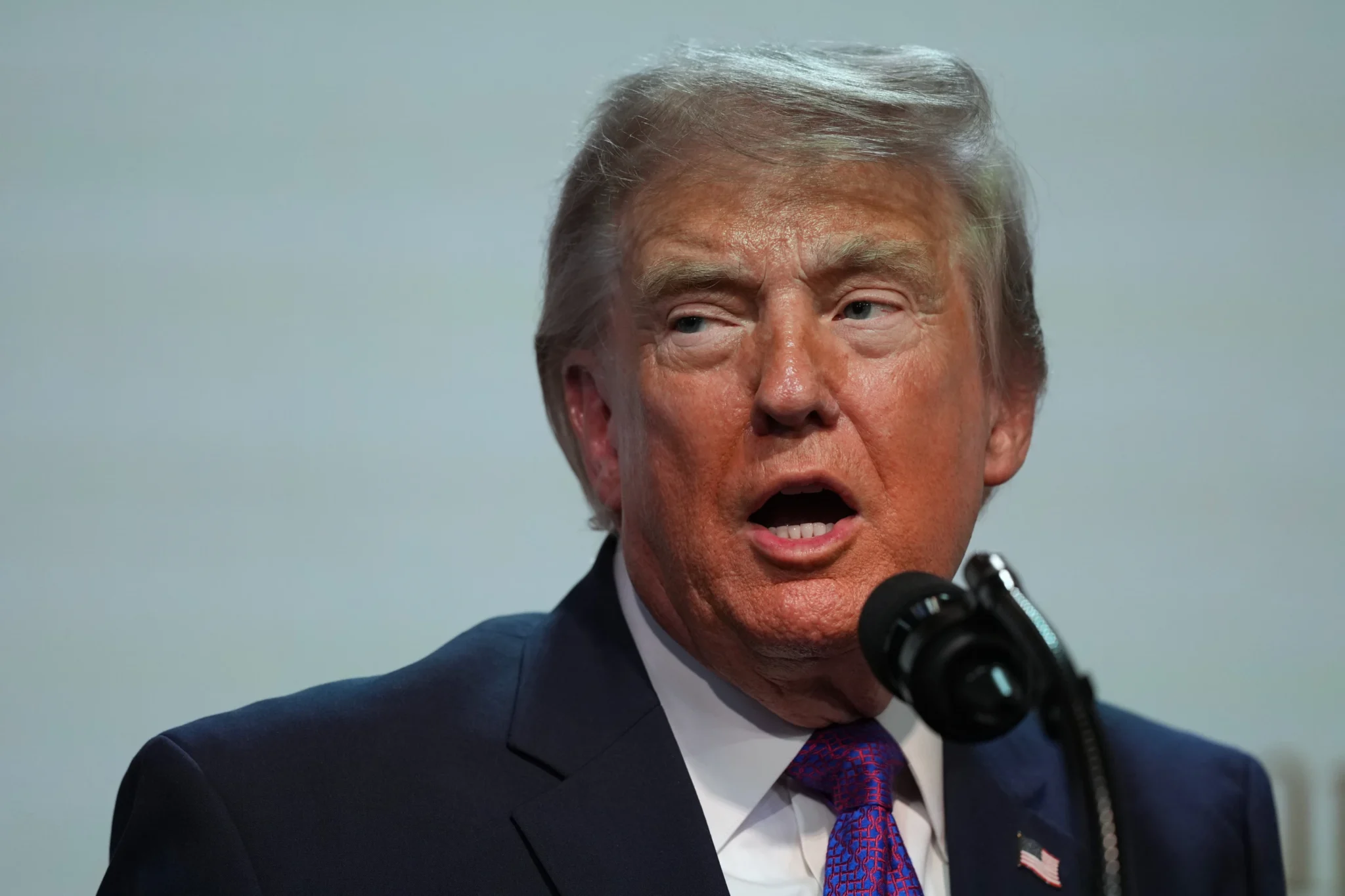
Trump Wins Supreme Court Battle Over Immigration Judge Speech Rules/ Newslooks/ WASHINGTON/ J. Mansour/ Morning Edition/ The Supreme Court of the United States sided with the Trump administration in a dispute over speech restrictions placed on federal immigration judges. The ruling revives a legal fight over whether judges can publicly discuss immigration issues without prior government approval. The decision did not settle the constitutional question but handed a procedural victory to President Donald Trump.
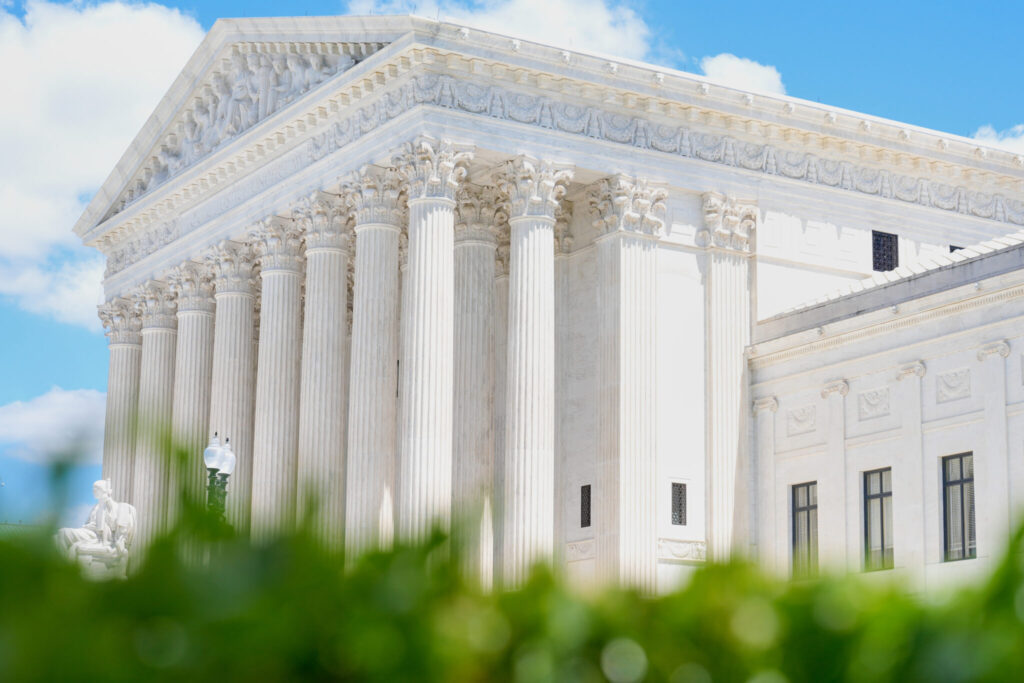
Supreme Court Immigration Speech Case Quick Looks
- Supreme Court ruled in favor of Trump administration.
- Case involves speech restrictions on immigration judges.
- Judges must seek approval before public speaking engagements.
- Policy began during Trump’s first presidential term.
- Reuters reported the ruling Tuesday morning.
- Court did not decide the First Amendment issue.
- Immigration judges challenged policy in 2020 lawsuit.
- Biden administration kept the policy in place.
- Decision sends case back to lower courts.
- Broader immigration rulings remain pending this summer.
Deep Look
Supreme Court Hands Trump Administration Procedural Victory
The Supreme Court of the United States ruled Tuesday in favor of the Trump administration in a closely watched dispute involving free speech rights for federal immigration judges.
The unsigned decision reversed a lower court ruling and sent the case back for additional proceedings, giving the administration a significant procedural win.
However, the justices stopped short of deciding whether the speech restrictions themselves violate the Constitution.
Immigration Judges Challenged Speech Restrictions
The case centers on a Trump-era policy requiring immigration judges to obtain prior approval before participating in certain public speaking events related to immigration.
Under the policy, approval is required when judges:
- Speak because of their official role
- Discuss agency policies or immigration programs
- Appear to represent the agency publicly
- Address topics connected to official duties
The policy was originally enacted during Trump’s first term by the Executive Office for Immigration Review, which oversees the nation’s immigration courts and approximately 750 immigration judges.
The Biden administration reviewed the restrictions but ultimately left them in place.
Immigration Judges Say Policy Violates Free Speech
The National Association of Immigration Judges sued the federal government in 2020, arguing the policy violates First Amendment protections guaranteeing freedom of speech.
The judges argued the rules improperly limit their ability to discuss immigration law, court operations and public policy issues.
A federal judge in Virginia dismissed the lawsuit in 2023, ruling that federal labor complaint systems — rather than federal courts — should handle the dispute under the Civil Service Reform Act.
Appeals Court Raised Questions About Fair Hearings
The case later moved to the Richmond-based United States Court of Appeals for the Fourth Circuit.
In 2025, the appeals court questioned whether immigration judges could receive fair treatment through federal worker complaint agencies after Trump removed leaders from agencies designed to independently oversee federal employment disputes.
The Fourth Circuit ordered additional fact-finding into whether those agencies had lost the independence Congress intended.
That decision prompted the Trump administration to appeal to the Supreme Court.
Supreme Court Rejects Lower Court’s Approach
The Supreme Court faulted the appeals court for relying on arguments that neither side had formally raised during litigation.
The justices therefore reversed the lower court’s decision and returned the case for further proceedings.
At the same time, the Supreme Court denied a separate appeal from the immigration judges seeking to move the constitutional challenge directly into federal court.
Larger Battle Over Presidential Power
The case is tied to broader legal disputes over presidential authority and the independence of federal agencies.
Trump has aggressively challenged legal protections that prevent presidents from easily firing independent agency officials.
The Supreme Court is expected to rule separately before the end of June on whether such protections unconstitutionally limit presidential power.
That upcoming decision could significantly reshape federal agencies across the government.
Immigration Remains Central Legal Battlefield
The ruling is one of several recent immigration-related victories for the Trump administration at the Supreme Court.
Since returning to office, Trump has won emergency rulings allowing:
- Deportations to third countries
- Revocation of temporary legal status for Venezuelans
- Expanded immigration enforcement powers
The court is also expected to issue major decisions soon involving:
- Birthright citizenship restrictions
- Legal protections for Haitian migrants
- Protections for Syrian immigrants
Immigration Courts Under Growing Scrutiny
The dispute highlights increasing tensions surrounding the nation’s immigration court system.
Critics say immigration judges should be able to speak openly about court backlogs, immigration law and judicial independence without political restrictions.
Supporters of the policy argue judges must avoid appearing politically biased or speaking on behalf of the government without authorization.
The case now returns to lower courts for additional review.