Government Shutdown Revives Debate Over TSA Privatization/ Newslooks/ WASHINGTON/ J. Mansour/ Morning Edition/ Airport security delays during the latest U.S. government shutdown are renewing debate about privatizing TSA screening. Some experts say private contractors could prevent travel disruptions because they continue working during shutdowns. Critics warn privatization could weaken worker protections and create inconsistencies in airport security.
TSA Privatization Debate Quick Looks
- Long airport security lines appeared during the latest government shutdown.
- TSA officers must work without pay during shutdowns, leading to absenteeism concerns.
- Some airports, including San Francisco International Airport, use private security contractors.
- The system operates under the TSA Screening Partnership Program.
- Contractors are paid through federal contracts that continue during shutdowns.
- Most U.S. airports still rely on federal TSA officers.
- Aviation experts say privatization could reduce shutdown-related disruptions.
- The TSA union strongly opposes privatizing airport security.
- Travel industry groups want legislation ensuring TSA workers are paid during shutdowns.
- Some lawmakers have proposed eliminating the TSA entirely and replacing it with contractors.
Deep Look
Shutdown Disruptions Highlight Airport Security Challenges
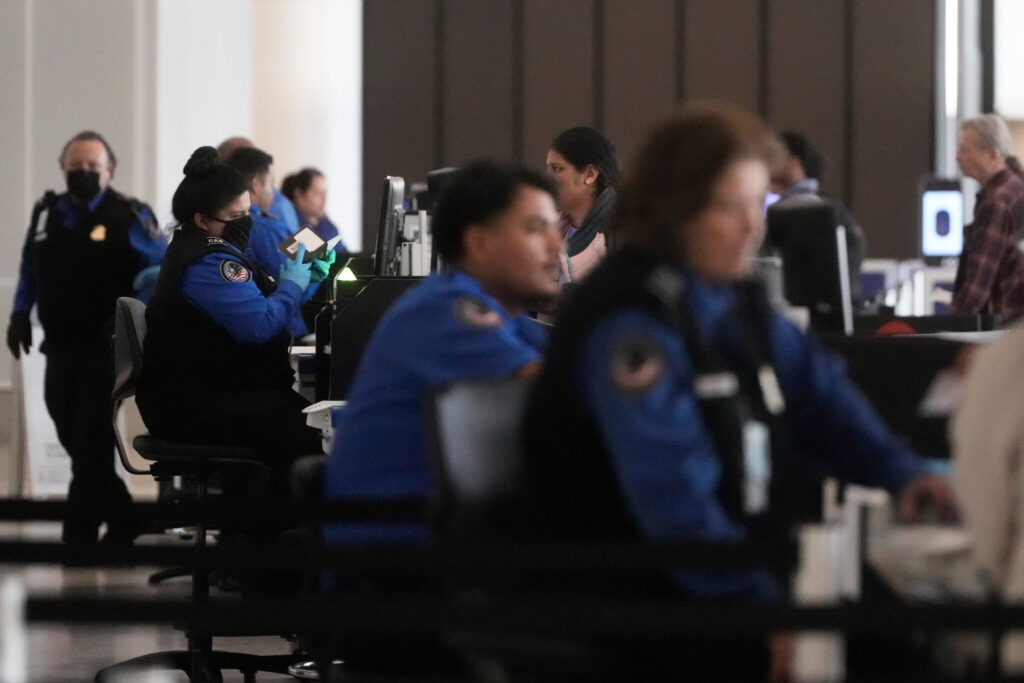
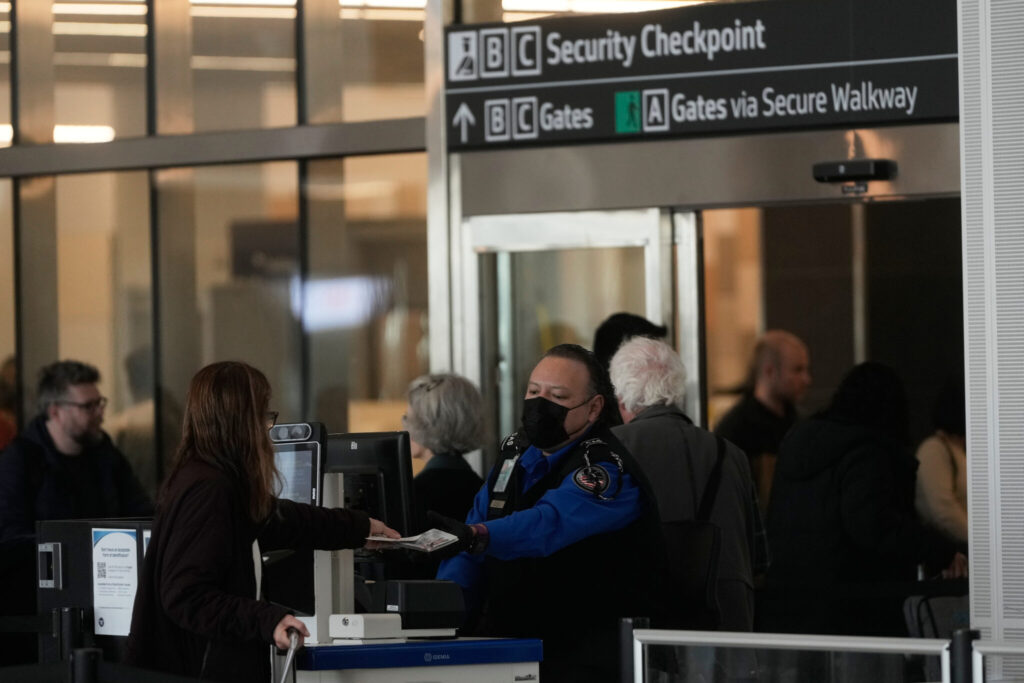
The latest U.S. government shutdown has triggered long security lines at several airports, renewing debate over whether airport screening should remain a federal responsibility or shift more toward private contractors.
Over the weekend, travelers encountered security lines stretching into baggage claim areas and parking garages at some airports — a sign that disruptions could grow as the shutdown continues.
The Transportation Security Administration (TSA), which oversees airport screening nationwide, is affected because it operates under the Department of Homeland Security. During shutdowns, TSA officers are required to report to work even though they temporarily stop receiving pay.
That situation has historically caused higher absenteeism and longer security lines the longer a shutdown lasts.
A Different Model at Some Airports
San Francisco International Airport offers a different example.
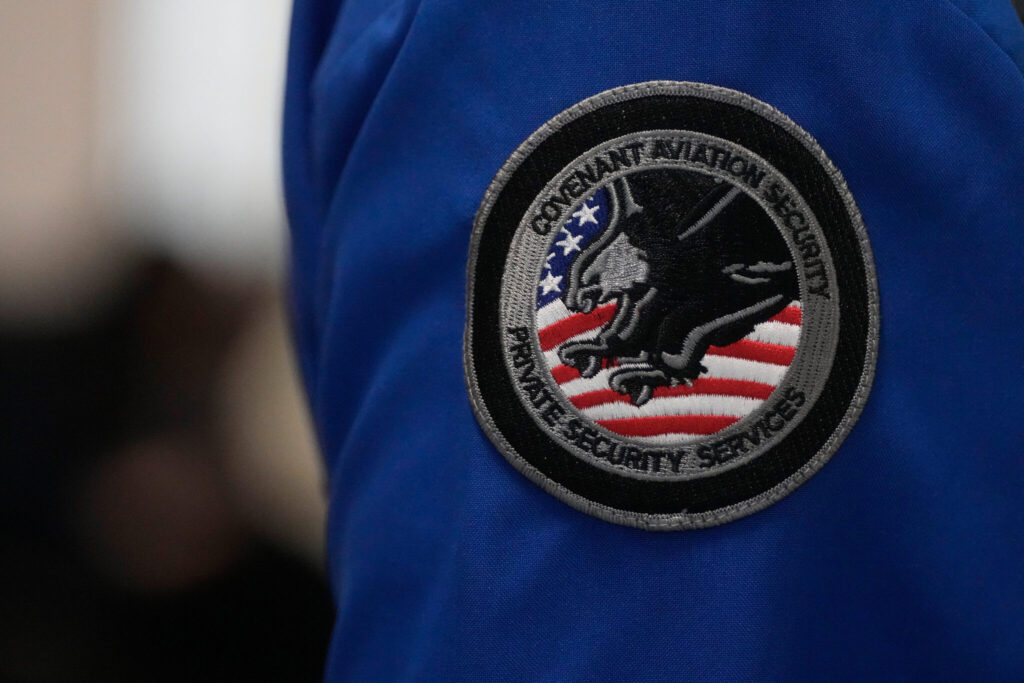
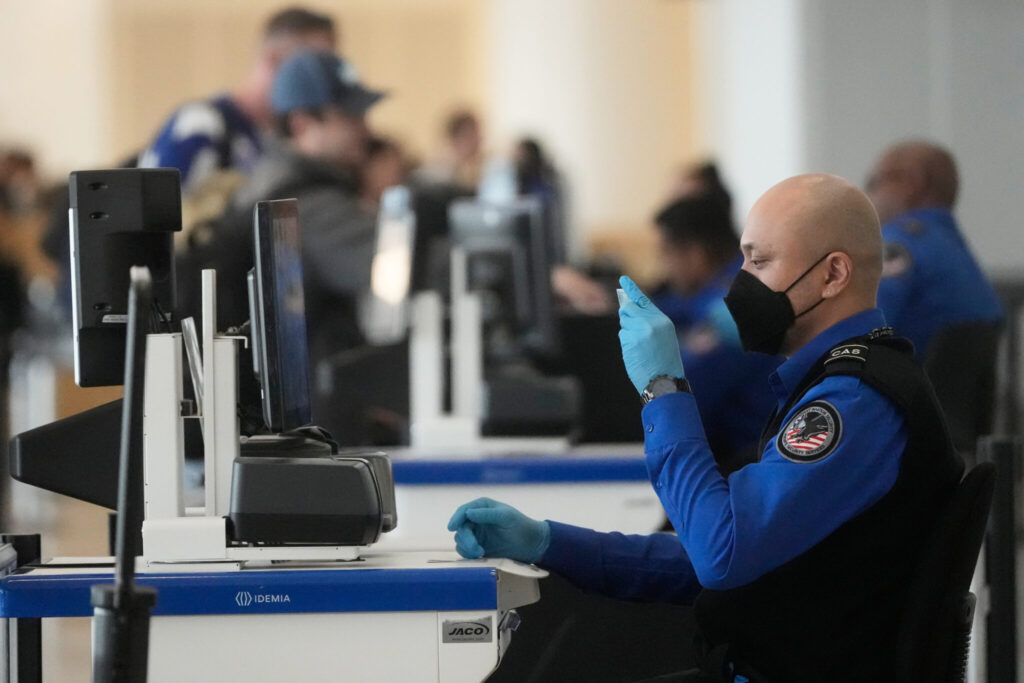
The airport is among roughly two dozen U.S. airports that use private contractors instead of federal TSA employees to staff security checkpoints.
Those contractors operate under the TSA’s Screening Partnership Program, which allows airports to outsource screening operations while the federal agency still sets rules and oversees security procedures.
Because the contractors are paid through federal contracts already funded in advance, they typically continue receiving pay during shutdowns.
That arrangement can help maintain staffing levels even when government operations stall.
“The money’s already been allocated,” said Doug Yakel, a spokesperson for San Francisco International Airport. “Payments continue without interruption.”
The airport maintained normal security operations during the last major shutdown, which lasted 43 days.
How the Program Works
Under the TSA’s partnership program, the federal government selects private companies to operate airport checkpoints.
These contractors must meet the same background checks, medical standards and training requirements as federal TSA officers.
Despite being privately employed, they still follow TSA procedures and operate under federal supervision.
Airports currently participating in the program include:
- San Francisco International Airport
- Kansas City International Airport
- Atlantic City International Airport
- Orlando Sanford International Airport
However, the vast majority of the country’s approximately 400 commercial airports rely on federal TSA officers.
Travel Pressure During Busy Season
The timing of the shutdown is especially problematic because it coincides with one of the busiest travel periods of the year.
Airlines and airports are preparing for heavy spring break travel, and staffing shortages at checkpoints could slow security screening and cause flight delays.
When TSA workers are forced to work without pay, absenteeism can increase, putting additional strain on airport operations.
Travel disruptions can quickly cascade across airline schedules, especially during peak travel periods.
Experts See Privatization as a Possible Solution
Some aviation experts believe expanding privatized screening could help reduce disruptions caused by government shutdowns.
Sheldon Jacobson, a University of Illinois professor whose research helped shape the TSA PreCheck program, said San Francisco International Airport demonstrates that the model can work even at large airports.
“If SFO is the litmus test for delivering this privatized product, then many other airports can do it too,” Jacobson said.
He argued that government shutdowns could serve as an opportunity to reevaluate how airport security services are delivered.
Jacobson noted that private contractors would still operate under federal oversight, meaning security standards would remain consistent.
Union Pushback
Despite the potential benefits, TSA employee unions strongly oppose privatization.
The American Federation of Government Employees, which represents TSA officers, argues that outsourcing security operations could weaken job protections and reduce pay and benefits.
Union leaders also warn that private companies could cut costs by reducing training or staffing levels.
They point out that Congress created the TSA after the September 11 attacks specifically to establish consistent national security standards across airports.
“We will never advocate for any privatization of federal employees,” said Johnny Jones, a leader in the TSA union.
Alternative Solutions Proposed
Some travel industry groups believe there are easier solutions than privatizing airport security.
Organizations including the U.S. Travel Association, Airlines for America, and the American Association of Airport Executives are urging Congress to ensure aviation workers continue receiving pay during shutdowns.
They argue that guaranteeing pay would prevent staffing shortages while maintaining the federal workforce.
“Every time Washington fails to fund the government, these essential workers pay the price,” said U.S. Travel Association President Geoff Freeman.
Political Debate Over TSA’s Future
Some Republican lawmakers have gone further, proposing to eliminate the TSA entirely and replace its screening functions with private contractors.
Last year, senators introduced the Abolish TSA Act, which would dismantle the agency and transfer oversight to a new federal office responsible for aviation security.
Supporters argue that private screening could improve efficiency and reduce the impact of political funding disputes.
TSA officials have indicated they are open to discussing potential changes.
During a congressional hearing last year, a senior TSA official said the agency is willing to consider privatization proposals if they improve security and efficiency.
Balancing Efficiency and Security
For now, the debate continues between those who favor expanding private screening and those who believe federal oversight should remain central to airport security.
Experts say the most important priority is maintaining strong security standards while ensuring airport checkpoints operate smoothly — especially during high-travel periods.
“The real issue is making sure any partner upholds TSA’s strict standards,” said airline industry analyst Henry Harteveldt.
As government shutdowns continue to disrupt federal operations, the question of whether privatization could stabilize airport security may remain a key issue in U.S. aviation policy.