US To Release 172 Million Barrels From Oil Reserve/ Newslooks/ WASHINGTON/ J. Mansour/ Morning Edition/ The Trump administration plans to release 172 million barrels of oil from the Strategic Petroleum Reserve to counter soaring energy prices. The move is part of a coordinated effort with the International Energy Agency to stabilize global oil markets during the Iran conflict. Officials hope the emergency supply release will ease market pressure as shipments through the Strait of Hormuz remain disrupted.
Strategic Oil Reserve Release Quick Looks
- The U.S. will release 172 million barrels of crude oil from the Strategic Petroleum Reserve.
- The release will begin next week and last about 120 days.
- It is part of a 400-million-barrel global release coordinated by the International Energy Agency.
- The move aims to reduce oil prices rising amid the Iran war.
- Iranian attacks on tankers have disrupted traffic in the Strait of Hormuz.
- The U.S. reserve currently holds about 415 million barrels of oil.
- The United States consumes roughly 20 million barrels of oil per day.
- Officials say the reserve can release up to 4.4 million barrels daily, though actual rates may be lower.
- The administration plans to refill the reserve with 200 million barrels later.
- Oil prices remained near $94 per barrel after the announcement.
Deep Look
U.S. Plans Major Oil Reserve Release
The Trump administration announced Wednesday that the United States will release 172 million barrels of crude oil from the Strategic Petroleum Reserve (SPR) in an effort to curb surging energy prices linked to the war involving Iran.
The drawdown represents one of the most aggressive steps taken so far by the administration to stabilize oil markets since the conflict began.
President Donald Trump said the move is designed to bring prices down while the global energy market remains disrupted.
“We’ll reduce it a little bit, and that brings the prices down,” Trump said during an interview with a Cincinnati television station.
Part of Global Emergency Oil Release
The U.S. decision comes as part of a broader international effort.
Members of the International Energy Agency (IEA) — including the United States, Japan, Germany, France and the United Kingdom — have agreed to collectively release 400 million barrels of oil from emergency reserves.
The coordinated action marks the largest emergency oil release in the organization’s history.
Energy officials hope the move will offset supply disruptions caused by the escalating conflict in the Middle East.
Iran Conflict Disrupts Global Oil Supply
The war has significantly affected global energy markets.
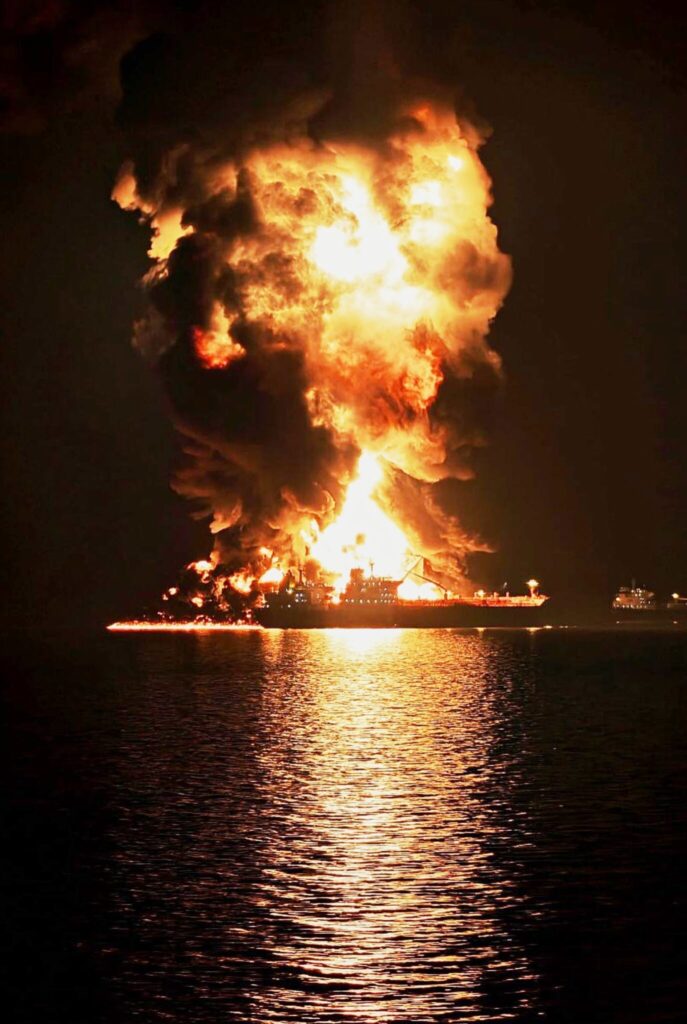
Iranian attacks on commercial vessels and oil infrastructure have disrupted shipping through the Strait of Hormuz, one of the world’s most critical energy chokepoints.
Roughly 20% of global oil shipments normally pass through the narrow waterway connecting the Persian Gulf to international markets.
As tankers avoid the region due to security risks, oil supplies have tightened and prices have surged to multi-year highs.
Release To Begin Next Week
Energy Secretary Chris Wright said the U.S. oil drawdown will begin next week and will take roughly 120 days to complete.
The oil will be gradually released into global markets to help increase supply and stabilize prices.
Despite the announcement, crude oil futures remained elevated at around $94 per barrel in evening trading.
Energy markets have remained volatile as the conflict continues and uncertainty persists about how long shipping disruptions will last.
Strategic Reserve Holds 415 Million Barrels
The Strategic Petroleum Reserve currently contains about 415 million barrels of oil, according to the U.S. Department of Energy.
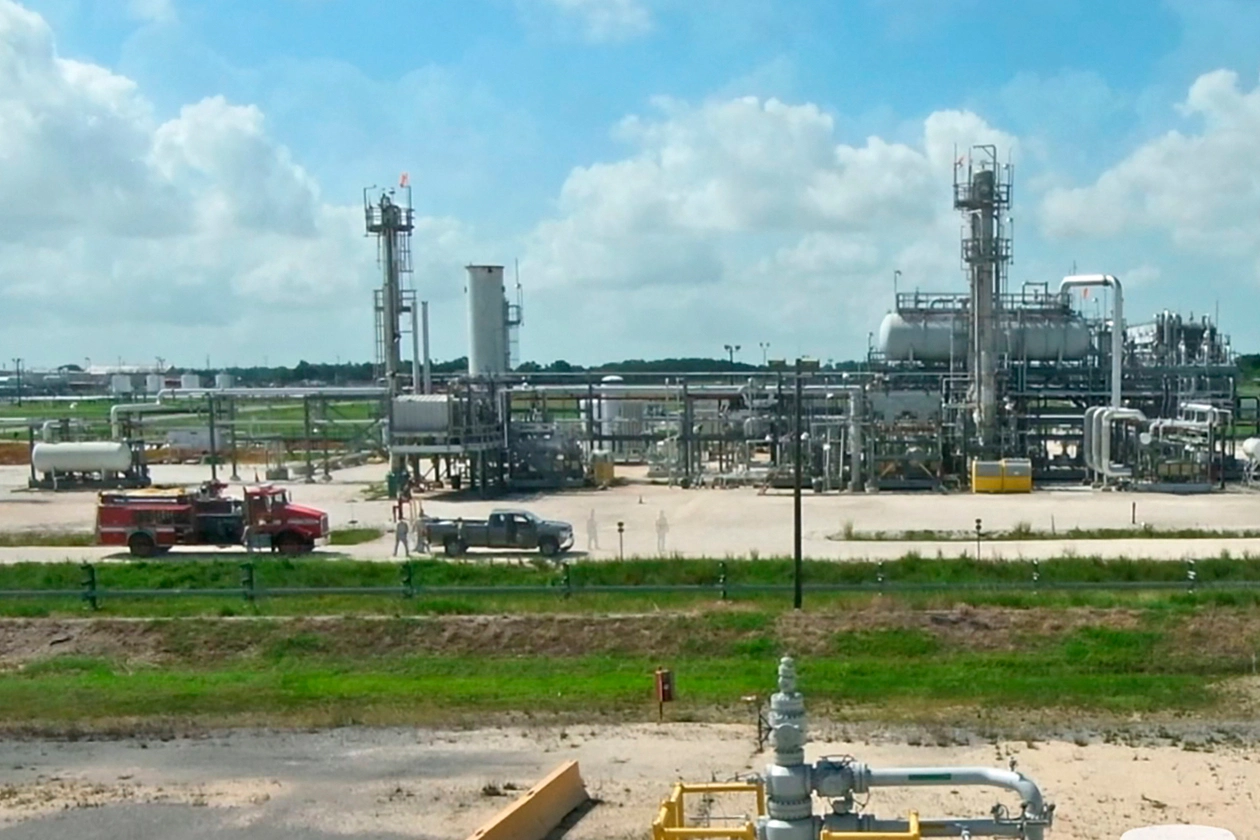
The reserve — stored in large underground salt caverns in Texas and Louisiana — serves as the nation’s emergency oil supply.
It was originally created in the 1970s after the Arab oil embargo to protect the U.S. economy from sudden supply shocks.
The United States consumes about 20 million barrels of oil per day, roughly the same volume that typically flows through the Strait of Hormuz.
Debate Over Reserve Use
The decision to tap the reserve marks a shift for the Trump administration.
Earlier, officials had indicated they were reluctant to use the emergency supply.
Trump had previously criticized the Biden administration’s use of the reserve in 2022, when oil was released to stabilize markets after Russia’s invasion of Ukraine.
Energy Secretary Wright argued that the current action still aligns with the administration’s long-term energy strategy.
He said the administration plans to refill the reserve with approximately 200 million barrels within the next year, more than the amount being released.
Physical Limits May Slow Release
The Energy Department says the reserve has the technical capacity to release up to 4.4 million barrels of oil per day within about two weeks of a presidential order.
However, some analysts believe the actual flow rate could be closer to 2 million barrels per day due to logistical and infrastructure limitations.
Port capacity, pipeline availability and storage infrastructure can all affect how quickly oil reaches global markets.
Officials Expect Shipping To Resume
Administration officials say they believe the disruption to global oil shipments may not last long.
Energy Secretary Wright said he expects traffic through the Strait of Hormuz to resume within weeks.
“I think we will have the straits open well before then,” Wright said during a television interview.
Until shipping returns to normal, however, global oil markets are expected to remain sensitive to developments in the conflict.