Cuban President Reveals Recent Talks With United States/ Newslooks/ WASHINGTON/ J. Mansour/ Morning Edition/ Cuban President Miguel Díaz-Canel confirmed that Cuba recently held talks with the United States to address ongoing tensions. The announcement comes as the island faces a deep energy crisis and widespread power shortages. Officials say the discussions aimed to explore solutions to bilateral issues and potential areas of cooperation.
Cuba–US Talks Quick Looks
- Cuban President Miguel Díaz-Canel confirmed recent discussions with the United States.
- The talks focused on addressing bilateral tensions through dialogue.
- The announcement comes amid Cuba’s severe fuel and electricity shortages.
- U.S. officials reportedly met with Raúl Castro’s grandson during a Caribbean summit.
- Cuba has not received petroleum shipments for three months, worsening its crisis.
- Millions recently experienced major blackouts across western Cuba.
- Washington has not officially commented on the talks.
Deep Look
Cuba Confirms Talks With United States
Cuba’s president confirmed Friday that the country recently held discussions with the United States, offering the first public acknowledgment from Havana that dialogue is taking place between the longtime adversaries.
President Miguel Díaz-Canel said the talks were designed to explore ways to resolve differences between the two nations while also examining potential areas for cooperation.
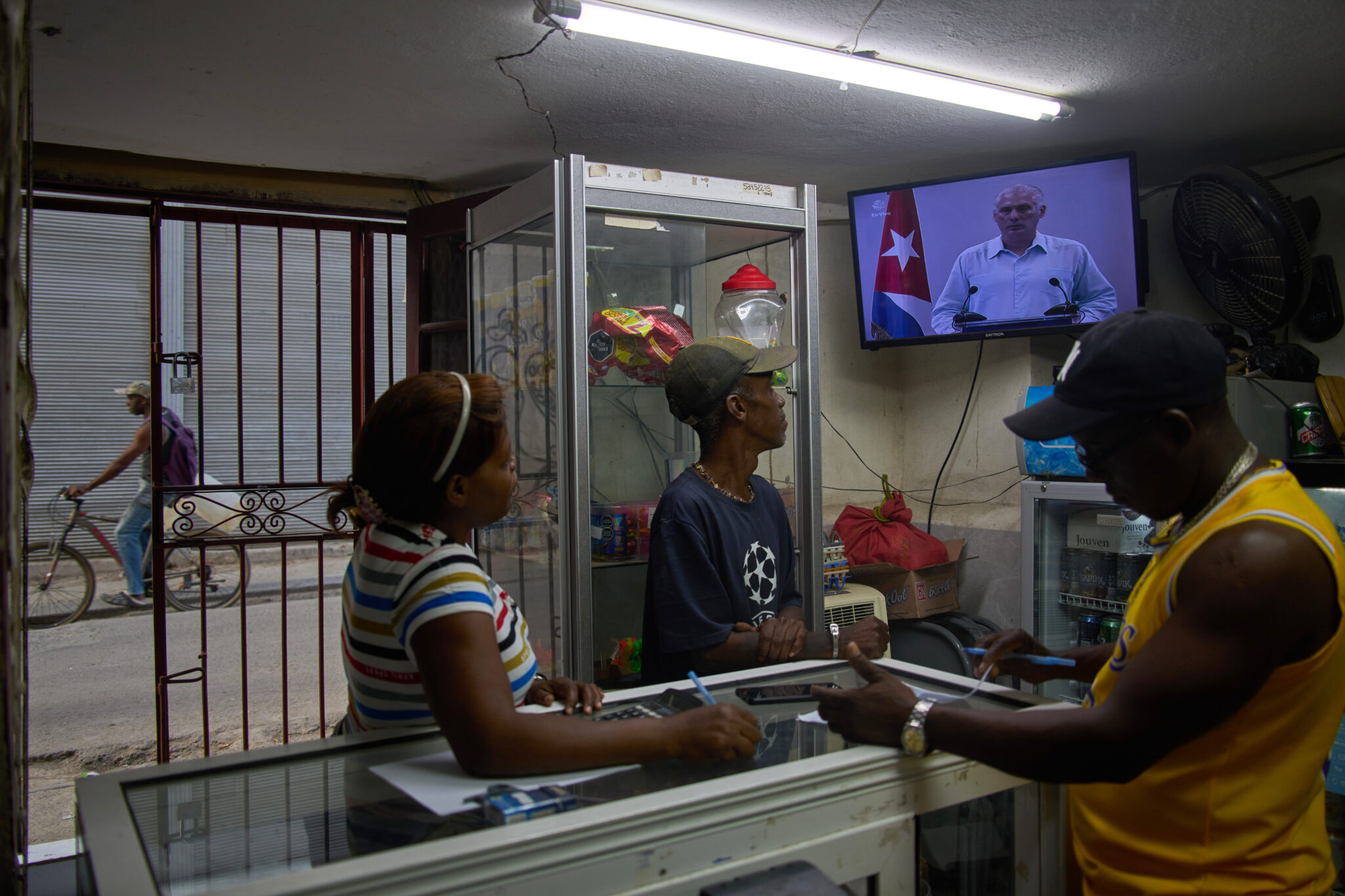
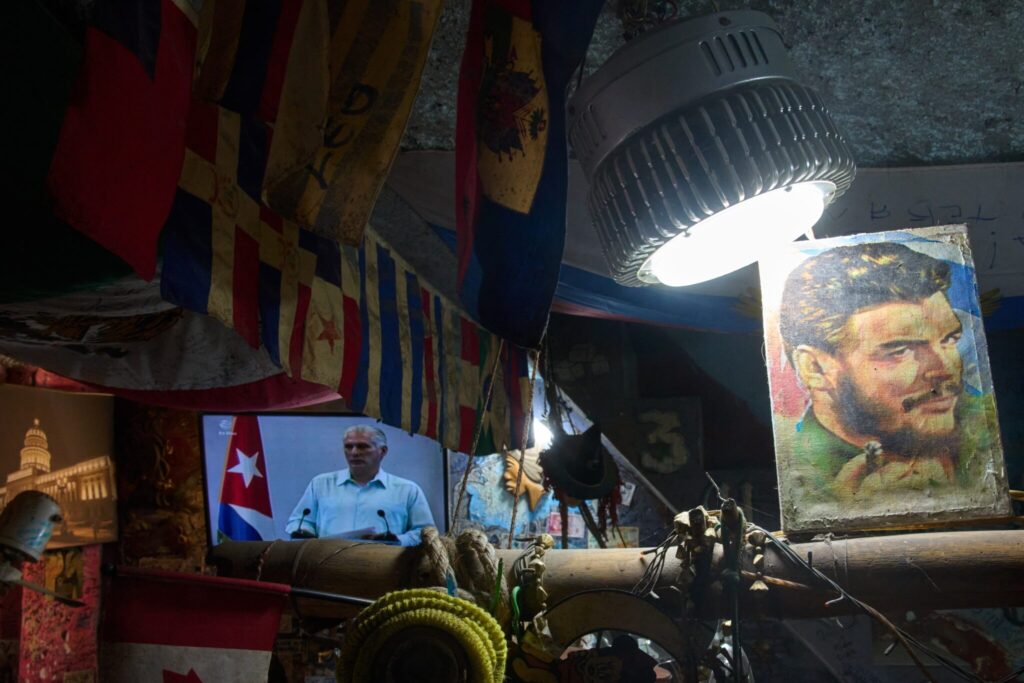
In a televised speech, Díaz-Canel said the conversations were intended to find solutions to bilateral disputes through dialogue.
“The exchanges were aimed at finding solutions through dialogue to the bilateral differences between our two nations,” he said, adding that international factors helped facilitate the discussions.
The Cuban leader did not provide details about when or where the meetings occurred or what specific issues were discussed.
Secret Meeting Reported In Caribbean
Shortly after Díaz-Canel’s announcement, U.S. officials confirmed that Secretary of State Marco Rubio recently met privately with a relative of Cuba’s former leader.
According to two U.S. officials familiar with the discussions, Rubio held a discreet meeting with Raúl Guillermo Rodríguez Castro, the grandson of retired Cuban leader Raúl Castro.
The meeting reportedly took place during a gathering of Caribbean Community leaders in St. Kitts and Nevis late last month.
Rubio had previously declined to comment on whether he had met with Cuban representatives during the summit.
The U.S. State Department has not issued an official statement about the reported talks.
Cuba’s Energy Crisis Deepens
The discussions come as Cuba struggles through one of its most severe energy shortages in years.
Díaz-Canel said the island has not received any petroleum shipments in the past three months, which he blamed on what he described as an energy blockade imposed by the United States.
Without imported fuel, Cuba has been forced to rely heavily on natural gas, solar energy and aging thermoelectric plants to generate electricity.
However, dwindling supplies of fuel oil and diesel have forced some power plants to shut down, limiting electricity production across the country.
Last week, western Cuba experienced a massive blackout that left millions of residents without power.
The Cuban president said the country produces about 40% of its petroleum domestically, but that production is insufficient to meet national demand.
Impact On Daily Life
The energy shortages have affected many aspects of daily life on the island.
Díaz-Canel said the lack of reliable electricity has disrupted communications, transportation and education systems.
Hospitals have also been affected. The president said thousands of medical procedures have had to be postponed due to energy shortages.
“The impact is tremendous,” he said.
The crisis has forced the government to adopt emergency measures to keep essential services running.
More than 115 bakeries across Cuba have switched to firewood or coal for cooking due to the lack of fuel.
Authorities have also begun expanding solar power installations. Díaz-Canel said 955 solar panels have been installed in rural homes and community centers, and additional solar systems expected to come online later this month could add about 100 megawatts of power to the national grid.
Still, the president acknowledged that renewable energy alone cannot solve the crisis.
“Even with everything we’re putting together, we still need oil,” he said.
Economic Strain
The energy shortage is also weakening Cuba’s economy.
Industrial production has slowed as factories struggle to operate without consistent electricity supplies.
“Without energy, no country can produce at normal levels,” Díaz-Canel said.
He added that businesses and government agencies have been forced to adjust work schedules and employment levels because of the energy shortages.
Public Reaction In Cuba
Many Cubans closely followed the president’s remarks about the talks with the United States, hoping the discussions might lead to improvements in their daily lives.
Some residents expressed cautious optimism.
“Elvis Hernández, 62, said Cubans are desperate for solutions.”
“You can’t live without water or electricity,” Hernández said. “If there are talks, let them be productive.”
Others said any agreement between the two governments could help ease the economic pressures currently facing the island.
Miguel García, a 65-year-old resident, said improved relations could bring relief.
“If all of this leads to agreements and solutions that improve our lives, that would be very good,” he said.
Trump Administration Warnings
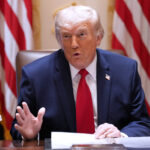
The talks come as U.S. President Donald Trump has taken a tougher tone toward the Cuban government.
Trump has publicly suggested that the United States could pursue major political changes in Cuba.
During a recent meeting with Latin American leaders in Florida, he warned that the island’s leadership was running out of options.
“They have no money, they have no oil,” Trump said, criticizing the country’s political system and leadership.
For years, Cuba relied heavily on oil shipments from Venezuela. However, those shipments stopped after the United States launched military operations against Venezuela and arrested its former president Nicolás Maduro.
Regional Diplomacy
Mexico has also been involved in regional diplomatic discussions related to Cuba’s crisis.
Mexican President Claudia Sheinbaum said her government supports dialogue between Washington and Havana.
“This dialogue is essential,” Sheinbaum said Friday.
She added that Mexico is exploring options to provide oil assistance to Cuba and intends to continue supporting the Cuban population.
Security Cooperation
During the news conference following his speech, Díaz-Canel also addressed a recent security incident involving a Florida-registered boat that entered Cuban waters.
Cuban authorities said their troops opened fire after the occupants allegedly fired at them first. Four people were killed in the incident, and another later died from injuries.
The president said the FBI will soon visit Cuba as both countries exchange information related to the case.
Five remaining suspects are being held in Cuba and face terrorism charges.
Prisoner Release Announcement
Díaz-Canel also confirmed that Cuba plans to release 51 prisoners soon.
The decision, he said, reflects a gesture of goodwill and stems from discussions involving the Vatican.
The president emphasized that the move was made voluntarily.
“It is a sovereign practice,” Díaz-Canel said. “No one imposes it on us.”