Republicans Show Little Urgency Funding Iran War/ Newslooks/ WASHINGTON/ J. Mansour/ Morning Edition/ Republican lawmakers say there is no immediate need to approve additional funding for the U.S. military campaign in Iran. The war is reportedly costing the Pentagon nearly $1 billion per day, but the White House has not yet formally requested supplemental funding. Democrats and some Republicans remain skeptical about expanding spending for a conflict that faces growing political opposition.
Iran War Funding Debate Quick Looks
- The Iran war is estimated to cost nearly $1 billion per day.
- Republicans say the White House has not yet justified a need for more funding.
- A potential supplemental spending request may arrive later this month.
- Democrats are expected to oppose additional war funding.
- The Pentagon reportedly spent about $11 billion in the first week of the conflict.
- At least seven Democratic votes would be needed to advance a funding bill in the Senate.
- Public opinion polls show growing skepticism toward the war.
Deep Look
Republicans Show Little Urgency on Iran War Funding
Republican lawmakers in Congress say they are not rushing to approve additional funding for the ongoing U.S. military campaign against Iran, even as the conflict consumes billions of dollars from the Pentagon’s budget.
Although the war is estimated to cost nearly $1 billion per day, GOP leaders say the Trump administration has not yet made the case that additional funding is immediately necessary.
Without that justification, lawmakers appear reluctant to increase the Pentagon’s already massive $1 trillion defense budget.
White House Faces Political Hurdles
The White House is expected to eventually request a supplemental funding package to cover the escalating costs of the war. However, such a proposal could face significant obstacles in Congress.
Republicans say the administration has yet to provide detailed explanations about the financial needs of the military operation.
Sen. John Boozman, a Republican member of the Senate Appropriations Committee’s defense panel, said lawmakers first need to understand why extra funding is required.
“I don’t think there is any urgency at this moment,” Boozman said. “The urgency is in starting to educate Congress as to why we need a supplemental at all.”
Funding Request Still Being Prepared
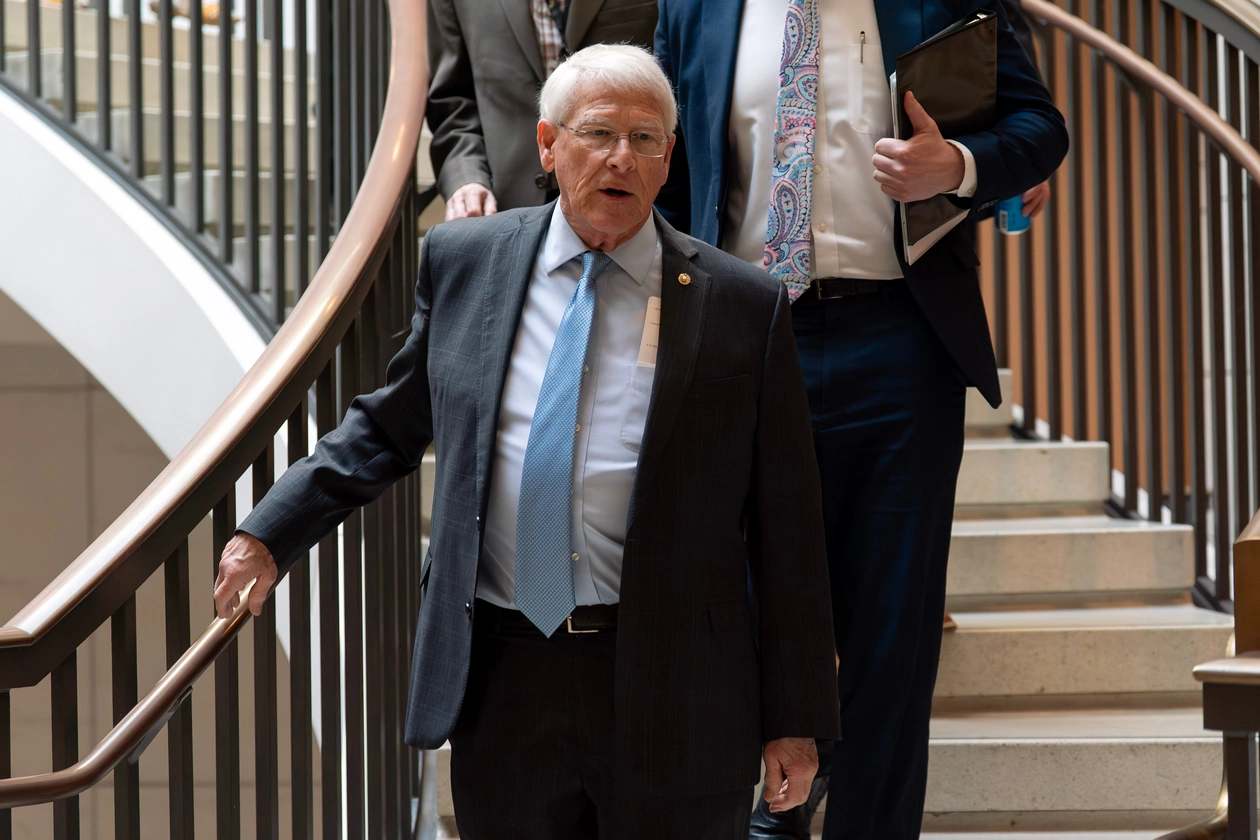
Senate Armed Services Committee Chair Roger Wicker said the administration’s supplemental funding request is still being assembled and may not reach Congress until late March at the earliest.
Even once it arrives, lawmakers do not expect the proposal to move quickly through Congress.
Some appropriators predict the process could take weeks or even months, depending on the size of the request and political support for the war.
Sen. Jerry Moran, a Republican appropriator from Kansas, said lawmakers should review the request carefully.
“Even if the department doesn’t need the money right away, it would be good for Congress to have oversight on how it is being spent,” Moran said.
Early Costs Already High
Defense officials say the conflict is already generating enormous costs.
Acting Pentagon budget chief Jay Hurst told lawmakers that the first week of military operations alone cost about $11 billion.
Those expenses include high-cost munitions, extensive air operations and large deployments of personnel and equipment across the region.
Democrats Likely To Block Proposal
Any funding bill faces additional challenges in the Senate because Democrats hold the power to block legislation that lacks broad support.
Under Senate rules, major bills require 60 votes to advance, meaning Republicans would need at least seven Democrats to support a supplemental war funding package.
Many Democratic lawmakers say they are unwilling to approve more money for a conflict they oppose.
Sen. Chris Coons of Delaware said Democrats are concerned that a supplemental spending bill could effectively authorize the war without proper debate.
“There will be broad resistance in the Democratic caucus to allowing a supplemental to serve as a back-door authorization of war,” Coons said.
He also criticized the administration for failing to address the nation directly about the conflict.
Some Republicans Also Oppose Funding
Even within the Republican Party, support for additional war funding is not unanimous.
Sen. Rand Paul of Kentucky said he plans to oppose any supplemental funding request tied to the Iran conflict.
Paul said rising energy prices caused by the war are already hurting farmers in his state.
“I’m against borrowing money from China to finance the war in the Middle East,” he said.
His opposition means Republican leaders would need even more Democratic support to pass a funding bill.
Political Pressure Mounting
The administration also faces political pressure as the war continues.
Recent public opinion surveys suggest many Americans are skeptical of the conflict, particularly as energy prices rise.
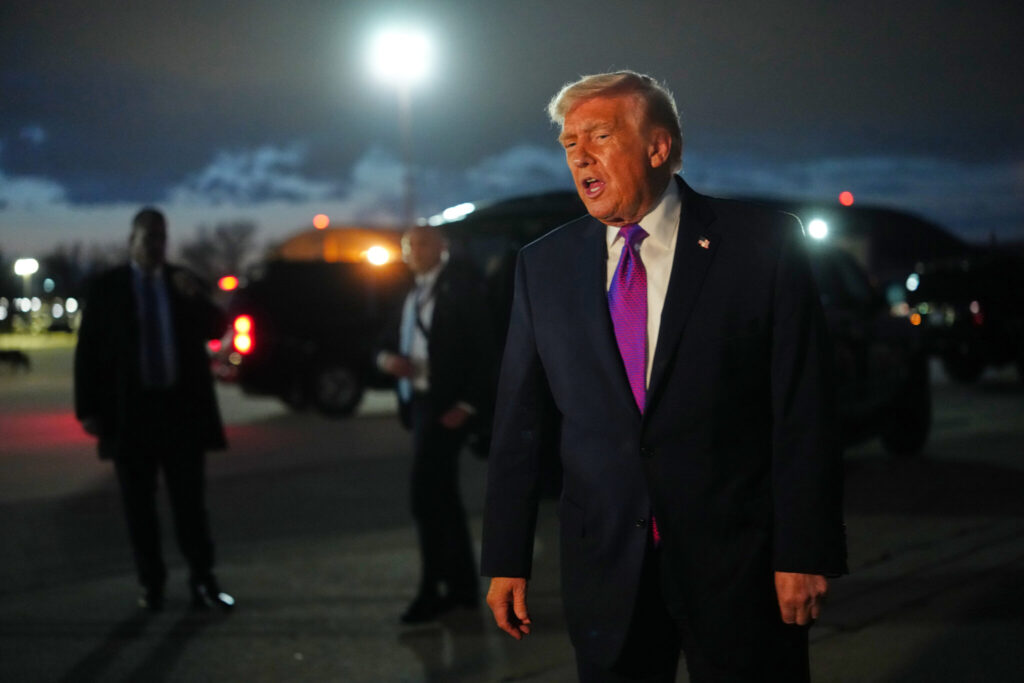
Some voters within President Donald Trump’s political base have expressed concern that the war is distracting from domestic priorities.
At the same time, the financial cost of the war continues to grow rapidly as U.S. forces carry out thousands of hours of airstrikes using expensive aircraft and weapon systems.
Future Funding Depends on War’s Progress
Some lawmakers say the chances of approving additional funding will depend on how the conflict evolves.
Sen. Jack Reed, the top Democrat on the Senate Armed Services Committee, said rising fuel prices and growing casualties could make lawmakers hesitant to expand spending.
“A lot of it depends upon the environment,” Reed said. “If we’re seeing incredible increases in gas prices and the conflict is getting more costly, people will be very reluctant.”
Still, some Republicans argue that if U.S. troops remain deployed in the region, Congress will eventually need to provide additional resources.
Sen. Thom Tillis of North Carolina said lawmakers cannot ignore the reality that tens of thousands of American personnel remain stationed in the Middle East.
“We’re there, and we have to sustain it,” Tillis said. “The last thing we want to do is not have the resources to keep the region as settled as possible.”