Trump Says He is Reviewing a New Iranian Proposal to End The War/ Newslooks/ WASHINGTON/ J. Mansour/ Donald Trump is reviewing a new Iranian proposal to end the war. A fragile ceasefire remains in place as negotiations continue. Tensions persist with sanctions, executions, and human rights concerns.
Trump Iran Proposal Ceasefire Quick Looks
- Trump reviewing new Iranian proposal via Pakistan
- Ceasefire between U.S. and Iran holding for weeks
- Strait of Hormuz tensions continue amid sanctions
- U.S. warns shipping firms over Iran payments
- Human rights concerns rise over jailed activist
- Iran continues executions tied to espionage claims
Deep Look
Trump Reviews New Iranian Proposal
President Donald Trump said he is reviewing a fresh proposal from Iran aimed at ending the ongoing conflict between the two nations. The proposal, reportedly consisting of 14 points, was delivered through Pakistan, which has been acting as a mediator in negotiations.
“I’ll let you know about it later,” Trump said.
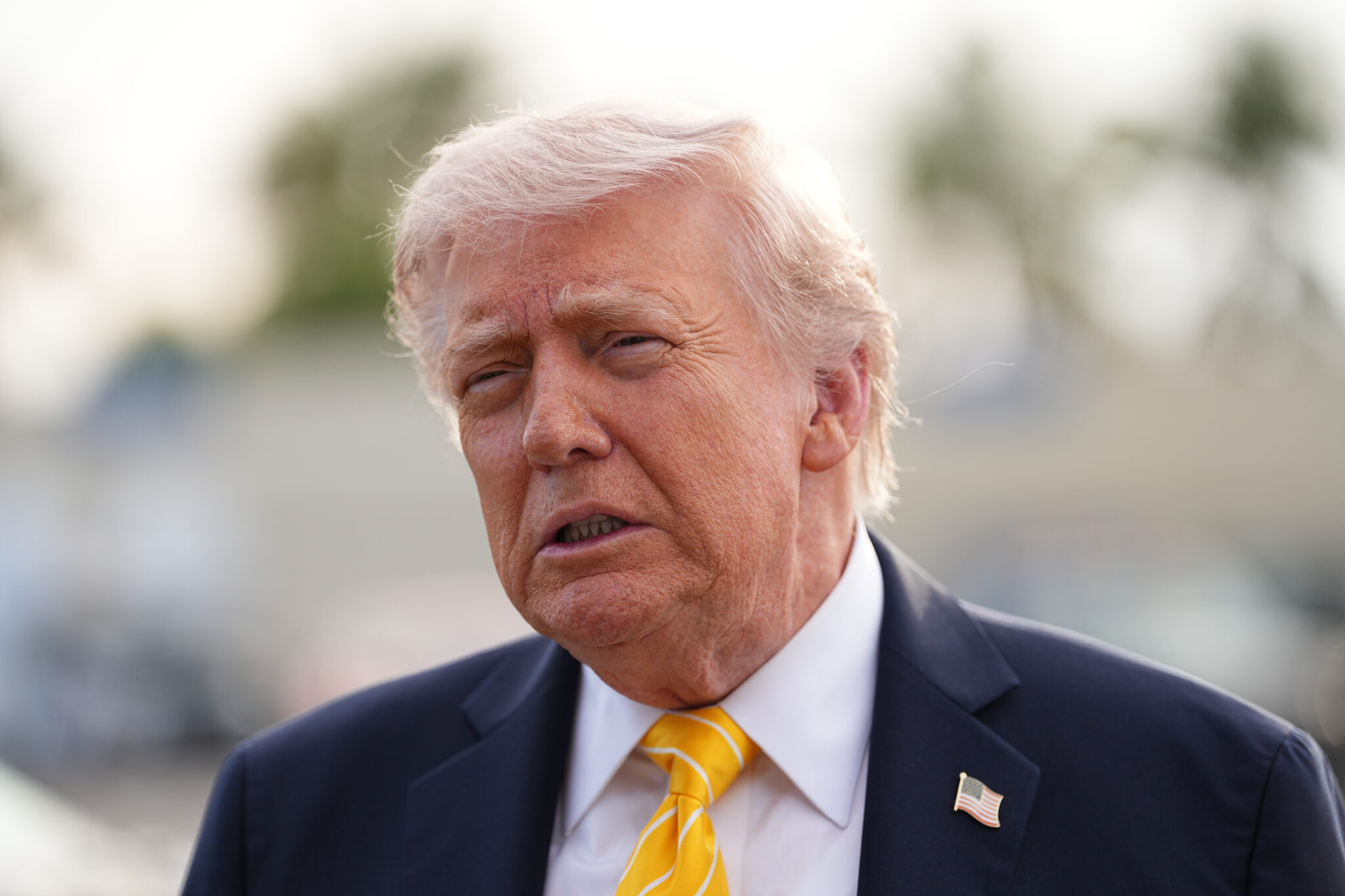
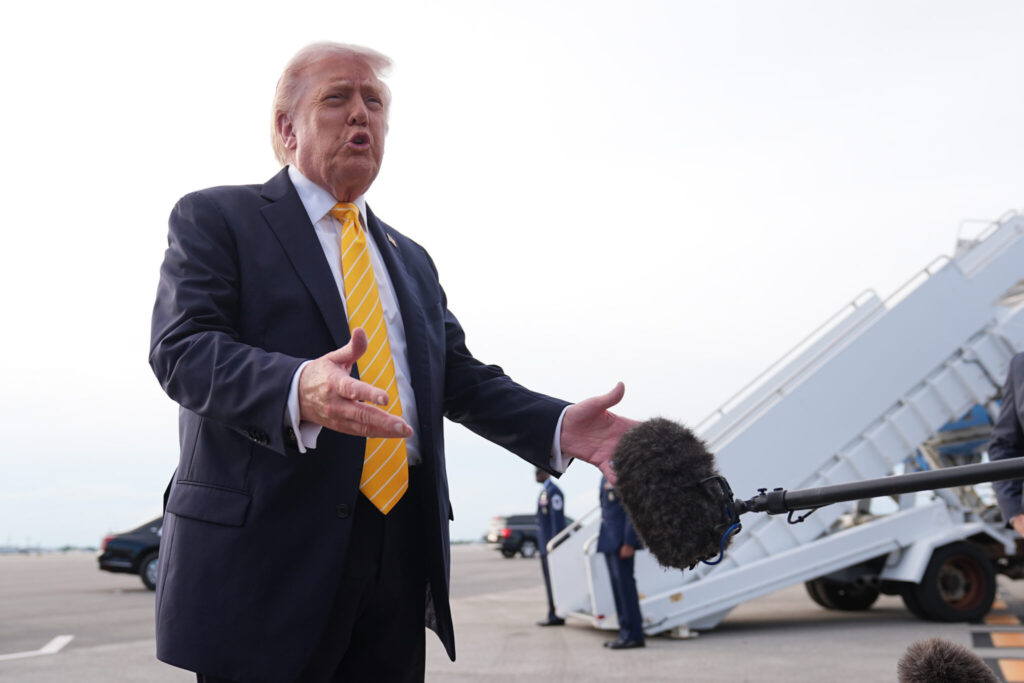
Donald Trump told reporters on Saturday he discussed a potential deal with Iran and will review the “exact wording” aboard Air Force One en route to Miami International Airport.
“They told me about the concept of the deal. They’re going to give me the exact wording now,” Trump said. “… We’re doing very well with regard to Iran. Again, they want to make a deal. They are decimated.”
“… If we left right now, it would take them 20 years to rebuild,” he continued. “But we’re not leaving right now. We’re going to do it so nobody has to go back in two years or five years.”
Trump added the regime is “having a hard time figuring out who their leader is,” and said there is a possibility the U.S. could restart military strikes on targets.
The development comes after Trump rejected a previous Iranian offer earlier in the week, signaling ongoing difficulties in reaching a comprehensive agreement.
Ceasefire Holds as Talks Continue
Despite setbacks in negotiations, a fragile ceasefire between the United States and Iran has held for approximately three weeks. While both sides have accused each other of violations, there has been no major return to active combat.
Trump has also floated new ideas to ease tensions, including a potential plan to reopen the Strait of Hormuz — a critical global trade route through which a significant portion of the world’s oil and natural gas flows.
The continuation of talks suggests that both sides remain open to a negotiated resolution, even as disagreements persist.
US Intensifies Economic Pressure
At the same time, the United States is maintaining economic pressure on Iran through sanctions and maritime enforcement.
Officials have warned global shipping companies that they could face penalties for paying Iran to transit the Strait of Hormuz.
The warning applies to a wide range of payment methods, including “digital assets, offsets, informal swaps, or other in-kind payments.”
Additionally, the U.S. has enforced a naval blockade of Iranian ports since mid-April. According to military officials, dozens of commercial vessels — now totaling at least 48 — have been turned back to ensure compliance.
These measures aim to restrict Iran’s access to vital oil revenues and strengthen U.S. leverage in negotiations.
Human Rights Concerns Escalate

Alongside geopolitical tensions, concerns about human rights in Iran have intensified.
Nobel Peace Prize laureate Narges Mohammadi remains hospitalized after suffering a serious health crisis. Her condition has been described as “very high risk,” with family members and advocates calling for urgent medical treatment.
Her husband, Taghi Rahmani, said authorities are blocking her transfer to a specialized hospital in Tehran.
“She has the mental resilience for imprisonment, but her body does not have the readiness. The Ministry of Intelligence wouldn’t even mind if (she) died,” he said.
International organizations have urged Iranian authorities to act quickly, warning that her life could be at risk.
Executions Add to International Criticism
In a separate development, Iran confirmed the execution of two men accused of spying for Israel.
Authorities said the individuals had transmitted sensitive information, including details related to government figures and nuclear facilities. The executions are part of a broader crackdown, with multiple similar cases reported in recent weeks.
Human rights groups have criticized the trials, alleging a lack of transparency and due process.
Uncertain Path Forward
The situation between the U.S. and Iran remains fluid, with diplomacy, economic pressure, and regional tensions all shaping the outcome.
While the new proposal offers a potential pathway toward ending the conflict, significant obstacles remain. The success of negotiations will depend on whether both sides can find common ground on key issues.
For now, the ceasefire provides a window for diplomacy — but the risk of renewed escalation continues to loom.