Trump Says US Strikes Iran’s Kharg Island Oil Hub/ Newslooks/ WASHINGTON/ J. Mansour/ Morning Edition/ President Donald Trump said U.S. forces struck military targets on Iran’s Kharg Island, a key hub in the country’s oil export network. The attack comes as the war between Iran, the United States and Israel intensifies across the Middle East. Additional U.S. Marines and naval forces are being deployed to the region amid escalating strikes and regional instability.

US Strike On Iran’s Kharg Island Quick Looks
- U.S. forces struck military targets on Iran’s Kharg Island, Trump said.
- Kharg Island handles most of Iran’s oil exports.
- Trump warned Iran’s oil infrastructure could be targeted next.
- The U.S. is deploying 2,500 additional Marines and an amphibious assault ship.
- Iran continues missile and drone attacks across the region.
- The conflict has disrupted shipping in the Strait of Hormuz.
- Oil prices remain elevated amid fears of a global energy crisis.
Deep Look
Trump Says U.S. Struck Key Iranian Oil Hub
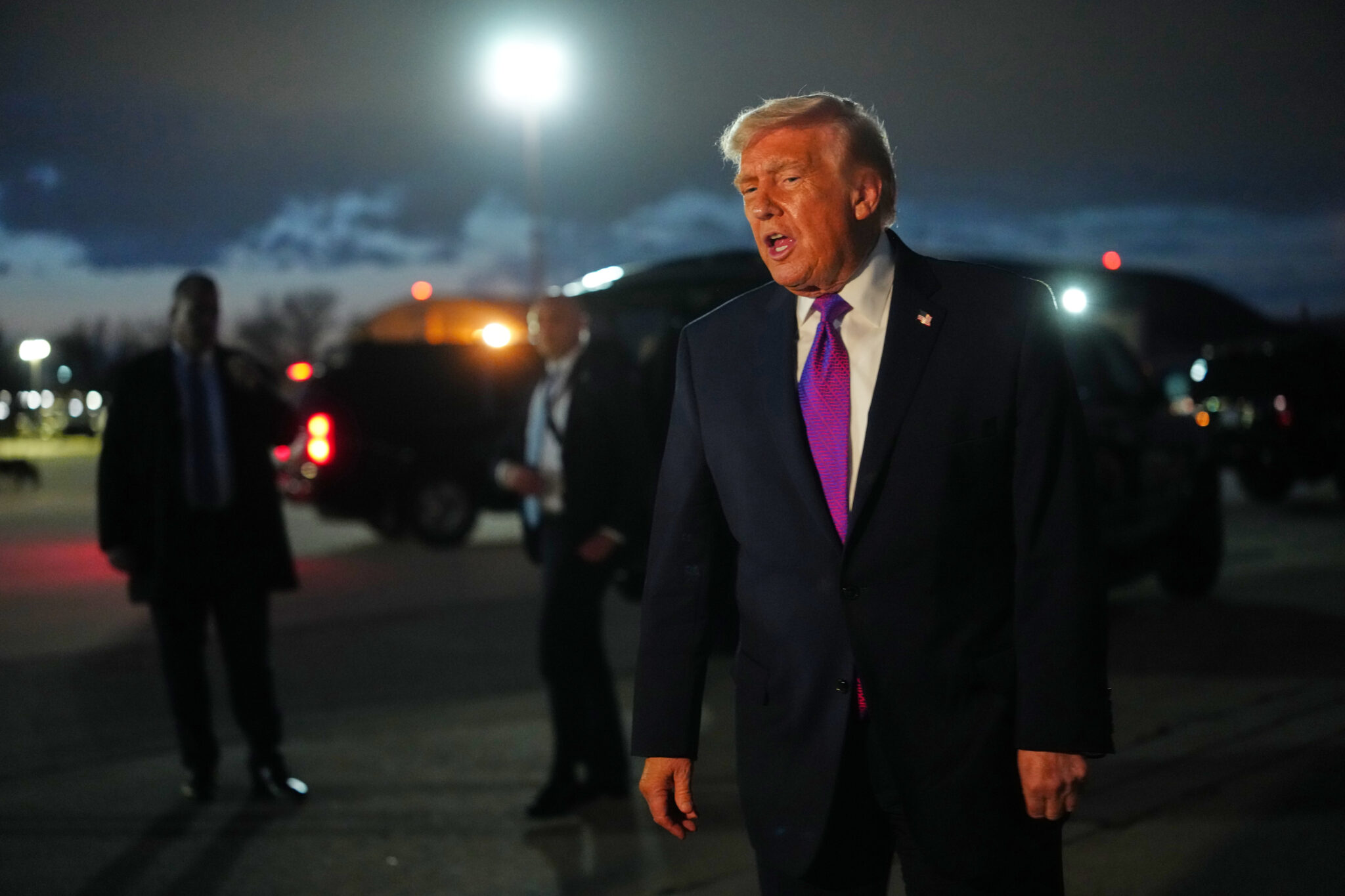
President Donald Trump said Friday that U.S. forces carried out airstrikes against military targets on Kharg Island, a strategically important location in Iran’s oil export network.
The island, located in the Persian Gulf, hosts Iran’s primary oil export terminal and plays a crucial role in the country’s economy.
Trump said American forces “obliterated” several military facilities on the island but stopped short of targeting its oil infrastructure.
In a social media post, the president warned that the situation could escalate if Iran interferes with global shipping routes.
“If Iran or anyone else interferes with the passage of ships through the Strait of Hormuz, we will reconsider wiping out the oil infrastructure,” Trump said.
Strategic Importance of Kharg Island
Kharg Island serves as the main hub for Iran’s crude oil exports and is considered one of the most vital components of the country’s energy sector.
Because of its importance, Iranian officials have previously warned that attacks on the island could trigger a major escalation.
Just a day before the strike, Iranian parliament speaker Mohammad Bagher Qalibaf warned that attacks on Iran’s southern islands would cause the country to abandon “all restraint.”
U.S. Deploys Additional Marines
As the war approaches its third week, the United States is expanding its military presence in the region.
According to a U.S. official, about 2,500 Marines from the 31st Marine Expeditionary Unit are being deployed to the Middle East along with the amphibious assault ship USS Tripoli.
Marine Expeditionary Units are rapid-response forces capable of amphibious operations, embassy security, evacuations and humanitarian missions.
Officials said the deployment does not necessarily indicate that a ground invasion is imminent.
The unit is currently based in Japan and had been operating in the Pacific Ocean before being redirected toward the Middle East.
Expanding U.S. Naval Presence
The new deployment would add to an already significant U.S. naval force operating near Iran.
Earlier this week, the U.S. Navy had 12 warships in the Arabian Sea, including the aircraft carrier USS Abraham Lincoln and several guided missile destroyers.
If the USS Tripoli joins the group, it would become the second-largest vessel in the region behind the carrier.
Meanwhile, Al-Udeid Air Base in Qatar, one of the largest American military facilities in the Middle East, hosts around 8,000 U.S. troops.
Explosion During Tehran Rally
The strikes on Kharg Island came as tensions surged inside Iran.
Earlier Friday, a large explosion rocked Ferdowsi Square in Tehran, where thousands had gathered for a state-organized Quds Day rally supporting Palestinians and condemning Israel.
Israel had warned residents to leave the area shortly before the blast.
No casualties were immediately reported.
Footage from the scene showed crowds continuing the demonstration as smoke rose nearby.
Iran’s judiciary chief Gholamhossein Mohseni Ejei was attending the rally when the explosion occurred.
Video showed security guards surrounding him while he declared that Iran would not retreat despite the attacks.
Massive Air Campaign Continues
The U.S. and Israel continue to carry out widespread strikes across Iran.
Israeli officials said their air force targeted more than 200 sites in the previous 24 hours, including missile launchers, air defense systems and weapons production facilities.
According to Israeli military figures, more than 7,600 sites inside Iran have been struck since the war began.
In Washington, Defense Secretary Pete Hegseth said U.S. forces have attacked more than 15,000 enemy targets since the start of the conflict.
“That’s over 1,000 targets per day,” he said.
Global Energy Concerns
The conflict has raised major concerns about global energy markets.
Iran has attempted to disrupt shipping through the Strait of Hormuz, a critical waterway through which about 20% of the world’s oil supply passes.
Attacks on ships and restrictions on traffic have pushed oil prices close to $100 per barrel, raising fears of a potential global energy crisis.
Despite those concerns, U.S. officials say they are working to secure the shipping route.
“We have been dealing with it,” Hegseth said.
Rising Casualties
The war has also taken a growing human toll.
The U.S. military confirmed that six crew members of a KC-135 refueling aircraft were killed when their plane crashed in Iraq.
The crash increased the total number of American service members killed in the conflict to at least 13.
Officials said the crash was not caused by hostile fire.
The KC-135 accident marks the fourth publicly acknowledged U.S. aircraft loss during operations against Iran.
Regional Fighting Intensifies
Meanwhile, the broader conflict continues to spread across the Middle East.
Iran has launched missile and drone attacks targeting Israel and Gulf states, while Hezbollah militants in Lebanon have also entered the fight.
An Israeli airstrike on a health care center in southern Lebanon killed 12 medical workers, according to Lebanese authorities.
Earlier strikes in the coastal city of Sidon killed at least eight people.
Lebanon’s Health Ministry says more than 770 people — including over 100 children — have been killed since fighting escalated between Israel and Iran-backed Hezbollah forces.
Hundreds of thousands of residents have also been displaced as the conflict expands across the region.