

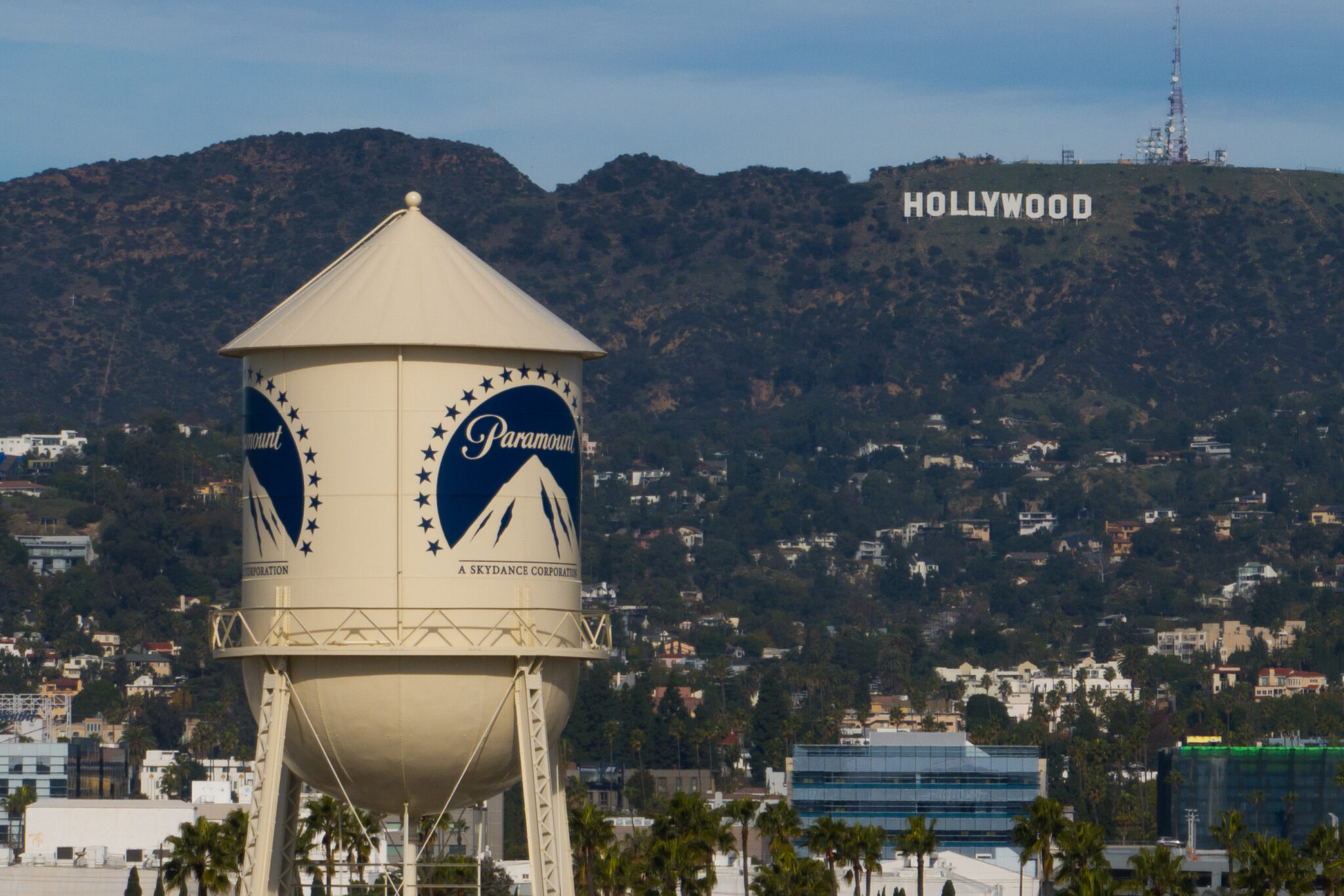
DOJ Clears Paramount Skydance Warner Merger Competition Concerns/ Newslooks/ WASHINGTON/ J. Mansour/ Morning Edition/ The U.S. Justice Department has closed its antitrust investigation into Paramount Skydance’s proposed acquisition of Warner Bros. Discovery, finding the merger unlikely to harm competition. Regulators concluded the deal could strengthen competition in streaming, television, and film production while benefiting consumers and workers. Despite federal approval, the $81 billion transaction still faces reviews from regulators in California, Europe, and the United Kingdom.
Paramount Skydance Warner Merger Quick Looks
- DOJ ended its antitrust review without challenging the merger.
- Paramount Skydance agreed to acquire Warner Bros. Discovery for $81 billion.
- Regulators believe the deal may increase competition in streaming.
- Combined content libraries could strengthen HBO Max and Paramount+.
- DOJ found no significant harm to film production or distribution competition.
- Critics warn further industry consolidation could reduce jobs.
- Thousands of entertainment professionals have opposed the deal.
- Paramount plans to maintain separate movie studio operations.
- California and international regulators continue reviewing the merger.
- Companies aim to complete the transaction during the third quarter of 2026.
Deep Look
DOJ Concludes Merger Will Not Harm Competition
A major hurdle has been cleared for Paramount Skydance’s proposed acquisition of Warner Bros. Discovery after the U.S. Department of Justice announced it has completed its antitrust investigation and will not seek to block the transaction.
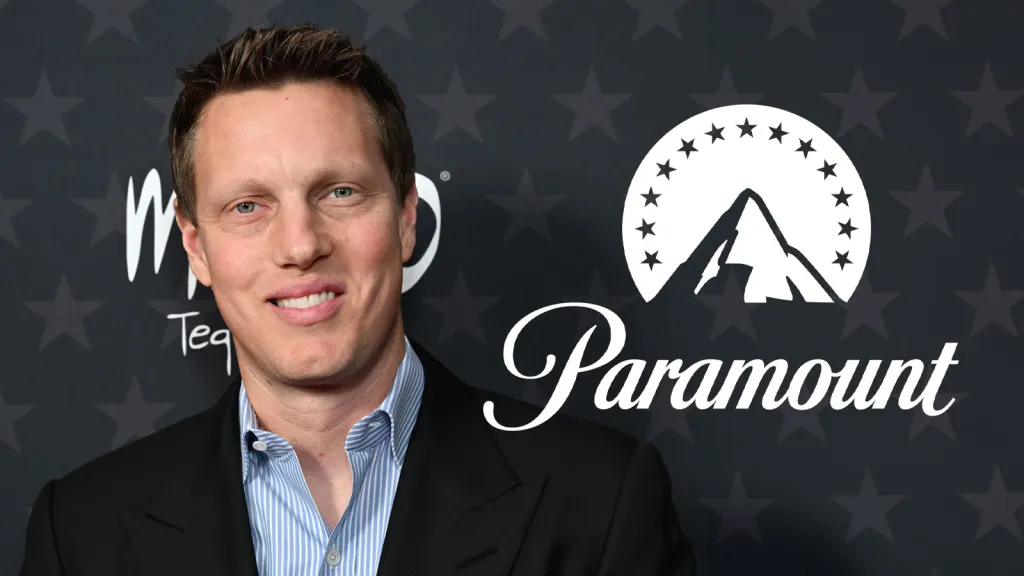
The decision marks a significant victory for media executive David Ellison and Paramount Skydance, which reached an agreement earlier this year to purchase Warner Bros. Discovery in a deal valued at approximately $81 billion.
Federal regulators concluded that the merger is unlikely to reduce competition across key sectors of the media and entertainment industry. Instead, officials said the combination could create stronger competition and provide benefits for consumers and workers.
A Landmark Deal In The Entertainment Industry
The acquisition represents one of the largest media mergers in recent history.
Paramount Skydance secured the agreement after months of negotiations and competition from other potential bidders. The deal followed Skydance’s acquisition of Paramount last year and reflects ongoing consolidation across the global entertainment business.
Supporters argue that the merger will allow the combined company to compete more effectively against dominant streaming platforms and technology-driven media giants.
The proposed transaction would unite some of the industry’s most recognizable assets, including Warner Bros., HBO, CNN, Paramount Pictures, CBS, Paramount+, and HBO Max.
Regulators Focused On Streaming Competition
One of the central issues examined by antitrust officials was whether the merger would reduce competition in the rapidly evolving streaming marketplace.
After reviewing the transaction, regulators concluded the opposite may occur.
According to the Justice Department’s findings, combining the extensive content libraries of Paramount+ and HBO Max could create a stronger alternative to larger streaming competitors and expand consumer choices.
Officials noted that the combined service could provide a more competitive platform in an increasingly crowded digital entertainment environment.
Social Media Not Considered Direct Competition
The Justice Department also examined the role of platforms such as YouTube and TikTok in the broader media landscape.
While regulators acknowledged that these services compete for audience attention, they determined that social media platforms are not direct substitutes for traditional streaming services under established antitrust standards.
As a result, the department focused its analysis primarily on traditional streaming, television, and film markets when evaluating the merger’s competitive impact.
Film Industry Concerns Addressed
Another major area of scrutiny involved the potential impact on Hollywood’s film production and distribution ecosystem.
Regulators concluded that the merger is unlikely to reduce competition among movie studios.
The Justice Department found that the entertainment industry continues to feature extensive competition among major studios and independent producers, resulting in a broad range of films reaching audiences.
Officials stated that evidence suggests strong competition and diverse film offerings are likely to continue even after the merger is completed.
Critics Warn About Industry Consolidation
Despite the federal government’s favorable assessment, opposition to the merger remains strong.
Thousands of actors, writers, directors, and entertainment professionals have expressed concerns about continued consolidation within Hollywood.
Critics argue that concentrating ownership among fewer companies could lead to job losses, reduced opportunities for creators, and fewer choices for audiences.
Labor advocates and some lawmakers have also questioned whether large-scale mergers ultimately benefit workers and consumers over the long term.
Paramount Promises Studio Independence
In response to concerns, Paramount Skydance leadership has emphasized that both Paramount Pictures and Warner Bros. will continue operating as separate film studios.
Chief Executive David Ellison has pledged to preserve each studio’s creative identity while expanding theatrical output.
The company has committed to releasing approximately 30 theatrical films annually through the combined operation, signaling a continued focus on traditional movie distribution despite the industry’s shift toward streaming.
At the same time, Paramount has acknowledged that operational efficiencies and duplication reductions will likely result in cost-cutting measures after the merger closes.
Regulatory Reviews Continue Worldwide
Although the Justice Department’s decision removes a significant obstacle, the merger has not yet received all necessary approvals.
California Attorney General Rob Bonta continues to review the transaction and has publicly raised concerns about its potential effects on competition and employment.
International regulators are also conducting their own investigations.
The European Commission is expected to issue a decision in early July, while the United Kingdom’s Competition and Markets Authority is working toward a preliminary ruling later this summer.
These reviews could still influence the final structure or timing of the acquisition.
Financial Stakes Remain High
Both companies remain eager to complete the transaction during the third quarter of 2026.
However, the agreement includes financial provisions that increase pressure to secure approval quickly.
Paramount has agreed to compensate shareholders if the merger is delayed beyond September 30 through quarterly “ticking fee” payments. The company has also committed to a substantial regulatory termination fee should the transaction ultimately fail due to approval issues.
Those provisions underscore the importance of obtaining remaining regulatory clearances in the months ahead.
What Comes Next
The Justice Department’s decision represents a major milestone for Paramount Skydance and Warner Bros. Discovery as they move closer to creating one of the world’s largest entertainment companies.
While supporters view the merger as a necessary response to changing consumer habits and growing competition from technology giants, critics continue to question whether further consolidation serves the long-term interests of Hollywood workers and audiences.
With regulatory reviews continuing on multiple fronts, the future shape of the global entertainment industry may soon depend on whether the remaining authorities reach the same conclusion as the Justice Department.






You must Register or Login to post a comment.