Suspicious Polymarket Large Bets Placed Before US-Iran Ceasefire/ Newslooks/ WASHINGTON/ J. Mansour/ Morning Edition/ New Polymarket accounts placed large bets before the U.S.-Iran ceasefire. Some traders earned hundreds of thousands in profits. Lawmakers raised concerns about possible insider trading.
Polymarket Iran Ceasefire Bets Quick Looks
- New Polymarket accounts placed large bets
- Bets made hours before ceasefire announcement
- Some traders earned $200,000 profit
- At least 50 wallets involved
- Blockchain data shows suspicious timing
- Ceasefire announced April 7
- Lawmakers raise insider trading concerns
- Prediction market regulation debate grows
- Similar betting patterns seen previously
- Contract labeled “disputed” by Polymarket
Deep Look: New Polymarket Accounts Bet Big Before Iran Ceasefire
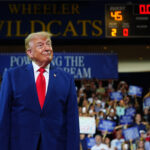
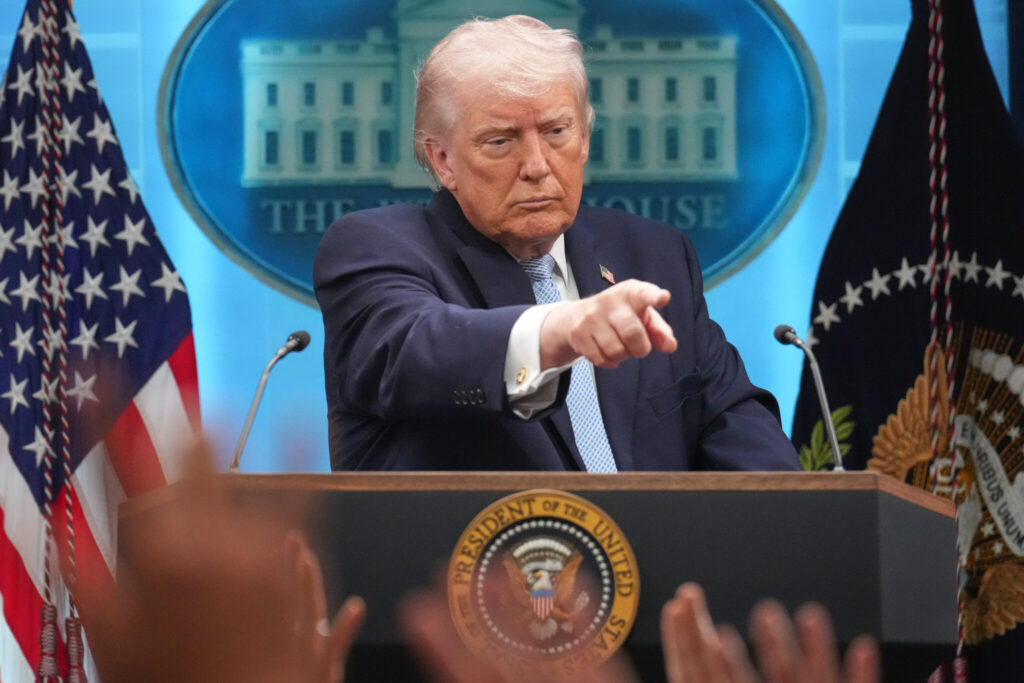
NEW YORK — A group of newly created accounts on the prediction platform Polymarket placed large, well-timed bets on a U.S.-Iran ceasefire just hours before President Donald Trump announced the agreement, raising questions about whether traders had advance knowledge of the deal.
According to an analysis of publicly available blockchain data, at least 50 newly created wallets placed “Yes” bets predicting a ceasefire on April 7. These bets were made before Trump announced the two-week ceasefire Tuesday evening on social media.
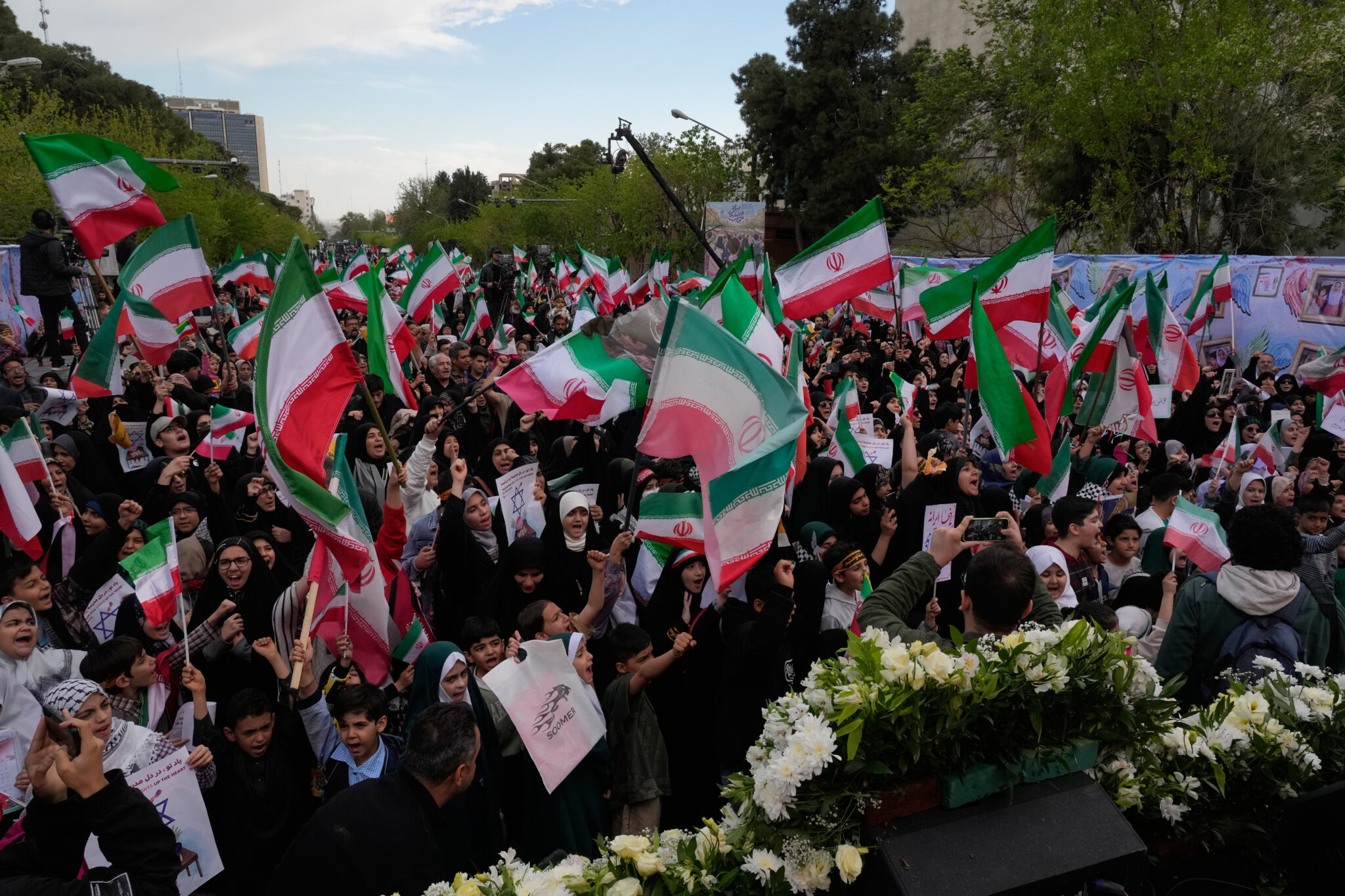
The timing appeared unusual because earlier that day, Trump had escalated rhetoric toward Iran, warning that “a whole civilization will die tonight” if Iran failed to reopen the Strait of Hormuz by an 8 p.m. deadline.
Despite the tense outlook, new accounts began placing large wagers predicting a ceasefire.
Hundreds of Thousands in Profits
Some of the newly created accounts generated substantial profits:
- One wallet created Tuesday morning placed about $72,000 in bets
- That account later cashed out for roughly $200,000 profit
- Another wallet created April 6 earned $125,500
- A third account created minutes before Trump’s announcement made nearly $48,500
Polymarket operates using prediction contracts priced between $0 and $1, reflecting the probability of an event occurring. Traders who correctly predict outcomes can earn substantial returns.
Suspicious Timing Raises Questions
The unusual timing of the bets has prompted speculation that traders may have had advance knowledge of negotiations.
However, analysts note another possibility: some traders may have predicted Trump would back down from his threats, a pattern critics have labeled “Trump Always Chickens Out,” or TACO.
Still, the clustering of new accounts placing large bets shortly before a major geopolitical announcement has raised concerns.
Ceasefire Contract Still Disputed
Some traders may have to wait for payouts because Polymarket labeled the April 7 ceasefire contract as “disputed.”
The designation reflects ongoing tensions, including:
- Continued missile activity
- Shipping restrictions in Strait of Hormuz
- Uncertainty over ceasefire terms
The dispute could take up to 48 hours to resolve.
Anonymous Wallets Complicate Investigation
Blockchain data shows betting activity but cannot identify who controls the wallets.
Polymarket uses proxy smart contract wallets, allowing users to create multiple accounts.
Only Polymarket has access to internal user data that could determine whether:
- New users joined the platform
- Existing users opened multiple accounts
- Coordinated trading occurred
Polymarket did not respond to requests for comment.
Lawmakers Raise Insider Trading Concerns
Rep. Blake Moore, R-Utah, who introduced legislation regulating prediction markets, said the trades appear suspicious.
“It’s highly unlikely that these are good-faith trades,” Moore said. “It’s much more likely that these are insiders with access to information ahead of the public.”
Moore warned that without regulations, government or military officials could potentially profit from advance knowledge.
Similar Patterns Seen Before
The trading pattern mirrors earlier incidents on prediction platforms:
- Bets placed before Venezuelan President Nicolás Maduro’s capture
- Profits linked to military actions involving Iran
- Clusters of accounts making coordinated wagers
These incidents have repeatedly raised concerns about insider trading in prediction markets.
Calls for Regulation Grow
Bipartisan lawmakers have introduced legislation to expand insider trading rules to include prediction markets.
Even major platforms such as Kalshi and Polymarket have acknowledged the need for clearer rules.
Todd Philips, a professor at Georgia State University, said regulation is needed.
“We can’t have people trading with inside information and expect other traders are going to be OK being in these markets,” he said.
Prediction Markets Under Scrutiny
Prediction markets have grown in popularity as users bet on:
- Elections
- Economic data
- Military conflicts
- Policy decisions
But the Iran ceasefire betting activity highlights concerns that access to privileged information could undermine market fairness.
As regulators examine the trades, the episode could accelerate calls for new oversight of prediction markets.