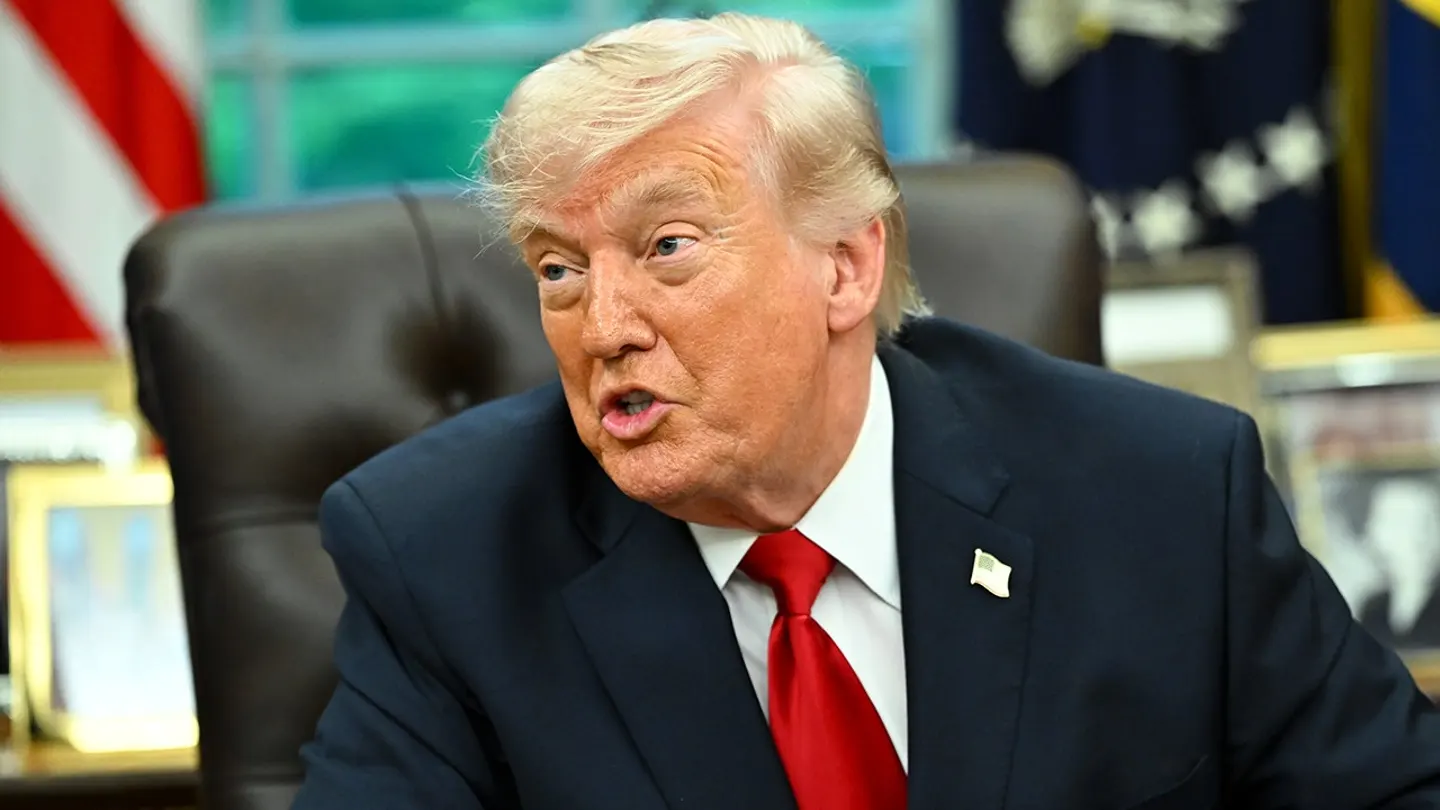
Trump: A Deal With Iran ‘Largely Negotiated,’ Strait of Hormuz Will Be Opened/ Newslooks/ WASHINGTON/ J. Mansour/ President Donald Trump said Saturday that a peace agreement with Iran and the reopening of the Strait of Hormuz have been “largely negotiated.” Regional mediators led by Pakistan and Qatar reportedly helped narrow differences between Washington and Tehran. The proposed framework would end the war and launch future negotiations over Iran’s nuclear program.
Iran Peace Deal Quick Looks
- Trump says Iran agreement is nearly complete.
- Strait of Hormuz reopening is part of talks.
- Pakistan led key mediation efforts.
- Qatar supported negotiations behind the scenes.
- Iran wants sanctions relief included.
- Nuclear issues would be discussed later.
- Ceasefire between Iran and the US remains fragile.
- Netanyahu reportedly spoke with Trump Saturday.
- Iran warns against renewed military strikes.
- Global markets are closely watching negotiations.
Deep Look
Trump Says Iran Deal Is Near Completion
President Donald Trump announced Saturday that a deal aimed at ending the war with Iran is “largely negotiated,” signaling the strongest indication yet that a broader regional agreement could soon emerge.
Trump said negotiations also include plans to reopen the strategically vital Strait of Hormuz, whose disruption has fueled global economic and energy concerns for months.
“Final aspects and details of the Deal are currently being discussed, and will be announced shortly,” Trump wrote on social media.
Regional Diplomacy Intensifies
According to the White House, Trump held discussions with leaders from:
- Saudi Arabia
- United Arab Emirates
- Qatar
- Pakistan
- Turkey
- Egypt
- Jordan
- Bahrain
Trump also separately spoke with Israeli Prime Minister Benjamin Netanyahu, whose government had strongly supported military action against Iran.
The president described the emerging agreement as a “Memorandum of Understanding pertaining to PEACE.”
Pakistan Emerges as Key Mediator
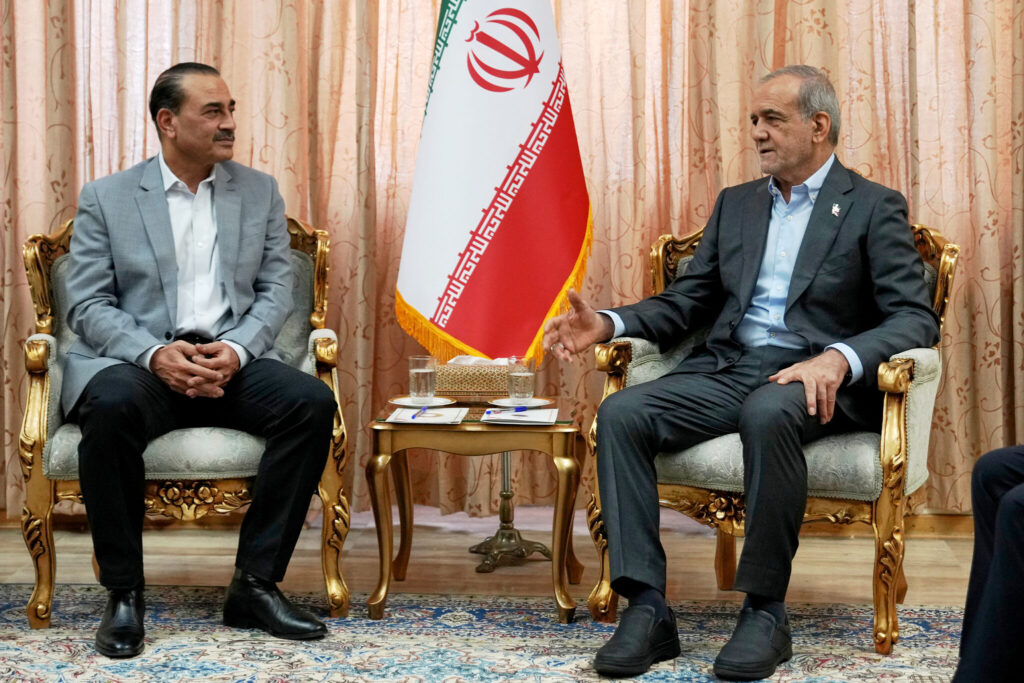
Regional officials credited Pakistan with playing a major role in advancing negotiations between Washington and Tehran.
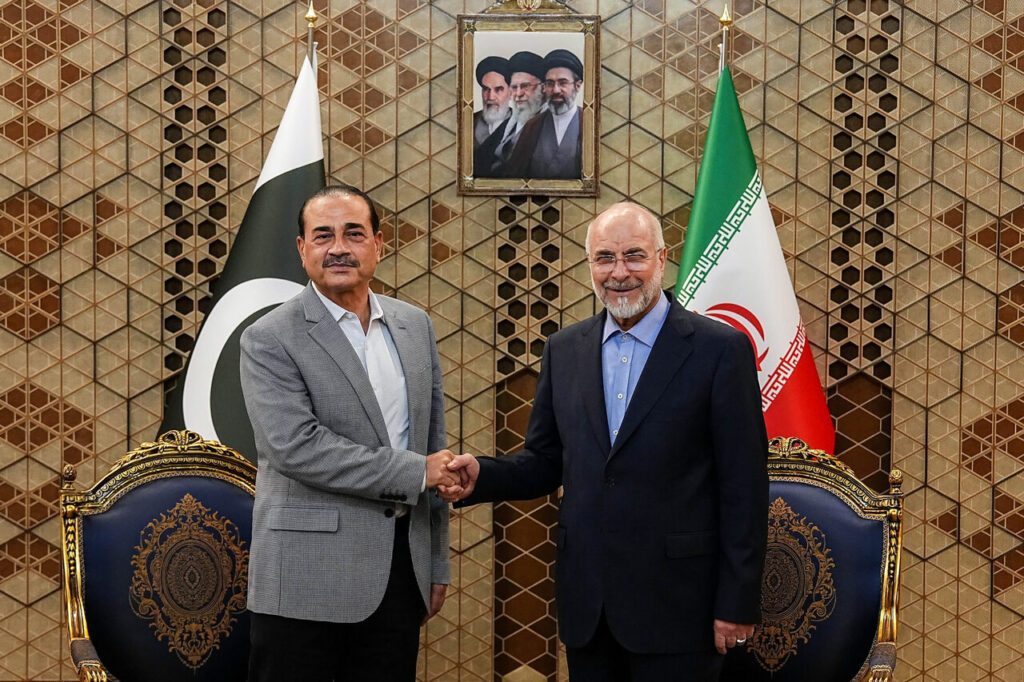
Pakistan’s army chief, Field Marshal Asim Munir, held intensive meetings in Tehran with senior Iranian leaders over recent days.
Officials said the discussions helped narrow disagreements on:
- Ceasefire arrangements
- Regional security guarantees
- Port blockades
- Maritime access through Hormuz
Qatar also reportedly sent senior representatives to Tehran to assist mediation efforts.
Proposed Deal Would End War and Reopen Shipping Routes
Officials familiar with the talks said the emerging framework would likely include:
- An official declaration ending the war
- Reopening the Strait of Hormuz
- Ending the US naval blockade of Iranian ports
- Future negotiations on Iran’s nuclear program
The Strait of Hormuz has remained one of the world’s most critical geopolitical flashpoints since Iran effectively restricted maritime access during the conflict.
The disruption severely impacted global oil and gas shipments and contributed to inflation pressures worldwide.
Iran Says Nuclear Issues Will Come Later
Iranian officials confirmed progress but emphasized that nuclear issues are not part of the immediate agreement.
Foreign Ministry spokesman Esmail Baghaei described the proposal as a “framework agreement” focused primarily on ending hostilities.
Iran insists broader nuclear negotiations would occur later during a 30-to-60-day follow-up process.
“Our focus at this stage is on ending the war on all fronts,” Baghaei said.
Sanctions Relief Remains a Core Iranian Demand
Tehran also continues demanding sanctions relief as part of any broader understanding with Washington.
Baghaei stated that lifting sanctions “has explicitly been included in the text” of negotiations.
Iran’s economy has been heavily strained by:
- US sanctions
- Oil export restrictions
- War-related disruptions
- Port blockades
Fragile Ceasefire Holds
The current ceasefire has largely held since April 7 after nearly three months of conflict between Iran, the United States, and Israel.
The war began on February 28 after coordinated US and Israeli attacks targeted Iranian military and political leadership.
Iran retaliated by launching attacks against Israel and regional sites hosting American forces.
The conflict destabilized much of the Middle East and sent global energy prices sharply higher.
Iran Warns Against Renewed Attacks
Despite progress in diplomacy, Iranian officials warned Saturday that Tehran remains prepared for renewed conflict if negotiations collapse.
Iranian parliament speaker Mohammad Bagher Qalibaf said Iran’s military has rebuilt its capabilities during the ceasefire.
“If Trump resumed attacks, the result would be more crushing and more bitter,” Qalibaf warned.
Major Issues Still Unresolved
Even if the agreement is finalized, major long-term disputes remain unresolved.
Iran still maintains:
- A stockpile of enriched uranium
- A rebuilding missile program
- Support for regional proxy groups
The new Iranian supreme leader also remains closely aligned with the Revolutionary Guard.
Meanwhile, both Trump and Netanyahu had previously predicted that widespread protests inside Iran could destabilize the government — something that has not occurred.
Global Markets Await Final Outcome
Investors and governments worldwide are closely watching the negotiations because of their enormous economic implications.
A successful agreement could:
- Stabilize oil prices
- Ease inflation pressures
- Reopen vital shipping lanes
- Reduce regional military tensions
But any collapse in diplomacy could quickly reignite military escalation across the Middle East.