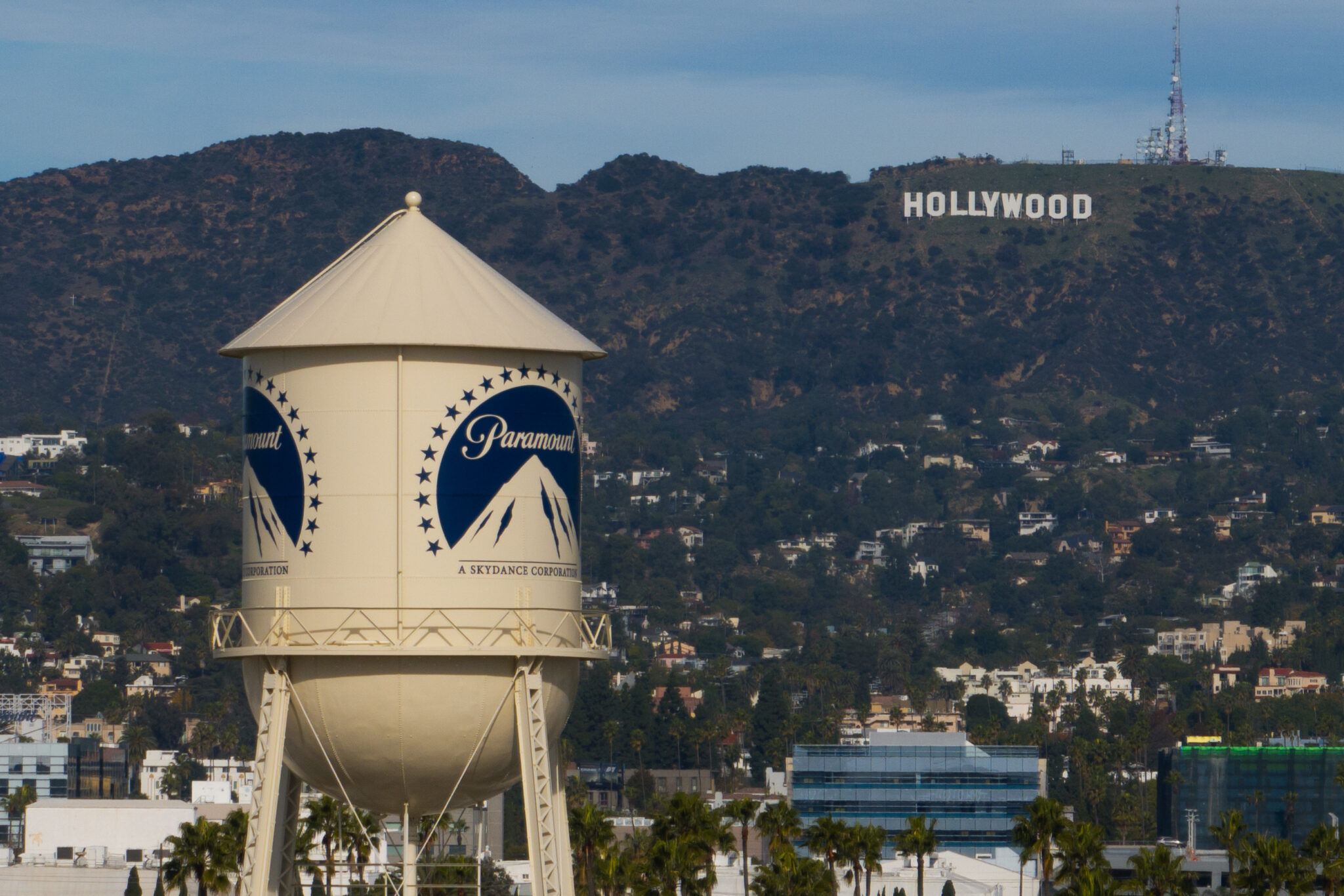
Warner Bros Shareholders Back Paramount $81 Billion Takeover/ Newslooks/ WASHINGTON/ J. Mansour/ Morning Edition/ Warner Bros. Discovery shareholders have approved Paramount’s massive takeover bid, moving the $81 billion media merger closer to completion. The deal would unite HBO Max, CNN, and Harry Potter with CBS, Paramount+, and Top Gun under one corporate umbrella. While executives promise bigger streaming libraries and stronger theatrical releases, critics warn of layoffs, higher prices, and growing media consolidation.

Paramount Warner Merger Quick Looks
- Warner Bros. Discovery shareholders approved Paramount’s takeover bid
- The deal values Warner at $31 per share and nearly $111 billion including debt
- Paramount would combine HBO Max, CNN, and Warner’s major franchises with CBS and Paramount+
- The merger still requires approval from U.S. and international regulators
- Thousands of Hollywood professionals have opposed the deal over job loss concerns
- Lawmakers are raising alarms over media concentration and editorial control
- Company leaders say the merger will create stronger streaming and theatrical businesses
Deep Look
Warner Shareholders Approve Massive Paramount Takeover
NEW YORK — Warner Bros. Discovery shareholders have officially approved Paramount’s massive takeover bid, pushing one of the biggest media mergers in recent Hollywood history closer to completion.
According to a preliminary vote count announced Thursday, an overwhelming majority of shareholders backed the sale of the entire company to Paramount for $31 per share.
The base transaction is valued at $81 billion, but including debt, the total deal reaches nearly $111 billion.
The merger would dramatically reshape the entertainment industry by combining some of the world’s most powerful media brands under one corporate roof.
That means HBO Max, CNN, and major franchises like “Harry Potter” could soon be owned alongside CBS, Paramount+, and blockbuster properties like “Top Gun.”
The approval marks a major victory for Paramount and significantly increases the likelihood the deal will move forward.
Regulatory Review Still Stands in the Way
Despite shareholder approval, the merger is not yet complete.
The transaction still faces major regulatory reviews, including scrutiny from the U.S. Department of Justice and regulators in Europe.
Some state governments may also challenge the deal.
California Attorney General Rob Bonta has been especially vocal and confirmed that his office is investigating the proposed transaction.
Warner has said it expects the merger to close sometime during the third fiscal quarter, assuming regulatory approval is secured.
Questions surrounding competition, media concentration, and political influence are expected to dominate that review process.
Paramount’s Long Fight for Warner
Paramount’s path to acquiring Warner was far from easy.
Late last year, Warner initially rejected Paramount’s offer and instead pursued a $72 billion studio and streaming partnership with Netflix.
At the time, Warner’s board strongly supported the Netflix deal.
But Paramount took a more aggressive route by launching a hostile bid directly to shareholders for the entire company, including Warner’s cable business — something Netflix had no interest in acquiring.
For months, all three companies fought publicly over which offer was best.
Eventually, Paramount increased its financial offer, and Netflix chose to walk away rather than continue the battle.
The board then shifted its support to Paramount’s richer proposal.
That decision has now brought the historic merger to the brink of completion.
Hollywood Workers Warn of Job Losses
While executives celebrate the deal, many in Hollywood are strongly opposed.
Thousands of actors, directors, writers, and other entertainment professionals signed a letter expressing “unequivocal opposition” to the merger.
They argue that further consolidation in Hollywood will lead to layoffs, fewer creative opportunities, and less choice for both filmmakers and audiences.
Regulatory filings have already suggested cost-cutting measures will include layoffs and the downsizing of overlapping operations.
That has fueled concerns that another major merger will shrink employment across the industry while reducing competition among studios.
Critics also fear fewer independent voices and less diversity in storytelling if too much power is concentrated in one company.
Lawmakers Raise Concerns Over Cultural Power
The merger has also drawn political criticism in Washington.
Democratic Senator Cory Booker warned during a recent Senate hearing that the deal goes far beyond a standard corporate acquisition.
“What is at stake is clearly not just a corporate deal, but who controls news, who controls entertainment, who controls storytelling,” Booker said.
“It’s about the concentration and consolidation of cultural power.”
The merger would combine two of Hollywood’s five remaining legacy studios, two major streaming platforms, and two major U.S. television news brands.
That includes both CBS and CNN — two major players in American journalism and political coverage.
For critics, the concern is not only economic, but also who shapes public conversation and media influence.
Executives Promise Bigger Streaming and Better Films
Company leaders insist the merger will benefit consumers.
Executives say combining HBO Max and Paramount+ could create a stronger streaming platform with a larger content library and improved value for subscribers.
Paramount CEO David Ellison has also tried to reassure filmmakers and theater owners.
He promised a 45-day theatrical release window and a goal of releasing 30 movies per year between Paramount and Warner.
He also said both studios would continue operating as stand-alone creative businesses inside the combined company.
“I love cinema and I love film,” Ellison said at CinemaCon last week.
“You can count on our complete commitment.”
Still, critics remain skeptical, warning that mergers often result in higher subscription prices rather than better consumer value.
Questions Over Newsroom Independence
The deal has also raised concerns about editorial independence inside major news organizations.
One of the most discussed shifts was the appointment of Free Press founder Bari Weiss as CBS News editor-in-chief.
If Paramount completes its Warner acquisition, many observers expect similar changes could happen at CNN.
The Justice Department and company executives have both said politics will not influence the regulatory process.
However, Trump has publicly commented on Warner’s future and maintains close ties to the Ellison family, particularly Oracle founder Larry Ellison, who is financially backing the deal for his son David Ellison’s company.
Foreign Investment and Global Oversight
Another area of scrutiny involves foreign funding.
Regulatory filings show Paramount has secured financial backing from several sovereign wealth funds, including Saudi Arabia’s Public Investment Fund, as well as funds from the United Arab Emirates and Qatar.
The company said those investors will not have voting rights in the future combined business.
However, Paramount has not publicly disclosed how much those funds are contributing.
That international involvement adds another layer of complexity as regulators examine both the financial and national influence implications of the merger.
If approved, the Paramount-Warner combination would become one of the most powerful media companies in the world — with enormous influence over movies, streaming, television news, and the future of Hollywood itself.