Southern Wildfires Force Georgia Residents to Evacuate/ Newslooks/ WASHINGTON/ J. Mansour/ Morning Edition/ Fast-moving wildfires across southern Georgia and northern Florida have forced hundreds of residents to evacuate, leaving many unsure whether their homes survived. More than 50 homes have already been destroyed as drought, strong winds, and Hurricane Helene debris fuel the growing blazes. Smoke from the fires has spread across the Southeast, triggering air quality warnings in major cities including Atlanta and Columbia.
Southern US Wildfires Quick Looks
- Wildfires in Georgia and Florida forced hundreds to evacuate
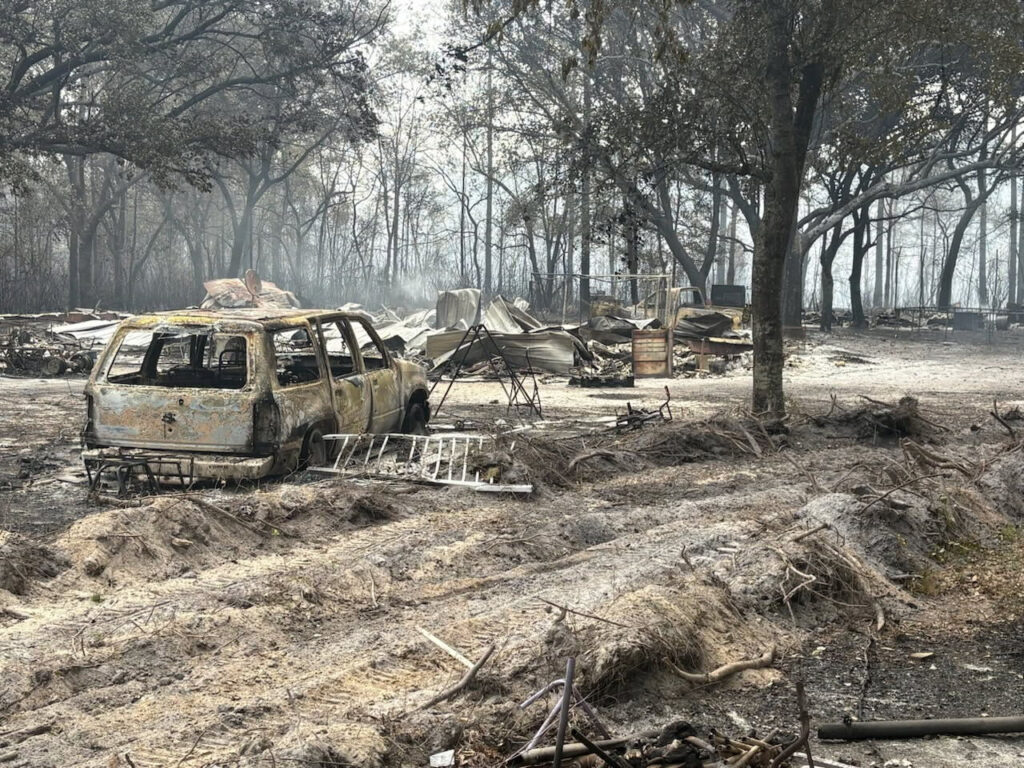
- More than 50 homes have been destroyed in southern Georgia
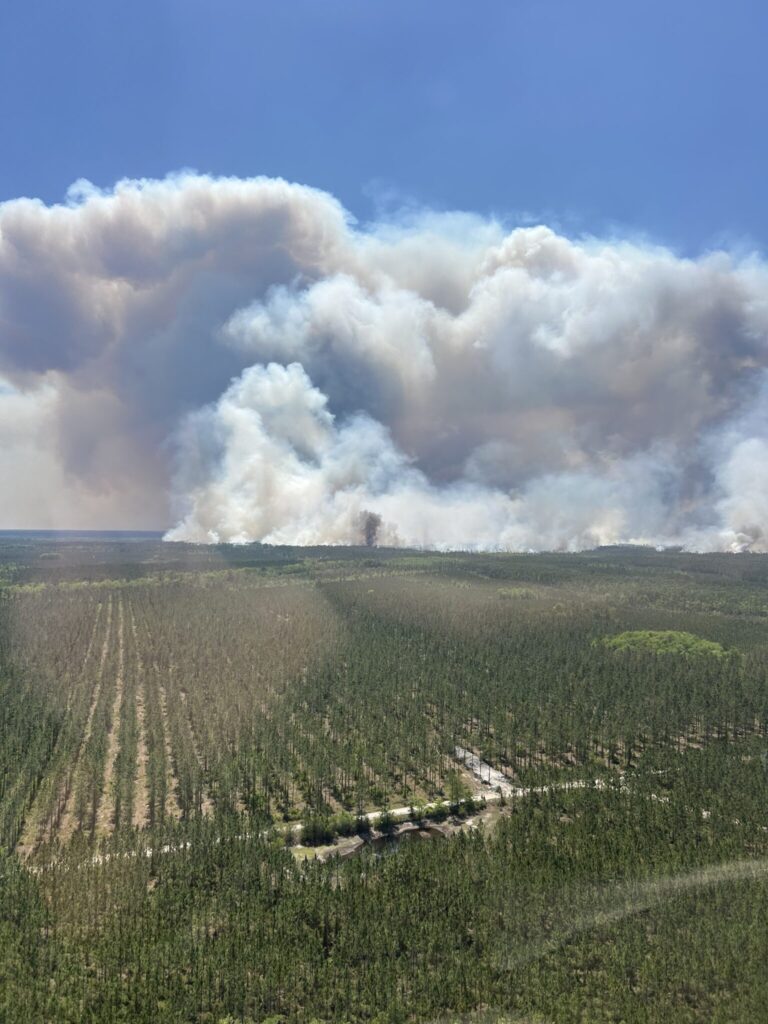
- The Brantley County fire alone covers about 7 square miles
- Georgia’s largest fire east of Valdosta has expanded to 47 square miles
- Hurricane Helene debris is helping fuel the fires
- More than 130 wildfires are burning across Florida
- Smoke has triggered air quality warnings across the Southeast
Deep Look
Fast-Moving Wildfires Force Families to Flee
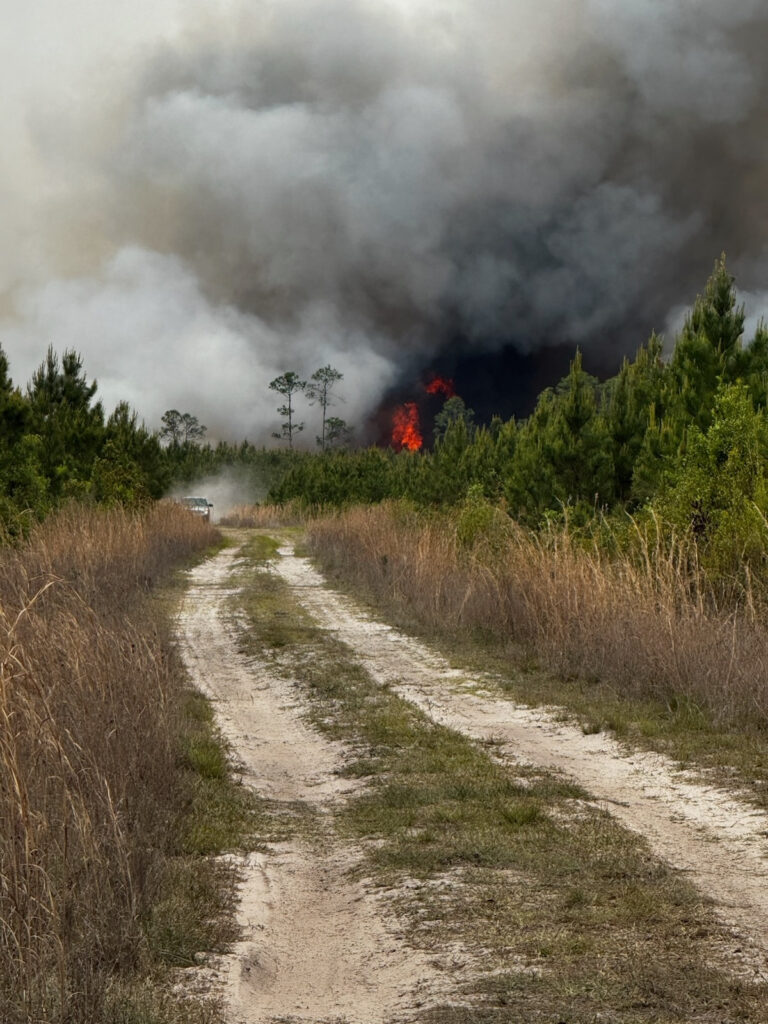
NAHUNTA, Ga. — Wildfires sweeping across the southern United States have forced hundreds of Georgia residents to evacuate with little warning, leaving many uncertain whether their homes, belongings, and animals survived.
The fires, spreading rapidly during extreme drought conditions in Georgia and Florida, have become some of the most dangerous blazes the region has seen in recent years.
Strong winds, low humidity, and dry forests have created ideal conditions for flames to spread quickly across rural communities.
In southern Georgia, the two largest fires have already destroyed more than 50 homes and pushed local officials to order additional evacuations and school closures.
Many families had only minutes to leave.
For evacuees like Denise Stephens, the uncertainty has been devastating.
“I don’t know if I have a house standing or not,” Stephens said after being forced to flee the fast-moving Brantley County fire near Georgia’s coast.
“I know what it’s taken from other people, but I don’t know what I have left standing.”
Dangerous Weather Conditions Continue
Thursday’s weather forecast brought little relief for fire crews or residents.
Officials warned that shifting winds could create another high-risk day by sending embers flying in multiple directions and sparking new fires far from the original burn zones.
This kind of unpredictable fire behavior makes containment especially difficult and increases the danger for firefighters working on the ground.
Low humidity and continued drought conditions across the lower half of Georgia and northern Florida are keeping the wildfire threat high.
Authorities said new fires continue to appear daily.
Dozens of New Fires Across Georgia and Florida
The Georgia Forestry Commission reported that fire crews responded to 34 new wildfires on Wednesday alone.
Most were smaller blazes, but together they added to an already serious emergency stretching across the region.
In Florida, firefighters were battling more than 130 wildfires, most of them concentrated in the northern half of the state.
The fires have spread far beyond isolated rural areas, with smoke reaching major cities hundreds of miles away.
That smoke is creating additional public health concerns across the Southeast.
Hurricane Helene Debris Fueling the Flames
Georgia officials say one major reason the fires are spreading so aggressively is the large amount of storm debris still left behind by Hurricane Helene.
The hurricane crossed southern Georgia in September 2024, leaving fallen trees, broken limbs, and dry brush scattered across forests and wooded land.
That debris has now become dangerous wildfire fuel.
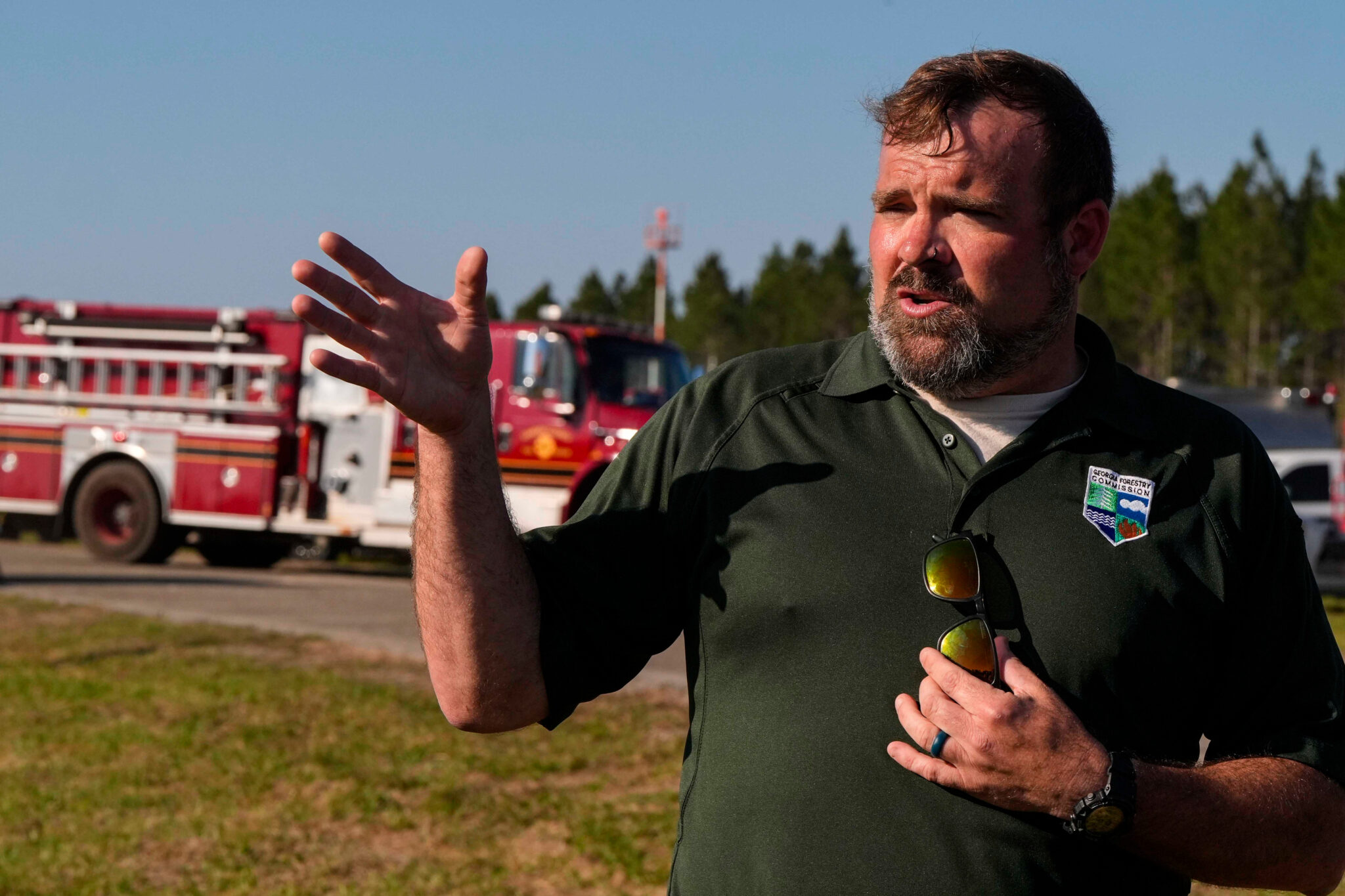
“There’s a ton of old Hurricane Helene debris down in the woods,” said Seth Hawkins, a spokesperson for the Georgia Forestry Commission.
“It’s laying around and it’s just a tinderbox out there.”
Officials say the dry storm debris is helping fires burn hotter and spread faster than usual.
Brantley County Fire Causes Major Damage
One of the most destructive fires is burning in Brantley County near Georgia’s coast.
The fire has already caused much of the structural damage reported so far and covers approximately 7 square miles, or about 18 square kilometers.
Authorities said the fire remained relatively stable overnight and is now about 15% contained.
“While this stability is encouraging, wind conditions remain unpredictable and could cause conditions to change rapidly,” the Brantley County Sheriff’s Office said in an update Thursday.
Even with some progress, officials remain cautious because sudden wind shifts can reverse gains quickly.
Georgia’s Largest Fire Keeps Expanding
The state’s biggest wildfire is burning east of Valdosta in a mostly rural area and continues to grow at an alarming pace.
It now covers 47 square miles, or 121 square kilometers — roughly twice the size of Manhattan.
Its size makes it one of the most serious wildfire events currently active in the Southeast.
Firefighters are working to protect nearby homes, farmland, and critical infrastructure as the blaze continues expanding.
Officials have not yet determined exactly how the fires started.
However, drought conditions across southern Georgia and northern Florida have created the perfect environment for rapid ignition and dangerous fire behavior.
Smoke Creates Air Quality Warnings Across the Region
The wildfires are not only threatening homes and forests — they are also impacting air quality across several states.
Smoke from the fires drifted across large sections of the Southeast, prompting health warnings Thursday in cities far from the actual flames.
Air quality alerts were issued for places including Columbia, South Carolina, where officials warned that children and people with lung or heart conditions could face unhealthy breathing conditions.
A visible haze also hung over Atlanta’s skyline a day earlier, and many residents reported a strong smoky smell across the metro area.
The fires have turned what began as a local emergency into a regional environmental and health concern.
Residents Wait for Answers
For families forced to leave quickly, the hardest part remains the waiting.
Many evacuees still do not know whether their homes are standing, whether pets survived, or when they will be allowed to return.
As firefighters continue battling flames across Georgia and Florida, communities are left hoping changing weather conditions will finally bring relief.
Until then, residents across the South remain on alert as wildfire season intensifies earlier and more dangerously than many expected.