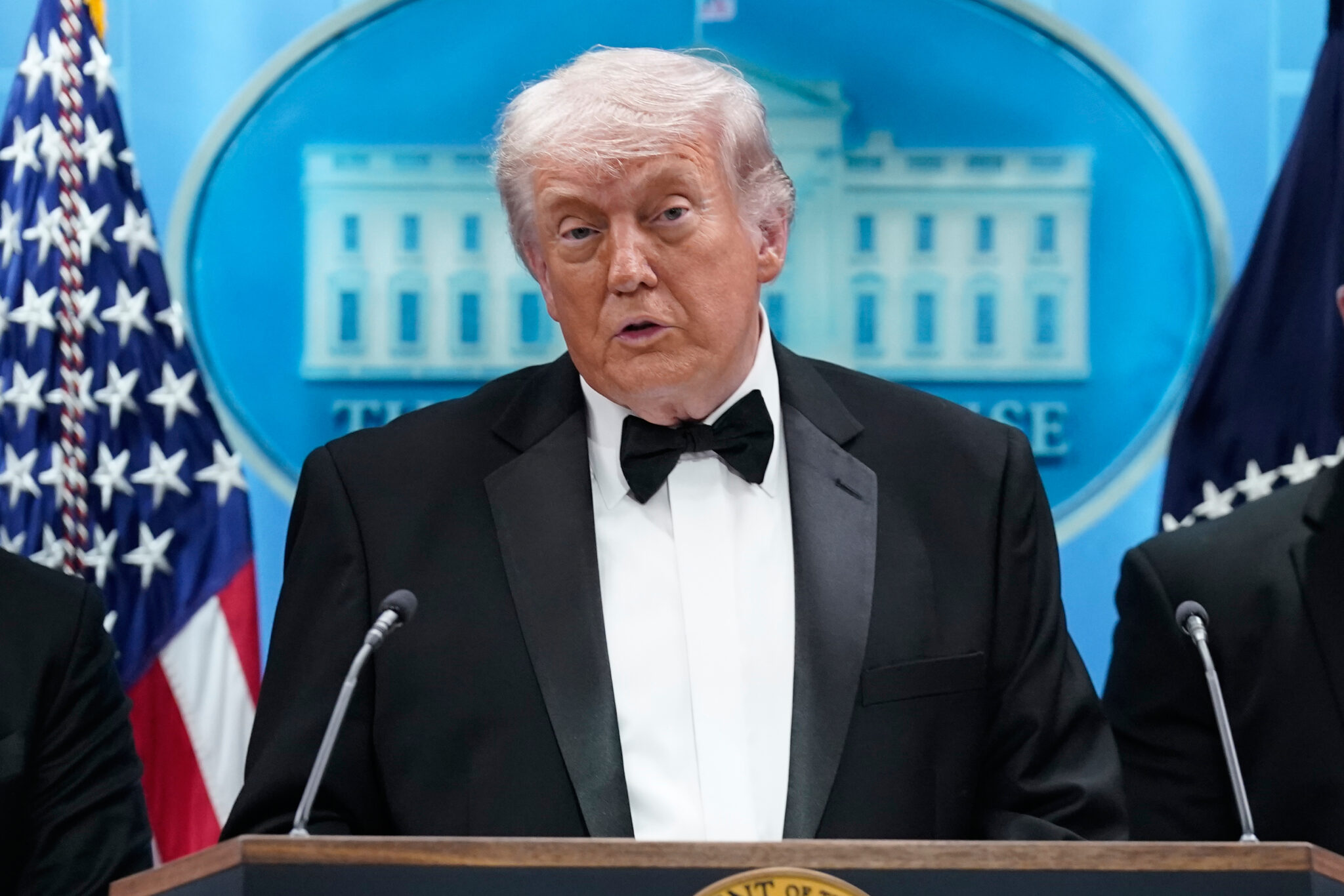
Iran Top Diplomat Returns Briefly to Pakistan, But Trump Says The Sides Can Talk by Phone/ Newslooks/ WASHINGTON/ J. Mansour/ Morning Edition/ Iran’s Foreign Minister Abbas Araghchi briefly returned to Pakistan as Islamabad worked to restart fragile ceasefire talks between Tehran and Washington. President Donald Trump canceled plans to send envoys Steve Witkoff and Jared Kushner, saying Iran could simply call the U.S. instead. With the Strait of Hormuz still under pressure and oil prices rising, global markets remain tense over the stalled negotiations.
Iran Pakistan Talks Quick Looks
- Abbas Araghchi briefly returned to Islamabad on Sunday
- Trump canceled Witkoff and Kushner’s Pakistan trip
- Trump said, “All they have to do is call!!!”
- Iran insists future talks must remain indirect
- Pakistan continues acting as mediator between Tehran and Washington
- Strait of Hormuz remains at center of the standoff
- Oil prices climbed again after talks failed to materialize
- Trump says Iran submitted a “much better” proposal
Deep Look
Iran’s Top Diplomat Returns to Pakistan Amid Ceasefire Confusion
Iran’s Foreign Minister Abbas Araghchi made a brief return to Islamabad on Sunday as Pakistan scrambled to revive fragile ceasefire negotiations between Tehran and Washington, even as President Donald Trump signaled he preferred direct phone contact over another diplomatic trip.
Araghchi had left Pakistan late Saturday, creating confusion over whether a second round of talks would happen. But Iranian state media later confirmed he returned briefly before continuing on to Moscow.
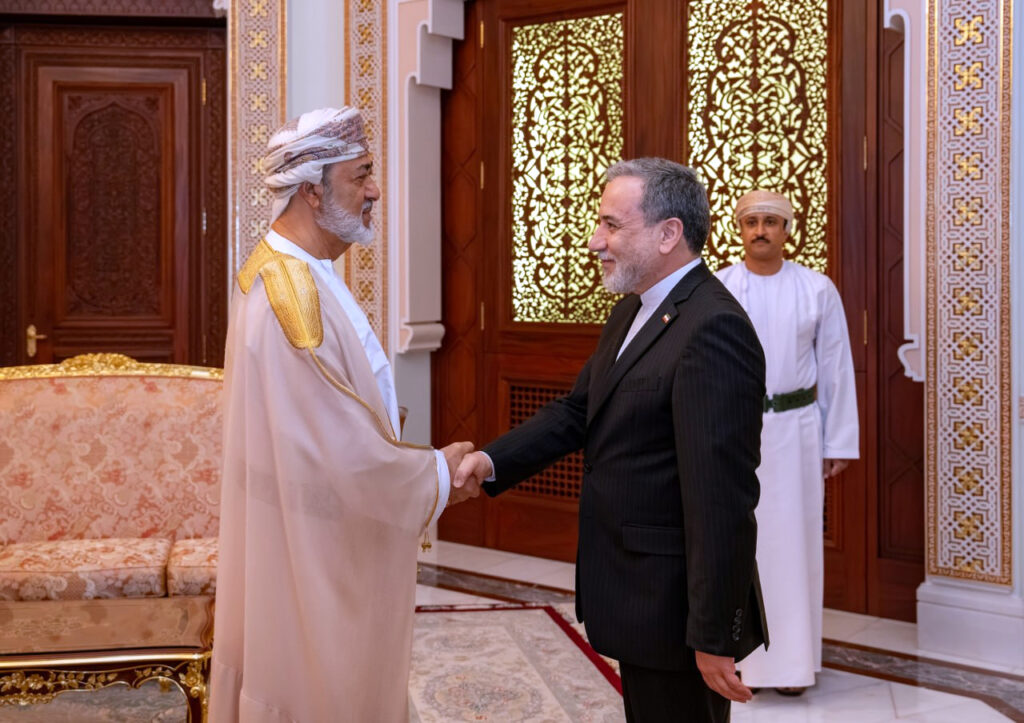
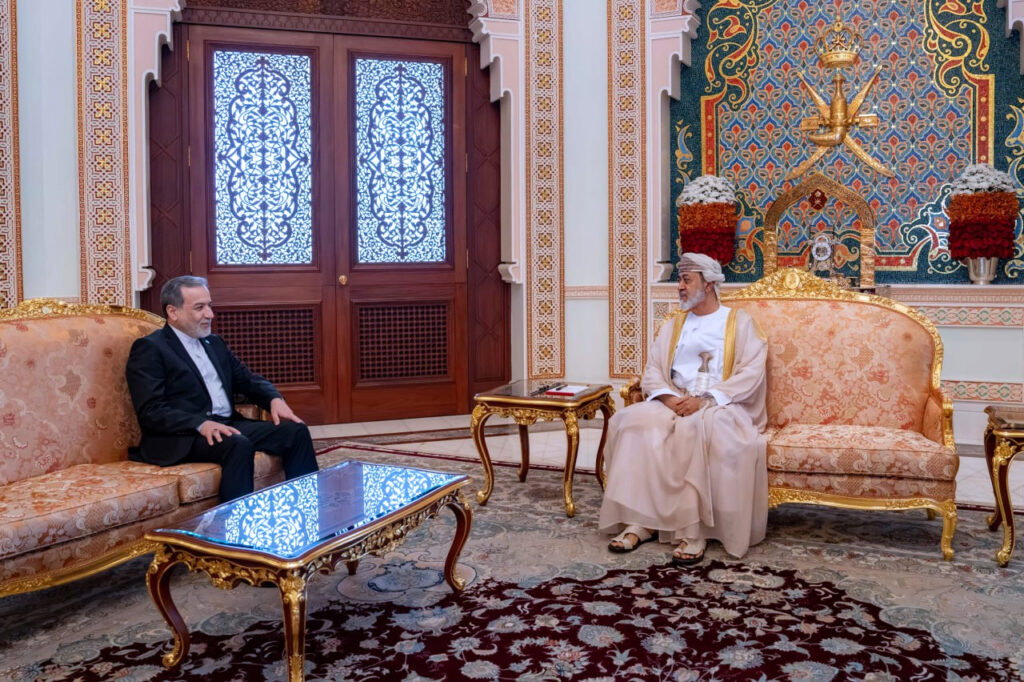
His visit came after stops in Oman, another key mediator in the crisis, located across the strategic Strait of Hormuz.
Pakistan has been working intensely behind the scenes to bring both sides back to negotiations after Trump extended the U.S.-Iran ceasefire last week, but progress remains slow and uncertain.
Trump Cancels Envoys’ Pakistan Mission
The White House had originally announced plans to send special envoy Steve Witkoff and Jared Kushner to Islamabad to follow up on the historic face-to-face talks held earlier this month.
But Trump abruptly canceled that mission.
“If they want, we can talk but we’re not sending people,” Trump told Fox News on Sunday.
Earlier, he posted on social media:
“All they have to do is call!!!”
Trump said he decided to cancel the trip because there had been little visible progress from Iran.
The move marked another sudden shift in the already fragile diplomacy surrounding the war.
Pakistan Still Mediating Indirect Talks
Despite the canceled U.S. visit, indirect talks between Washington and Tehran were still continuing, according to two Pakistani officials who spoke anonymously because they were not authorized to discuss the negotiations publicly.
Iran has repeatedly said it will not engage in direct talks with U.S. representatives at this stage.
Instead, Pakistani officials are acting as intermediaries, carrying messages between both sides.
This reflects Tehran’s deep distrust after previous rounds of indirect talks over its nuclear program ended with military strikes by the U.S. and Israel.
Iranian officials remain wary of formal face-to-face diplomacy without stronger guarantees.
Strait of Hormuz Remains the Core Dispute
At the center of the negotiations remains the Strait of Hormuz, one of the world’s most strategically important waterways.
Roughly one-fifth of all globally traded oil and natural gas passes through the narrow entrance to the Persian Gulf.
Iran has restricted movement through the strait, while the U.S. continues enforcing a naval blockade on Iranian ports.
That standoff has turned the waterway into the most dangerous flashpoint of the broader conflict.
According to a regional official involved in mediation efforts, Iran is now trying to persuade Oman to support a mechanism that would allow Tehran to collect tolls from ships passing through the strait.
Oman’s official response has not yet been made public.
Iran Wants Blockade Lifted First
Iran is also insisting that the U.S. blockade must end before any major new negotiations can move forward.
That demand remains one of the biggest obstacles.
A regional mediator said Pakistan is trying to bridge “significant gaps” between both sides, but the disagreement over the blockade and shipping access remains unresolved.
Araghchi also held phone calls Sunday with foreign ministers in Qatar and Saudi Arabia, showing how widely the diplomatic effort has expanded across the region.
The Gulf states remain deeply invested in preventing the conflict from escalating further.
Trump Says Iran Sent a “Much Better” Proposal
Trump added another twist to the negotiations by revealing that Iran had quickly responded after he canceled the Pakistan trip.
Speaking to journalists Saturday, before the security incident at the White House Correspondents’ Dinner, Trump said that within 10 minutes of canceling Witkoff and Kushner’s trip, Iran submitted what he called a “much better” proposal.
He did not explain what was in it.
But he made clear that one U.S. condition remains unchanged:
“Iran will not have a nuclear weapon.”
That remains the central red line for Washington.
Nuclear Issue Still Drives the Conflict
The issue of Iran’s enriched uranium continues to dominate the broader negotiations.
According to the U.N. nuclear watchdog agency, Iran currently holds 440 kilograms (970 pounds) of uranium enriched to 60% purity.
That level is only a short technical step away from weapons-grade enrichment.
The U.S. and Israel have repeatedly argued that Tehran’s stockpile creates an unacceptable security threat.
Iran insists its nuclear program is for peaceful purposes, but trust has largely collapsed after the outbreak of war.
That makes nuclear guarantees one of the hardest issues to solve.
Military Threats Continue on Both Sides
Even while ceasefire talks continue, both sides are still issuing military warnings.
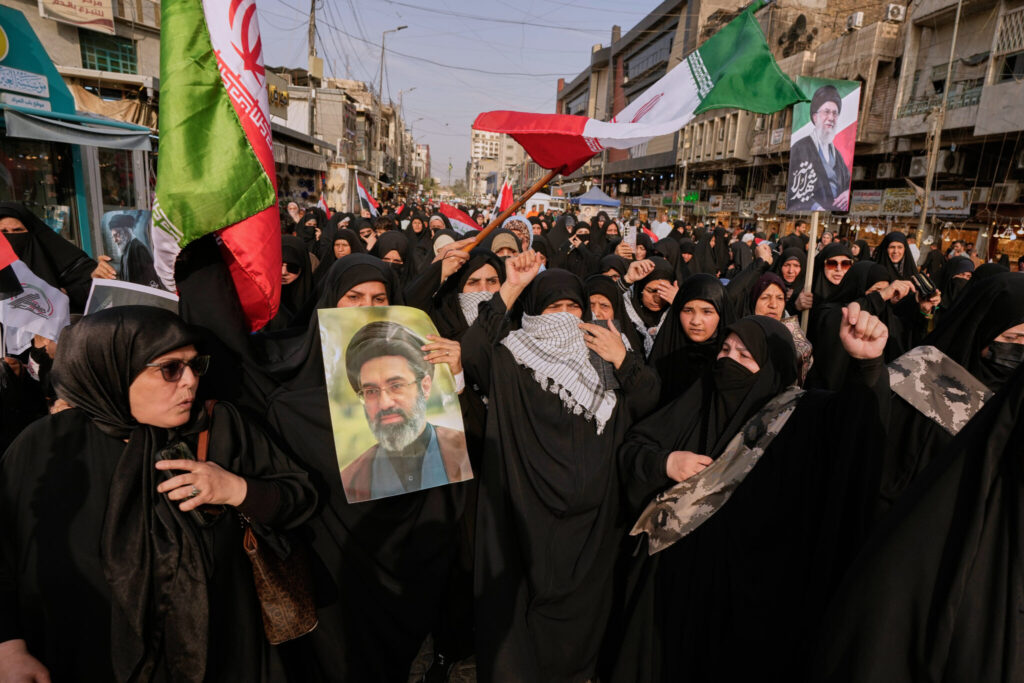
Iran’s joint military command warned Saturday that if the U.S. continues “aggressive military actions, including naval blockades, banditry, and piracy,” it will face a “strong response.”
Trump has also escalated rhetoric.
Last week, he ordered the U.S. military to “shoot and kill” small boats suspected of placing mines in the Strait of Hormuz.
The message from both capitals remains the same: diplomacy is active, but military pressure is still very real.
Oil Prices Rise Again
Global energy markets reacted immediately to the stalled Pakistan talks.
Oil prices rose sharply when trading opened Sunday.
West Texas Intermediate crude climbed to $96.50 per barrel, up 2% since Friday and 44% higher than before the war began, when oil was around $67.
Brent crude, the international benchmark, rose to $107.75 per barrel—up 3% since Friday and nearly 48% higher than pre-war levels.
Oil prices have steadily climbed as tankers full of crude remain stranded in the Persian Gulf, unable to safely move through the Strait of Hormuz.
The disruption has affected not only oil, but also shipments of liquefied natural gas, fertilizer, and other major global supplies.
Thousands Dead as Ceasefires Hold
Although the ceasefire between the U.S. and Iran remains in place, the human toll continues to grow.
Since the war began, at least 3,375 people have been killed in Iran.
In Lebanon, where fighting resumed between Israel and Hezbollah shortly after the Iran war started, at least 2,509 people have died.
Additionally, 23 people have been killed in Israel and more than a dozen across Gulf Arab states.
Fifteen Israeli soldiers in Lebanon, 13 U.S. service members in the region, and six U.N. peacekeepers in southern Lebanon have also been killed.
Another ceasefire between Israel and Hezbollah has now been extended by three weeks.
Talks Delayed, But Not Dead
Political analyst Syed Mohammad Ali said the delay in Pakistan should not be seen as a failure.
He argued that easing tensions between Washington and Tehran requires patience, especially after months of direct conflict.
“But the good thing is that the ceasefire is holding, and both sides have a desire to end the conflict in a way that does not backfire at home,” Ali said.
That may be the most important reality for now.
The talks are slower, messier, and more indirect than expected—but they are still alive.
And with the global economy watching every move in the Strait of Hormuz, even a phone call may now carry major consequences.