Iran Offers to Reopen Strait of Hormuz if US Ends Blockade and War/ Newslooks/ WASHINGTON/ J. Mansour/ Morning Edition/ Iran has offered to reopen the Strait of Hormuz if the United States lifts its blockade and ends the war, according to regional officials. The proposal would delay nuclear negotiations and focus first on restoring oil flow through the critical waterway. President Donald Trump appears unlikely to accept the offer as pressure grows from rising oil and gas prices worldwide.
Iran Strait of Hormuz Offer Quick Looks
- Iran offers to reopen Strait of Hormuz if U.S. lifts blockade
- Proposal was passed to Washington through Pakistan
- Nuclear program talks would be postponed under the plan
- Trump says Iran sent a “much better” proposal
- Brent crude remains near $108 per barrel
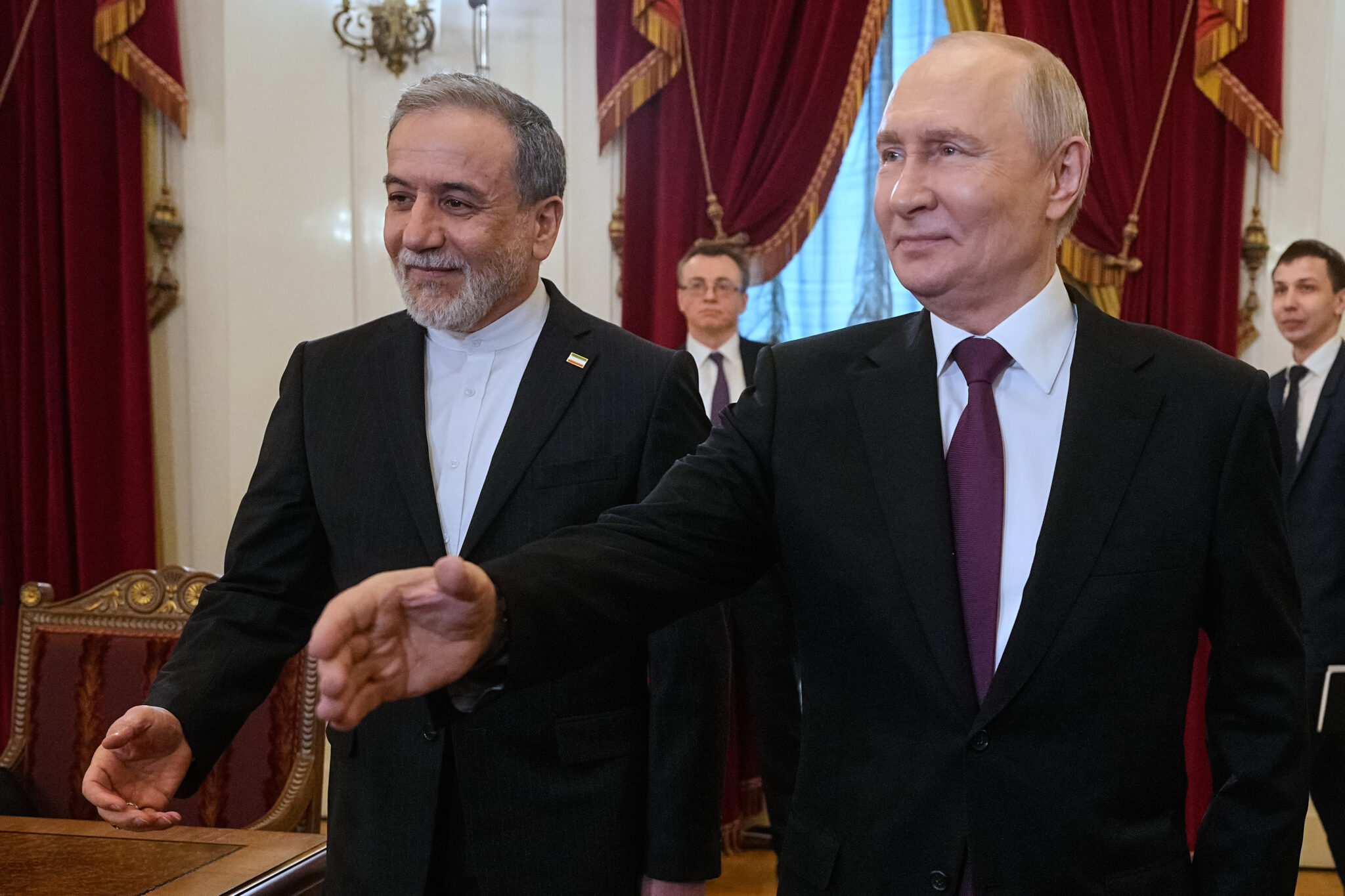
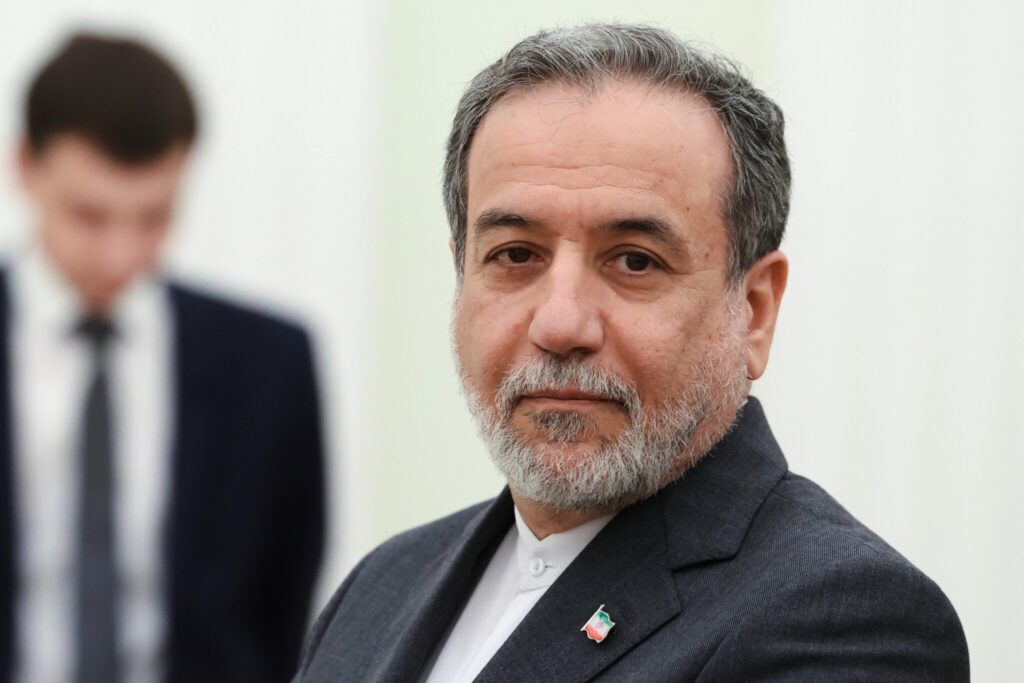
- Iran’s foreign minister met Vladimir Putin in Russia
- Oman is being asked to support toll collection in the strait
- Global oil, food, and fertilizer prices remain under pressure
Deep Look
Iran Offers New Deal to Reopen Strait of Hormuz
According to two regional officials familiar with the negotiations, Tehran has proposed ending its restrictions on shipping through the strategic waterway if the United States agrees to lift its naval blockade on Iranian ports and formally end the war.
The proposal was reportedly passed to Washington through Pakistani mediators and would shift the immediate focus away from Iran’s nuclear program and toward restoring global energy flows and reducing economic pressure.
The offer comes as both sides remain locked in a tense standoff despite a fragile ceasefire that has largely paused direct fighting since April 7.
Why the Strait of Hormuz Matters
The Strait of Hormuz is one of the most strategically important waterways in the world.
Located at the narrow entrance to the Persian Gulf, it handles roughly one-fifth of all globally traded oil and natural gas during normal peacetime conditions.
Any disruption there immediately affects fuel prices worldwide.
Since the war began on Feb. 28, Iran has used its geographic advantage to restrict movement through the strait, while the U.S. has enforced a blockade designed to stop Iranian oil exports.
That combination has created one of the biggest global energy crises in years.
Oil tankers have been stranded, shipping routes disrupted, and prices for fuel, fertilizer, food, and other essential goods have surged across global markets.
Trump Faces Political Pressure Over Rising Prices
The closure of Hormuz has created political pressure for President Donald Trump as Americans face rising gasoline prices ahead of critical midterm elections.
Higher oil prices are also affecting Trump’s Gulf allies, whose economies depend heavily on oil and gas exports through the same waterway.
The U.S. blockade is meant to deprive Tehran of oil revenue by preventing exports and forcing Iran into a position where it may eventually have to shut down production because storage capacity runs out.
But the strategy also creates domestic risks for Washington if energy prices continue climbing.
That makes the Hormuz issue not only a military standoff, but also a major economic and political test.
Iran Wants Nuclear Talks Delayed
One of the most significant parts of Iran’s proposal is what it leaves for later.
Instead of immediately addressing Tehran’s nuclear program, the offer would postpone those negotiations and focus first on ending the blockade and reopening Hormuz.
That could be difficult for Trump to accept.
He has repeatedly said one of the main reasons for going to war was to prevent Iran from developing nuclear weapons.
Trump has made clear that any lasting deal must ensure:
“Iran will not have a nuclear weapon.”
That remains Washington’s central red line.
Trump Says Iran Sent a “Much Better” Proposal
Trump hinted over the weekend that Iran had already adjusted its negotiating position.
He told reporters Saturday that after he canceled a planned Pakistan trip by his envoys Steve Witkoff and Jared Kushner, Tehran quickly sent what he called a “much better” proposal.
He did not provide details.
But officials now believe that revised proposal may be closely tied to the Hormuz offer currently under discussion.
Trump has not publicly signaled support for it.
Given his repeated focus on nuclear restrictions, many analysts believe the White House may reject any deal that delays uranium negotiations.
Iran’s Nuclear Stockpile Still a Core Problem
The biggest unresolved issue remains Iran’s enriched uranium stockpile.
The U.S. wants Tehran to remove or surrender highly enriched uranium that could be used to build a nuclear weapon if Iran chose to pursue one.
Iran insists its nuclear program is peaceful and says it will not give up what it considers sovereign rights.
That disagreement is one of the core reasons diplomacy collapsed before the war began.
By trying to separate Hormuz from nuclear talks, Tehran may be attempting to gain economic relief first while delaying the most difficult concessions.
Washington may see that as unacceptable.
Foreign Minister Araghchi Meets Putin
As negotiations continue, Iran is also strengthening diplomatic coordination with Russia.
Putin reportedly praised the Iranian people for “bravely and heroically fighting for their sovereignty” and said Russia would do everything possible to help bring peace to the Middle East.
Before the meeting, Araghchi said it was “a good opportunity for us to consult with our Russian friends” about the war and the diplomatic path forward.
Russia has long been one of Tehran’s strongest international backers, especially on nuclear and energy issues.
Pakistan and Oman Playing Key Mediation Roles
Pakistan has emerged as one of the most important go-betweens in the crisis.
Islamabad has been trying to restart stalled U.S.-Iran talks after direct meetings were canceled over the weekend.
Trump called off the trip by Witkoff and Kushner and instead suggested talks could happen by phone.
At the same time, Oman remains central because it shares control of the Strait of Hormuz with Iran and has historically mediated quiet diplomacy between Tehran and Washington.
Iran is reportedly asking Oman to support a system that would allow Tehran to collect tolls from ships passing through the strait.
Oman has not publicly responded.
Oil Prices Stay High
Markets are reacting cautiously.
That price surge reflects months of uncertainty and the continued inability of tankers to safely move through Hormuz.
Even with the ceasefire in place, traders remain nervous because there is still no permanent agreement.
Every diplomatic delay adds more pressure to global supply chains.
That includes not just oil, but also liquefied natural gas, fertilizer, and food imports that depend on stable shipping routes.
Ceasefire Holds, But the Human Cost Grows
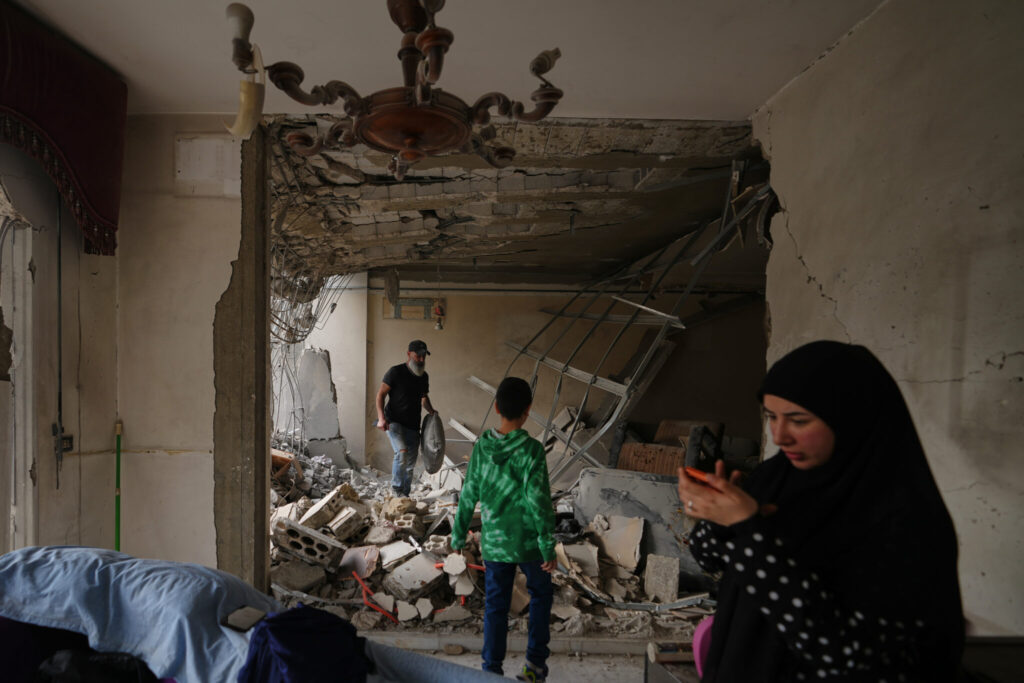
Although the ceasefire between the U.S. and Iran remains active, the war’s human toll continues to rise.
Since the conflict began, at least 3,375 people have been killed in Iran.
In Lebanon, where fighting between Israel and Hezbollah resumed shortly after the Iran war started, at least 2,521 people have died.
Another 23 people have been killed in Israel, along with more than a dozen across Gulf Arab states.
Fifteen Israeli soldiers, 13 U.S. service members, and six U.N. peacekeepers have also been killed.
The Israel-Hezbollah ceasefire has been extended by three weeks, but fighting and military operations continue.
A Deal That May Be Too Incomplete
Iran’s Hormuz offer could provide immediate relief for global markets and reduce the pressure of war.
But for Washington, it may not go far enough.
Trump wants a long-term solution that removes Iran’s nuclear threat, not simply a reopening of shipping lanes.
Tehran wants economic relief first.
That gap remains the heart of the negotiations.
For now, the world is watching one narrow strip of water and one difficult question:
Will reopening the Strait of Hormuz be enough to stop a much bigger war?