Kevin Warsh Advances Toward Senate Vote for Fed Chair/ Newslooks/ WASHINGTON/ J. Mansour/ Morning Edition/ Kevin Warsh moved closer to becoming Federal Reserve chair after the Senate Banking Committee approved his nomination. President Trump’s nominee received party-line support from Republicans while Democrats strongly opposed the move. Warsh’s confirmation could reshape Fed policy, interest rates, and the central bank’s long-term independence.
Kevin Warsh Fed Chair Quick Looks
- Senate Banking Committee approved Kevin Warsh’s nomination 13-11
- All Republicans supported the nomination while Democrats opposed it
- Warsh would replace Jerome Powell as Federal Reserve chair
- Trump has repeatedly criticized Powell for not cutting rates enough
- Warsh is a former Fed official and vocal critic of recent Fed policies
- He has called for major structural changes inside the central bank
- Powell may also signal whether he will remain on the Fed board
- Markets are watching closely for future interest rate decisions
Deep Look
Senate Committee Approves Kevin Warsh
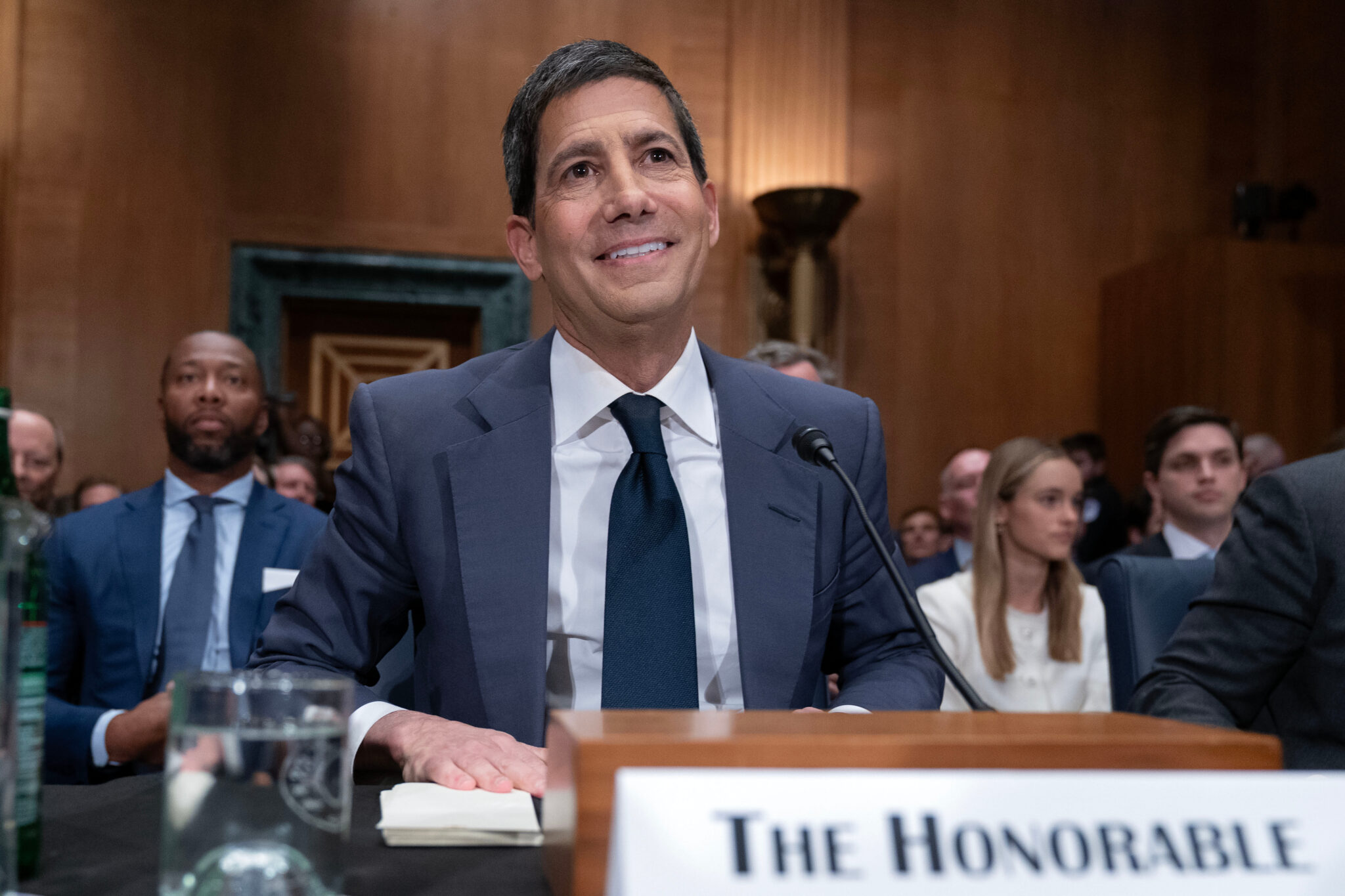
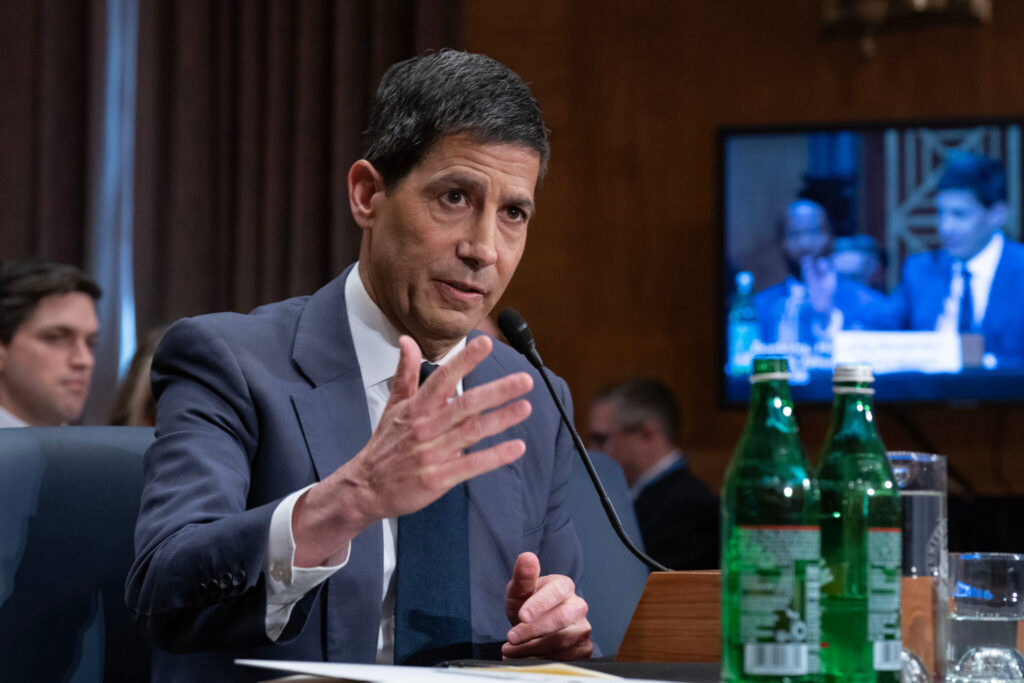
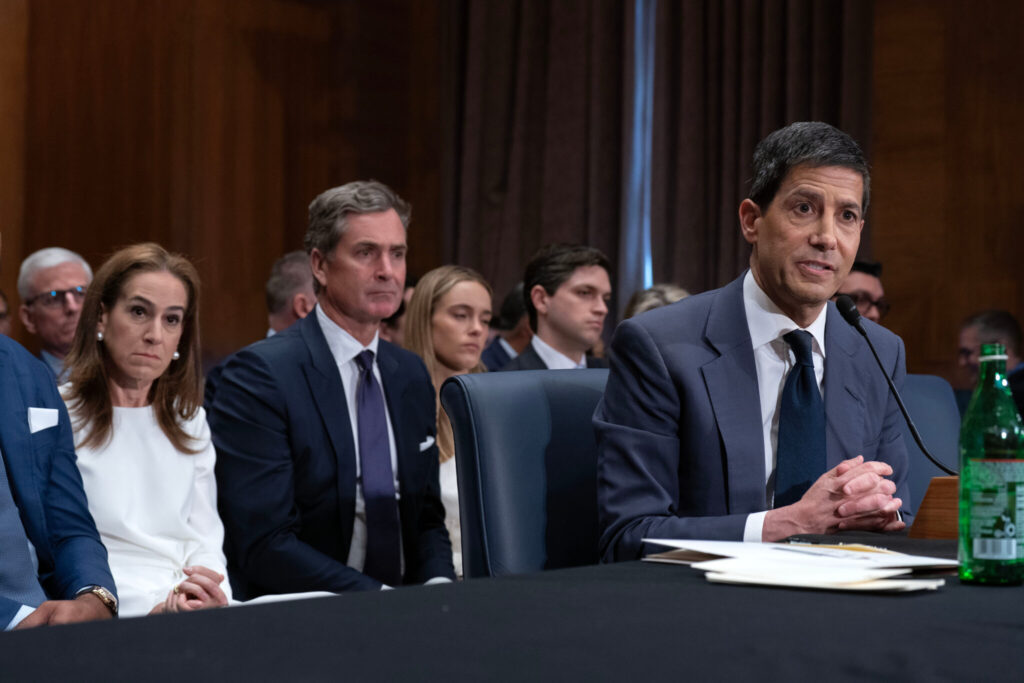
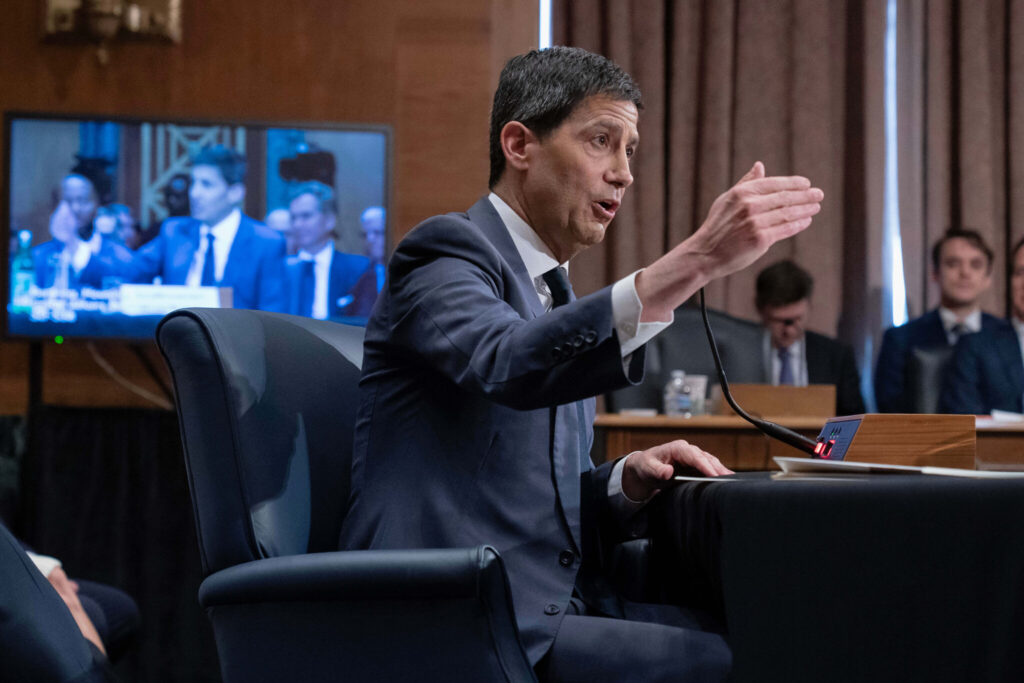
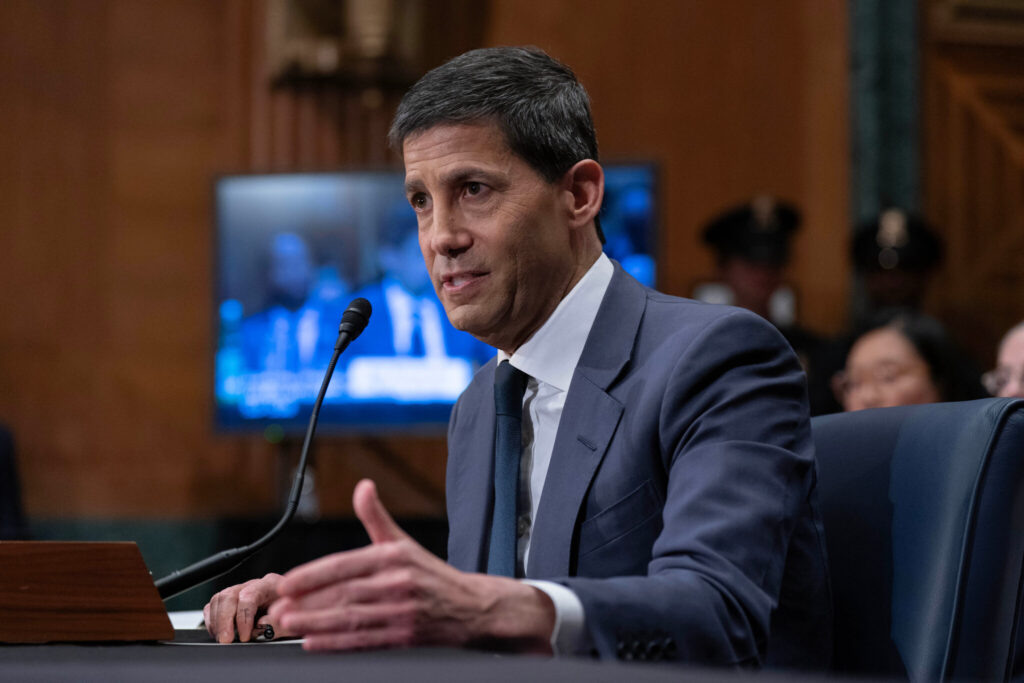
WASHINGTON — Kevin Warsh is one step closer to becoming the next chair of the Federal Reserve after the Senate Banking Committee approved President Donald Trump’s nomination on Wednesday.
The committee voted 13-11 strictly along party lines, with every Republican senator supporting Warsh and all Democrats voting against him.
Warsh is expected to replace current Federal Reserve Chair Jerome Powell, whose term as chair ends on May 15. A final confirmation vote by the full Senate is likely next month, though approval could come sooner depending on Senate scheduling.
The nomination marks a major moment for the future leadership of the central bank, especially as Trump has repeatedly criticized Powell for refusing to cut interest rates as aggressively as the president wanted.
Trump’s Longstanding Criticism of Jerome Powell
Jerome Powell has been one of Trump’s most frequent economic targets during his presidency, particularly over borrowing costs and the Federal Reserve’s handling of inflation.
Trump has often argued that the Fed should lower rates faster to boost economic growth and reduce borrowing costs for consumers and businesses.
Warsh, a former top Fed official himself, has also sharply criticized the institution and Powell’s leadership. He has described the inflation surge that reached 9.1% in 2022 as the Fed’s biggest policy failure in more than four decades.
His nomination signals that Trump wants stronger alignment between the White House and the central bank’s future monetary policy direction.
Powell Faces Possible Final Fed Meeting as Chair
Wednesday is also significant for Jerome Powell, who is presiding over what could be his final meeting leading the Fed’s interest rate-setting committee.
During his afternoon press conference, Powell may indicate whether he plans to remain on the Federal Reserve’s board of governors after his chairmanship officially ends.
It would be unusual for Powell to stay on the board, but doing so would prevent the Trump administration from immediately appointing another governor.
Some analysts believe Powell may remain if he sees it as necessary to protect the Fed’s independence, which has become a defining part of his leadership legacy.
Republicans Back Warsh, Democrats Push Back
Sen. Tim Scott, the South Carolina Republican who chairs the Senate Banking Committee, strongly supported Warsh’s nomination.
Scott described Warsh as “battle tested” and said, “It is incredibly important that we break the bind of Bidenomics on households across this nation.”
Democrats, however, strongly opposed the nomination and warned that Trump is trying to gain political control over the central bank.
Sen. Elizabeth Warren criticized the committee for advancing the nomination.
Doing so “will bring the president one step closer to completing his illegal attempt to seize control of the Fed and artificially juice the economy,” she said, citing Trump’s effort to fire Fed governor Lisa Cook and investigate Powell.
The disagreement highlights broader concerns over whether the Federal Reserve can maintain independence from political pressure.
Fed Expected to Hold Interest Rates Steady
While the political battle continues, the Federal Reserve is widely expected to keep its key interest rate unchanged at around 3.6% for a third straight meeting.
This decision would directly defy Trump’s repeated public calls for lower borrowing costs.
Warsh has publicly supported additional rate cuts, which could lower mortgage costs, auto loan payments, and business borrowing expenses.
However, major economic obstacles remain.
The ongoing Iran war has contributed to rising gas prices, pushing inflation to a two-year high of 3.3%, making it harder for the Fed to justify cutting rates too quickly.
Traditionally, the Fed keeps rates elevated—or even raises them—when inflation begins to accelerate.
Warsh Could Bring Major Changes to the Fed
Beyond interest rates, Warsh has called for what he described as “regime change” inside the Federal Reserve.
He could seek major changes in how the institution operates, including the economic models it relies on, the way it communicates with the public, and the long-term size of its bond holdings.
These internal shifts may not be immediately visible to everyday Americans, but they could significantly affect financial markets and investor confidence.
Warsh would also replace Stephen Miran, another Trump appointee who joined the Fed’s rate-setting committee last September and has consistently supported lower rates.
Still, most of the other 11 members of the committee appear cautious and prefer waiting to see where inflation and the broader economy move next.
That means even if confirmed, Warsh may need time to build enough support inside the Fed to push through rapid policy changes.
What Happens Next
The final Senate vote will determine whether Warsh officially takes over as chair, but his committee approval already signals a major shift in the future direction of U.S. monetary policy.
With Powell’s leadership nearing its end and inflation pressures still active, the Federal Reserve stands at one of its most closely watched transition points in years.
If confirmed, Warsh could reshape not only how the Fed manages interest rates, but also how independent the institution remains from White House influence.