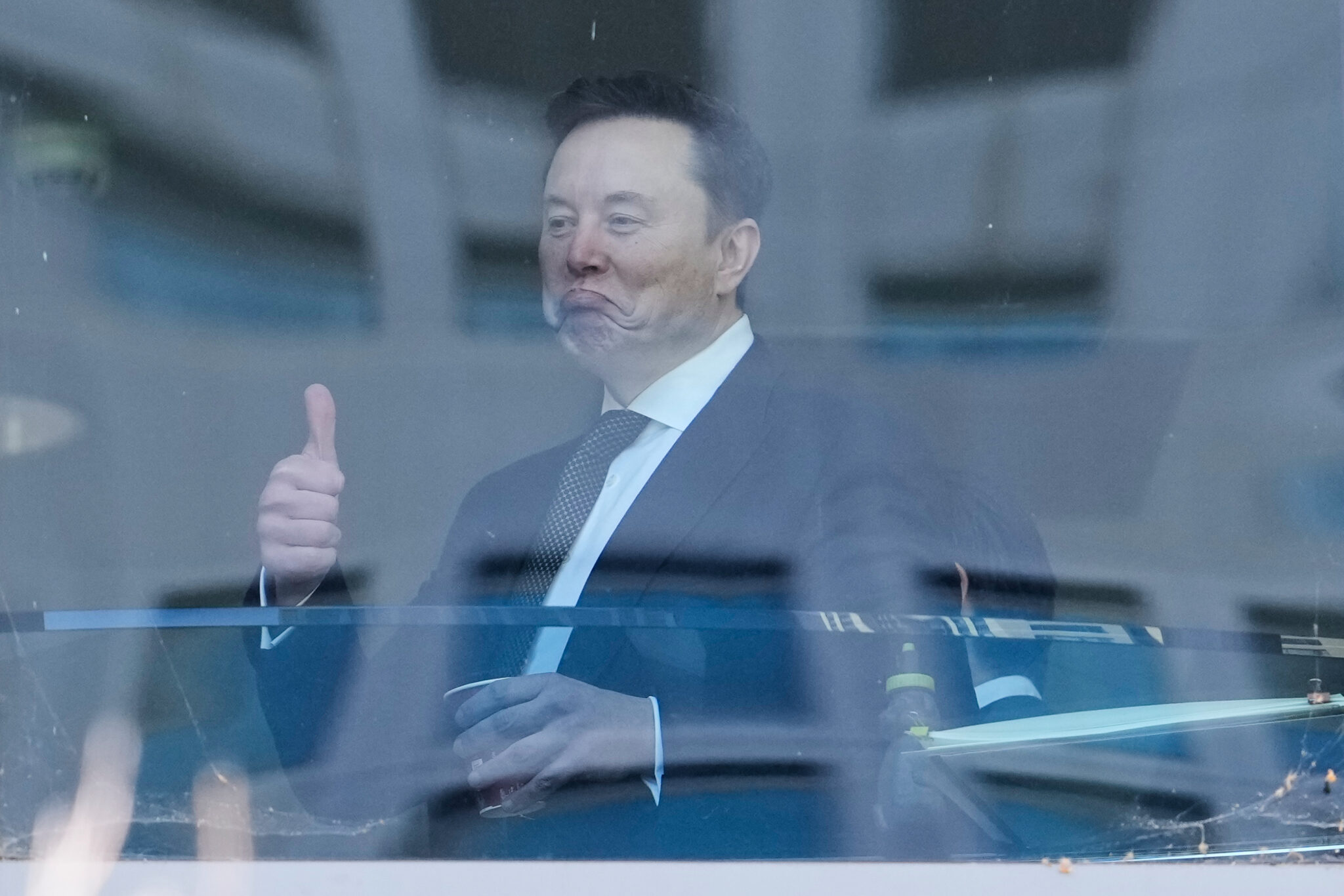
Elon Musk Testifies Against OpenAI Sam Altman in Landmark Trial/ Newslooks/ WASHINGTON/ J. Mansour/ Morning Edition/ Elon Musk testified for a second day in his major lawsuit against OpenAI and CEO Sam Altman over the company’s shift from nonprofit to for-profit operations. Musk says OpenAI betrayed its founding mission to benefit humanity and accused Altman of turning the company into a profit-driven business. OpenAI denies those claims and argues Musk is trying to weaken a rival to his own AI company, xAI.
Elon Musk OpenAI Trial Quick Looks
- Elon Musk testified for a second day in federal court
- The lawsuit centers on OpenAI’s shift from nonprofit to for-profit structure
- Musk says Sam Altman broke promises made during OpenAI’s founding
- OpenAI argues no promise existed to remain nonprofit forever
- Musk invested about $38 million in OpenAI between 2015 and 2017
- He says for-profit operations were only acceptable under nonprofit control
- OpenAI claims Musk is motivated by competition with his company xAI
- The trial could reshape the future structure of major AI companies
Deep Look
Musk Returns to Court in OpenAI Legal Fight
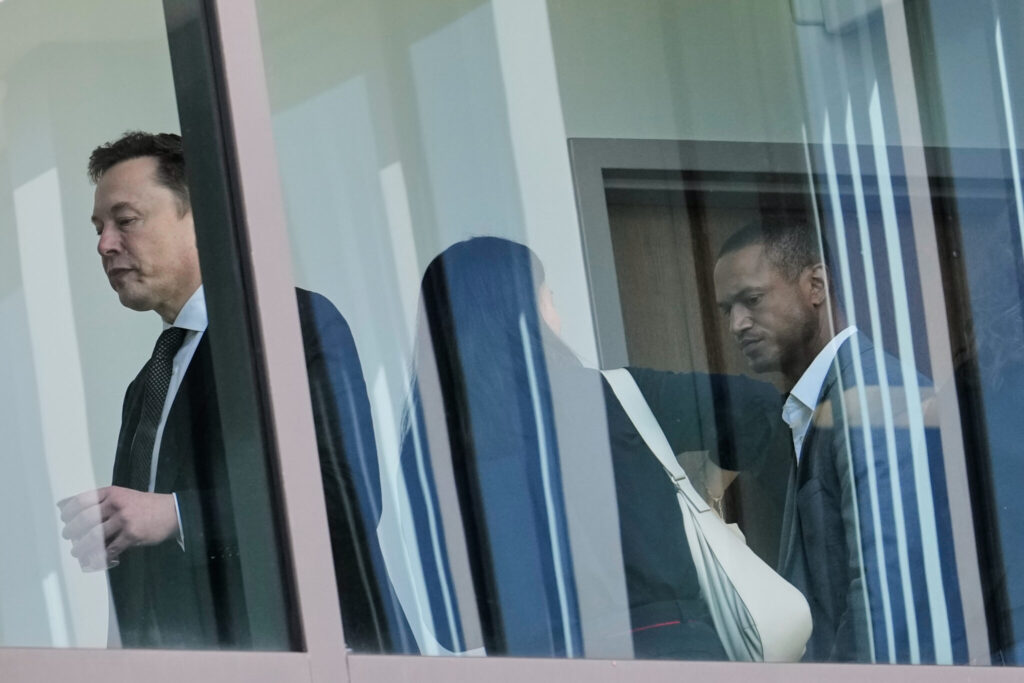
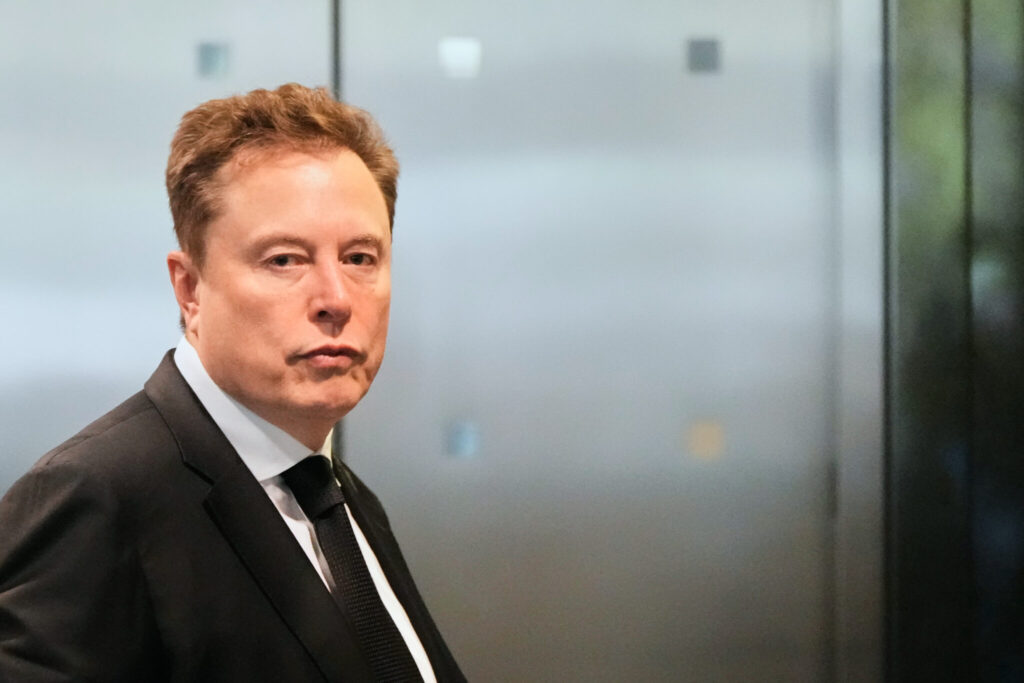
OAKLAND, Calif. — Elon Musk returned to the witness stand Wednesday for a second day of testimony in the closely watched trial between him and OpenAI CEO Sam Altman, a legal battle that could have major consequences for the future of artificial intelligence.
The case focuses on Musk’s claim that OpenAI abandoned its original nonprofit mission and transformed into a profit-driven company that no longer serves humanity’s broader interests.
Musk says he helped launch OpenAI in 2015 with the understanding that it would remain a nonprofit organization dedicated to safe and open AI development rather than shareholder profit.
Now, he argues, that promise has been broken.
Musk Says OpenAI Betrayed Its Original Mission
OpenAI, the creator of ChatGPT, started as a nonprofit startup and was largely funded by Musk during its early years.
Court records show Musk invested about $38 million in the company between December 2015 and May 2017.
Over time, however, OpenAI evolved into one of the most valuable technology companies in the world, with its estimated valuation now reaching around $852 billion.
Musk told the court that by late 2022, he believed the company had fully shifted away from its founding purpose.
Questioned by his attorney Steven Molo, Musk said he feared Altman was trying to take control of what was supposed to remain a charitable mission.
By that point, Musk said he believed Altman was trying to “steal the charity.”
“It turned out to be true,” Musk said on the witness stand.
Musk Accepted Limited For-Profit Structure
During testimony, much of the discussion centered on early emails between Musk and OpenAI executives about whether some form of for-profit structure would be necessary to fund the company’s long-term development.
Musk told the court he was not completely opposed to a for-profit model.
He said he supported the idea only if it existed as a subsidiary controlled by the nonprofit parent organization.
“What you can’t have is the for-profit become the main event, and that’s what we have here,” he told the court.
He explained that the nonprofit mission had to remain the central purpose of the company, while any for-profit operation should exist only to support that mission.
Emails Show Fight Over Control
Evidence shown in court included emails involving Musk’s direction to Jared Birchall, who manages his family office, to register a for-profit public benefit corporation in OpenAI’s name in 2017.
Musk said he did that “in case it was needed.”
He also acknowledged telling co-founders he needed control over the proposed structure.
“I needed to make sure it would go in the right direction and I was providing almost all the money,” he told the court.
When other co-founders pushed back, Musk said he believed they had changed their original agreement.
He testified that they had “gone back on what they had previously agreed” and that “what they really wanted to do is create a for-profit where they had as much shareholder ownership as possible.”
In another email shown to jurors, Musk wrote that he would “no longer fund OpenAI until you make a firm commitment to stay nonprofit.”
Looking back, he told the court: “I was a fool. I gave them free funding to create a startup.”
OpenAI Says Musk Is Protecting xAI
Lawyers for OpenAI strongly reject Musk’s accusations.
They argue there was never a permanent promise that OpenAI would remain nonprofit forever and say Musk’s lawsuit is driven by business competition rather than principle.
OpenAI says Musk is trying to slow the company’s rapid growth and strengthen his own artificial intelligence company, xAI, which he launched in 2023 as a direct competitor.
The company argues that Musk’s lawsuit is less about nonprofit values and more about challenging OpenAI’s dominance in the global AI race.
OpenAI is also preparing for what could become one of the biggest technology IPOs in recent years, adding even more financial importance to the trial.
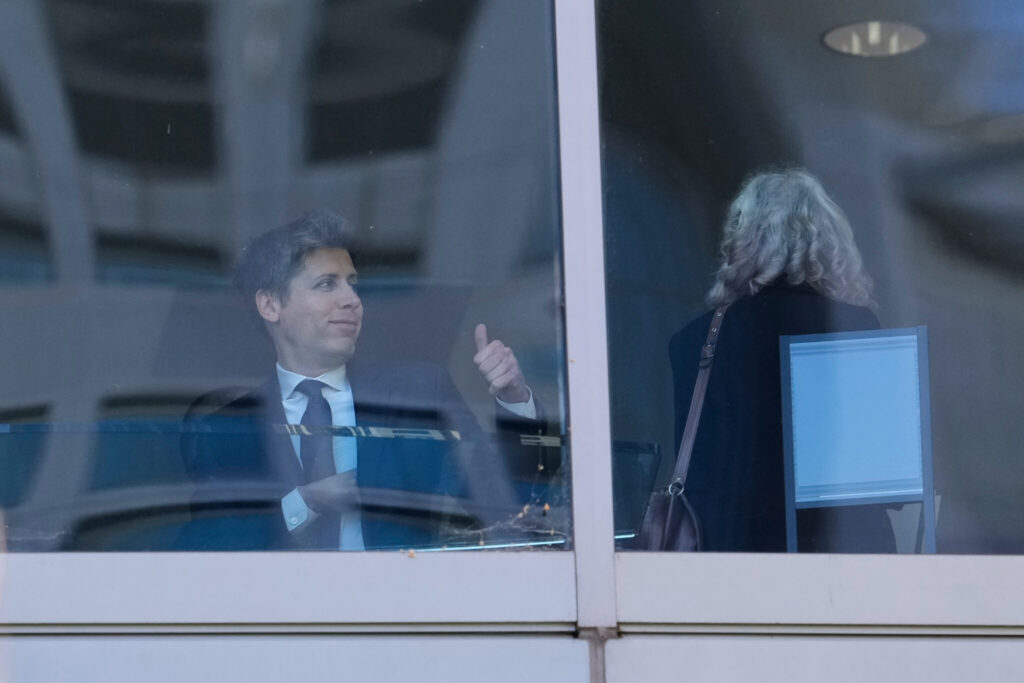
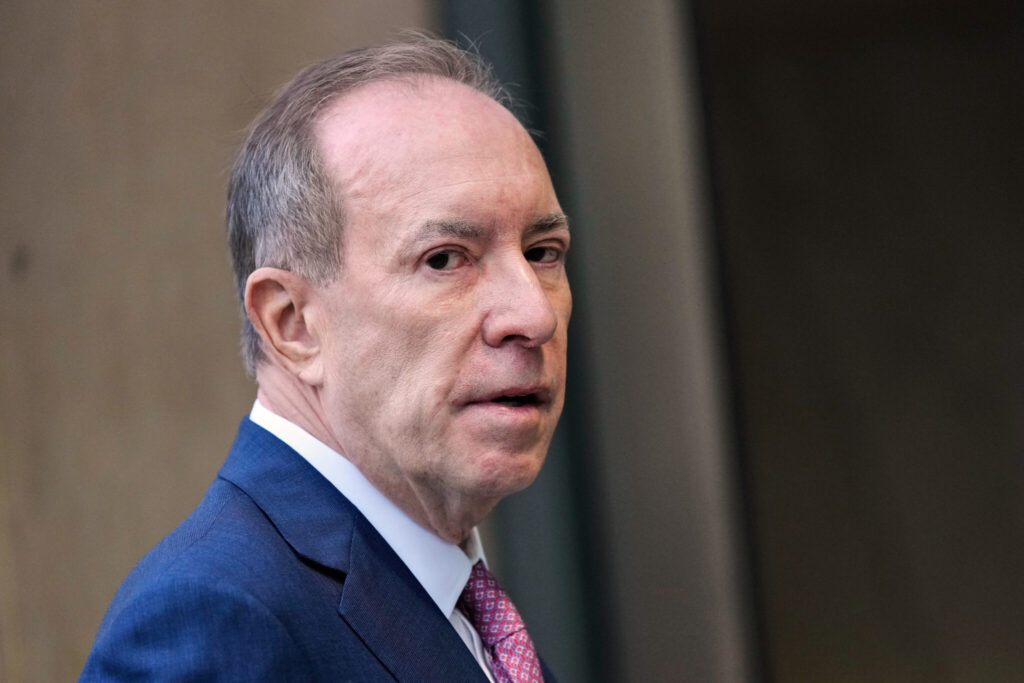
Sam Altman Watches from Courtroom
Sam Altman attended the hearing in federal court in Oakland but was not scheduled to testify on Wednesday.
The trial places two of the most recognizable figures in technology directly against each other in a legal fight that extends far beyond personal conflict.
It represents a broader battle over how artificial intelligence should be built, funded, and controlled.
Musk argues AI should remain transparent and centered on public benefit.
OpenAI says large-scale innovation requires significant capital and flexible corporate structures.
Trial Could Shape AI’s Future
The trial began Monday and is expected to last around three weeks.
A nine-person jury will advise U.S. District Judge Yvonne Gonzalez Rogers, who will ultimately decide whether to grant Musk’s requested remedies.
Those requests include forcing OpenAI to return to a nonprofit structure, removing Altman and OpenAI President Greg Brockman from leadership, and awarding $130 billion in damages to OpenAI’s nonprofit foundation.
Before testimony began, Judge Rogers warned both sides to avoid using social media to inflame the case.
“All of you try to control your propensity to use social media to make things worse outside this courtroom,” she said.
For now, the courtroom battle between Musk and Altman may determine not only the future of OpenAI, but also how the AI industry itself evolves.