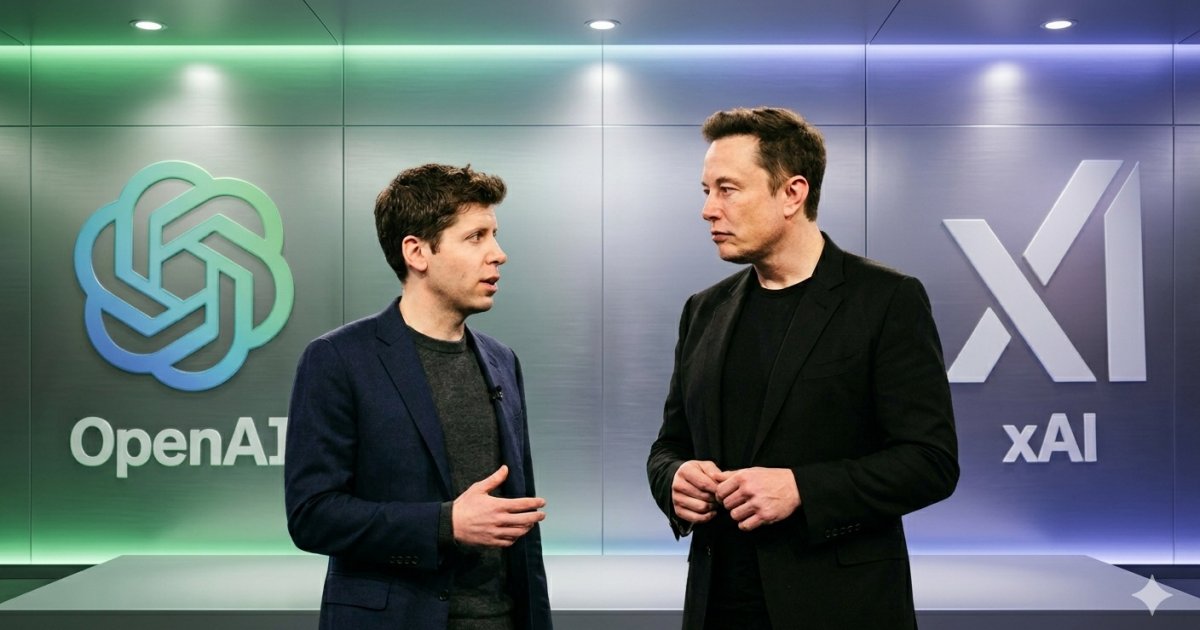
Elon Musk Says OpenAI ‘Stole a Charity’ as Explosive Trial Against Sam Altman Begins/ Newslooks/ WASHINGTON/ J. Mansour/ Morning Edition/ Elon Musk’s high-stakes trial against OpenAI, CEO Sam Altman, and Microsoft began Tuesday in California with claims that the company abandoned its nonprofit mission for profit. Musk’s lawyer told jurors OpenAI “stole a charity” by transforming into a profit-driven AI giant instead of serving humanity. The case could impact OpenAI’s future IPO plans and reshape public trust in the fast-growing artificial intelligence industry.
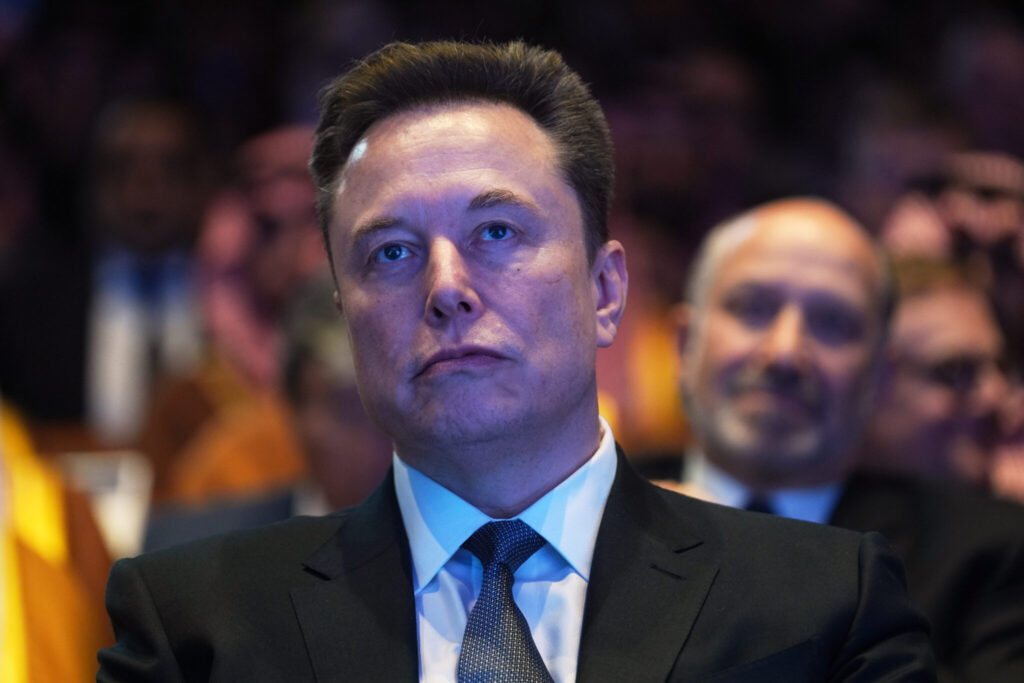
Musk OpenAI Trial Quick Looks
- Elon Musk seeks $150 billion in damages
- Trial begins in federal court in Oakland, California
- Musk accuses OpenAI of betraying its nonprofit mission
- Lawyer says defendants “stole a charity”
- Sam Altman and Greg Brockman named in lawsuit
- Microsoft also included as major OpenAI investor
- Judge questions Musk’s social media activity during trial
- Verdict on liability could come by mid-May
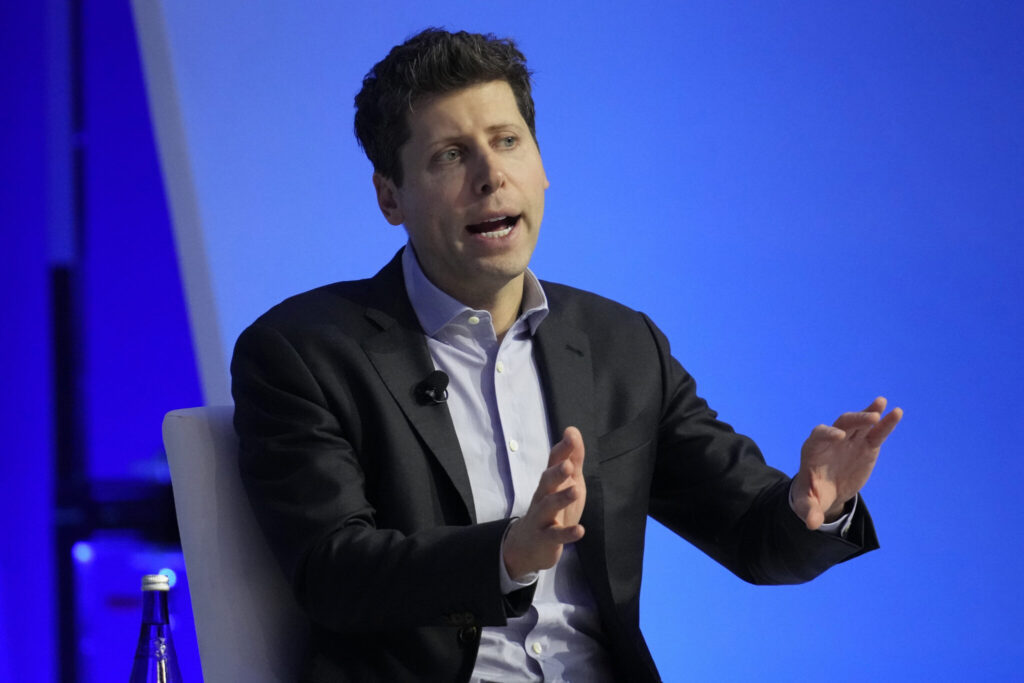
Deep Look
Elon Musk Opens Court Battle Against OpenAI
Elon Musk’s long-running legal war against OpenAI officially entered trial Tuesday, with explosive accusations that the company betrayed its founding purpose and transformed itself into a profit machine.
In federal court in Oakland, California, Musk’s attorney delivered a sharp opening statement, accusing OpenAI and its leadership of abandoning their original promise to develop artificial intelligence for the benefit of humanity.
“The defendants in the case stole a charity, and we’re asking you to hold them accountable,” attorney Steven Molo told jurors.
At stake is not only billions of dollars, but also the future structure of one of the world’s most powerful AI companies.
Musk Wants $150 Billion and Structural Change
Musk is seeking a staggering $150 billion in damages from OpenAI and Microsoft.
Rather than personal compensation, he says the money should go to OpenAI’s charitable arm.
He also wants the company forced back into nonprofit status and is asking the court to remove Altman and Brockman from leadership positions, while also removing Altman from the board.
The lawsuit argues that OpenAI’s original nonprofit mission was intentionally abandoned when the company shifted into a profit-driven structure.
Musk says that change violated the trust placed in the organization when it was created in 2015.
According to his legal team, OpenAI was never meant to become a commercial empire built around investor returns.
The Original Vision: AI for Humanity
OpenAI was founded by Musk and Altman with a mission to develop artificial intelligence safely and for the public good.
The idea was to ensure that advanced AI would not be controlled by a few corporations or become dangerous without oversight.
Musk’s lawyer said the concern became especially serious after discussions around AI risks during the Obama administration.
“Elon became more worried,” Molo told jurors, saying Musk wanted AI developed safely before it became too powerful.
He argued that Musk helped recruit top scientists like Ilya Sutskever, provided seed funding, and used his business experience to help OpenAI grow.
“Without Elon Musk, there would be no OpenAI,” Molo said.
OpenAI Says Musk Is Motivated by Jealousy
OpenAI strongly rejects Musk’s claims and argues that he is acting out of frustration and competitive jealousy.
The company says Musk knew about and supported the move toward a for-profit structure.
According to OpenAI, Musk only turned against the company after he failed to become CEO and later launched his own rival artificial intelligence company, xAI.
OpenAI says the lawsuit is less about principles and more about competition.
The company argues Musk is trying to slow OpenAI’s growth while helping his own AI business catch up.
That claim could become a major theme of the trial.
Judge Warns Musk Over Social Media
Before jurors were even seated, the courtroom drama spilled onto social media.
OpenAI lawyers raised concerns about Musk’s repeated posts on X, where he called Altman “Scam Altman” and accused him publicly of stealing a charity.
U.S. District Judge Yvonne Gonzalez Rogers addressed Musk directly and warned him about trying to influence the case outside the courtroom.
She said she did not want to impose a gag order but urged him to limit public commentary.
“Try to control your propensity to use social media to make things work outside the courtroom,” she told him.
Musk agreed to reduce his social media activity during the trial, and Altman agreed to do the same.
Microsoft Also Pulled Into the Fight
Microsoft is also a major defendant because of its deep financial relationship with OpenAI.
The tech giant invested heavily in the company and helped transform it into one of the most powerful players in artificial intelligence.
Musk argues that Microsoft’s influence accelerated OpenAI’s shift away from nonprofit principles.
The company also rejects any claim of collusion and says it played no role in the alleged betrayal of OpenAI’s founding mission.
OpenAI’s Massive Valuation Raises the Stakes
The trial arrives at a critical moment for OpenAI.
The company is reportedly considering a future initial public offering that could value it at as much as $1 trillion.
That possibility makes this case especially important.
Any ruling that casts doubt on leadership, governance, or corporate structure could complicate investor confidence and delay major public market plans.
OpenAI has already restructured again, becoming a public benefit corporation in an effort to remain investor-friendly while preserving its charitable roots.
Its nonprofit arm still holds a 26% stake and additional warrants tied to valuation milestones.
That structure could become central evidence during the trial.
AI Industry Watching Closely
This lawsuit is bigger than a personal fight between billionaires.
It could shape how courts and regulators view the responsibilities of AI companies as they become more powerful.
OpenAI’s rise—from a nonprofit lab in Brockman’s apartment to a company worth hundreds of billions—reflects how quickly the industry has changed.
Critics worry that massive spending on AI may be creating a financial bubble.
Supporters argue the investment is necessary to build the next generation of technology.
If Musk succeeds, it could force deeper scrutiny of how AI companies are structured and who controls them.
Witness List Includes Tech Giants
The trial is expected to feature testimony from some of the biggest names in technology.
That includes Musk, Altman, Brockman, and Microsoft CEO Satya Nadella.
Their testimony could provide rare public insight into the private decisions that shaped OpenAI’s rise.
The courtroom may reveal how leadership conflicts, business strategy, and personal rivalries influenced one of the most important companies in the AI race.
It could also expose how much tension exists between former partners who helped create the industry’s most influential company.
Verdict Could Come by Mid-May
Judge Rogers has said she wants jurors to begin deliberating on liability by May 12.
If jurors find OpenAI and the defendants liable, both sides will then argue possible remedies before the judge.
That means the legal and financial consequences could stretch far beyond the first verdict.
For Musk, it is a fight over the soul of artificial intelligence.
For OpenAI, it is a battle over survival, reputation, and its future as a global AI leader.
And for the tech world, it may become one of the most important courtroom battles of the AI era.