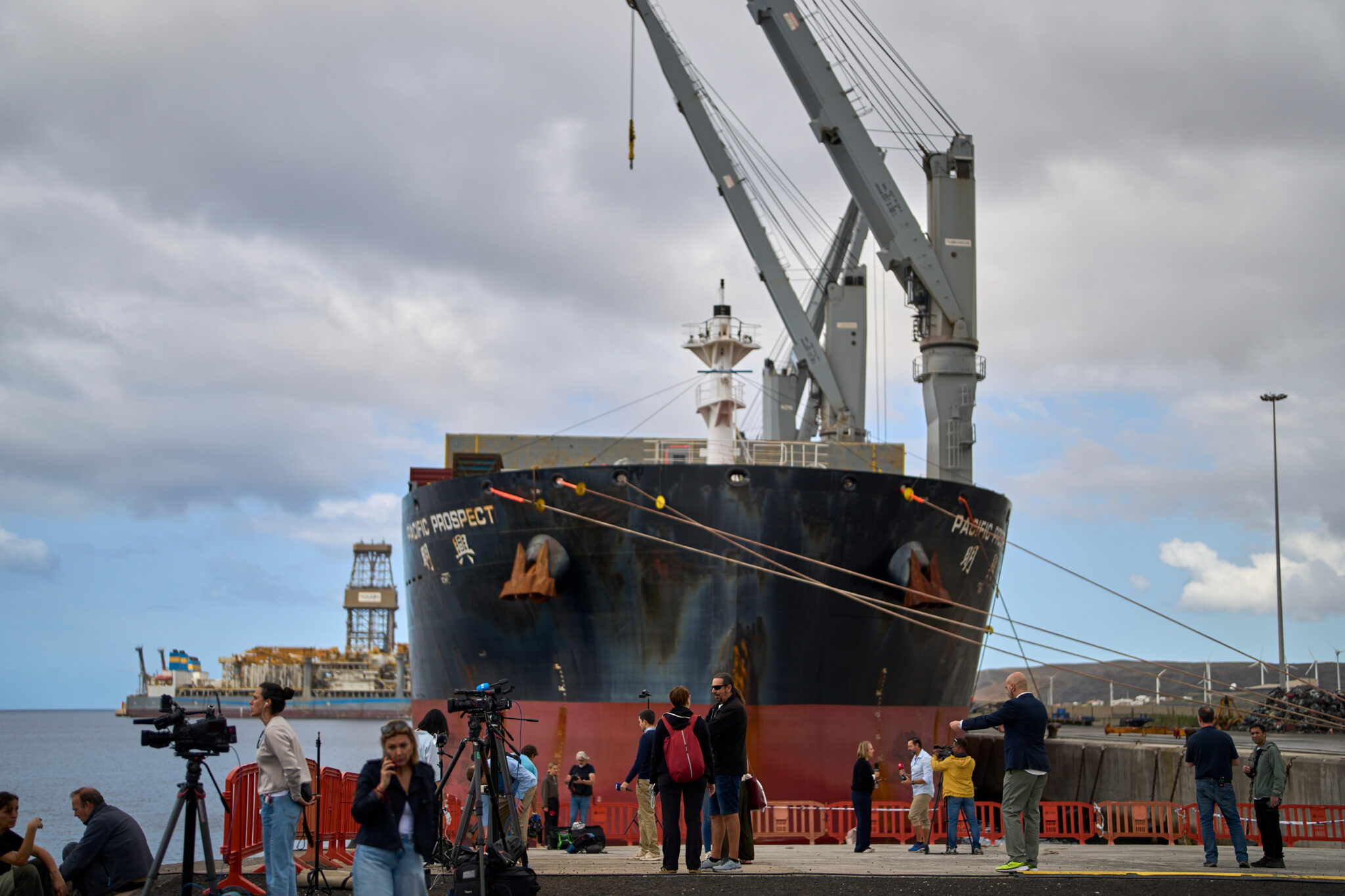
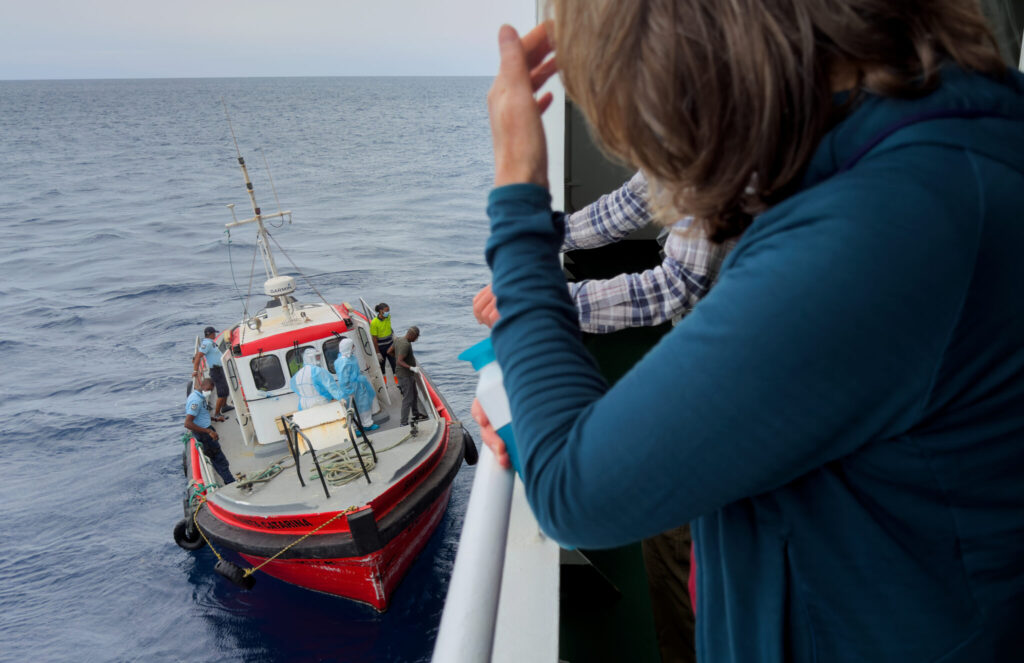
WHO Scrambles To Contain Cruise Ship Hantavirus Outbreak/ Newslooks/ WASHINGTON/ J. Mansour/ Morning Edition/ The World Health Organization is urgently developing protocols to contain the first recorded hantavirus outbreak aboard a cruise ship. At least three people have died and multiple infections are linked to the Andes hantavirus strain. Health officials are preparing quarantine, contact tracing and monitoring plans before passengers disembark in Tenerife.
Hantavirus Outbreak Quick Looks
- WHO drafting emergency response protocols
- First recorded ship-borne hantavirus outbreak
- Three deaths linked to Andes virus strain
- Cruise ship expected in Tenerife Sunday
- Passengers categorized by infection risk levels
- UK preparing strict quarantine for returning citizens
Deep Look
WHO Rushes To Prepare Cruise Ship Hantavirus Guidance
World Health Organization officials are racing to finalize emergency protocols ahead of a cruise ship carrying passengers linked to the world’s first recorded ship-borne hantavirus outbreak. Hantavirus infections connected to the voyage have already killed three people and sickened at least eight others.
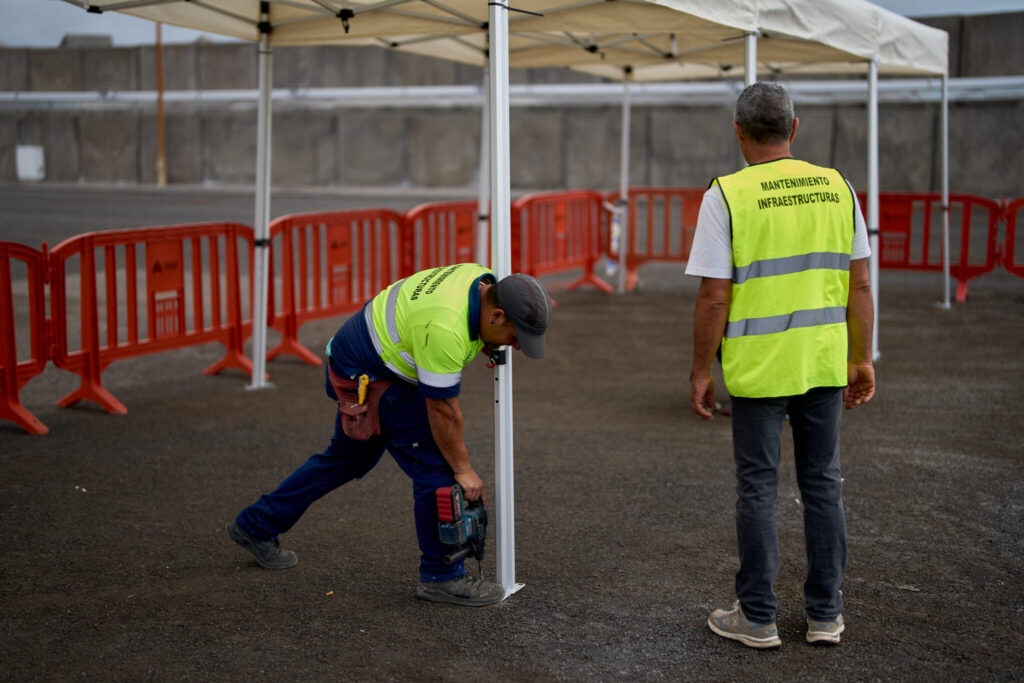
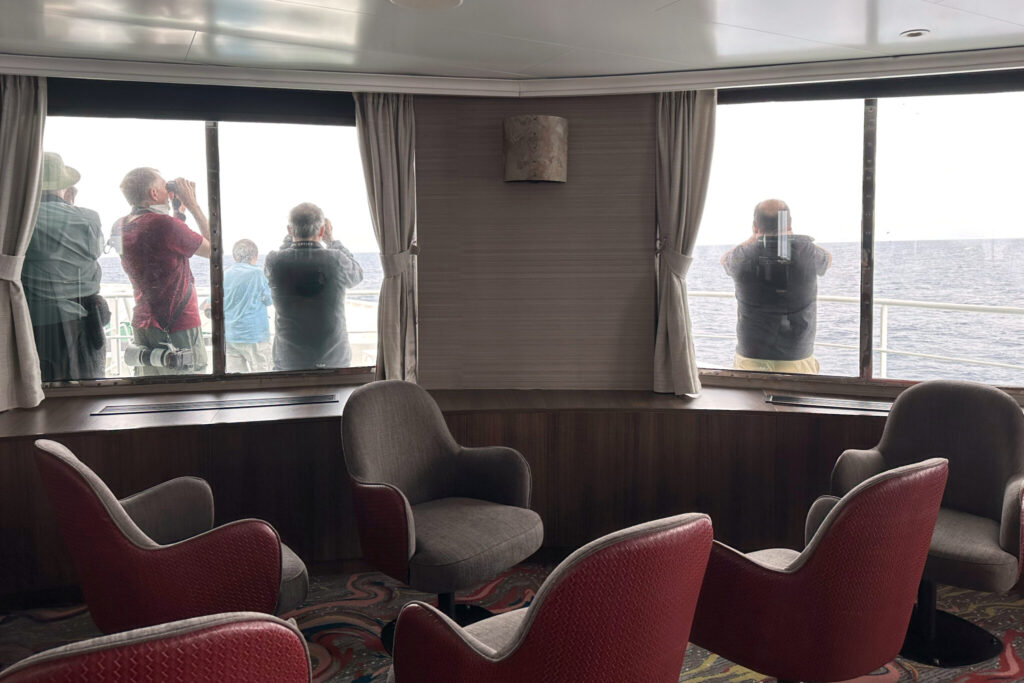
The ship is expected to arrive Sunday in Tenerife, where nearly 150 passengers may soon disembark under strict health measures.
Health experts say the outbreak is unprecedented because hantavirus infections are typically associated with exposure to infected rodents or contaminated environments — not transmission aboard passenger vessels.
As a result, international health agencies are now adapting public health strategies used during previous outbreaks on land to the unique conditions of a cruise ship environment.
Officials Look To Argentina Outbreak For Guidance
WHO experts are relying heavily on lessons learned during an Andes hantavirus outbreak in Argentina between 2018 and 2019.
That outbreak infected 34 people and killed 11 before authorities successfully contained the virus through aggressive monitoring, isolation and contact tracing.
“If we follow public health measures and the lessons we learned from Argentina … we can break this chain of transmission. This doesn’t need to be a large epidemic,” said Abdi Rahman Mahamud, director of the WHO’s alert and response coordination department.
The Andes strain is especially concerning because it is one of the few hantavirus variants known to spread between humans through close and prolonged contact.
Health officials say transmission usually occurs when infected individuals are already showing symptoms, offering authorities a critical opportunity to interrupt spread through rapid intervention.
Passengers Face Monitoring And Potential Isolation
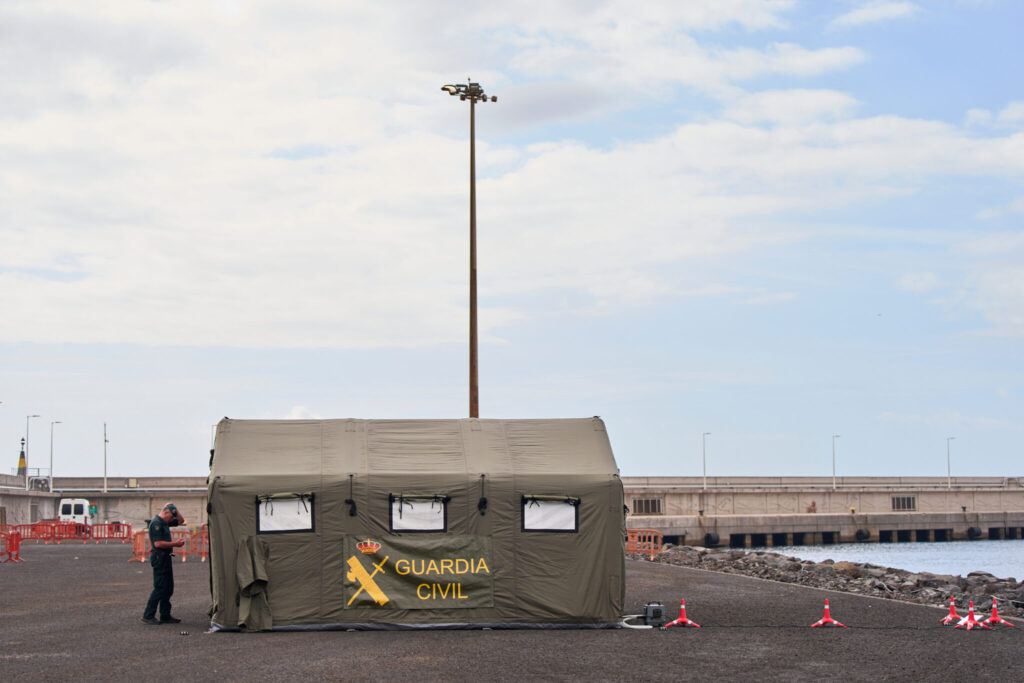
WHO officials are now preparing recommendations that could include temperature checks, daily health monitoring and extended isolation periods for exposed passengers.
Anais Legand, a WHO technical officer specializing in viral threats, said some passengers may be advised to monitor symptoms for at least 42 days because the Andes virus can have a long incubation period.
“The focus was on isolation for sick people, and monitoring and quarantining for other passengers,” Mahamud said.
Passengers aboard the cruise ship are currently being categorized into high-risk and low-risk groups depending on their exposure to infected travelers.
Authorities are also prioritizing contact tracing for passengers who may have already left the ship before the outbreak was fully recognized.
Experts say these traditional outbreak-control methods remain essential even in unusual settings like cruise ships.
“It’s the same principle as for measles, or Ebola. Contact tracing doesn’t change,” said Krutika Kuppalli, an associate professor of medicine at the University of Texas Southwestern Medical Center.
United Kingdom Plans Strict Repatriation Measures
Some governments have already begun implementing their own containment strategies ahead of the ship’s arrival in Spain.
The United Kingdom announced plans Friday to repatriate British citizens from the ship using strict infection-control procedures.
Returning passengers will reportedly be asked to isolate for 45 days and undergo testing as needed.
Health officials say the long quarantine period reflects concern about the virus’s delayed symptom onset and high fatality rate.
Certain hantavirus strains can kill up to 50% of infected individuals depending on severity and access to medical treatment.
Experts Warn Hantaviruses Need Greater Attention
Scientists advising the WHO say the cruise ship outbreak highlights the broader risks posed by hantaviruses globally.
Gustavo Palacios, a professor at the Icahn School of Medicine at Mount Sinai and a co-author of research into the Argentina outbreak, said the current situation should increase awareness about the dangers of hantavirus transmission.
“We essentially learned that once you implement basic measures of social distancing, that are essentially very simple – stay home when you are not feeling well – that diminished the circulation and the outbreak burned out,” Palacios said.
He added that he hopes the international response to the cruise ship outbreak will encourage stronger preparedness for future hantavirus threats.
The WHO said Thursday evening that its official guidance for handling the outbreak remains under final review as global health officials continue coordinating response efforts.