Trump Doubles Down On Prioritizing Iran War Over Americans’ Financial Pains/ Newslooks/ WASHINGTON/ J. Mansour/ Morning Edition/ President Donald Trump defended prioritizing the Iran conflict over Americans’ financial struggles during a Fox News interview. Trump argued preventing Iran from obtaining nuclear weapons outweighs short-term economic pain caused by soaring gas and food prices. The remarks come as inflation and energy costs continue rising amid the ongoing war.
Trump Iran War Comments Quick Looks
- Trump called his earlier remarks a “perfect statement”
- President says stopping Iran’s nuclear ambitions is top priority
- Gas prices have surged roughly 50% since war began
- National average gasoline price now near $4.52 per gallon
- Strait of Hormuz disruption continues impacting global oil markets
- White House says national security outweighs temporary hardship
- Critics argue rising inflation is hurting American households
- Iran conflict remains central issue in global economic instability
Deep Look
Trump Defends Prioritizing Iran Conflict Despite Economic Pain
President Donald Trump is standing firmly behind remarks suggesting Americans’ financial struggles are secondary to preventing Iran from obtaining nuclear weapons.
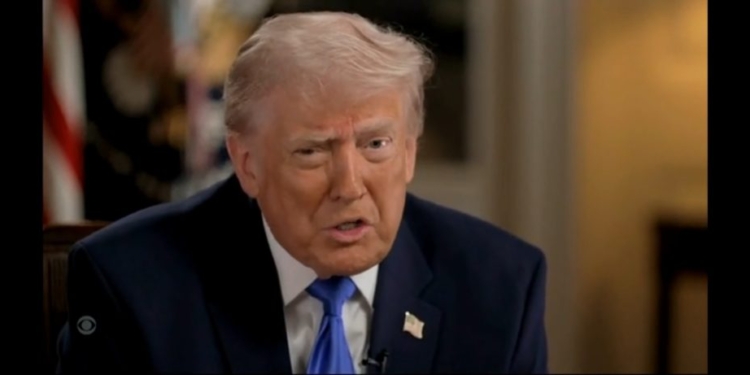
During an interview with Fox News anchor Bret Baier, Trump defended comments he previously made to Daily Caller White House Correspondent Reagan Reese, where he said Americans’ economic hardships were “not even a little bit” of a factor in his administration’s Iran policy.
Trump told Baier he had no regrets about the statement.
“That’s a perfect statement. I’d make it again,” Trump said during the interview.
The president argued that preventing Iran from becoming a nuclear power outweighs the short-term economic burden currently facing American households.
Trump Says Economic Pain Is Temporary
Trump emphasized that higher prices tied to the war would eventually ease and framed the sacrifices as necessary for national security.
“It’s very simple: when people hear me say it, everybody agrees,” Trump told Baier. “Short-term pain. It’s gonna be short-term pain.”
The administration has consistently argued that Iran’s nuclear ambitions pose a direct threat to American security interests and global stability.
White House Communications Director Steven Cheung reinforced that message earlier this week.
“The President’s ultimate responsibility is the safety and security of Americans,” Cheung said. “Iran cannot have a nuclear weapon, and if action wasn’t taken, they’d have one, which threatens all Americans.”
Rising Gas Prices Intensify Economic Pressure
Trump’s comments come as Americans continue dealing with sharp increases in fuel and consumer prices linked to the ongoing Iran conflict.
According to national averages cited in the report:
- Gas prices have climbed roughly 50% since the war began
- The national average sits near $4.52 per gallon
- Food and transportation costs have also increased
The economic pressure has been heavily tied to instability around the Strait of Hormuz, one of the world’s most critical energy chokepoints.
Approximately 34% of global crude oil shipments pass through the narrow waterway, according to the International Energy Agency.
Iran’s actions in and around the strait have disrupted shipping routes and added volatility to global energy markets.
Inflation Concerns Continue to Grow
The Iran war’s economic fallout has become a growing political issue heading into the 2026 midterm elections.
Recent inflation reports have shown:
- Rising wholesale prices
- Higher consumer inflation
- Increased transportation costs
- More expensive food and household goods
The Federal Reserve has also expressed concern about persistent inflationary pressures tied to energy prices and geopolitical instability.
At the same time, Americans continue facing elevated housing, insurance and borrowing costs after years of inflation.
Critics argue the administration’s messaging risks alienating voters already struggling with affordability concerns.
White House Maintains National Security Focus
Despite political criticism, the Trump administration has continued framing the conflict primarily through the lens of security and deterrence.
Trump has repeatedly stated he believes Iran cannot be allowed to develop nuclear weapons under any circumstances.
Administration officials argue that economic sacrifices now are preferable to a larger regional conflict or future nuclear confrontation.
The White House has also been pressing international partners, including China, to help pressure Iran to reopen the Strait of Hormuz and return to diplomatic negotiations.
Iran Conflict Dominates Global Markets
The ongoing war has reshaped global economic forecasts and financial markets over the past several months.
Key developments include:
- Oil prices surging above $100 per barrel
- Rising shipping and freight costs
- Market volatility tied to Middle East tensions
- Delayed expectations for Federal Reserve rate cuts
Economists warn prolonged instability could place additional strain on both consumers and businesses if energy prices remain elevated through summer and fall.
For now, Trump appears determined to defend the administration’s strategy, even as economic anxiety grows among voters.