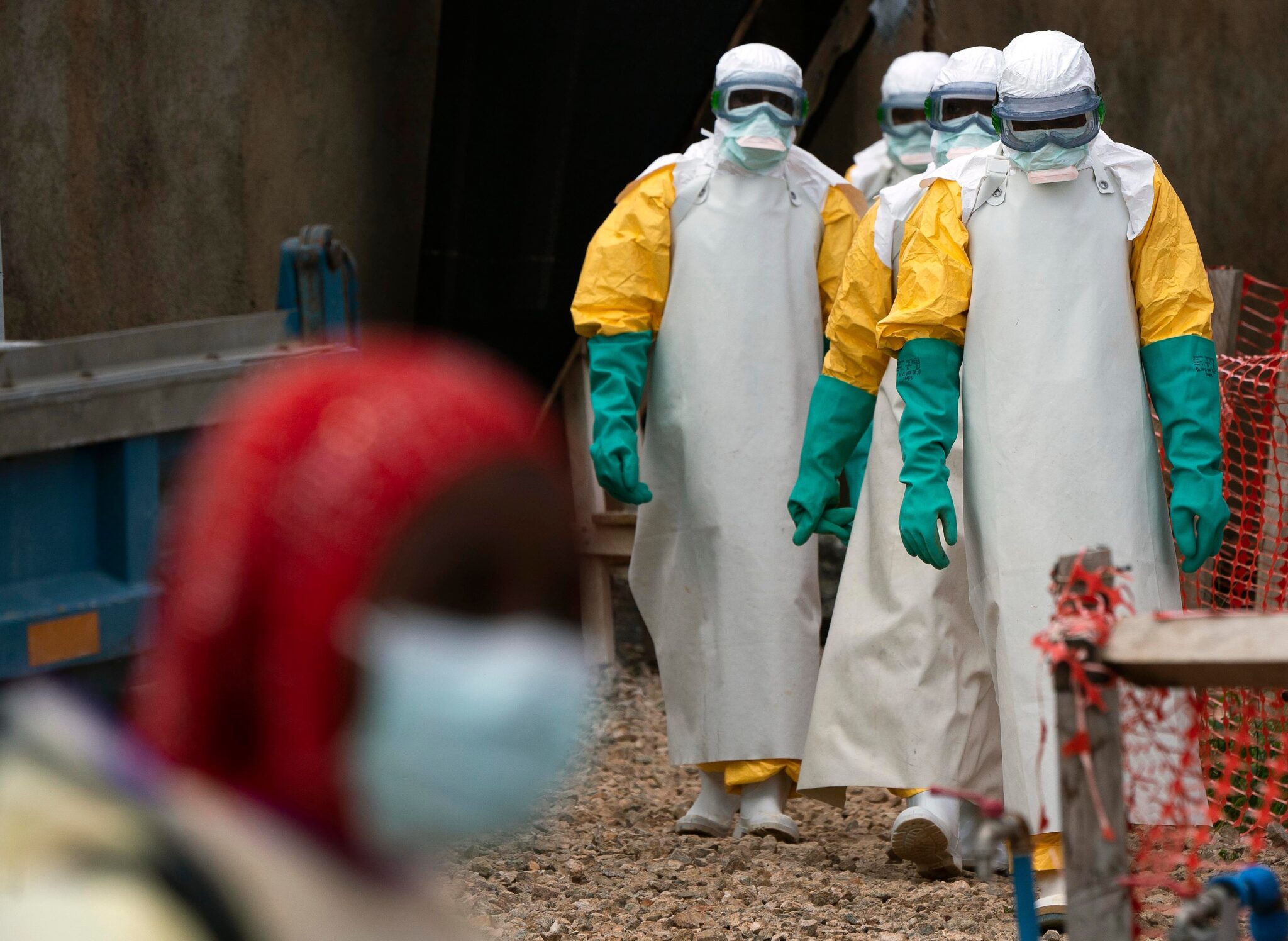
Ebola Outbreaks Renew Africa’s Fight for ‘Health Sovereignty’/ Newslooks/ WASHINGTON/ J. Mansour/ Morning Edition/ African governments are accelerating efforts toward “health sovereignty” as global donor funding sharply declines. New Ebola outbreaks in Congo and Uganda have intensified concerns over Africa’s ability to respond to health emergencies independently. Leaders across the continent are pushing for domestic financing, vaccine production, and reduced reliance on foreign aid.
Africa Health Sovereignty Quick Looks
- Ebola outbreaks are increasing pressure on African health systems
- International health assistance to Africa has dropped sharply
- Africa CDC warns of a growing financing crisis
- African nations are promoting “health sovereignty” initiatives
- The continent imports more than 90% of vaccines and medicines
- Health emergencies in Africa continue rising rapidly
- Countries are exploring taxes and local manufacturing to fund healthcare
- Trump administration aid policies include strict co-financing requirements
- Debt burdens are limiting health spending across Africa
- Experts warn that reduced aid could worsen public health crises
Deep Look
Africa Faces New Health Crisis Amid Shrinking Aid
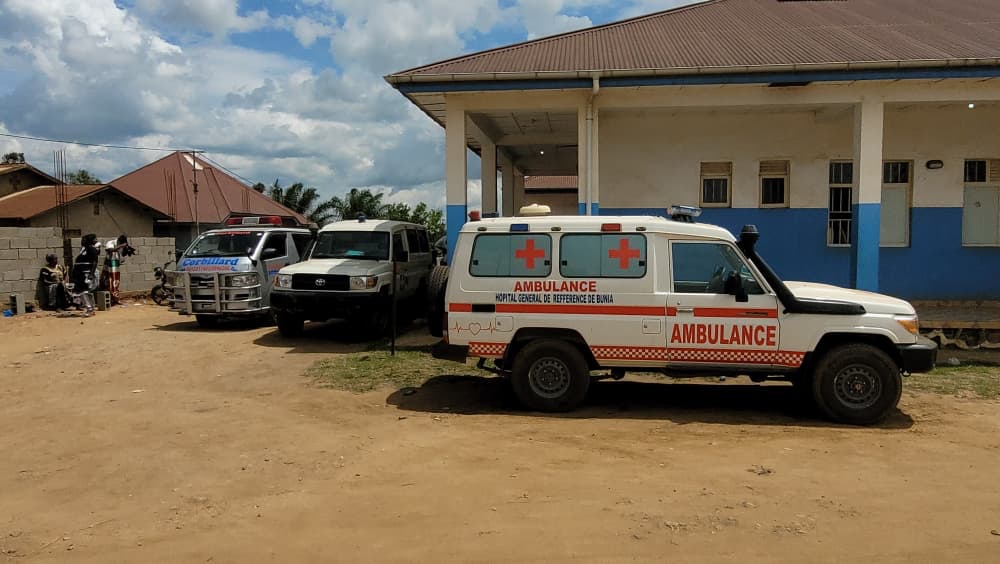
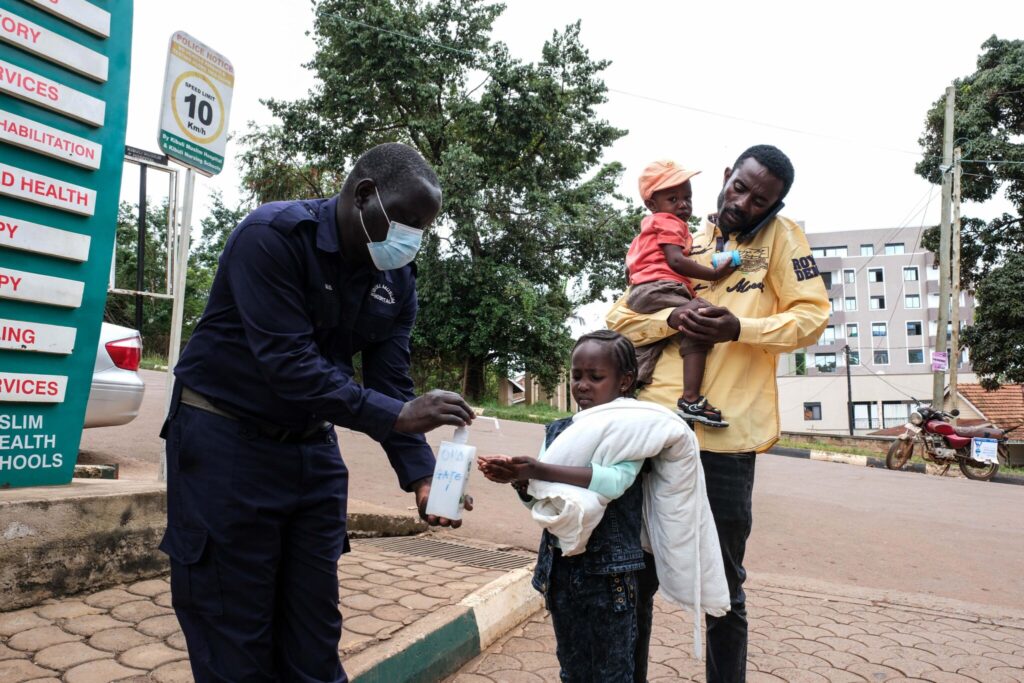
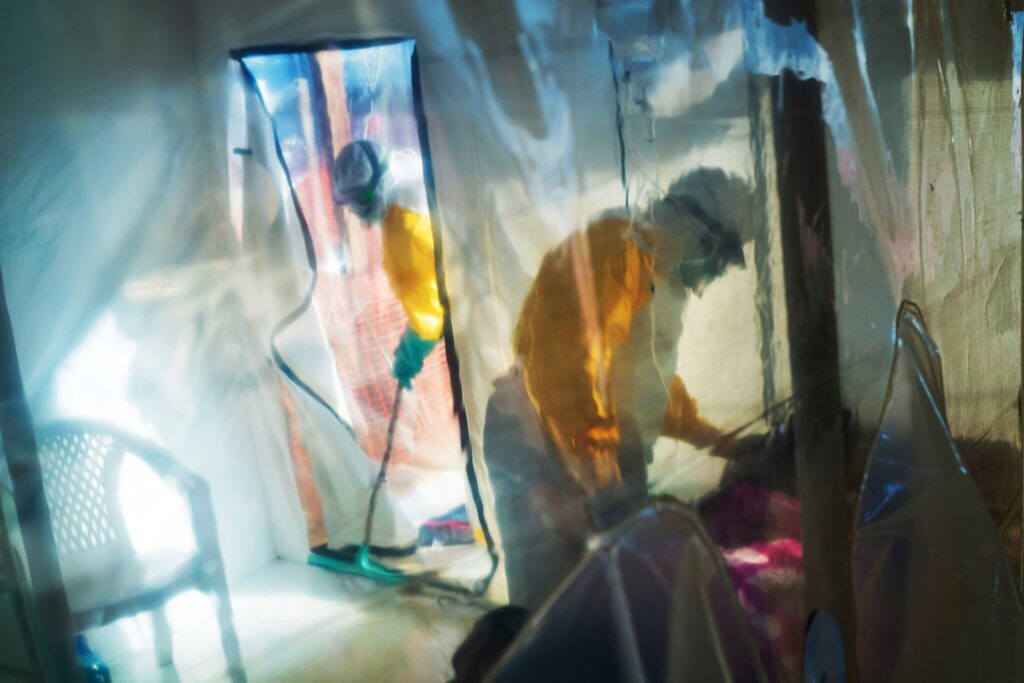
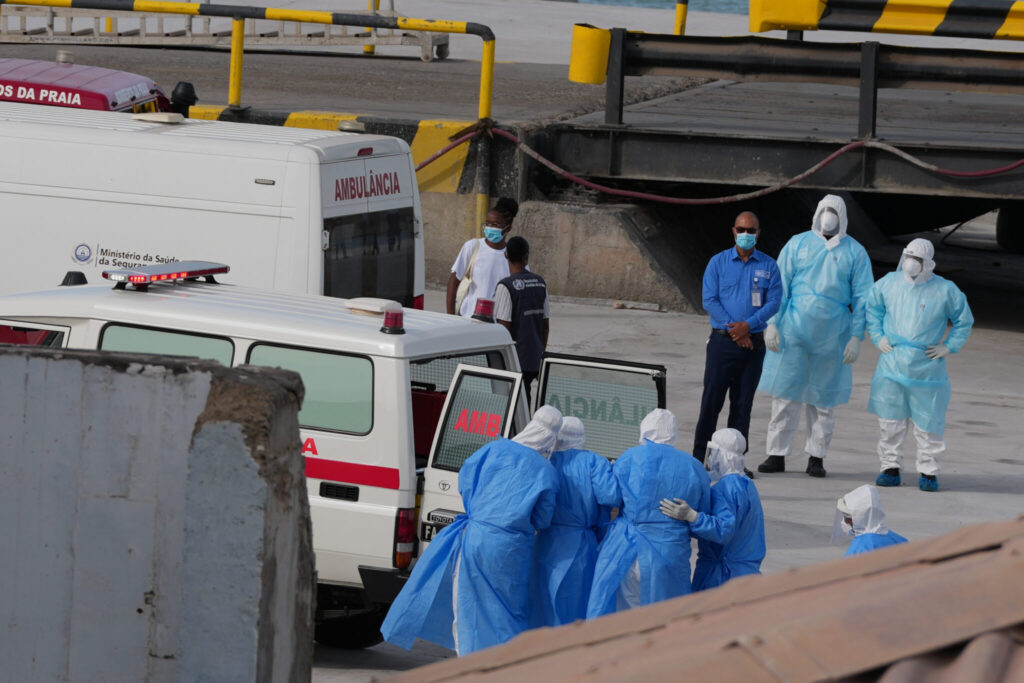
A deadly Ebola outbreak in Congo and Uganda is forcing African governments to confront a growing healthcare funding crisis as international donor support rapidly declines.
The outbreak, involving an Ebola strain with no approved vaccine or therapeutic treatment, has heightened concerns across the continent just days after a separate hantavirus outbreak aboard a cruise ship placed health officials on alert.
The dual emergencies have intensified conversations about “health sovereignty,” a term increasingly used by African leaders seeking greater independence from foreign aid systems.
Health experts warn that Africa’s rapidly growing population, now exceeding 1.5 billion people, faces mounting risks as international assistance weakens.
Africa CDC Warns of Funding Emergency
Dr. Jean Kaseya, director-general of the Africa Centers for Disease Control and Prevention, described the continent’s financing situation as “an equally dangerous threat” while promoting new initiatives focused on African self-reliance in healthcare funding.
“Every time we have an outbreak, many countries start to ask for partners because they don’t have in their budgets funding to respond, even to prepare for these outbreaks,” Kaseya said during a briefing on the Ebola emergency.
According to the Africa CDC, official development assistance to the continent has fallen dramatically over the past several years.
Aid dropped from approximately $26 billion in 2021 to around $13 billion in 2025 as wealthier countries redirected attention toward geopolitical conflicts, domestic economic concerns, and other international priorities.
The Trump administration’s major reductions in global assistance programs have further accelerated the funding decline.
Longstanding Promises on Health Spending Fall Short
African governments have pledged for decades to improve domestic healthcare financing, but many commitments have not been fully implemented.
In 2001, African nations agreed to allocate at least 15% of national budgets toward health systems. However, only Rwanda, Botswana, and Cape Verde are currently on track to meet that target among Africa’s 54 countries.
Health financing expert Dr. Alex Ajangba said previous discussions about reducing aid dependence often remained theoretical because international donor systems continued functioning.
“The conversation was somehow theoretical because the donor system was still functioning,” Ajangba said. “But now that cushion is gone.”
He added: “What we are seeing here is not a temporary dip of donor funding that we will recover from.”
‘Health Sovereignty’ Becomes Continental Priority
Governments across Africa are now accelerating policies designed to achieve long-term healthcare independence.
Programs such as Ghana’s “Accra Reset” initiative and the broader Africa Health Security and Sovereignty Agenda adopted earlier this year are focused on building stronger domestic health systems.
Health ministers and policymakers are proposing several measures to strengthen local healthcare financing, including:
- Increasing taxes on tobacco, alcohol, and sugary products
- Expanding local vaccine and pharmaceutical manufacturing
- Pooling procurement systems to reduce medicine costs
- Reducing inefficiencies in healthcare systems
- Strengthening disease surveillance and emergency preparedness
Africa currently imports more than 90% of critical health products, including vaccines and medicines.
At the same time, outbreaks of diseases such as Ebola, mpox, and cholera have increased significantly, rising from 153 outbreaks between 2022 and 2024 to 242 over the same period, according to Africa CDC data.
The Africa CDC aims for the continent to manufacture 60% of its vaccines by 2040.
Natural Wealth Contrasts With Financial Challenges
Experts argue that Africa possesses enormous economic potential but struggles to retain enough financial resources to adequately fund healthcare systems.
The continent holds roughly 30% of the world’s mineral reserves, including many critical materials used in technology and renewable energy industries. However, large amounts of potential revenue are lost through illicit financial flows, weak contracts, debt obligations, and limited local processing industries.
According to the United Nations Economic Commission for Africa, the continent loses approximately $40 billion annually through illicit financial flows linked to mining, oil, and gas sectors.
Health experts say recovering even part of those lost revenues could significantly strengthen healthcare financing.
Co-Financing Push Creates Tensions
One major strategy gaining momentum is co-financing, where African nations contribute larger shares of healthcare funding alongside international donors.
Global vaccine alliance Gavi reported that lower-income countries contributed a record $302 million toward vaccines in 2025 and nearly $1 billion over the last five years.
“This creates predictability,” Gavi CEO Sania Nishtar said. “Reliance on aid for basic services does not.”
However, the Trump administration’s “America First” aid agreements have created controversy by requiring African countries to rapidly increase domestic health spending or risk losing U.S. support.
Some governments criticized conditions requiring health data sharing without guarantees of reciprocal benefits, while others objected to proposed exchanges involving natural resources.
Critics argue the demands may be unrealistic for countries already facing severe economic strain.
“They are being set up to fail,” said Asia Russell, executive director of Health GAP. “When an administration says, ‘If you don’t hit these numbers, you’re not going to get resources anymore,’ that is extremely serious.”
Debt Crisis Threatens Healthcare Systems
Debt burdens remain one of the largest obstacles to expanding healthcare funding across Africa.
According to experts, around 40% of African nations currently spend more on debt repayments than on healthcare services.
Africa’s overall debt has climbed to approximately $1.2 trillion, according to the African Export-Import Bank. Debt servicing now consumes about 19% of government revenues across sub-Saharan Africa.
“Many of these countries have huge debt service and other challenges,” said Jen Kates, senior vice president at KFF. “At the end of the day, it’s going to be people who live in those countries who will feel the effects.”
As outbreaks continue spreading and donor assistance declines, African leaders face increasing pressure to transform healthcare financing systems before future crises become even more difficult to contain.