Trump Halts Planned Iran Strike as Gulf Allies Push Diplomacy/ Newslooks/ WASHINGTON/ J. Mansour/ Morning Edition/ President Donald Trump said he postponed a planned military strike against Iran to allow renewed negotiations to continue. Trump credited Gulf allies including Saudi Arabia, Qatar, and the UAE for urging restraint during ongoing diplomatic talks. Oil prices briefly dropped after Trump announced the delay, though tensions over Iran’s nuclear program remain unresolved.
Trump Iran Strike Delay Quick Looks
- Trump said a “very major attack” on Iran was planned for Tuesday
- The strike was delayed to allow additional negotiations
- Gulf allies requested more time for diplomacy
- Trump said the military remains prepared for action
- Iran called Trump’s decision a “retreat” driven by “fear”
- Oil prices briefly fell after Trump’s announcement
- The Strait of Hormuz remains heavily disrupted
- Turkey said nuclear negotiations remain the central issue
- Iran continues insisting its nuclear program is peaceful
- Trump dismissed Iran’s latest proposal as “garbage”
Deep Look
Trump Says Iran Strike Has Been Delayed
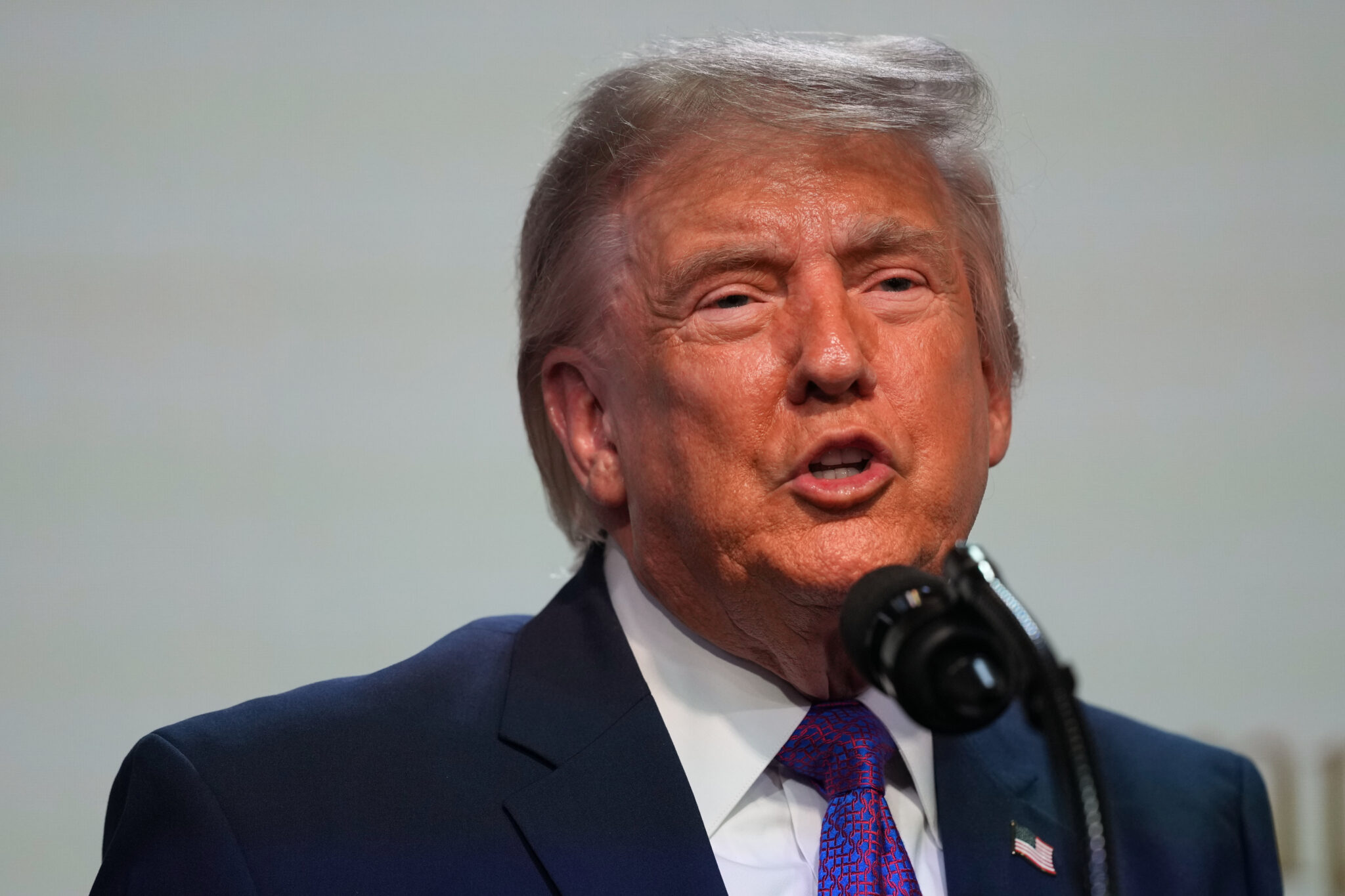
President Donald Trump announced Monday that he has postponed a planned military strike against Iran, saying ongoing diplomatic efforts could still produce an agreement that avoids a broader regional war.
Speaking at the White House after first revealing the decision on social media, Trump said the United States had been preparing “a very major attack” against Iran scheduled for Tuesday.
“There seems to be a very good chance that they can work something out. If we can do that without bombing the hell out of them, I’d be very happy,” Trump said.
The president added that the strike was being delayed “for a little while, hopefully, maybe forever.”
Trump’s comments marked another dramatic shift in his administration’s approach toward Iran following weeks of escalating threats, military positioning, and stalled nuclear negotiations.
Gulf Allies Requested Delay
Trump said leaders from several Gulf nations personally urged him to delay military action because they believed negotiations with Tehran were close to producing progress.
The president specifically referenced Qatar, Saudi Arabia, and the United Arab Emirates as countries requesting additional time for diplomacy.
Trump also revealed he instructed the U.S. military “to be prepared to go forward with a full, large scale assault of Iran, on a moment’s notice, in the event that an acceptable Deal is not reached.”
The decision highlights growing concern among Gulf states about the possibility of a wider regional conflict that could destabilize energy infrastructure, shipping routes, and regional economies.
Recent drone and missile attacks linked to Iran and allied militias have already heightened tensions throughout the Persian Gulf.
UAE Nuclear Facility Attack Raises Alarm
One of the most serious recent incidents involved a drone strike near the United Arab Emirates’ only nuclear power plant.
Authorities described the attack as an “unprovoked terrorist attack” after a fire broke out near the Barakah nuclear facility over the weekend.
Although Emirati officials did not directly assign blame, the UAE has recently accused Iran of launching missile and drone attacks against Gulf infrastructure despite the ceasefire reached earlier this year.
The attack further increased pressure on regional governments seeking to avoid a larger military confrontation between the United States and Iran.
Trump has also recently discussed the crisis with Israeli Prime Minister Benjamin Netanyahu and Chinese President Xi Jinping as diplomatic efforts continue.
Oil Prices React to Trump Announcement
Global oil markets responded immediately to Trump’s decision to postpone the attack.
Oil prices had surged amid fears that prolonged conflict would keep the Strait of Hormuz effectively closed, threatening one of the world’s most important shipping routes for crude oil and petroleum products.
Minutes before Trump’s statement, petroleum futures traded at approximately $108.83 per barrel.
After the announcement about renewed negotiations, prices quickly dropped by more than $2 per barrel before partially recovering later in trading.
Oil eventually closed Monday at roughly $107.25 per barrel.
The Strait of Hormuz remains central to global concerns because it handles a major share of international oil, gas, and fertilizer shipments.
Iran Responds to Trump’s Decision
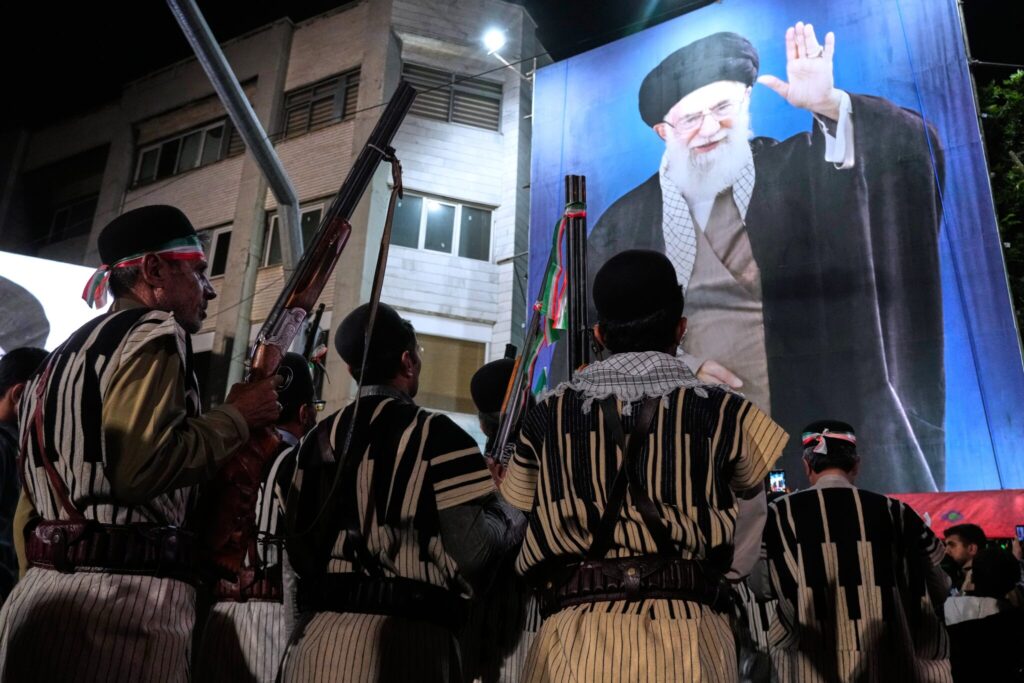
Iranian state media quickly portrayed Trump’s decision as a sign of weakness.
State television described the delayed strike as a “retreat” motivated by “fear” in social media posts and broadcast reports.
Iranian media also reported that defense systems had been activated Monday night on Qeshm Island, located within the Strait of Hormuz.
Officials later said the situation was “under control” on the strategically important island, which hosts approximately 150,000 residents and a major desalination facility.
Despite the rhetoric, Iranian officials continue signaling interest in negotiations while simultaneously rejecting pressure from Washington.
Nuclear Program Remains Central Issue
Diplomatic discussions remain heavily focused on Iran’s nuclear program and concerns over enriched uranium stockpiles.
Turkey’s Foreign Minister Hakan Fidan said Monday that preventing disruption in the Strait of Hormuz remains an immediate priority, but negotiations over Iran’s nuclear capabilities continue to dominate talks.
Fidan noted that significant amounts of Iranian enriched uranium may now be buried beneath collapsed tunnel systems following earlier U.S. and Israeli military operations.
“At present, there isn’t a situation that poses a real threat,” Fidan said. “But for this to continue, the parties must reach and conclude a nuclear negotiation among themselves.”
Iran insists its nuclear program serves peaceful purposes only.
However, U.S. officials remain concerned that Tehran could eventually develop nuclear weapons capability if negotiations collapse.
Negotiations Continue Despite Deep Distrust
Although diplomatic efforts remain active, both sides continue expressing deep skepticism toward each other’s proposals.
Iran’s foreign minister recently said that lack of trust remains the largest obstacle to reaching an agreement.
Reports indicate Iran’s latest proposal included some potential nuclear concessions aimed at reducing tensions and ending the conflict.
Trump, however, dismissed the proposal as “garbage.”
The president has repeatedly issued deadlines to Tehran before later extending negotiations or changing conditions, creating uncertainty about whether diplomacy or military action will ultimately prevail.
For now, Trump’s decision to delay the strike provides a temporary opening for renewed talks — but tensions across the Middle East remain dangerously high.