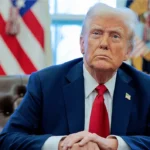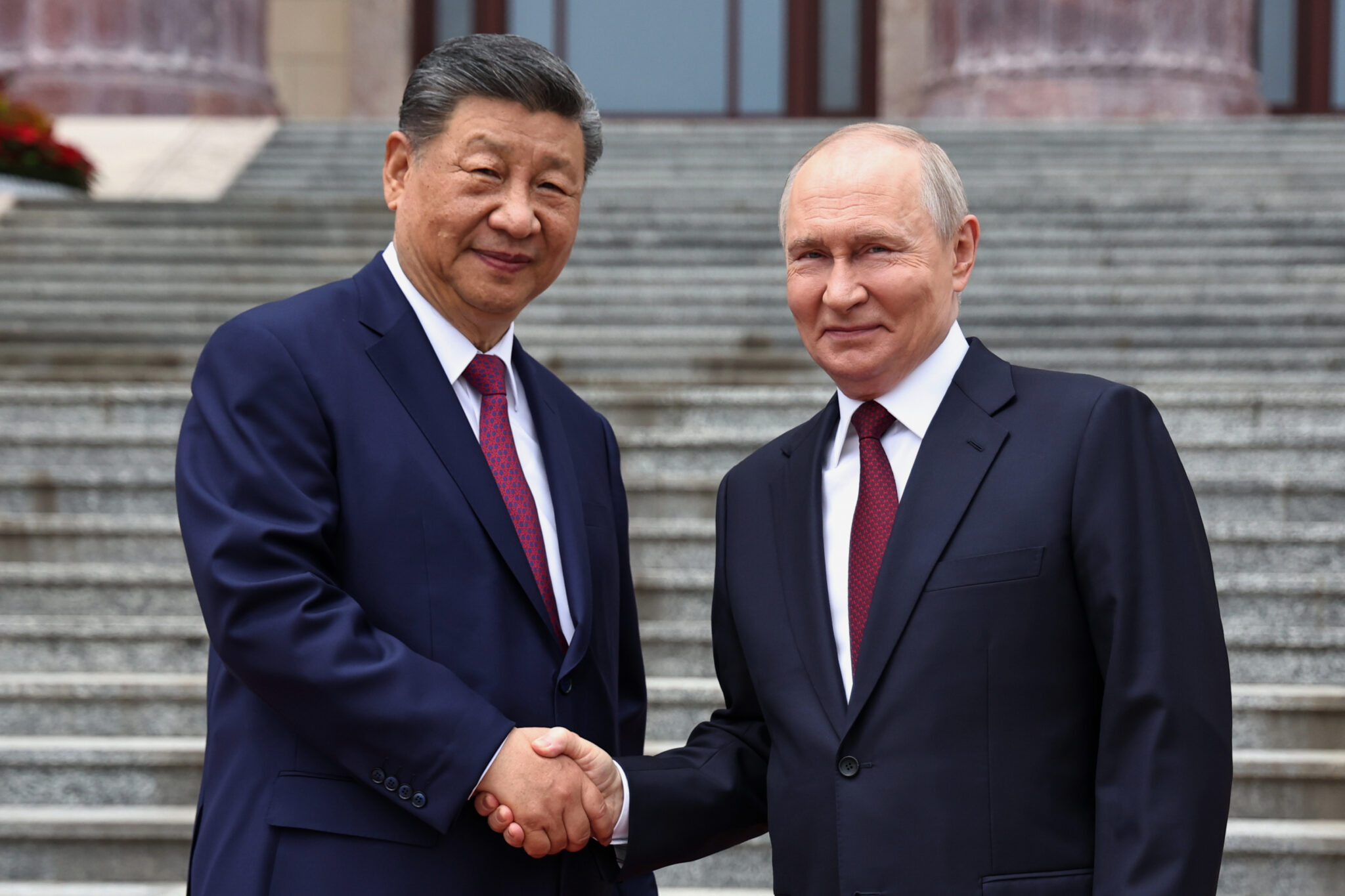
Putin and Xi Strengthen China-Russia Alliance, Sign 40 Cooperation Deals/ Newslooks/ WASHINGTON/ J. Mansour/ Morning Edition/ Chinese President Xi Jinping and Russian President Vladimir Putin reinforced their strategic partnership during a high-profile meeting in Beijing. The two leaders emphasized growing energy cooperation and signed dozens of new agreements on trade and technology. The summit came shortly after President Trump’s visit to China and highlighted increasing global geopolitical competition.
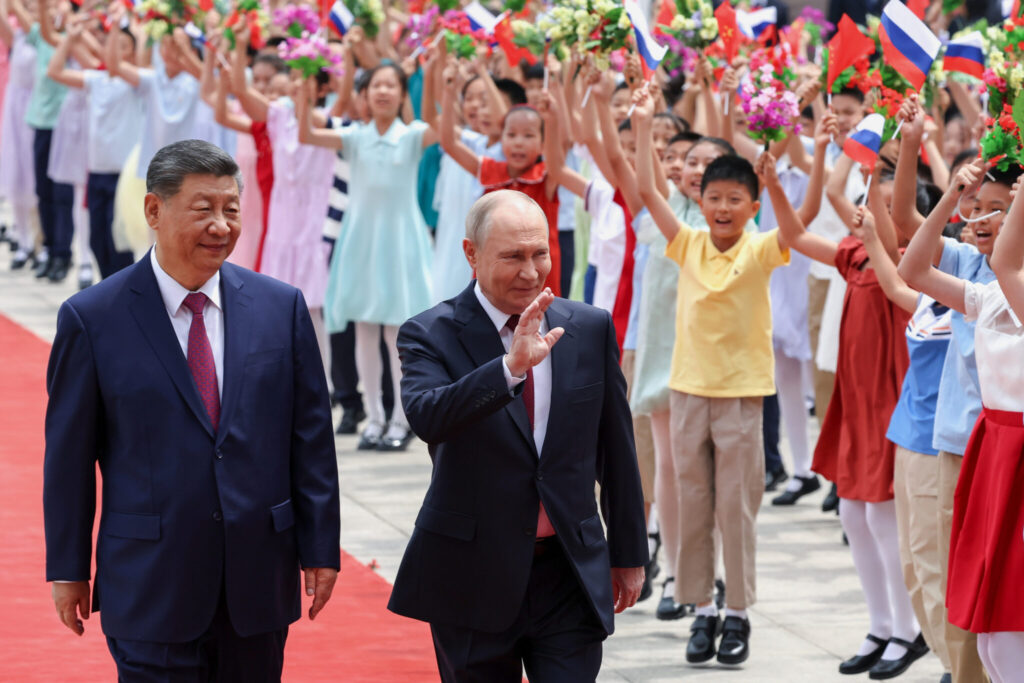
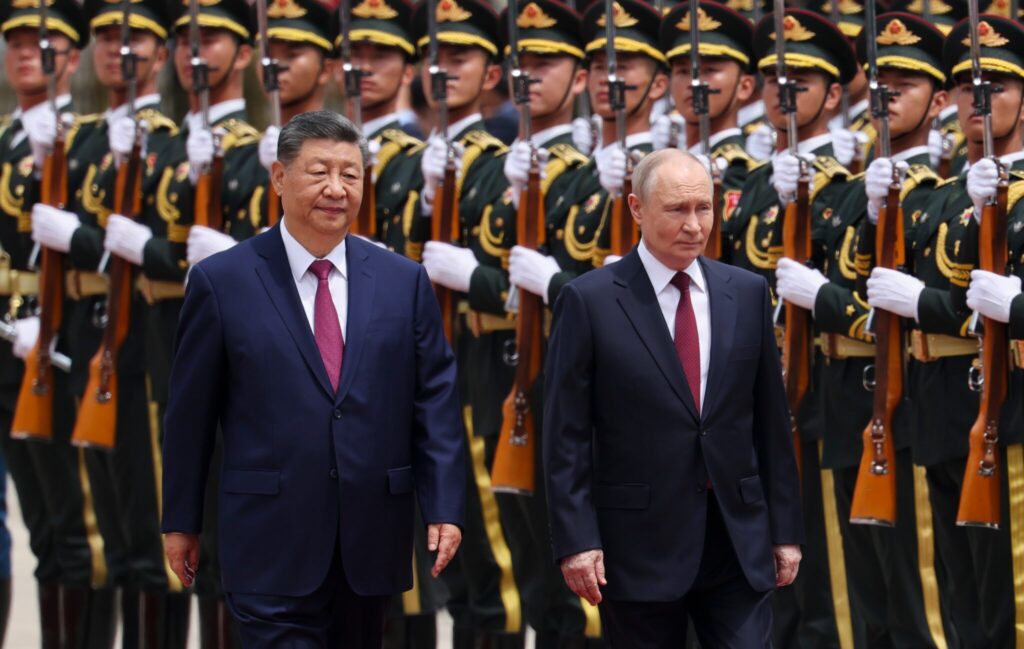
Putin Xi Beijing Meeting Quick Looks
- Xi Jinping and Vladimir Putin met in Beijing Wednesday.
- The leaders signed more than 40 cooperation agreements.
- Energy trade remained a central focus of the talks.
- China remains Russia’s top trading partner.
- Putin called energy cooperation the “driving force” of relations.
- Xi called for a “complete cessation of hostilities” in the Middle East.
- The meeting followed President Trump’s recent visit to China.
- Russia and China extended their long-standing friendship treaty.
- Xi and Putin criticized “unilateralism and hegemonism.”
- The leaders praised their close personal friendship publicly.
Deep Look
Xi and Putin Reinforce Strategic Partnership in Beijing
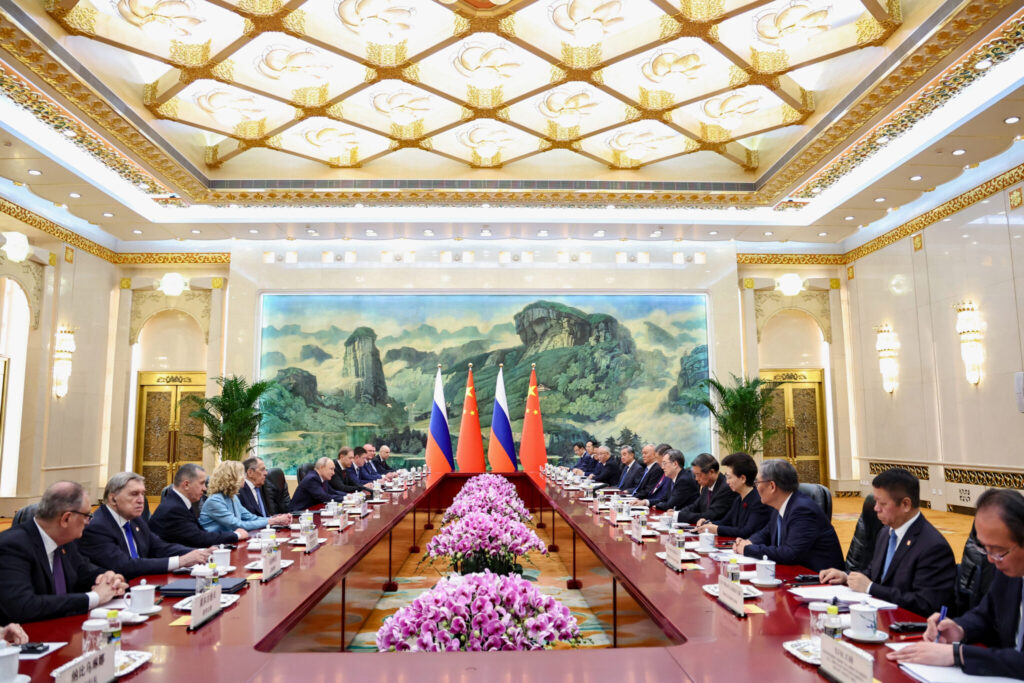
Chinese President Xi Jinping and Russian President Vladimir Putin used their latest summit in Beijing to showcase the growing strength of the China-Russia alliance amid rising global tensions and ongoing conflict in the Middle East.
The meeting came only days after U.S. President Donald Trump visited China, adding further geopolitical significance to the gathering between the two world leaders.
Xi and Putin oversaw the signing of more than 40 cooperation agreements covering trade, technology, energy, and media partnerships while emphasizing their alignment on international affairs.
The leaders repeatedly praised the depth of their countries’ relationship during public remarks in Beijing.
“The countries’ ties have reached the highest level in history,” Xi said after the signing ceremony.
Energy Trade Drives China-Russia Relationship
Energy cooperation remained the centerpiece of the summit discussions.
Putin described Russian-Chinese energy ties as the “driving force behind economic cooperation” between the two countries.
“Amid the crisis in the Middle East, Russia continues to maintain its role as a reliable supplier of resources, while China remains a responsible consumer of these resources,” Putin said, referencing instability linked to the U.S. war involving Iran.
China has become Russia’s largest customer for oil and natural gas exports, particularly after Western sanctions intensified following Russia’s invasion of Ukraine in 2022.
Russian officials said oil exports to China increased by 35% during the first quarter of 2026, while bilateral trade between the two countries reached approximately $228 billion last year.
Xi described energy cooperation as one of the “stabilizing pillars” of the relationship and pledged to deepen cooperation in artificial intelligence, digital technology, and innovation sectors.
Middle East Conflict Influences Summit Discussions
The conflict involving Iran and instability across the Middle East played a major role in discussions between the two leaders.
Xi called for a “complete cessation of hostilities” in the region, warning that continued fighting threatens global supply chains, energy stability, and international trade.
“An early end to the conflict will help reduce disruptions to energy supply stability, the smooth flow of industrial and supply chains, and international trade order,” Xi said.
Russia expects the regional conflict to increase Chinese demand for Russian oil and natural gas exports.
However, the summit did not produce visible progress on the proposed Power of Siberia 2 pipeline project, a major natural gas pipeline Russia hopes to expand into China.
Meeting Sends Message to United States
Political analysts viewed the summit as an intentional display of unity following Trump’s recent diplomatic visit to Beijing.
Experts say the rapid sequence of meetings with both Trump and Putin helps reinforce China’s image as a central global power capable of balancing relationships with competing world leaders.
Steve Tsang, director of the SOAS China Institute in London, said the meeting signaled that China intends to maintain strategic relationships on its own terms.
“The message is clearly one that China maintains friendship and strategic partnership with whichever power it likes, and the USA is just one of them,” Tsang said.
Both Xi and Putin also criticized “unilateralism and hegemonism,” comments widely interpreted as indirect criticism of U.S. foreign policy actions.
Xi warned that the world faces “the danger of reverting to the law of the jungle.”
China and Russia Continue Close Alignment
China and Russia have steadily deepened cooperation since announcing their “no limits” partnership shortly before Russia’s invasion of Ukraine in 2022.
Although Beijing publicly claims neutrality regarding the Ukraine war, China has continued expanding trade with Russia and maintaining close diplomatic coordination with Moscow.
Western governments have repeatedly criticized China for continuing to supply technology and economic support that benefits Russia’s industrial and defense sectors.
The two countries have also expanded military cooperation through joint exercises and strategic coordination on global issues.
Xi and Putin Emphasize Personal Friendship
Beyond politics and economics, both leaders highlighted their close personal relationship throughout the visit.
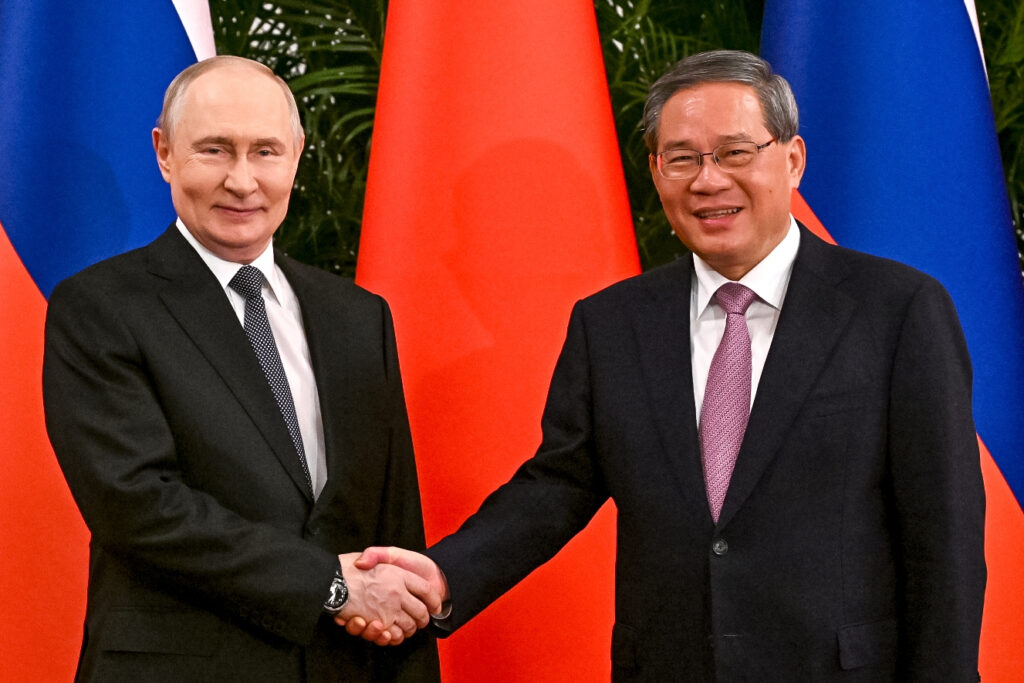
“My dear friend,” Putin told Xi during the opening of their meeting. “We are truly delighted to see you.”
Xi similarly referred to Putin as “my longtime friend” and stressed the importance of maintaining “the foundation of mutual trust” between the two countries.
The leaders later held a private tea conversation inside Beijing’s Great Hall of the People before Putin departed China.
Political analysts noted that the public display of friendship serves domestic political purposes for both governments.
Analyst Willy Lam said Putin benefits from demonstrating Russia still has strong international support despite Western sanctions, while Xi gains political prestige by hosting both Trump and Putin within days of each other.
China-Russia Ties Continue Expanding
The summit reinforced the growing strategic alignment between Beijing and Moscow as both countries increasingly position themselves in opposition to Western influence.
While economic cooperation and energy trade remain central pillars of the relationship, the political symbolism of the meeting also underscored broader efforts by China and Russia to reshape global power dynamics.
Putin invited Xi to visit Russia in 2027 and confirmed plans to participate in the Asia-Pacific Economic Cooperation summit later this year in China.