

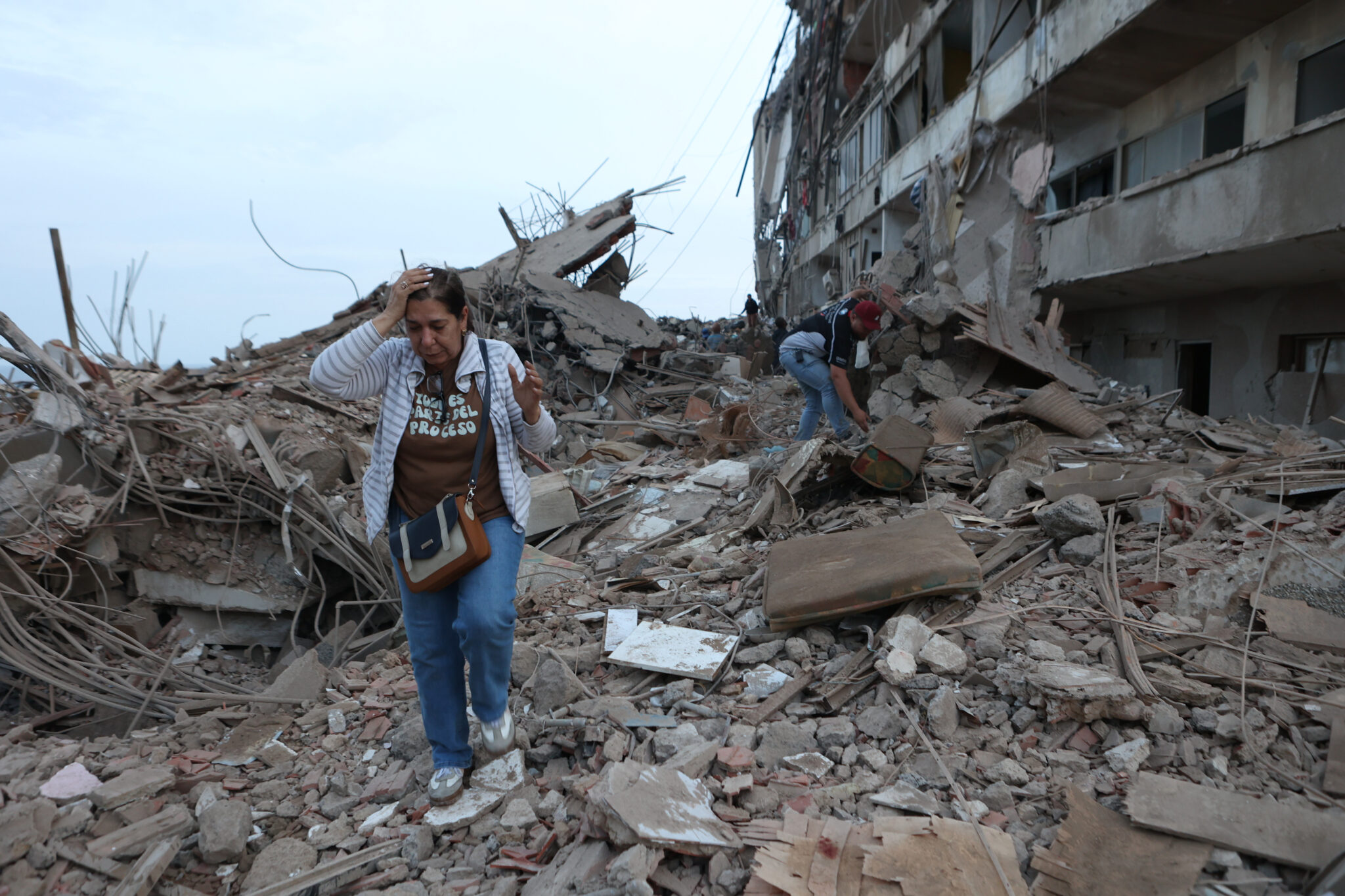
Venezuela Earthquakes Kill 164 as Global Rescue Effort Begins/ Newslooks/ WASHINGTON/ J. Mansour/ Morning Edition/ Rescue crews searched through collapsed buildings Thursday after two powerful earthquakes struck northern Venezuela, killing at least 164 people. Nearly 1,000 people were injured and thousands remain missing as authorities focus rescue efforts on the devastated coastal state of La Guaira. Countries around the world, including the United States, France, Mexico and Brazil, have pledged humanitarian aid and rescue assistance.
Venezuela Earthquakes Quick Looks
- Twin earthquakes measuring 7.2 and 7.5 struck northern Venezuela Wednesday.
- At least 164 people have been confirmed dead.
- Nearly 1,000 people were injured and thousands remain missing.
- La Guaira suffered the most extensive destruction.
- Caracas experienced widespread damage, power outages and airport closures.
- Rescue teams from Venezuela and international partners are joining search efforts.
- Acting President Delcy Rodríguez declared a national state of emergency.
- Multiple countries have offered search-and-rescue teams and humanitarian assistance.
Deep Look
Venezuela Searches for Survivors After Twin Earthquakes Devastate Northern Region
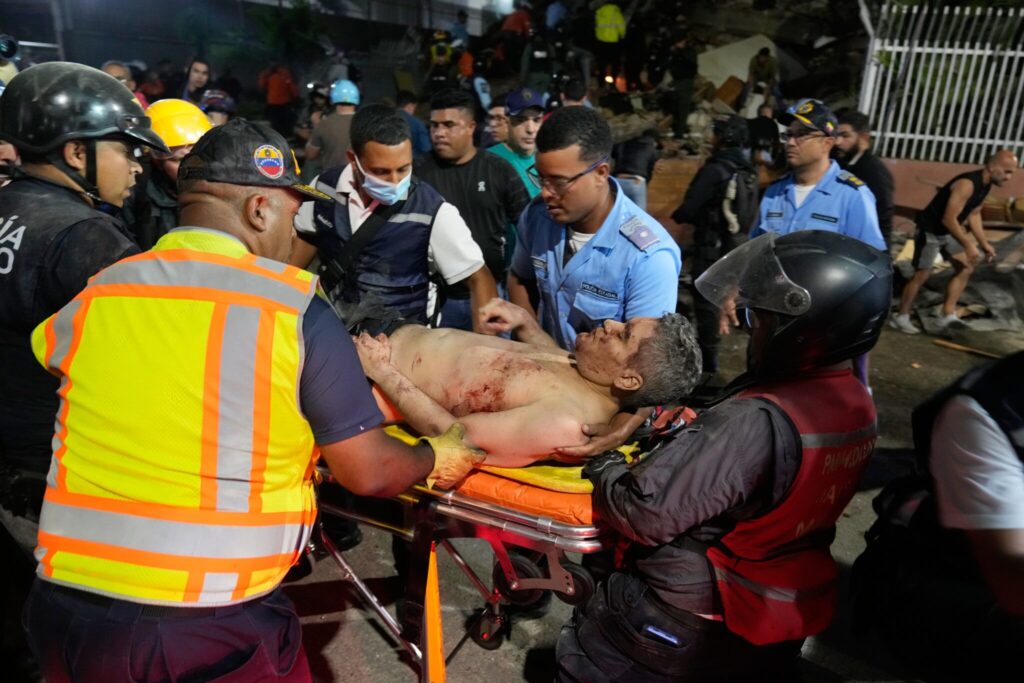
Rescue crews continued searching for survivors Thursday after two of the strongest earthquakes to hit Venezuela in more than a century left at least 164 people dead, nearly 1,000 injured and thousands still missing.
The twin earthquakes, measuring magnitudes 7.2 and 7.5, struck Wednesday evening along Venezuela’s northern Caribbean coast, triggering widespread destruction from the coastal state of La Guaira to the capital, Caracas.
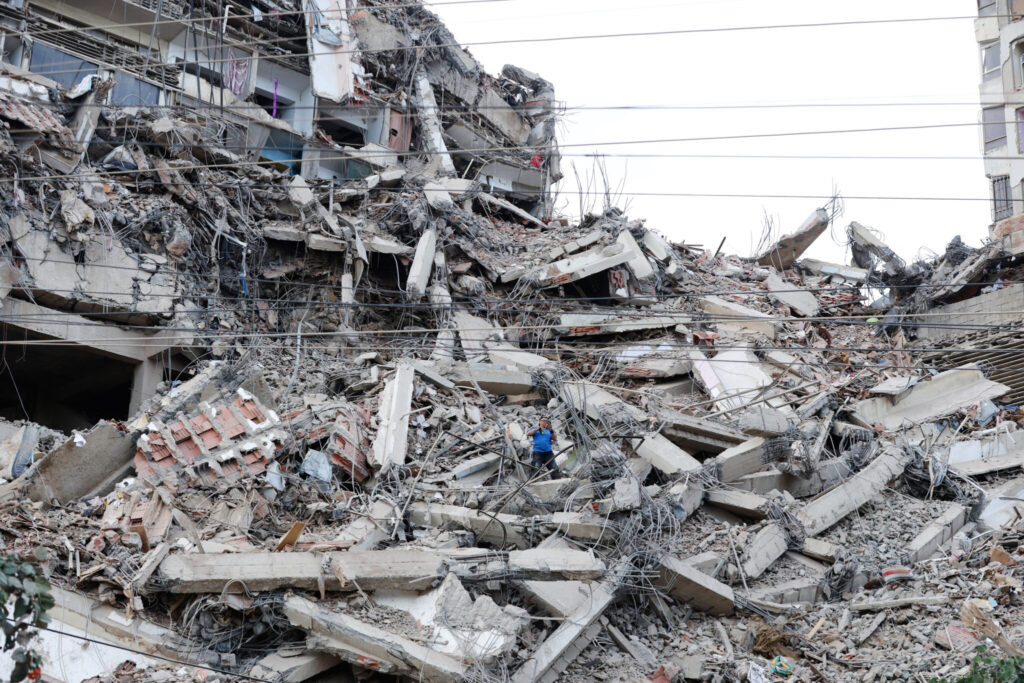
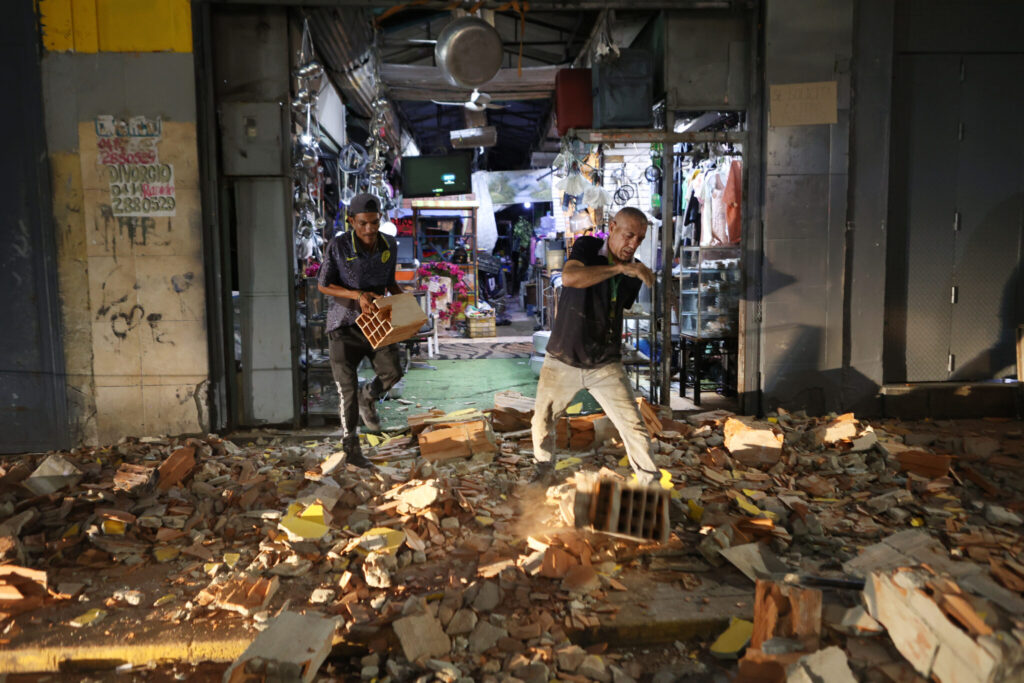
Emergency workers spent daylight hours digging through collapsed buildings as anxious families searched for missing loved ones beneath mountains of rubble.
La Guaira Bears the Brunt
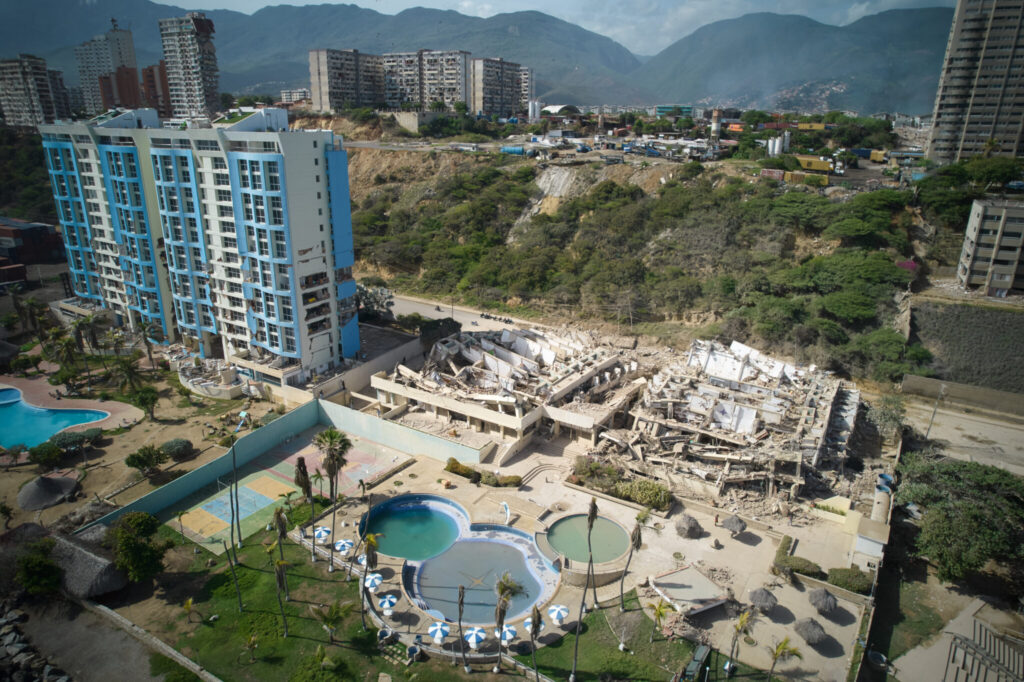
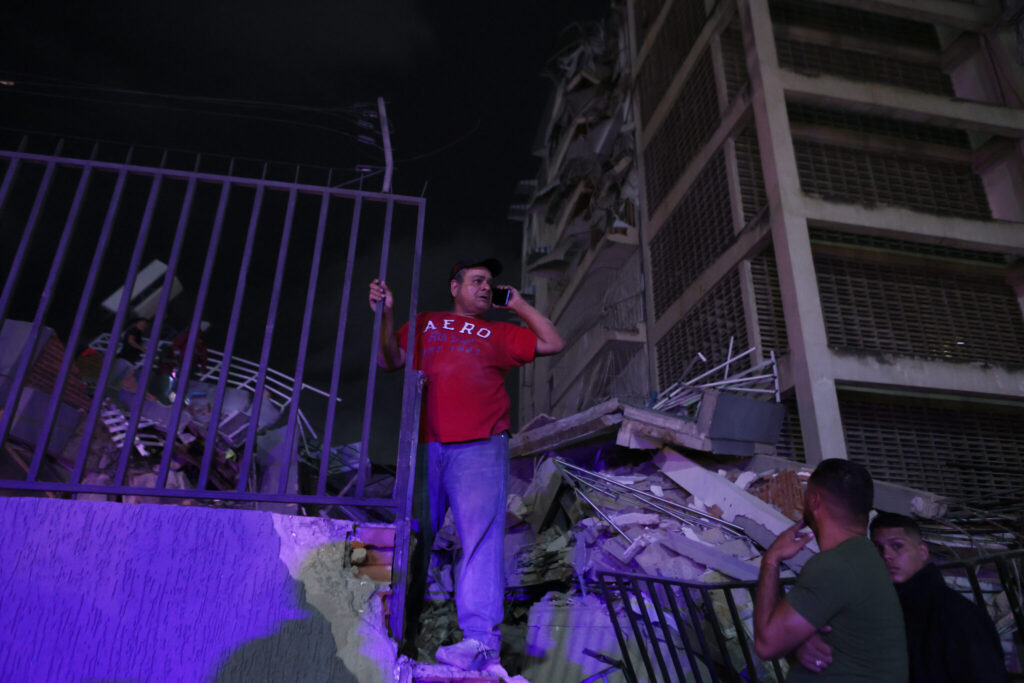
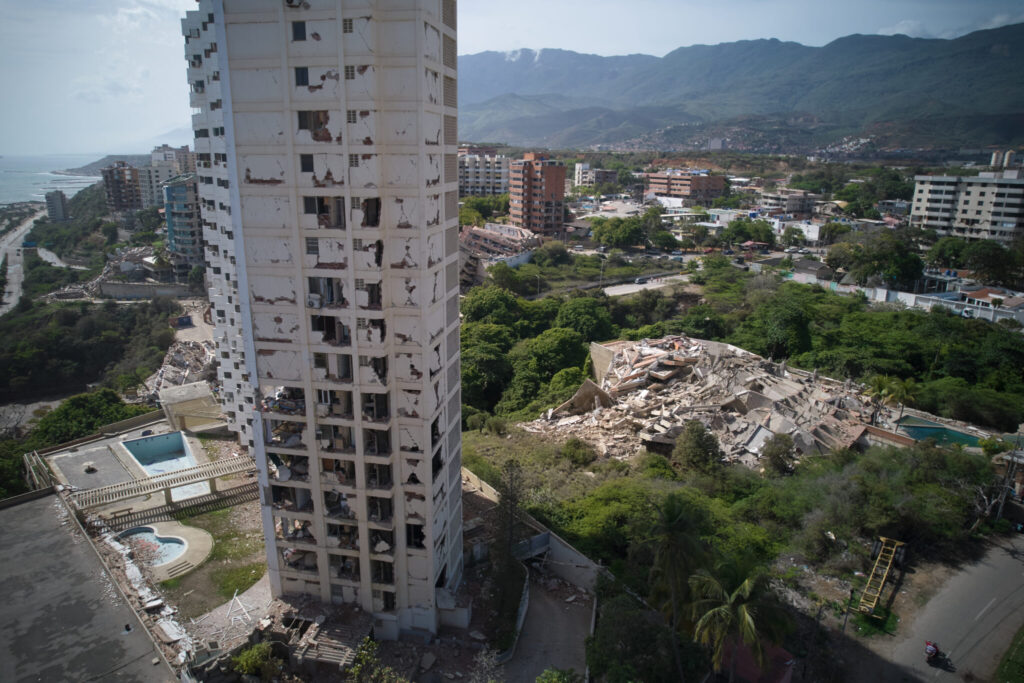
The coastal state of La Guaira, just north of Caracas, emerged as the disaster’s epicenter.
Acting President Delcy Rodríguez described the area as a “disaster zone” while announcing that rescue teams from across the country were being redirected there.
“Dozens of buildings have collapsed there … and we are currently carrying out intensive rescue operations to save lives,” Rodríguez said.
State television showed rescue workers pulling three dust-covered children alive from collapsed structures.
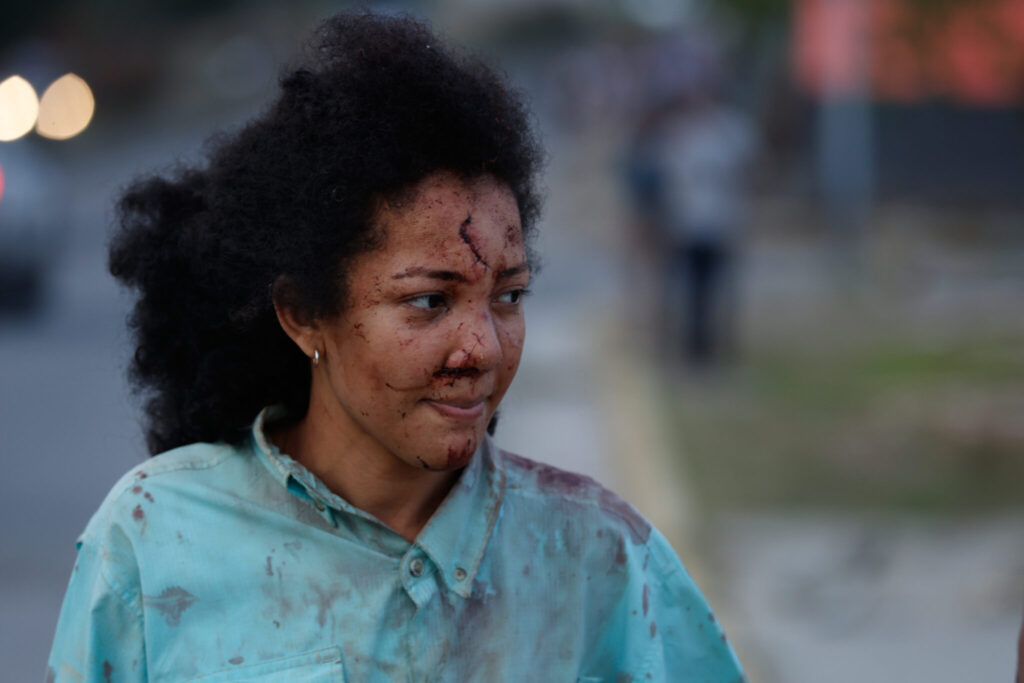
Residents described scenes of devastation.
“I lost everything. Everything,” said Cristian Carreño as he looked at his damaged apartment building.
“There are people still inside, I imagine, that couldn’t get out. It’s incredibly devastating.”
Families Search for Missing Loved Ones
Across affected communities, neighbors joined first responders in searching through debris.
Dayana Delgado said her 8-year-old child remained missing.
“I want to know where my child is, if he’s trapped or in a shelter,” she said.
Delgado also criticized the pace of rescue operations.
She questioned where the heavy machinery promised by officials had gone, noting that local residents were digging through collapsed buildings themselves.
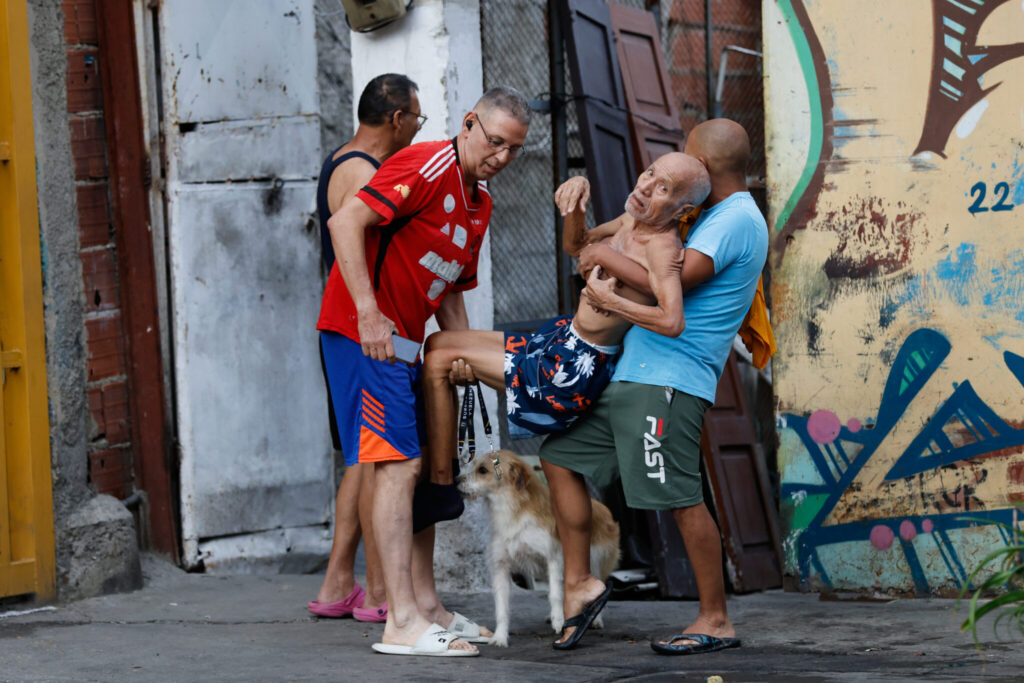
In Caracas, thousands spent the night outdoors in parks, parking lots and open spaces after authorities warned residents not to re-enter structurally damaged buildings.
“We were afraid the buildings would collapse on us,” said María Cristina Díaz.
“My mother, my daughter and I were cold. We didn’t sleep a wink; but I didn’t want to spend the night alone at home after that terrible earthquake.”
“It was awful. We cried, we screamed. Thankfully, we’re alive,” she added.
Widespread Damage Across the Country
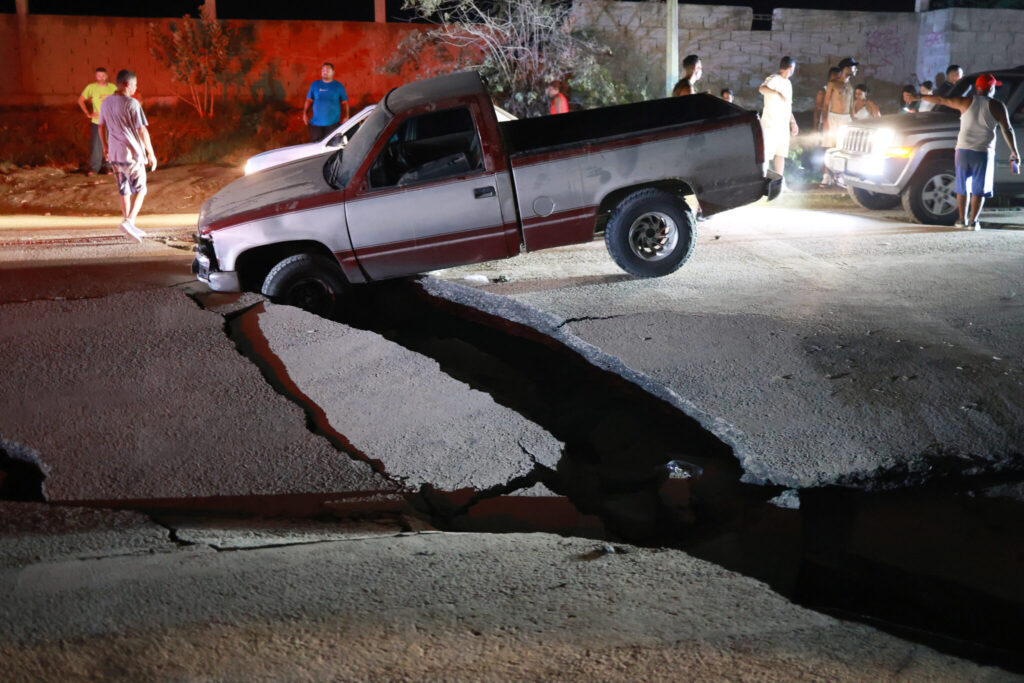
The earthquakes damaged major infrastructure throughout northern Venezuela.
Officials closed Simón Bolívar International Airport after it sustained structural damage.
Subway service in Caracas was suspended, while natural gas service was shut off in portions of the capital.
Power outages and cellphone disruptions complicated rescue operations and made it difficult for families to locate loved ones.
Schools were closed for several days, with some campuses converted into emergency shelters and donation centers.
The U.S. Geological Survey reported that the first earthquake, measuring magnitude 7.2, struck near Morón at a depth of about 22 kilometers (14 miles).
Roughly one minute later, a second, stronger magnitude 7.5 earthquake struck nearby at a depth of approximately 10 kilometers (6 miles).
Interior Minister Diosdado Cabello urged residents to remain outdoors because of continuing aftershocks.
International Aid Begins Arriving
Countries around the world quickly pledged assistance as the humanitarian crisis unfolded.
Acting President Rodríguez declared a national state of emergency and announced a $200 million reconstruction fund for hospitals and homes damaged by the earthquakes.
She also appealed to private companies to provide heavy construction equipment for rescue operations and confirmed that United Nations-certified search-and-rescue teams were traveling to Venezuela.
The United States pledged immediate humanitarian assistance despite years of strained relations between the two countries.
Secretary of State Marco Rubio announced that search-and-rescue teams, medical resources and humanitarian aid were being deployed.
“We will have a whole government response,” Rubio said.
“It will be big. It will be fast. It will be effective.”
France announced that 85 specialized rescue personnel would deploy immediately.
Mexican President Claudia Sheinbaum said military rescue workers and medical teams would travel to Venezuela.
Brazilian President Luiz Inácio Lula da Silva pledged support for recovery efforts, while China, Spain and Colombia also expressed solidarity and offered assistance.
Communications Challenges Continue
As rescue operations expanded Thursday, families in Venezuela and abroad struggled to communicate with relatives because of damaged communications infrastructure.
People posted missing-person flyers throughout affected communities and circulated handwritten lists of names while searching for those still unaccounted for.
The United Nations human rights mission urged Venezuelan authorities to temporarily lift restrictions on social media to improve the flow of potentially life-saving information during the emergency.
With aftershocks continuing and thousands still missing, rescue officials warned that the search for survivors remains the highest priority in what has become one of the deadliest natural disasters in modern Venezuelan history.




You must Register or Login to post a comment.