Rubio Signals US, Iran Close to Understanding Aimed at Ending War/ Newslooks/ WASHINGTON/ J. Mansour/ Morning Edition/ The United States and Iran are reportedly close to reaching a framework agreement aimed at ending the ongoing war. Regional mediators from Pakistan and Qatar helped narrow major differences between both sides during intense negotiations. Officials say a draft understanding could be finalized within 48 hours if talks continue progressing.
US Iran Talks Quick Looks
- US and Iran are nearing a framework agreement.
- Pakistan played a major mediation role.
- Qatar supported diplomatic negotiations in Tehran.
- Marco Rubio confirmed progress in talks.
- JD Vance and Steve Witkoff helped bridge gaps.
- Iran says nuclear issues are not yet included.
- Strait of Hormuz discussions remain central.
- Trump delayed potential military strikes.
- Iran warns against renewed US attacks.
- Final decisions could come within 48 hours.
Deep Look
US and Iran Edge Closer to War-Ending Agreement
The United States and Iran are reportedly nearing a memorandum of understanding that could halt the escalating conflict between the two countries, according to regional officials and diplomats familiar with the negotiations.
The breakthrough effort comes after weeks of war, economic disruption, and fears of broader regional escalation throughout the Middle East.
Officials involved in the discussions say a Pakistan-prepared draft agreement is now under active review by both governments and could be finalized within the next 48 hours if progress continues.
Pakistan Emerges as Key Mediator
Pakistan has taken a central role in the latest diplomatic push.
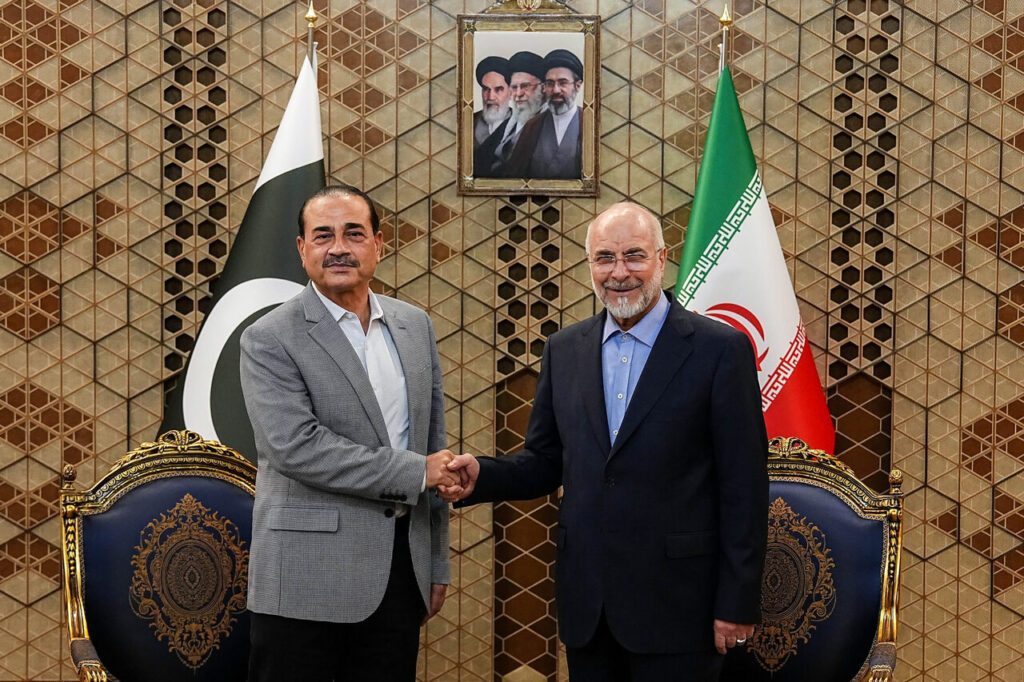
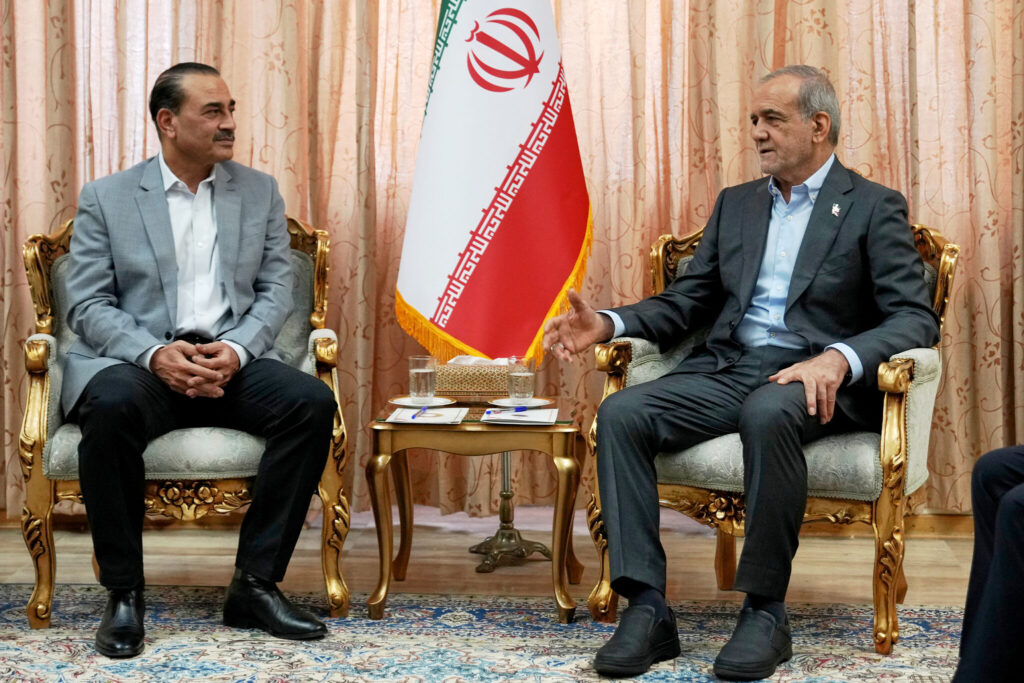
Field Marshal Asim Munir traveled to Tehran for high-level meetings with senior Iranian officials in an effort to narrow remaining differences between Washington and Tehran.
Munir reportedly met with:
- Iranian President Masoud Pezeshkian
- Foreign Minister Abbas Araghchi
- Other senior Iranian leadership figures
Officials said Pakistan continues working to arrange another round of direct talks between the U.S. and Iran.
Rubio Signals Diplomatic Progress
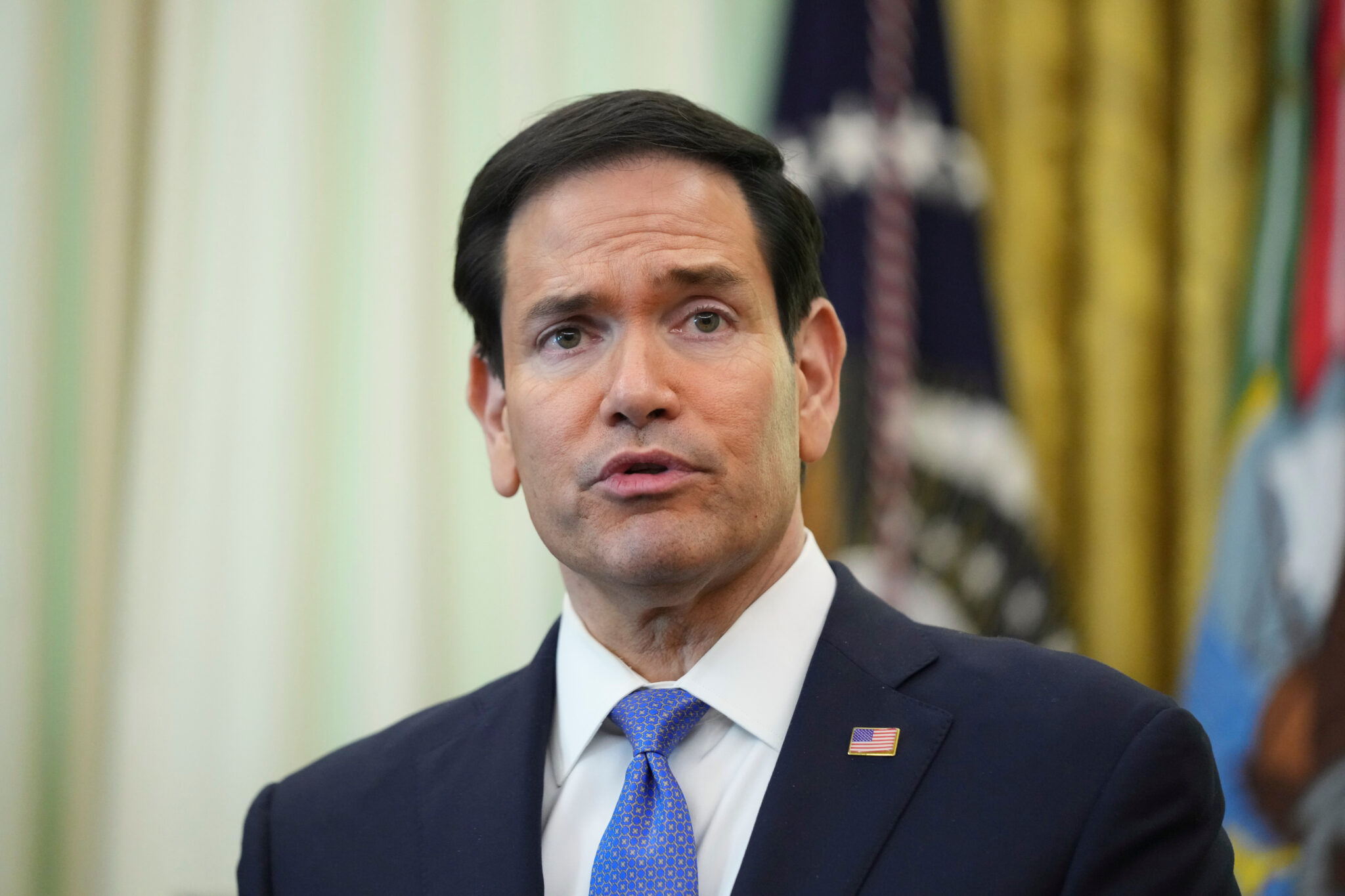
U.S. Secretary of State Marco Rubio publicly acknowledged progress Friday while speaking to reporters in India.
“There’s been some progress made,” Rubio said.
“There is a chance that whether it’s later today, tomorrow, in a couple days we may have something to say.”
Rubio reiterated longstanding U.S. demands that Iran:
- Never obtain a nuclear weapon
- Surrender highly enriched uranium
- Reopen the Strait of Hormuz
The comments marked one of the clearest signals yet that diplomacy may be gaining traction.
JD Vance and Witkoff Helped Bridge Gaps
According to officials involved in the discussions, Vice President JD Vance and White House envoy Steve Witkoff played major roles in narrowing differences between the two sides.
Jared Kushner was also reportedly involved in behind-the-scenes discussions.
Meanwhile, Qatar contributed heavily to the mediation process by dispatching a senior delegation to Tehran to support Pakistan’s diplomatic initiative.
Iran Calls It a “Framework Agreement”
Iranian officials described the emerging draft not as a final peace deal but as a framework for continued negotiations.
Foreign Ministry spokesperson Esmail Baghaei said the draft is intended to establish the foundation for a broader agreement over the next one to two months.
“We want this to include the main issues required for ending the imposed war,” Baghaei said.
He explained that once a framework is approved, detailed negotiations could continue for 30 to 60 days before a permanent agreement is reached.
Nuclear Issues Deliberately Left Out
One of the most significant developments is that Iran says nuclear issues are not currently part of the negotiations.
Instead, Tehran’s immediate focus remains:
- Ending the war
- Restoring regional stability
- Securing sanctions relief
Baghaei stressed that Iran wants military tensions resolved first before reopening talks surrounding its nuclear program.
“Our focus at this stage is on ending the war on all fronts,” he said.
Iran also confirmed that sanctions relief remains a non-negotiable demand in the current draft.
Strait of Hormuz Remains Central Issue
The status of the Strait of Hormuz remains one of the most critical issues in negotiations.
Iran’s closure of the shipping corridor earlier this year disrupted global energy markets and triggered sharp increases in oil prices worldwide.
The Strait is one of the world’s most important maritime chokepoints for:
- Oil exports
- Natural gas shipments
- Global energy supply chains
Reopening and securing the waterway remains a top U.S. objective.
Trump Previously Delayed Military Strikes
President Donald Trump previously signaled he was prepared to launch additional military strikes against Iran before pausing action to allow diplomacy more time.
Trump said earlier this week that “serious negotiations” were underway.
Officials say regional allies urged the administration to avoid immediate escalation and continue diplomatic efforts.
However, Trump has repeatedly warned that military action could resume if negotiations fail.
Iran Warns Against Renewed Attacks
Despite the diplomatic optimism, Iranian officials continue issuing warnings against further U.S. military operations.
Parliament Speaker Mohammad Bagher Qalibaf warned that if Trump resumes attacks, the outcome would become:
“More crushing and more bitter.”
Iran says it has rebuilt portions of its military capabilities following weeks of conflict and remains prepared for escalation if talks collapse.
Global Markets Watching Closely
Financial markets and global governments are closely monitoring the negotiations.
The conflict has already disrupted:
- Oil shipping routes
- Energy prices
- Global inflation trends
- International trade flows
Any agreement reopening the Strait of Hormuz and reducing military tensions could significantly ease pressure on global markets and energy costs.
Still, diplomats caution that major disagreements remain unresolved and negotiations could still unravel quickly.