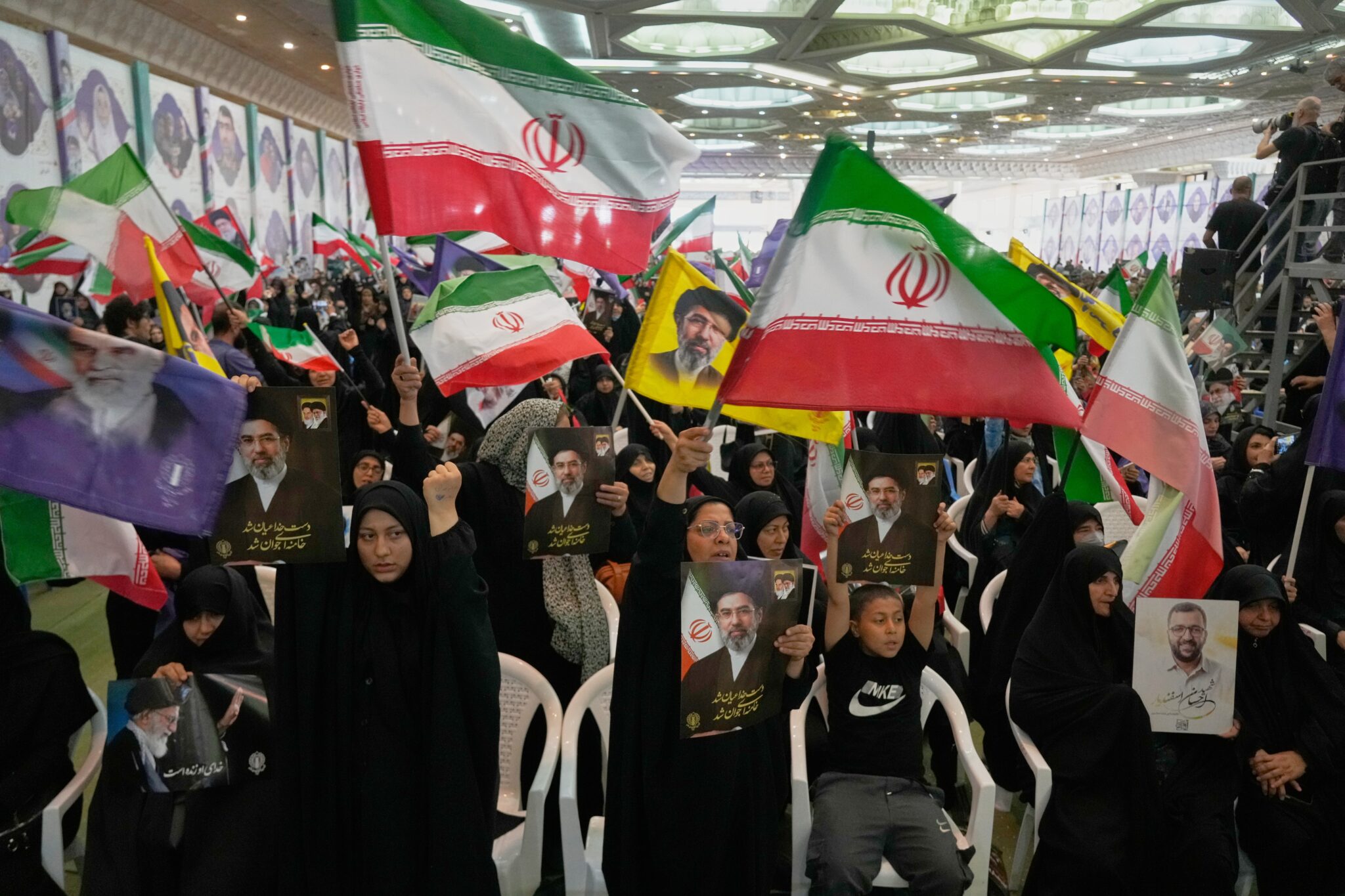
Iran Condemns US Strikes as ‘Show of Bad Faith,’ Warns of Consequences/ Newslooks/ WASHINGTON/ J. Mansour/ Morning Edition/ Iran condemned recent U.S. military strikes as a sign of “bad faith and unreliability” during ongoing ceasefire negotiations. Iran warned Washington would face consequences after American forces targeted missile launch sites and naval assets in southern Iran. The escalating tensions threaten fragile diplomacy surrounding the Strait of Hormuz and a possible broader regional agreement.
Iran US Strikes Quick Looks
- Iran condemned the US strikes as ceasefire violations.
- Tehran warned it would not leave “aggression unanswered.”
- US forces described the attacks as “self-defense” strikes.
- Targets included missile launch sites and mine-laying boats.
- Iran claims drones and a fighter jet entered its airspace.
- The Strait of Hormuz remains central to negotiations.
- Global oil and fertilizer markets remain disrupted.
- Trump says negotiations are “proceeding nicely.”
- Iran wants the US blockade on ports lifted.
- Abraham Accords expansion has become part of negotiations.
Deep Look
Iran Accuses US of Acting in “Bad Faith”
Iran sharply condemned recent U.S. military strikes Tuesday, calling them evidence of American “bad faith and unreliability” during delicate negotiations aimed at ending the war.
Iran’s foreign ministry accused Washington of violating the fragile ceasefire that has largely held since April 7.
“The Islamic Republic of Iran will leave no act of aggression unanswered,” the ministry warned in a statement.
Iran also said the United States would bear responsibility for “all consequences” resulting from the strikes.
US Calls Strikes Defensive
The U.S. military characterized Monday’s operations as limited “self-defense” actions.
According to U.S. Central Command, American forces targeted:
- Missile launch sites
- Boats allegedly placing naval mines
- Military threats near southern Iranian waters
Officials said the strikes were carried out with “restraint” to protect U.S. personnel while maintaining broader ceasefire efforts.
The military did not provide additional operational details.
Revolutionary Guard Claims Airspace Violations
Iran’s Revolutionary Guard claimed Tuesday it had shot down or deterred drones and a fighter jet that entered Iranian airspace.
Iranian state-linked media did not specify:
- The exact timing
- The aircraft involved
- Whether the aircraft belonged to the United States or another country
The claims add further uncertainty to already fragile negotiations.
Strait of Hormuz Remains Core Dispute
The Strait of Hormuz continues to dominate diplomatic talks between Washington and Tehran.
Before the war, roughly one-fifth of the world’s oil and natural gas shipments moved through the narrow waterway.
Iran’s effective closure of the strait after the conflict began disrupted:
- Global oil supplies
- Shipping routes
- Fertilizer exports
- Agricultural markets worldwide
The situation has fueled inflation and rising energy costs globally.
UN Warns of Global Food Risks
The conflict’s economic impact is now extending beyond fuel markets.
Food and Agriculture Organization Director-General Qu Dongyu warned Tuesday that fertilizer supply disruptions are becoming a major threat to global agriculture.
“What we are witnessing today is not only a geopolitical crisis, it is a systemic shock to the global agrifood system,” Qu said.
Fertilizer shortages could especially impact vulnerable farmers and food supplies in developing countries.
Trump Expands Diplomatic Conditions
Donald Trump has introduced additional diplomatic demands into the negotiations.
Trump recently argued any final agreement should include expanded participation in the Abraham Accords, which normalized relations between several Arab countries and Israel.
Trump specifically mentioned:
- Saudi Arabia
- Pakistan
- Turkey
- Qatar
The proposal adds another layer of complexity to already difficult ceasefire negotiations.
Iran Still Seeking Sanctions Relief
Iran’s central negotiating demands reportedly include:
- Reopening the Strait of Hormuz
- Ending the U.S. naval blockade
- Lifting economic sanctions
- Future discussions over uranium stockpiles
Tehran also wants guarantees against renewed military action while broader nuclear negotiations continue.
Regional Politics Complicate Deal
Broader regional tensions continue complicating diplomacy.
Israel’s ongoing military operations in Gaza and wider tensions with Palestinian groups have made normalization agreements politically difficult for many Muslim-majority countries.
Still, Trump continues pushing for a larger regional diplomatic framework tied to the Abraham Accords.
The president has even suggested Iran itself could eventually join the accords if a comprehensive settlement is reached.