US Consumer Confidence Falls as Gas Prices Stay Near $4.50/ Newslooks/ WASHINGTON/ J. Mansour/ Morning Edition/ U.S. consumer confidence declined in May as Americans struggled with rising gas prices and stubborn inflation. Higher fuel, grocery and everyday living costs are forcing many households to cut spending and delay major purchases. The weaker sentiment contrasts sharply with stock markets that remain near record highs.
Consumer Confidence and Inflation Quick Looks
- Consumer confidence slipped to 93.1 in May.
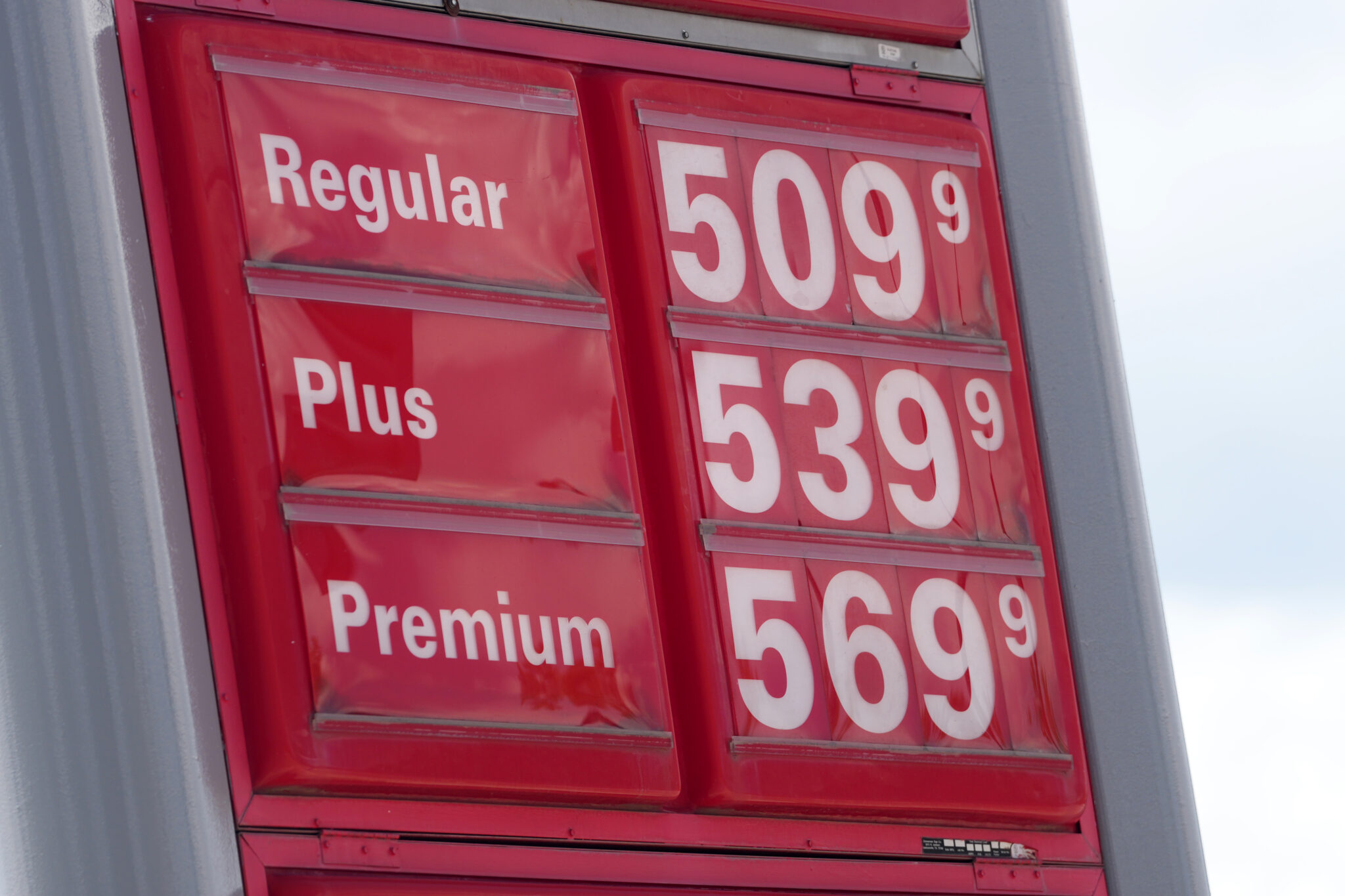
- Gas prices stayed near $4.50 per gallon nationwide.
- Inflation rose to 3.8%, highest in three years.
- Americans are cutting back spending due to rising costs.
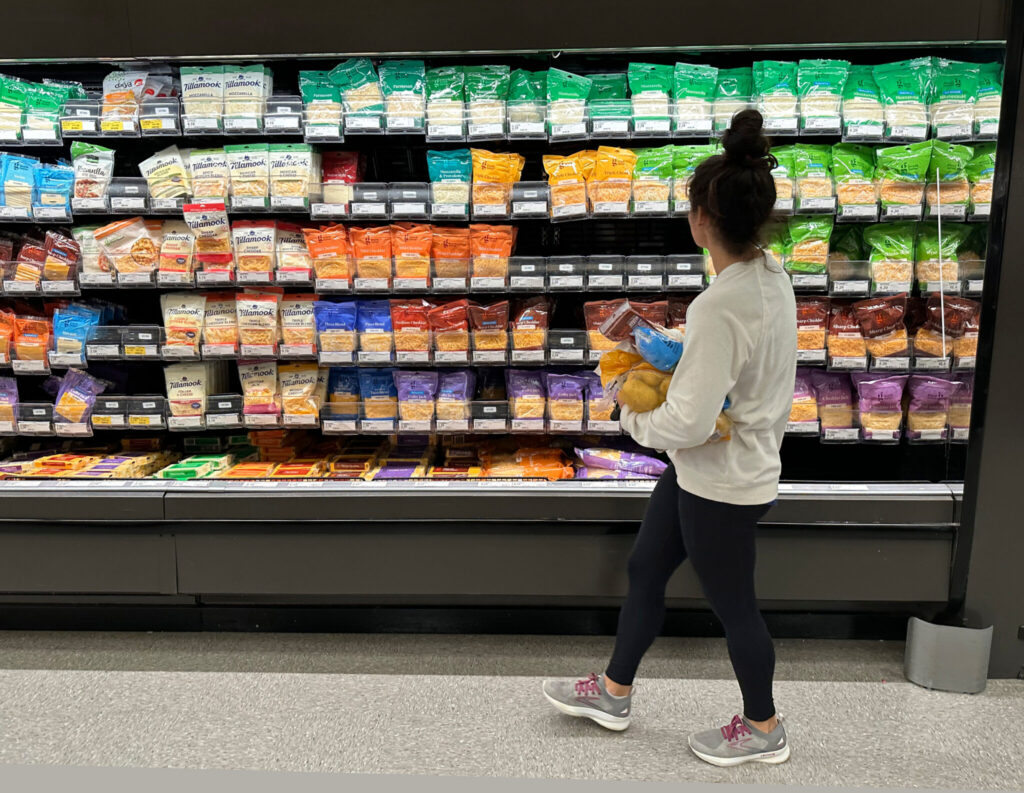
- Food and grocery prices continue climbing.
- Inflation-adjusted wages declined year-over-year.
- Consumer sentiment contrasts with strong stock market gains.
- Republicans face economic concerns ahead of midterms.
- High shipping costs are driving price increases.
- Many households are delaying major purchases.
Deep Look
Consumer Confidence Slips as Inflation Pressures Persist
Americans are growing increasingly uneasy about the economy as high gas prices and stubborn inflation continue squeezing household budgets.
According to new data released Tuesday by The Conference Board, U.S. consumer confidence declined slightly in May after three consecutive months of improvement.
The Conference Board’s consumer confidence index fell 0.7 points to 93.1.
The decline follows another widely watched survey from the University of Michigan that showed consumer sentiment plunging to a record low earlier this month.
Gas Prices Remain a Major Concern
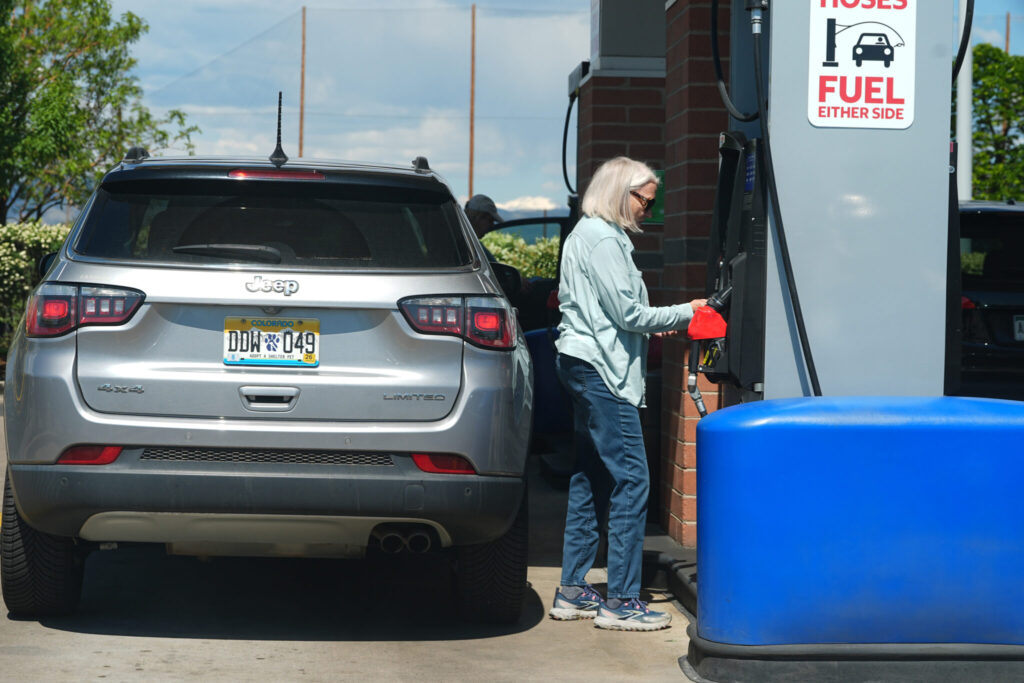
One of the biggest frustrations for consumers remains fuel costs.
Nationwide gasoline prices have climbed dramatically since the start of the Iran conflict earlier this year.
Average gas prices now stand at approximately $4.49 per gallon nationwide, compared with $2.98 before the war began in February.
Fuel prices have remained at or above $4.50 for most of May.
The rise in gasoline prices has added pressure on household finances and increased costs throughout the broader economy.
Americans Cutting Back Spending
The Conference Board added special questions to this month’s survey to better understand how consumers are responding to inflation.
The findings showed widespread pullbacks in spending.
Two-thirds of respondents said rising prices are forcing them to reduce spending.
Many Americans reported:
- Delaying large purchases
- Buying fewer discretionary items
- Cutting back on clothing and shoes
- Spending less on hobbies and entertainment
- Reducing purchases of toys and games
The survey highlights growing caution among consumers despite strong stock market performance.
Inflation Climbs to Highest Level in Years
Inflation accelerated to 3.8% in April, its highest level in three years and well above the Federal Reserve target of 2%.
Several factors are contributing to rising prices, including:
- Higher fuel costs
- Increased shipping expenses
- Rising grocery prices
- Supply chain disruptions
Beef prices have also surged as drought conditions and reduced cattle herds limit supply.
Americans Losing Purchasing Power
Perhaps most concerning for many households, wages are no longer keeping pace with inflation.
Average hourly earnings adjusted for inflation declined in April compared with a year earlier — the first annual drop in three years.
That means many Americans are effectively earning less after accounting for rising prices.
The affordability squeeze is especially painful for lower- and middle-income households that spend a larger share of income on necessities such as:
- Gasoline
- Groceries
- Utilities
- Housing
Economic Anxiety Creates Political Challenges
The worsening economic mood could also create political problems for Donald Trump and Republicans ahead of the upcoming midterm elections.
While stock markets remain near record highs, many consumers say those gains are not improving their day-to-day financial situation.
Wall Street and Main Street Growing Further Apart
The disconnect between financial markets and household finances continues widening.
Major stock indexes including the S&P 500 and Nasdaq Composite remain close to record levels, driven largely by strong corporate profits and artificial intelligence-related investments.
But for many Americans, the rising cost of essentials is overshadowing market optimism.
Economists warn that if inflation remains elevated and consumers continue reducing spending, economic growth could eventually slow later this year.