Draft Memo Outlines US Blockade End, Reopening of Strait of Hormuz, Iranian Media Claims/ Newslooks/ WASHINGTON/ J. Mansour/ Morning Edition/ Iranian state media claims a draft memorandum of understanding between the U.S. and Iran could reopen the Strait of Hormuz and end the American blockade of Iranian ports. Donald Trump is convening a high-level Cabinet meeting as negotiations face mounting pressure and regional tensions continue. The proposed framework reportedly includes phased shipping restoration, military pullbacks and future talks over Iran’s nuclear program and sanctions.
Iran-US Strait of Hormuz Deal Quick Looks
- Iranian media outlined terms of a possible draft agreement.
- U.S. forces would reportedly withdraw from Iran’s vicinity.
- Iran would restore commercial shipping in the Strait of Hormuz.
- Oman would help oversee maritime traffic operations.
- Military vessels would reportedly remain excluded.
- Trump is holding a rare Cabinet meeting Wednesday.
- Negotiations are being mediated by Pakistan.
- Talks remain focused on ceasefire stability and sanctions.
- Lebanon tensions and Hezbollah strikes continue.
- No official U.S. confirmation has been issued.
Deep Look
Iranian Media Claims Draft Agreement Could End Blockade
Iranian state television reported Wednesday that negotiators working on a memorandum of understanding between the United States and Iran are discussing a framework that would reopen the Strait of Hormuz and end the U.S. blockade of Iranian ports.
According to the report, U.S. military forces would withdraw from the vicinity of Iran while Tehran would restore commercial shipping traffic through the strategic waterway to pre-war levels within one month.
“In return, Iran has committed to restoring the number of commercial ships transiting the Strait of Hormuz to pre-war levels within one month,” Iranian state broadcaster IRIB reported.
The report added that maritime traffic through the strait would be managed jointly by Iran and Oman.
Military vessels would reportedly be excluded from the arrangement.
Draft Framework Not Yet Finalized
Iranian media stressed that negotiations remain ongoing and that the framework is not yet complete.
The report said Tehran would take no action without “tangible verification” and described talks as “currently moving back and forth, with both sides refining the wording of the draft text.”
If completed within 60 days, the proposed memorandum would reportedly be transformed into a binding resolution at the United Nations Security Council.
The United States has not officially commented on the Iranian report.
Strait of Hormuz Remains Central to Negotiations
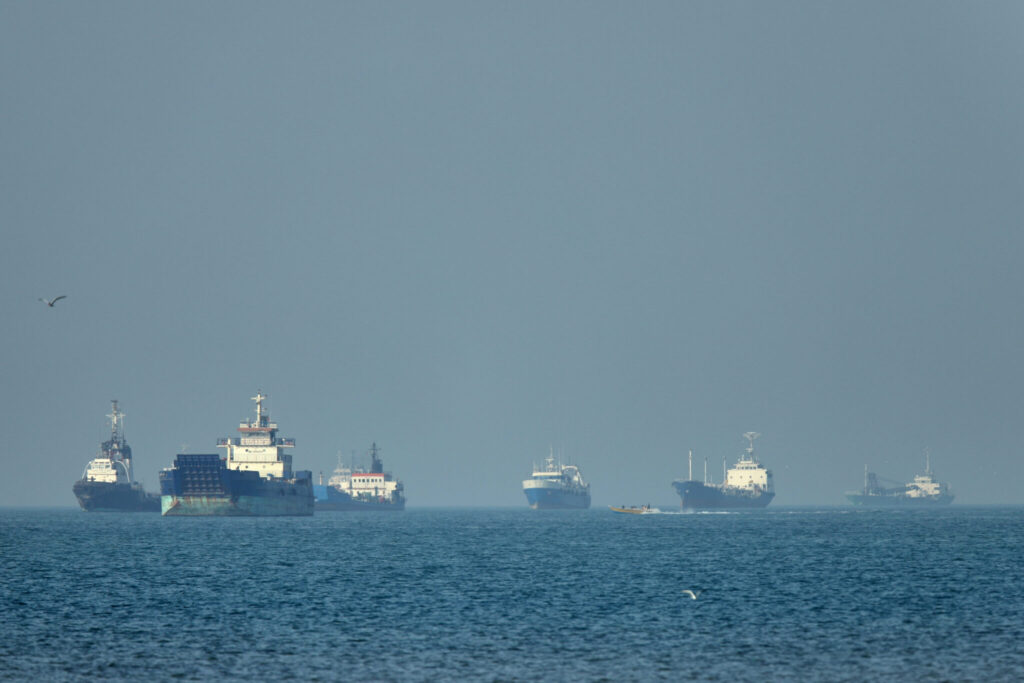
The Strait of Hormuz remains one of the most critical pressure points in the conflict.
Before the war erupted earlier this year, roughly one-fifth of global oil and natural gas shipments passed through the narrow waterway.
Iran’s effective closure of the strait disrupted international energy markets and intensified inflation pressures worldwide.
The reopening of shipping routes has become one of the central goals of ongoing negotiations involving the United States, Iran, Pakistan and Gulf states.
Trump to Hold Rare Cabinet Meeting
As negotiations continue, Donald Trump is scheduled to convene a rare Cabinet meeting Wednesday at the White House.
The session was initially planned for Camp David before being relocated due to weather concerns.
All Cabinet officials are expected to attend, including outgoing Director of National Intelligence Tulsi Gabbard.
The White House has not publicly detailed the agenda, though officials are expected to discuss:
- Iran negotiations
- Strait of Hormuz security
- Ceasefire enforcement
- Sanctions relief
- Regional military operations
Trump has repeatedly suggested diplomacy remains possible while also warning military action remains an option if negotiations fail.
Diplomats Warn Negotiations Remain Fragile
Despite optimism from some regional officials, diplomats familiar with the talks caution that several unresolved issues remain.
CNN reported that negotiators believed portions of the memorandum language had been “locked in” over the weekend before disagreements resurfaced over wording and implementation details.
Marco Rubio said Tuesday that negotiators still needed “a couple of days” to resolve disputes involving “a word or sentence.”
The prolonged process has raised concerns that negotiations could again collapse after previous rounds of talks failed.
Pakistan Continues Mediation Role
Pakistan has remained heavily involved in mediation efforts between Washington and Tehran.
Pakistani officials previously hosted discussions involving Vice President JD Vance and Iranian negotiators.
The proposed memorandum is reportedly designed as a roadmap for broader future negotiations involving:
- Iran’s nuclear program
- International sanctions
- Regional shipping security
- Energy exports
- Military de-escalation
Regional Violence Continues Despite Ceasefire
Even as negotiations continue, military tensions remain active across the region.
Israel issued new evacuation warnings in southern Lebanon amid renewed strikes targeting infrastructure linked to Hezbollah.
At least 31 people were reportedly killed in Israeli airstrikes Tuesday.
Meanwhile, Iran imposed new restrictions on messaging services and app stores following a partial easing of a communications blackout that lasted nearly 90 days.
The continued instability has increased global pressure on negotiators to finalize a framework agreement before tensions escalate again.
Economic Pressure Mounts Worldwide
The prolonged closure and instability around the Strait of Hormuz continue to place strain on global economies.
Rising shipping costs, energy shortages and oil price volatility have contributed to inflation concerns worldwide.
Diplomats and international observers increasingly view reopening the strait as critical to stabilizing global markets.
However, analysts caution that even if an initial memorandum is finalized, negotiations over Iran’s nuclear program and long-term sanctions relief could take months or years to complete.