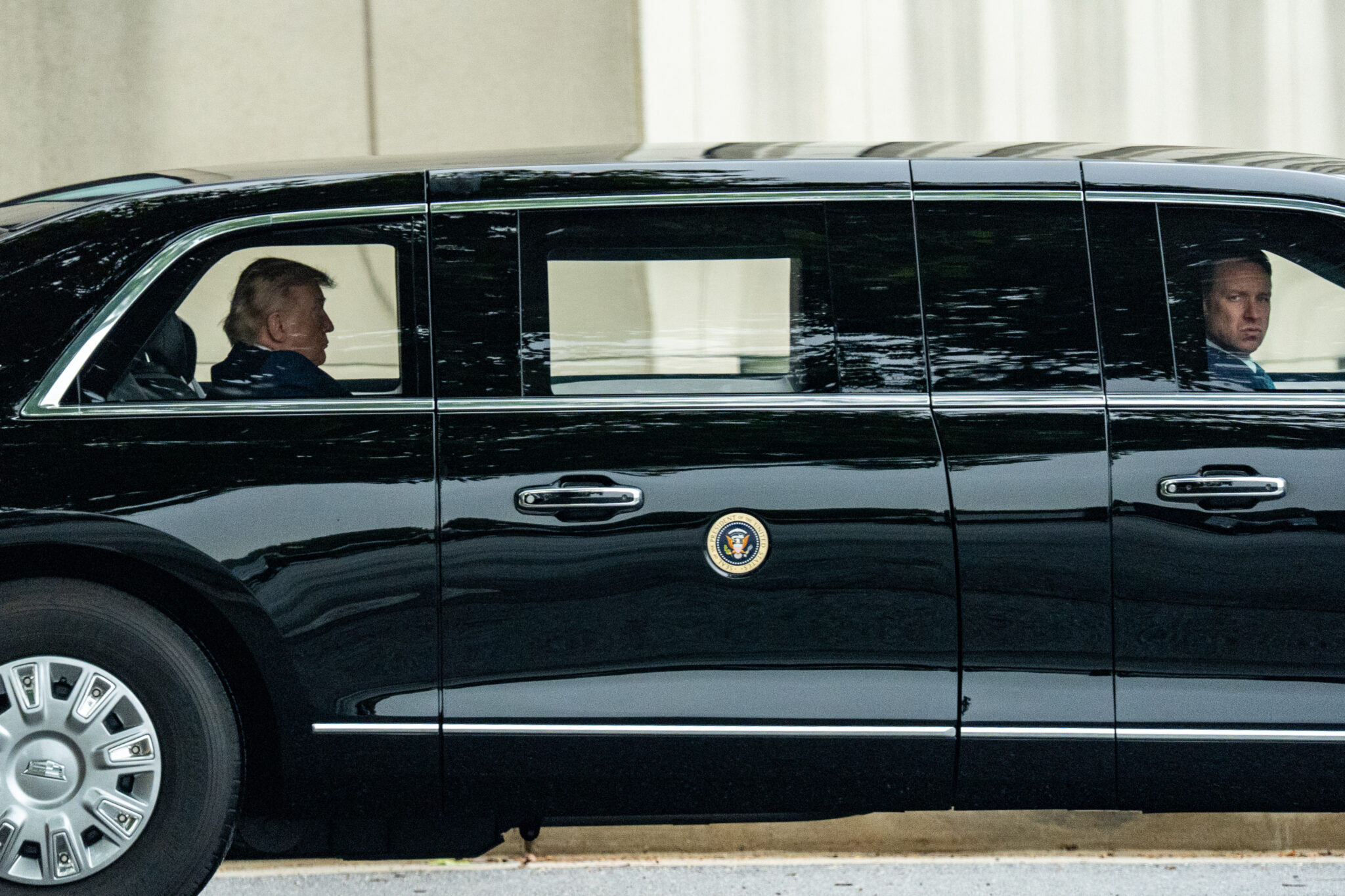
Trump Cabinet Meeting to Focus on Iran Ceasefire Negotiations/ Newslooks/ WASHINGTON/ J. Mansour/ Morning Edition/ Donald Trump gathered his Cabinet as negotiations to end the Iran conflict remain unstable and politically divisive. Some Republican allies fear the emerging agreement could allow Iran to rebuild influence despite U.S. military pressure. The talks continue to focus on reopening the Strait of Hormuz, sanctions relief and Iran’s uranium stockpile.
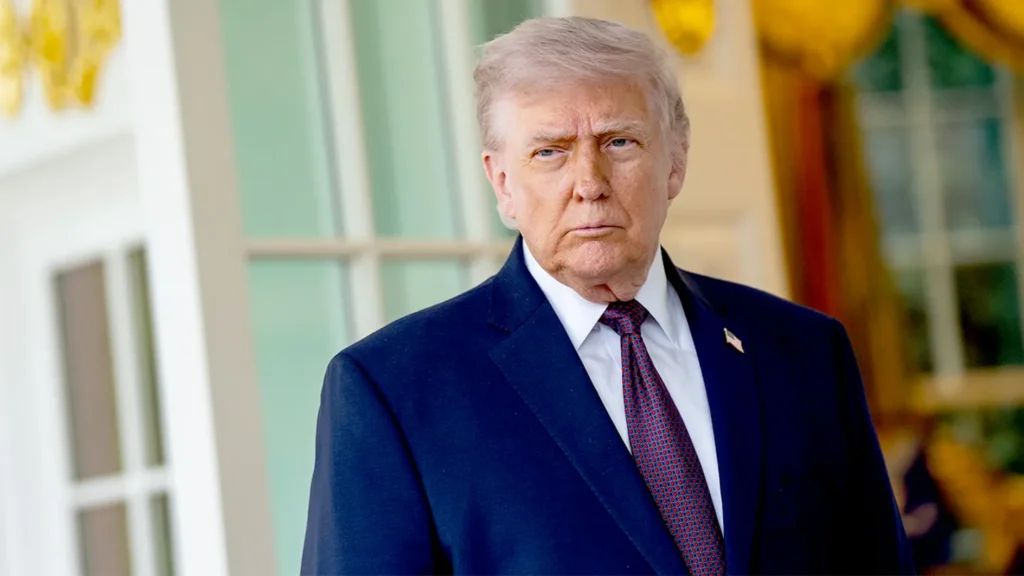
Trump Iran Deal Quick Looks
- Trump held Cabinet meeting amid fragile Iran negotiations.
- Talks remain focused on reopening Strait of Hormuz.
- GOP lawmakers worry deal may embolden Iran.
- Marco Rubio said negotiations need more time.
- U.S. carried out “defensive” strikes inside Iran Monday.
- Iran condemned strikes as “bad faith and unreliability.”
- Deal could involve surrendering enriched uranium.
- Israel continues operations against Hezbollah in Lebanon.
- Trump linked agreement to expanded Abraham Accords.
- Saudi Arabia still demands pathway to Palestinian state.
Deep Look
Trump Faces Pressure as Iran Talks Continue
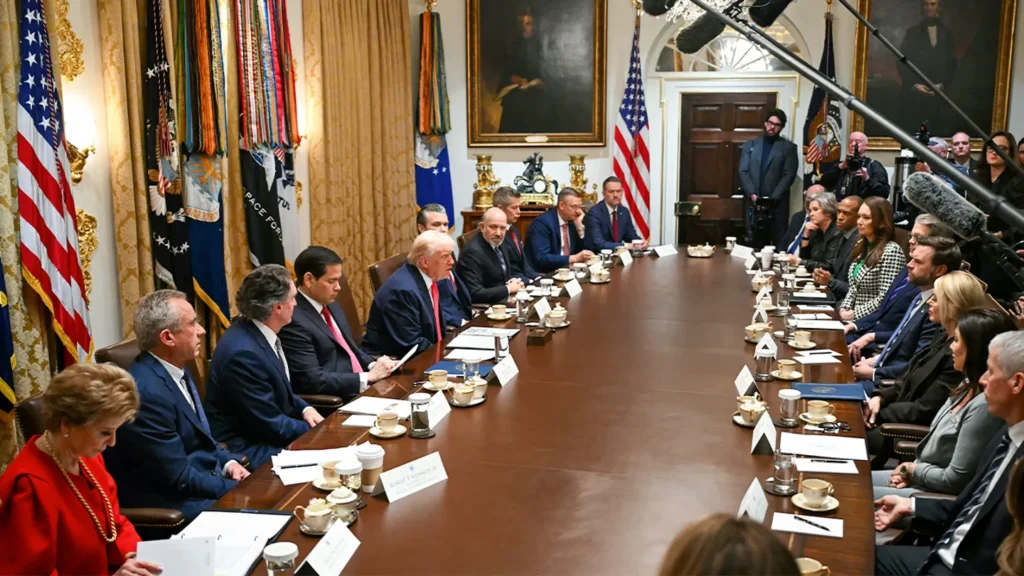
Donald Trump convened his Cabinet on Wednesday as negotiations aimed at ending the war with Iran entered a tense and uncertain phase.
The administration has projected optimism that an agreement can be reached to reopen the Strait of Hormuz and reduce regional tensions, but major disputes remain unresolved.
Trump has insisted his administration and Tehran have “largely negotiated” a settlement, though officials acknowledge critical details are still being finalized.
The stakes are high politically and strategically as Republicans worry prolonged instability, rising fuel costs and an unpopular military conflict could damage the party heading into midterm elections.
Rubio Says More Negotiation Time Needed
Marco Rubio said Tuesday that negotiations surrounding the ceasefire and reopening the Strait of Hormuz would continue for several more days.
“He’s either going to make a good deal or no deal,” Rubio told reporters.
The administration hopes a temporary ceasefire extension would create enough time to negotiate the more difficult issues surrounding Iran’s nuclear program and sanctions relief.
GOP Allies Raise Concerns About Deal Terms
Even some of Trump’s strongest Republican allies have expressed concern that the emerging framework could ultimately strengthen Tehran.
Republican senators including:
- Roger Wicker
- Lindsey Graham
- Ted Cruz
have questioned whether the proposed arrangement resembles the Obama-era Iran nuclear agreement that Trump abandoned during his first term.
Critics fear sanctions relief could allow Iran’s leadership to restore military capabilities and fund proxy groups across the Middle East.
Uranium Stockpile Remains Key Issue
One of the central unresolved issues involves Iran’s stockpile of highly enriched uranium.
Under the proposed framework, Tehran would reportedly surrender its enriched uranium in exchange for sanctions relief.
According to officials familiar with the negotiations, the uranium could:
- Be diluted
- Be transferred to a third country
- Be destroyed under international supervision
Iran currently possesses approximately 440.9 kilograms of uranium enriched to 60% purity, according to the International Atomic Energy Agency.
Trump said Monday the uranium would either be surrendered to the U.S. or “destroyed in place or, at another acceptable location, with the Atomic Energy Commission, or its equivalent, being witness to this process and event.”
U.S. Defensive Strikes Complicated Negotiations
Negotiations became more complicated after the U.S. military launched what the Pentagon described as “defensive” strikes inside southern Iran earlier this week.
The strikes targeted:
- Missile launch sites
- Mine-laying vessels
American officials said the operation was carried out “with restraint” during the ongoing ceasefire.
Iran sharply criticized the attacks, calling them a sign of “bad faith and unreliability.”
The incident raised concerns that negotiations could quickly unravel if military clashes intensify again.
Israel-Hezbollah Conflict Adds More Pressure
Another unresolved question is whether the ceasefire agreement would apply to Israeli military operations against Hezbollah in Lebanon.
Iran has insisted Lebanon must be included in any ceasefire arrangement.
However, the emerging memorandum appears to leave flexibility for Israel to continue acting against perceived threats.
Israeli Prime Minister Benjamin Netanyahu announced Tuesday that Israel was “deepening its operation” in Lebanon.
Overnight clashes between Israeli forces and Hezbollah militants continued in southern Lebanon as Israeli troops advanced farther north.
Jonathan Conricus, former spokesperson for the Israel Defense Forces, warned that Iran would likely direct sanctions relief funds toward rebuilding military networks and regional proxy forces.
“We’re not done fighting, because the Iranian regime isn’t done,” Conricus said.
Trump Pushes Expanded Abraham Accords
He argued Monday that countries including:
- Saudi Arabia
- Qatar
- Pakistan
should join the accords as part of any final settlement.
But major obstacles remain.
Barbara Leaf, a former U.S. ambassador to the United Arab Emirates, said Gulf officials reacted to Trump’s proposal with “stunned silence.”
Another source familiar with the discussions disputed that account and said some regional allies responded positively.
Economic and Political Stakes Continue Rising
The negotiations carry major global economic consequences.
The prolonged disruption in the Strait of Hormuz has:
- Increased energy prices
- Strained global shipping
- Fueled inflation concerns
- Pressured financial markets
At the same time, Trump faces political pressure at home from Republicans concerned the final agreement may fall short of delivering a decisive strategic victory.
Still, many U.S. allies in the Middle East appear eager for diplomacy to succeed.
“They see no other way out,” Leaf said of American regional allies. “And they see no other way out because of many of these early mistakes that the president and the administration made in conducting the war.”