Trump Says Iran ‘Negotiating on Fumes’ as Deal Nears/ Newslooks/ WASHINGTON/ J. Mansour/ Morning Edition/ Donald Trump said Iran is “negotiating on fumes” as his administration works toward a deal aimed at ending the conflict and reopening the Strait of Hormuz. The proposed agreement has triggered criticism from some Republicans who fear the terms may resemble the Obama-era Iran nuclear deal. Key issues including uranium disposal, Hezbollah operations and expanded Abraham Accords participation remain unresolved.
Trump Iran Negotiations Quick Looks
- Trump says Iran “want very much to make a deal.”
- White House pushing for Strait of Hormuz reopening.
- Republicans criticize possible deal concessions.
- Uranium stockpile remains central negotiation issue.
- Iran condemns recent U.S. defensive strikes.
- Israel continues operations against Hezbollah.
- Trump ties deal to expanded Abraham Accords.
- Saudi Arabia still demands Palestinian state pathway.
- GOP worries war and inflation could hurt midterms.
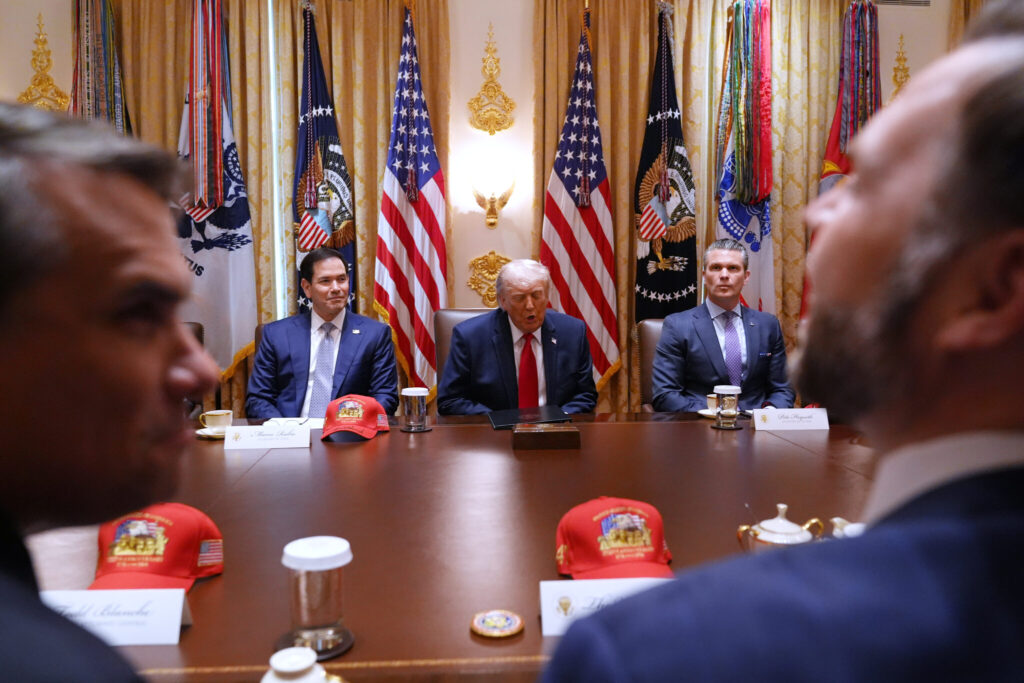
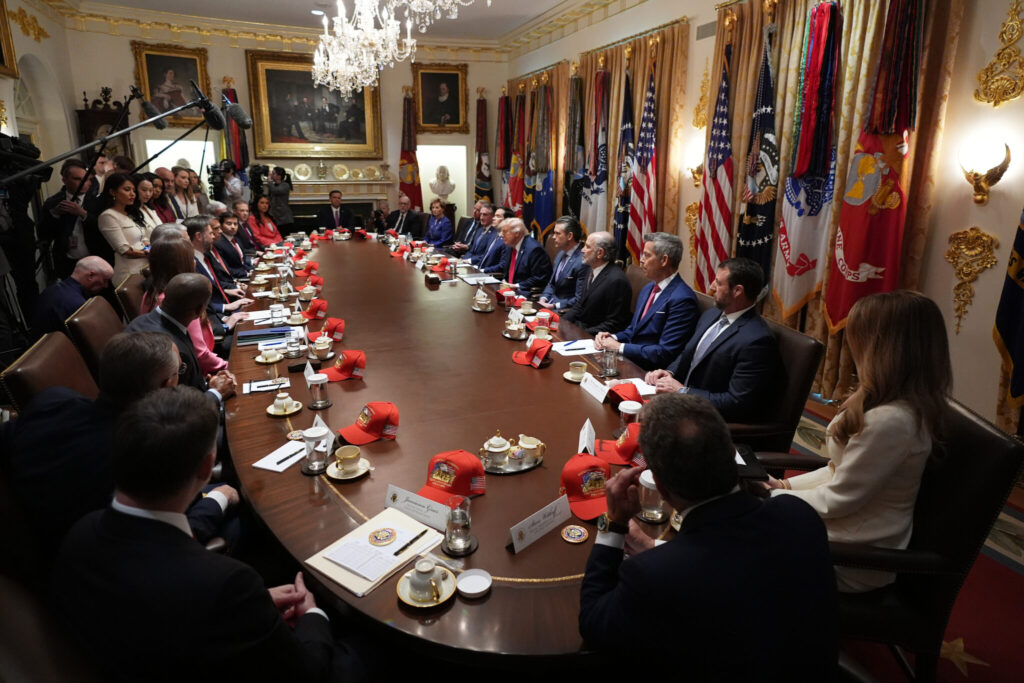
- Cabinet meeting held amid rising political pressure.
Deep Look
Trump Says Iran Is “Negotiating on Fumes”
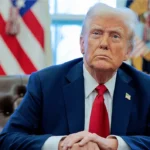
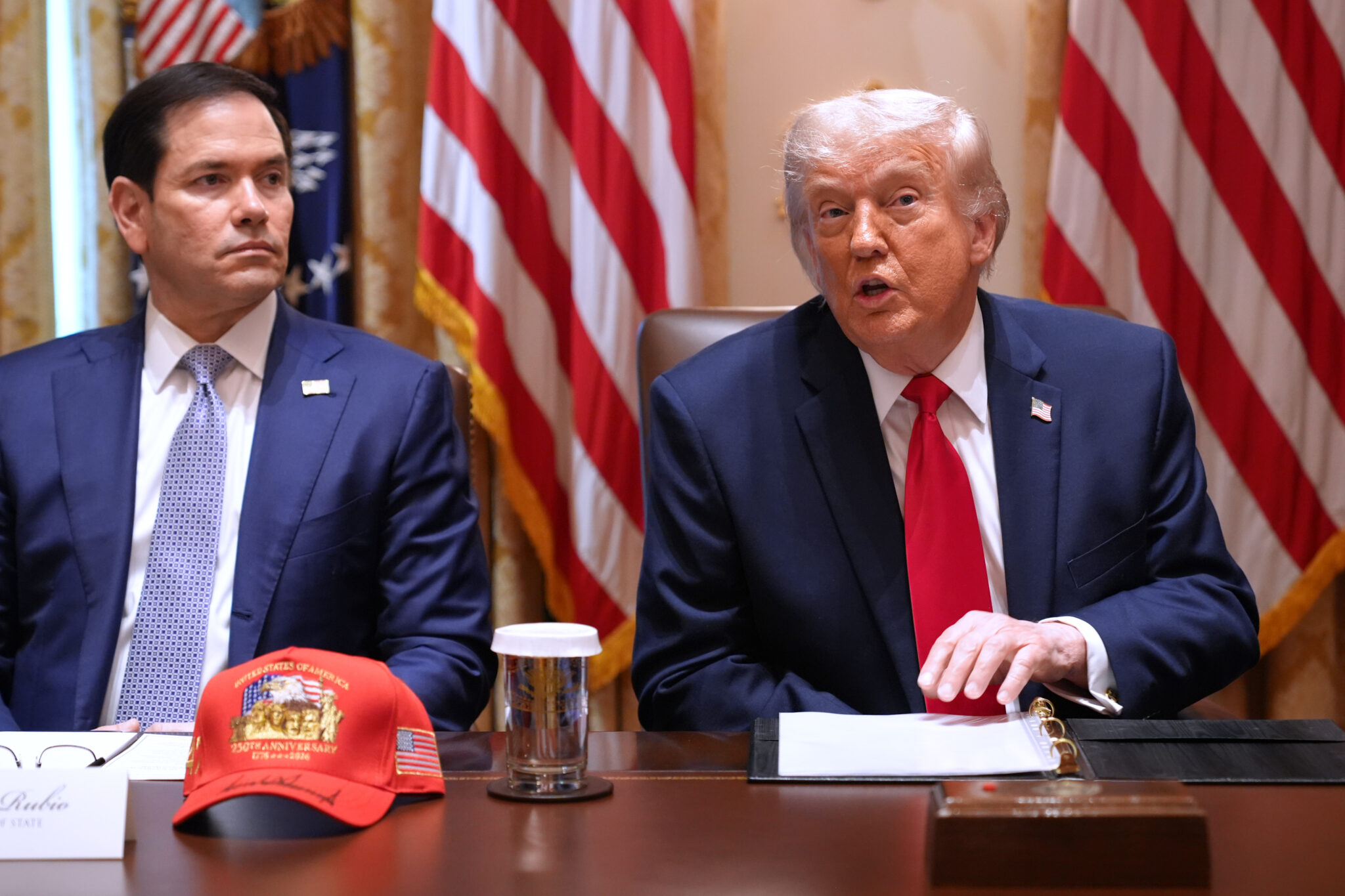
Donald Trump expressed confidence Wednesday that negotiations with Iran are moving closer to a breakthrough, declaring Tehran is “negotiating on fumes” as talks continue over ending the war and reopening the Strait of Hormuz.
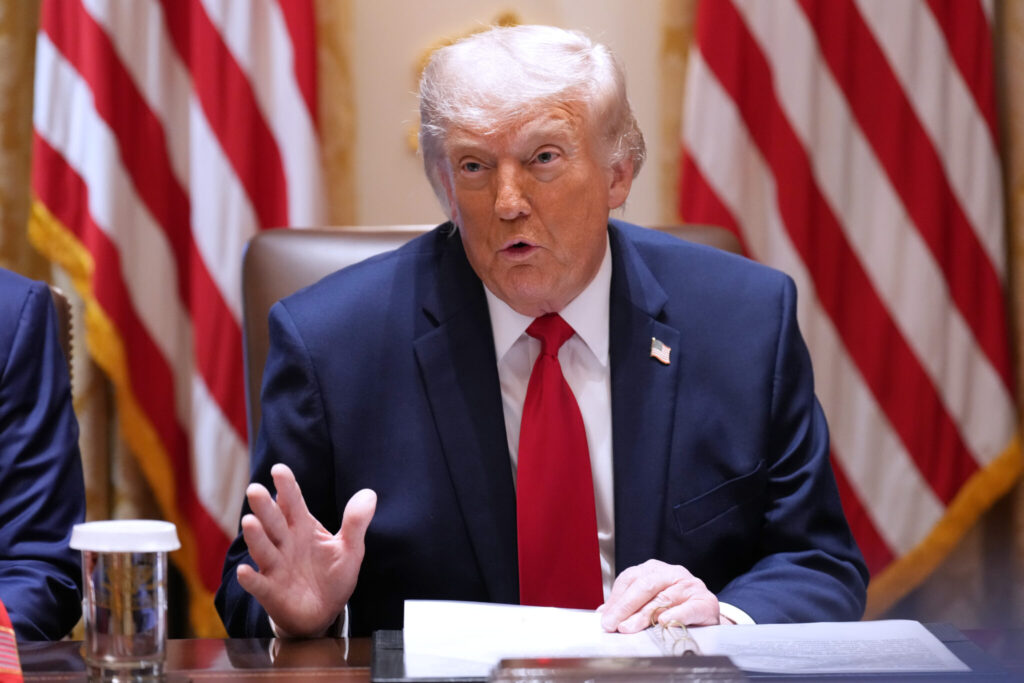
Speaking during a Cabinet meeting at the White House, Trump acknowledged negotiations remain unfinished but insisted progress is being made.
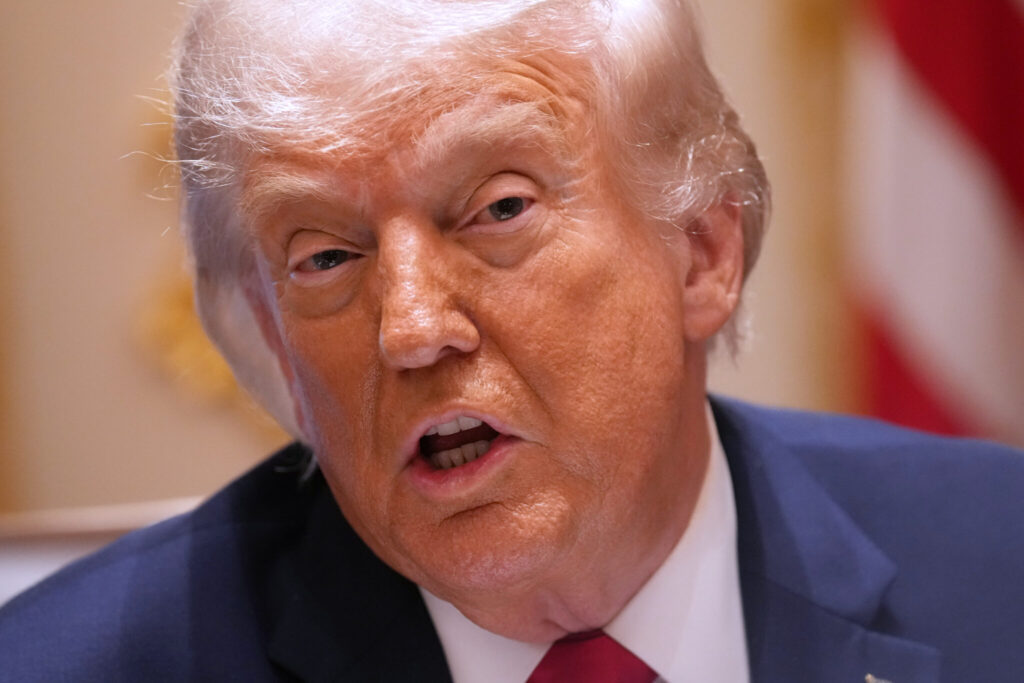
“They want very much to make a deal,” Trump said.
“So far, they haven’t gotten there. We’re not satisfied with it, but we will be — either that or we’ll have to just finish the job.”
Trump on Wednesday vowed to strike a favorable deal to end the war with Iran, warning that the regime’s efforts to outlast him won’t work because “I don’t care about the midterms.”
“They thought they were going to outwait me, you know? We’ll outwait him, he’s got the midterms,” Trump said during a Cabinet meeting, dismissing concerns about the war’s political toll at home.
“I don’t care about the midterms. Look what happened last night, that was a prelude to the midterms. People understand it,” he said, alluding to his endorsed candidate winning a Texas GOP Senate primary runoff.
The president expressed confidence that the US would soon reach an agreement to end the conflict, though he cautioned that his administration is not yet satisfied with the terms — and is willing to resume fighting if it can’t secure its demands.
“We’re not satisfied with it, but we will be,” Trump said. “Either that, or we’ll have to just finish the job.”
He also touted the resumption of internet access in Iran as a sign the regime’s hardline stance was weakening, arguing that “their whole economic system is broken down.”
“They want to just make a deal,” he said. “I don’t think they have a choice.”
Trump said Iran would not get sanctions relief if it gives up its stock of highly enriched uranium.
“No, no, not at all. Not sanctions relief, no,” Trump told PBS News in a phone interview Wednesday when asked if the current framework would mean Iran giving up its highly enriched uranium in exchange for sanctions relief.
“They’re gonna give up their highly enriched uranium not for sanctions, relief. No, no, not at all,” he added.
The administration is seeking a deal that would:
- Reopen the Strait of Hormuz
- Ease global energy disruptions
- Reduce military tensions
- Limit Iran’s nuclear capabilities
- Provide political closure to the conflict
White House pushes back on Iranian narrative of latest MOU draft, calling it a “complete fabrication.”
The White House on Wednesday pushed back on Iranian state media reports about a draft of the memorandum of understanding, calling it a “complete fabrication.”
“This report from Iranian controlled media is not true and the MOU they ‘released’ is a complete fabrication. Nobody should believe what Iranian state media is putting out. FACTS MATTER,” the White House’s Rapid Response account posted on X.
Iranian state media reported the MOU would call for US military forces to withdraw from the vicinity of Iran and lift the blockade of Iranian ports.
Some of the details are similar to how US officials have described the emerging deal. American officials have said President Donald Trump would be willing to lift the blockade as long as Iran allows commercial vessels to transit the Strait or Hormuz.
“As President Trump has said, negotiations are proceeding nicely and he has made his redlines clear. President Trump will only make a good deal for the American people, which must ensure that Iran can never have a nuclear weapon,” said Olivia Wales, a White House spokeswoman, in response to the Iran state TV report.
Republicans Question Emerging Deal
Despite Trump’s optimism, some Republicans have grown increasingly uneasy with the terms emerging from negotiations.
According to the report, GOP senators including:
- Lindsey Graham
- Ted Cruz
- Roger Wicker
Have expressed concern that the framework resembles the nuclear agreement negotiated during the Obama administration.
Trump withdrew the United States from that deal during his first term and repeatedly criticized it as too favorable to Tehran.
Critics now fear the current proposal could allow Iran to preserve significant influence and eventually rebuild capabilities.
Uranium Stockpile Remains Major Obstacle
One of the most sensitive issues involves Iran’s highly enriched uranium stockpile.
Under the emerging agreement, Iran would reportedly surrender or neutralize its uranium reserves in exchange for sanctions relief.
According to the International Atomic Energy Agency, Iran possesses approximately:
- 440.9 kilograms of uranium
- Enriched up to 60% purity
That level is considered only a short technical step away from weapons-grade material.
Trump signaled some flexibility regarding how the uranium would be handled.
He previously insisted the U.S. should directly control the material, but recent comments suggested alternatives including destruction under international supervision.
U.S. Strikes Complicate Negotiations
The fragile diplomacy was further strained after recent U.S. military action in southern Iran.
The Pentagon described Monday’s strikes as “defensive,” targeting:
- Missile launch sites
- Mine-laying vessels
- Threats near the Strait of Hormuz
Iran condemned the strikes as evidence of “bad faith and unreliability.”
The incident highlighted how quickly tensions could escalate despite ongoing negotiations.
Israel-Hezbollah Conflict Still Unresolved
Another major unresolved issue involves Israel’s military operations against Hezbollah in Lebanon.
Iran has insisted any ceasefire agreement must also address fighting involving Hezbollah.
However, Israel appears determined to continue military operations.
Benjamin Netanyahu announced Israel is “deepening its operation” in Lebanon as clashes intensified near a strategic river in southern Lebanon.
Former Israeli military spokesperson Jonathan Conricus warned sanctions relief could quickly strengthen Iran-backed militant groups.
“We’re not done fighting, because the Iranian regime isn’t done,” Conricus said.
Trump Expands Abraham Accords Push
Trump also surprised regional allies by tying the Iran agreement to expanded participation in the Abraham Accords.
The president wants additional countries — including:
- Saudi Arabia
- Qatar
- Pakistan
to normalize diplomatic and economic ties with Israel as part of the broader arrangement.
The proposal reportedly generated mixed reactions among regional leaders.
Former U.S. diplomat Barbara Leaf said Gulf officials reacted with “stunned silence” during discussions about the idea.
Saudi Arabia continues insisting that meaningful progress toward Palestinian statehood remains necessary before normalization with Israel.
Political Pressure Growing Ahead of Midterms
The negotiations come as Republicans worry the Iran conflict and rising energy prices could damage the party politically ahead of the 2026 midterm elections.
Trump is seeking a diplomatic outcome that allows him to claim victory while avoiding a prolonged conflict that could deepen economic strain and voter frustration.
However, unresolved questions remain regarding:
- Sanctions relief
- Iran’s nuclear future
- Hezbollah operations
- Energy security
- Israel’s military posture
- Regional normalization efforts
The administration continues pushing for a final agreement even as critics warn the framework may leave major strategic challenges unresolved.