US Inflation Hits 3.8%, Three-Year High as Consumer Finances Tighten/ Newslooks/ WASHINGTON/ J. Mansour/ Morning Edition/ A key U.S. inflation measure climbed to its highest level in three years in April, increasing pressure on American households and the economy. Higher prices for gasoline, groceries, electricity and services continue eroding incomes and weakening consumer spending power. The rising inflation rate could complicate interest-rate decisions for the Federal Reserve ahead of the 2026 midterm elections.
US Inflation Quick Looks
- Inflation rose to 3.8% in April.
- Highest inflation level since May 2023.
- Core inflation increased to 3.3%.
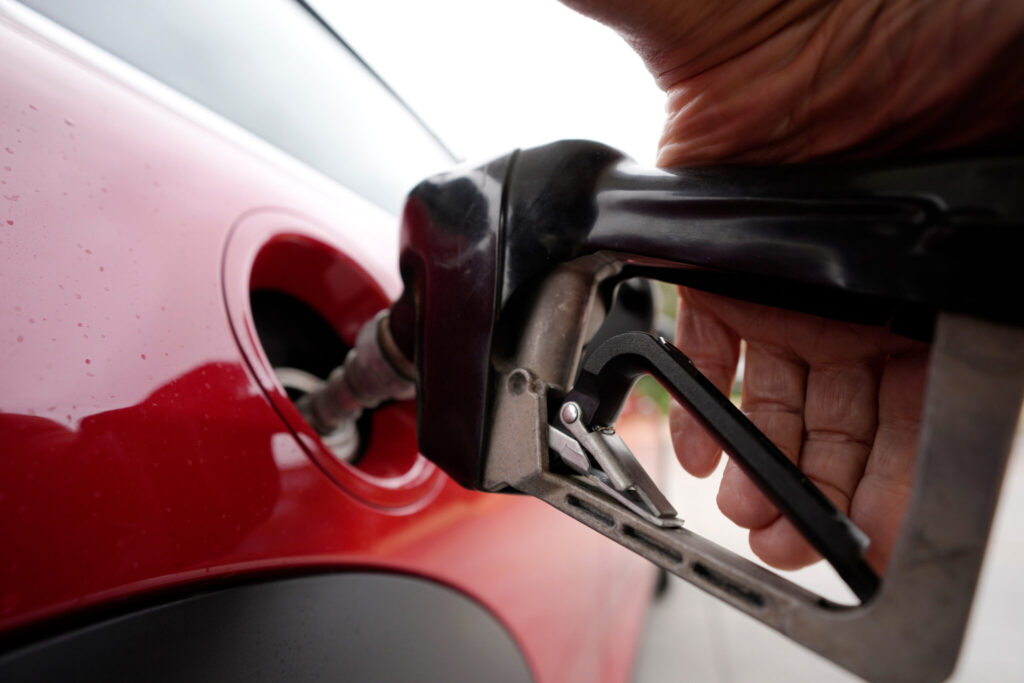
- Gas prices remain above $4.40 nationally.
- Real personal income slipped 0.1%.
- Consumer spending barely rose after inflation adjustment.
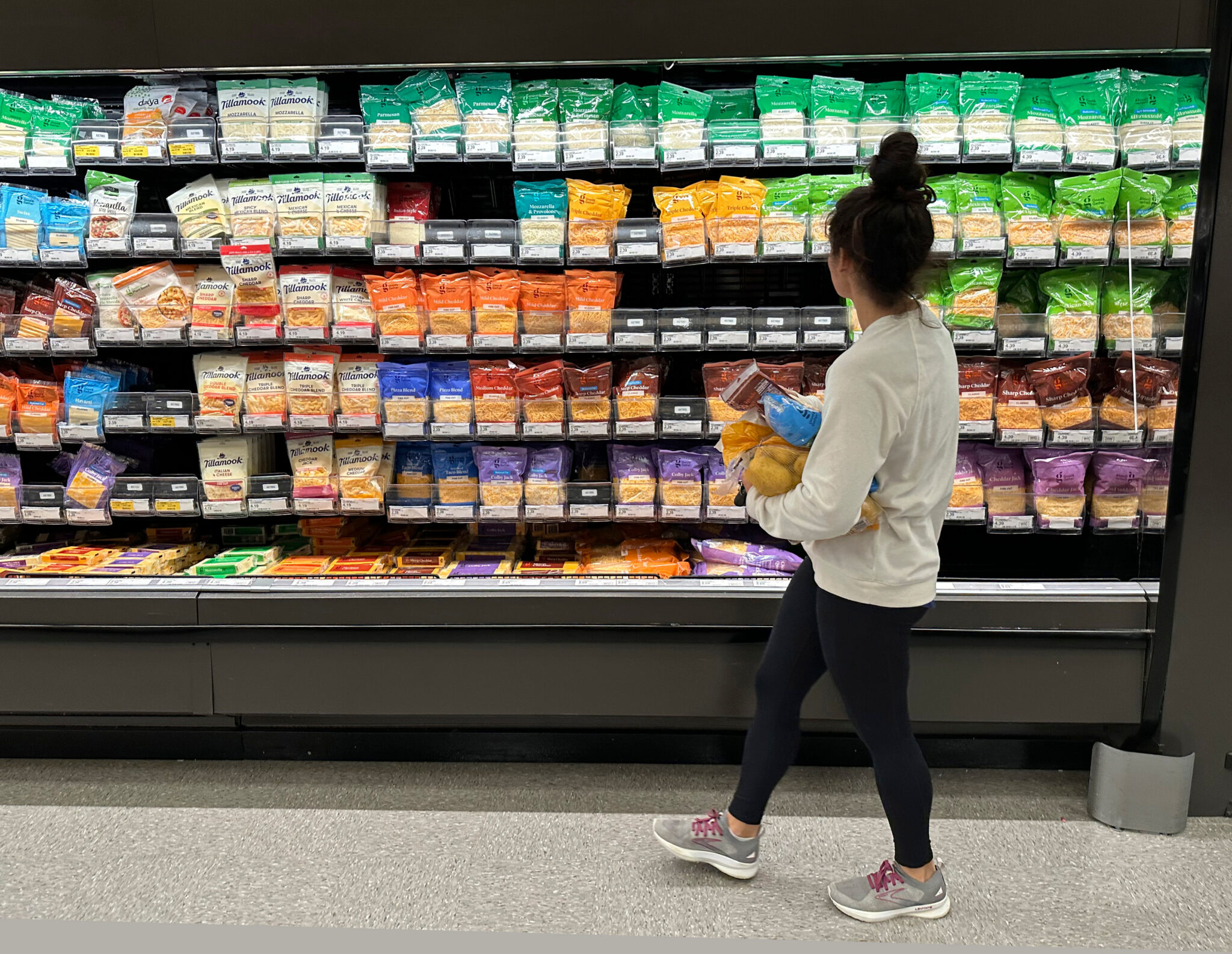
- Grocery, clothing and electricity prices climbed.
- Fed may delay interest-rate cuts.
- AI infrastructure spending adding inflation pressure.
- Iran war continues impacting global energy markets.
Deep Look
Inflation Accelerates to Three-Year High
The U.S. economy faced renewed inflation pressure in April as a key government inflation gauge rose to its highest level in three years.
According to the United States Department of Commerce, inflation climbed 3.8% in April compared with one year earlier.
That marked an increase from:
- 3.5% in March
- The highest annual inflation reading since May 2023
On a monthly basis, prices rose 0.4% in April after surging 0.7% in March.
Although monthly inflation slowed slightly, economists say the pace remains too high for policymakers at the Federal Reserve.
Core Inflation Also Moves Higher
Core inflation — which excludes volatile food and energy prices — also accelerated.
The core inflation rate increased to 3.3% in April from 3.2% the previous month.
That marked the highest core inflation reading since October 2023.
One encouraging sign for economists:
- Core prices rose just 0.2% month-over-month
- Down from 0.3% growth in March
Still, inflation remains well above the Federal Reserve’s long-term 2% target.
Rising Prices Hit American Households
The report showed inflation pressures are broadening across the economy.
Prices increased for:
- Gasoline
- Groceries
- Electricity
- Clothing
- Car repairs
- Dental services
- Veterinary care
- Toys and household goods
The rising costs are eroding Americans’ spending power.
Personal income was unchanged in April compared with March.
After adjusting for inflation:
- Real personal income declined 0.1%
Consumer spending rose 0.5% overall, but inflation accounted for most of that increase.
Adjusted for inflation, real spending increased just 0.1%.
Economists Warn of Growing Consumer Stress
Analysts say American households are increasingly strained by higher living costs.
“Signs of stress are building inside the American household across the economy,” said Joe Brusuelas, chief economist at RSM.
“Inflation-adjusted spending, disposable income … point to a slowing in May spending as inflation approaches a peak on the back of a historic supply shock.”
Higher fuel and energy prices remain major contributors to inflationary pressure.
According to AAA:
- Average gasoline prices hit roughly $4.50 per gallon for much of May
- Prices remained at $4.43 Thursday
- Gas averaged $2.98 before the Iran war began
Iran War Continues Fueling Economic Pressure
Iran’s restrictions around the Strait of Hormuz — a critical global oil shipping route — have sharply reduced energy flows and increased costs worldwide.
The energy disruption has contributed to:
- Higher transportation expenses
- Increased shipping costs
- Rising utility prices
- Persistent inflation across goods and services
Federal Reserve Faces Difficult Choices
The inflation surge complicates decisions for the Federal Reserve.
Many investors had previously expected interest-rate cuts later this year.
Now, some Fed officials have signaled rates could remain elevated longer — or potentially rise further — if inflation does not cool.
Higher interest rates could slow:
- Consumer borrowing
- Home purchases
- Business investment
- Economic growth
Economy Still Growing Slowly
A separate Commerce Department report showed the U.S. economy grew at a modest 1.6% annual pace during the first quarter of 2026.
That was:
- Lower than the government’s earlier 2% estimate
- Better than the weak 0.5% growth recorded late last year
The slower growth reflects ongoing economic uncertainty linked to:
- Inflation
- Energy costs
- Global supply disruptions
- Geopolitical instability
AI Investment Adds New Inflation Pressure
The report also highlighted a newer source of inflationary pressure: artificial intelligence infrastructure spending.
Rapid investment in AI data centers and computing systems is increasing demand for:
- Computer equipment
- Semiconductors
- Electricity
- Software infrastructure
Economists say these trends may continue pushing prices higher across multiple sectors.