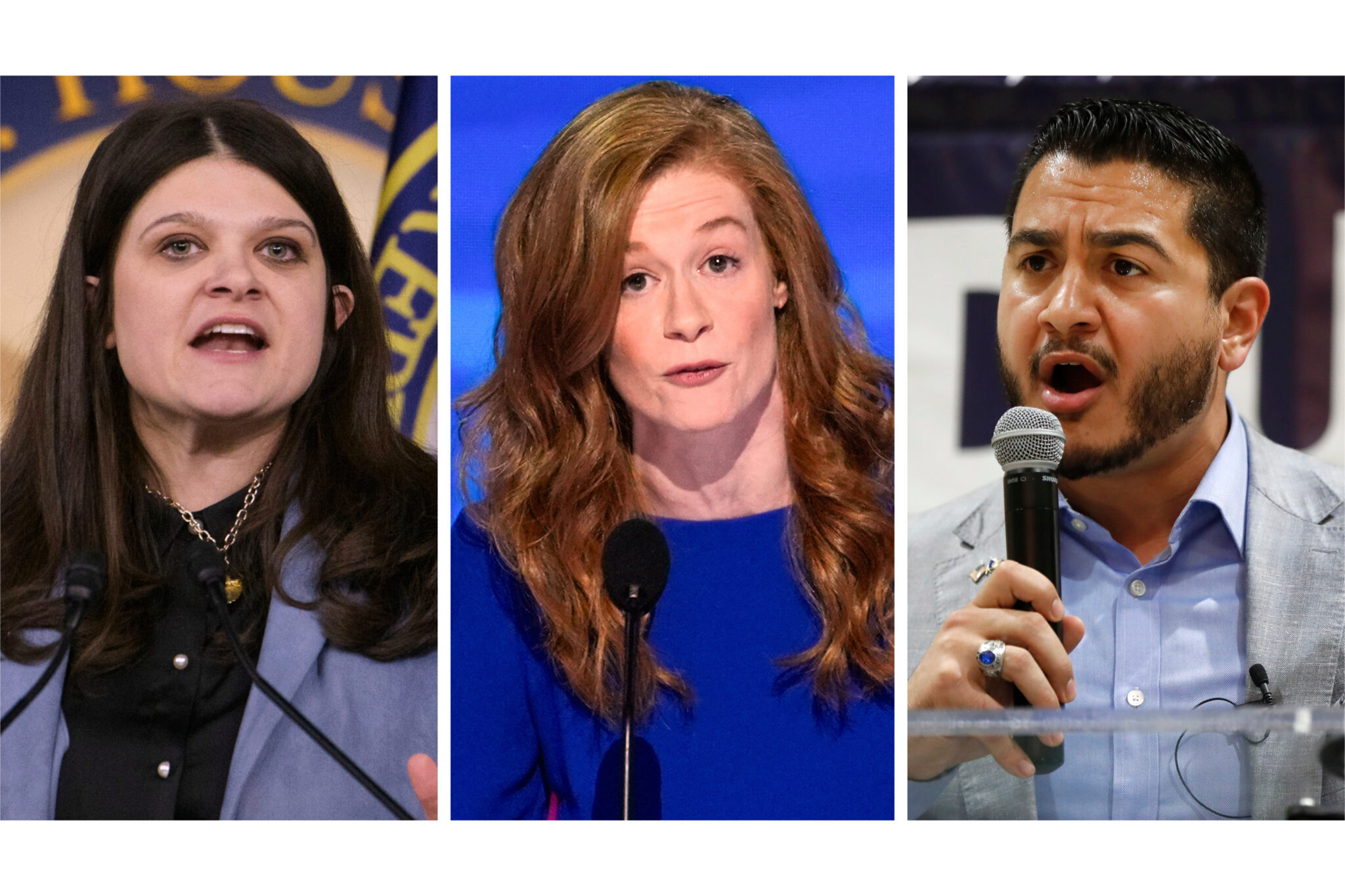
Michigan Democrats Clash in Key Senate Primary Debate/ Newslooks/ WASHINGTON/ J. Mansour/ Morning Edition/ Michigan Democrats are entering a pivotal Senate primary that could shape the party’s direction ahead of the 2026 midterms. Candidates Haley Stevens, Mallory McMorrow and Abdul El-Sayed are competing for the nomination in a closely watched race. The winner will face Republican Mike Rogers in one of the country’s most important Senate contests.

Michigan Senate Primary Quick Looks
- Michigan Democrats face competitive Senate primary.
- Debate held at Mackinac Island policy conference.
- Open Senate seat created by Gary Peters retirement.
- Haley Stevens positioned as establishment-backed candidate.
- Abdul El-Sayed running progressive campaign.
- Mallory McMorrow positioning herself between rivals.
- Republicans targeting seat with major ad spending.
- Mike Rogers enters general election uncontested.
- Race viewed as test of Democratic Party direction.
- Midterm control of Senate could hinge on Michigan.


Deep Look
Michigan Democrats Battle for Open Senate Seat
Michigan Democrats are entering a high-stakes Senate primary that is increasingly viewed as a national test for the party’s political future ahead of the 2026 midterm elections.
The top Democratic contenders — Haley Stevens, Mallory McMorrow and Abdul El-Sayed — are set to debate Thursday at the party’s annual Mackinac Island policy conference.
The race will determine who replaces retiring Democratic Sen. Gary Peters, who is not seeking a third term.
Race Seen as Test of Democratic Identity
The Michigan contest has become one of the clearest examples of the ideological divisions shaping Democrats nationally after the party’s disappointing 2024 election cycle.
Each candidate represents a different wing of the Democratic coalition:
- Stevens represents the more moderate and establishment-aligned lane.
- El-Sayed is campaigning as the progressive alternative.
- McMorrow has attempted to position herself between the two factions.
The debate is expected to sharpen contrasts over issues including healthcare, foreign policy, economic messaging and party leadership.
Haley Stevens Running as Experienced Moderate
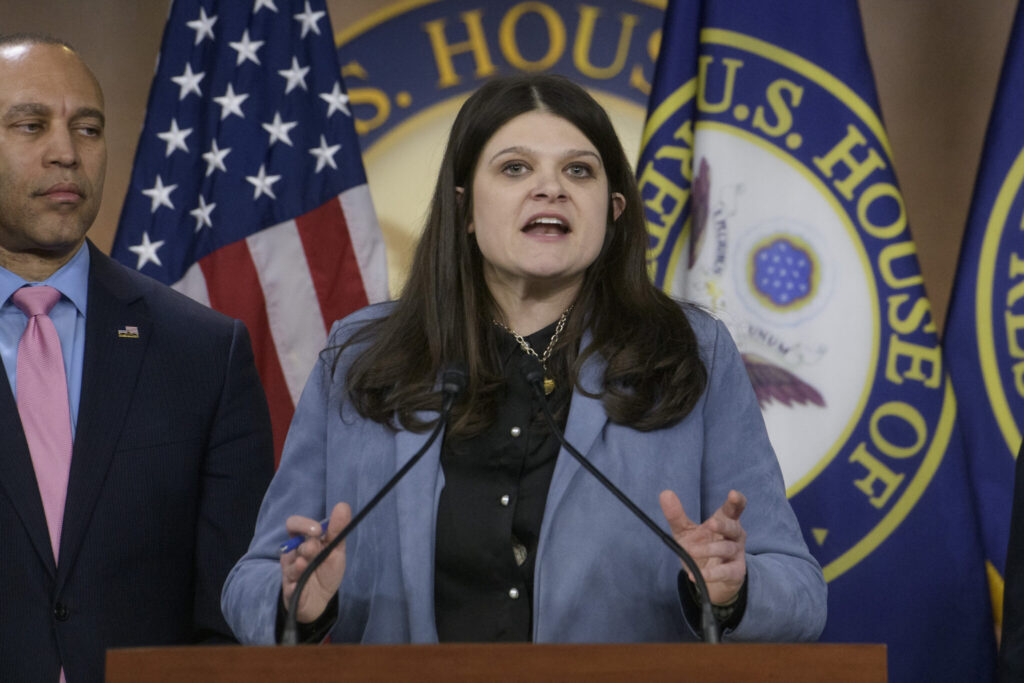
Stevens, a fourth-term congresswoman from suburban Detroit, has secured endorsements from several Democratic senators representing battleground states.
Supporters see her as a pragmatic candidate capable of competing in a swing state.
She has described herself as a:
“staunchly pro-Israel Democrat.”
Stevens has emphasized manufacturing, economic policy and labor issues throughout the campaign.
Abdul El-Sayed Appeals to Progressive Base
El-Sayed entered the race with support from progressive figures including Bernie Sanders.
He has campaigned heavily on:
- “Medicare for All”
- Higher taxes on wealthy Americans
- Expanded social programs
El-Sayed has also criticized Israel’s military actions in Gaza, describing them as a:
“genocide.”
His campaign has faced criticism from some Democrats over appearances with controversial political streamer Hasan Piker.
Mallory McMorrow Positions Herself Between Rivals
McMorrow first gained national attention after speeches criticizing Republicans and defending LGBTQ rights went viral.
She has attempted to balance progressive energy with broader electability arguments.
McMorrow has also criticized parts of the Democratic establishment and said she would not support Chuck Schumer returning as Senate Democratic leader.
Her campaign has focused on generational change and rebuilding voter trust.
Republicans See Opportunity in Michigan
Republicans believe the open-seat contest gives them one of their best opportunities to gain a Senate seat in 2026.
Mike Rogers, the Republican nominee, lost Michigan’s 2024 Senate race by fewer than 20,000 votes.
Unlike last cycle, Rogers enters the general election without facing a divisive primary battle.
“This is a change election. People want to talk about Washington. This is about Michigan,” Rogers said.
Republicans are also expected to significantly outspend Democrats on advertising during the general election campaign.
National Issues Shaping the Race
Although candidates are emphasizing local concerns, several national issues are expected to dominate the race, including:
- Inflation
- Gas prices
- Tariffs
- Economic uncertainty
- Foreign policy divisions
Michigan has been particularly sensitive to rising fuel costs and manufacturing concerns tied to global trade disruptions.
Outside spending in the race is projected to reach hundreds of millions of dollars as both parties fight for control of the Senate.
High Stakes for Both Parties
Michigan remains one of the nation’s most competitive battleground states.
No Republican has won a U.S. Senate race in Michigan since 1994, but recent presidential elections have shown the state remains deeply divided politically.
The Democratic primary winner will likely emerge with:
- National party backing
- Heavy fundraising support
- Significant scrutiny heading into November
The race is expected to become one of the defining Senate contests of the 2026 election cycle.