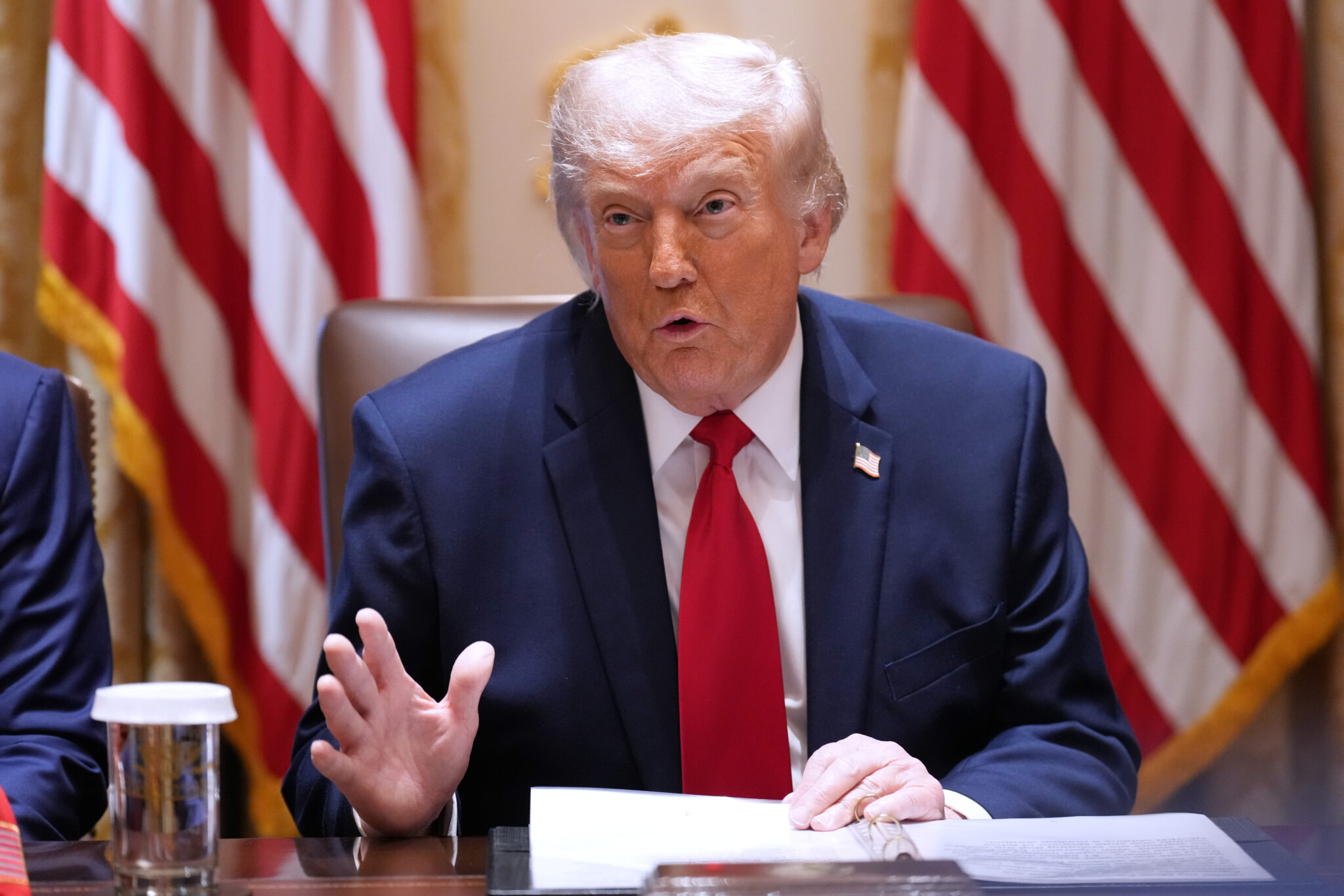
Trump Delays Decision On Proposed Iran Ceasefire Deal/ Newslooks/ WASHINGTON/ J. Mansour/ Morning Edition/ President Donald Trump met with national security advisers Friday but did not decide whether to approve a proposed agreement extending the Iran ceasefire. The tentative deal would reopen the Strait of Hormuz and begin new negotiations over Iran’s nuclear program. Iranian officials say the agreement remains unfinished, highlighting ongoing disagreements over uranium stockpiles, sanctions relief, and regional security issues.
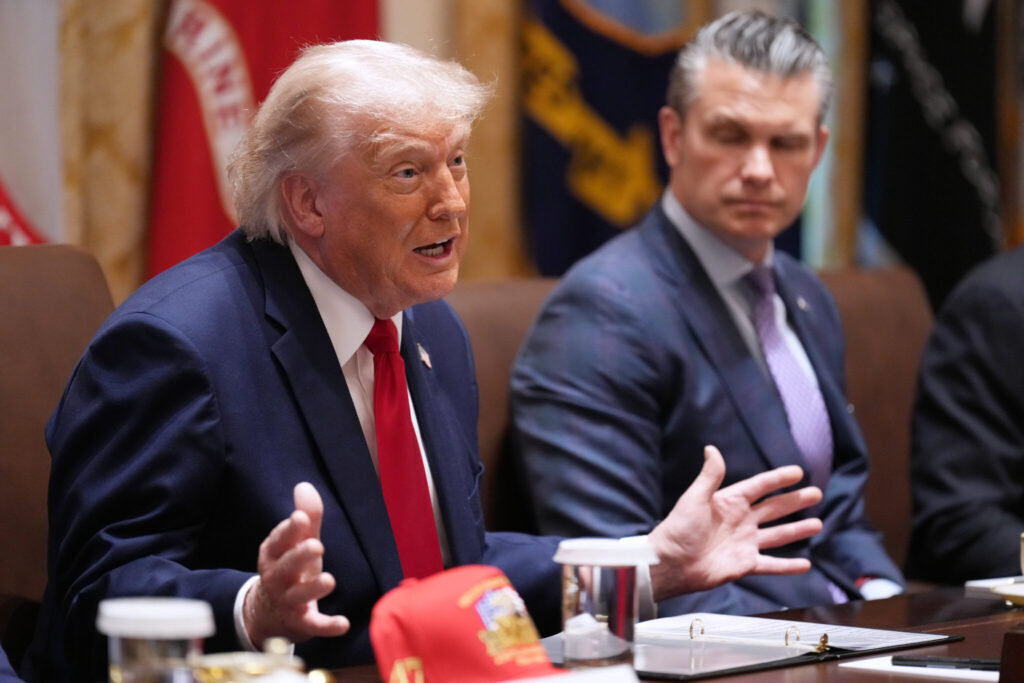
Trump Iran Ceasefire Deal Quick Looks
- Trump held a Situation Room meeting Friday.
- No final decision was made on the proposed agreement.
- The deal would extend the ceasefire by 60 days.
- Negotiations would continue on Iran’s nuclear program.
- Iran says the agreement is not finalized.
- Uranium enrichment remains a major sticking point.
- Strait of Hormuz reopening is a central provision.
- Sanctions relief is part of ongoing discussions.
- Iran seeks access to frozen assets.
- Both sides continue expressing deep distrust.
Deep Look
Trump Holds High-Stakes Meeting On Iran Agreement
WASHINGTON — President Donald Trump convened a high-level meeting with his national security team Friday to review a proposed agreement with Iran but ultimately left the White House Situation Room without making a final decision.
The meeting came amid growing expectations that the United States and Iran were nearing a major diplomatic breakthrough that could extend the current ceasefire and reopen critical shipping routes through the Strait of Hormuz.
Despite hours of discussion, administration officials said Trump remains undecided and continues to evaluate whether the proposed framework adequately protects American interests and limits Iran’s nuclear ambitions.
No Final Decision After Two-Hour Meeting
Before entering the Situation Room, Trump signaled that he was preparing to make what he called a “final determination” regarding the agreement.
However, after roughly two hours of discussions with advisers, no decision was announced.
A senior administration official said the president remains committed to securing an agreement that satisfies his key demands and ensures Iran cannot develop nuclear weapons.
The official noted that Trump would only approve a deal that “satisfies his redlines” and effectively curbs Tehran’s nuclear capabilities.
The delay underscores the complexity of the negotiations and the significant issues that remain unresolved.
Proposed Agreement Extends Ceasefire
The tentative agreement would prolong the current ceasefire between the United States and Iran by an additional 60 days.
The extension is designed to provide negotiators with time to address broader disputes involving Iran’s nuclear program while reducing the risk of renewed military confrontation.
The framework emerged after reports that U.S. and Iranian negotiators had reached preliminary understandings on several key issues.
If ultimately approved, the agreement could represent the most significant diplomatic progress since the conflict began.
Trump Repeats Nuclear Demands
Trump continued to emphasize that preventing Iran from obtaining nuclear weapons remains his highest priority.
In a social media post before the meeting, he reiterated that any agreement must guarantee that Tehran will never possess a nuclear bomb.
“Iran must agree that they will never have a Nuclear Weapon or Bomb.”
The president also demanded that the Strait of Hormuz be reopened to unrestricted international navigation and that all sea mines be removed from the vital shipping corridor.
Those conditions remain central components of the administration’s negotiating position.
Iran Signals Deep Distrust
Iranian officials responded cautiously to reports of progress.
Parliament Speaker Mohammad Bagher Qalibaf stressed that Tehran remains skeptical of American commitments and insists that actions matter more than promises.
“No step will be taken before the other side acts,” Mohammad Bagher Qalibaf wrote on X. “We do not gain concessions through talks, but through missiles.”
The comments highlight the continuing mistrust that complicates efforts to reach a lasting agreement.
Iranian leaders have repeatedly pointed to past military actions and sanctions as reasons for skepticism toward U.S. assurances.
Tehran Says Agreement Remains Incomplete
While American officials have described negotiations as advancing, Iran insists that important work remains.
Foreign Ministry spokesman Esmail Baghaei said Friday that the proposed agreement has not yet been finalized.
“The agreement has not been finalized yet.”
Baghaei also indicated that Iranian officials are currently focused on securing an end to hostilities rather than negotiating detailed provisions of a nuclear agreement.
That statement contrasts with U.S. expectations that future talks will focus heavily on nuclear issues.
Uranium Stockpile Remains Central Challenge
One of the most difficult issues facing negotiators involves Iran’s enriched uranium stockpile.
According to the International Atomic Energy Agency, Iran possesses approximately 440.9 kilograms of uranium enriched to 60% purity.
While below weapons-grade levels, experts note that the material is only a short technical step away from the 90% enrichment level generally associated with nuclear weapons.
Iran has consistently maintained that its nuclear program is peaceful and has not publicly agreed to surrender its stockpile.
Trump, however, has renewed his demand that the material ultimately be removed and destroyed.
The president stated that the uranium would be excavated with assistance from the United States, Iran, and the International Atomic Energy Agency and then “DESTROYED.”
Strait Of Hormuz At Center Of Economic Concerns
Another major element of the proposed agreement focuses on the Strait of Hormuz.
Under the framework, Iran would reportedly be prohibited from charging tolls on commercial shipping and required to remove mines from the waterway within 30 days.
The U.S. would gradually ease its blockade of Iranian ports and potentially relax sanctions that currently restrict Iranian oil exports.
The strait remains one of the world’s most important energy corridors.
Before the conflict, approximately one-fifth of global oil and natural gas shipments moved through the narrow waterway each day.
Competing Visions For Strait Management
Iranian officials offered a different interpretation of how the waterway would operate.
Baghaei stated that Iran and Oman would jointly oversee transit arrangements through the strait based on their national interests and broader international considerations.
The comments suggest that disagreements remain regarding how much control Tehran would retain over shipping activity following any agreement.
The issue carries enormous economic significance because disruptions in the strait have contributed to higher fuel costs and increased inflation pressures worldwide.
Sanctions Relief And Frozen Assets Remain Key Issues
Economic issues continue to play a major role in negotiations.
Iran has sought access to billions of dollars in frozen funds and broader sanctions relief as part of any agreement.
Ebrahim Azizi, who chairs Iran’s parliamentary national security commission, summarized Tehran’s position with a blunt message.
“Iran sets the terms: cash for cash, credit for credit, nothing for nothing.”
The demand highlights the challenge facing negotiators as they attempt to balance economic incentives with security guarantees.
Lebanon Also Part Of Negotiations
The proposed framework reportedly extends beyond nuclear issues and shipping concerns.
Iran has pushed for a truce involving Israel and the Iran-backed Hezbollah movement in Lebanon, where tensions have continued despite previous ceasefire efforts.
Regional security arrangements could become an important component of broader negotiations if talks move forward.
Uncertainty Remains Despite Progress
Although both sides continue talking, major differences remain unresolved.
Questions surrounding uranium enrichment, sanctions relief, frozen assets, regional conflicts, and control of the Strait of Hormuz continue to complicate efforts to reach a final agreement.
For now, the ceasefire remains in place, negotiations continue, and Trump has postponed a decision that could significantly influence Middle East security, global energy markets, and future U.S.-Iran relations.