Trump Reconsiders $1.8 Billion Anti-Weaponization Fund Amid Backlash/ Newslooks/ WASHINGTON/ J. Mansour/ Morning Edition/ President Donald Trump is reconsidering a controversial $1.8 billion compensation fund following legal setbacks and growing opposition from Republican lawmakers. The Justice Department has temporarily paused implementation of the fund after a federal court order. Critics have raised concerns about oversight, potential payouts, and the broader implications of the IRS settlement that created the fund.
Trump Anti-Weaponization Fund Quick Looks
- Trump is reconsidering the $1.8 billion fund.
- The Justice Department has paused implementation.
- A federal court temporarily blocked the program.
- The fund emerged from Trump’s IRS lawsuit settlement.
- Republicans have voiced strong concerns about oversight.
- Senators pressed administration officials behind closed doors.
- GOP leaders are urging the White House to abandon the plan.
- Funding disputes have complicated Senate legislative efforts.
- Additional court hearings are scheduled for June.
- Questions remain about other terms of the IRS settlement.
Deep Look
Trump Reconsiders Controversial Compensation Fund
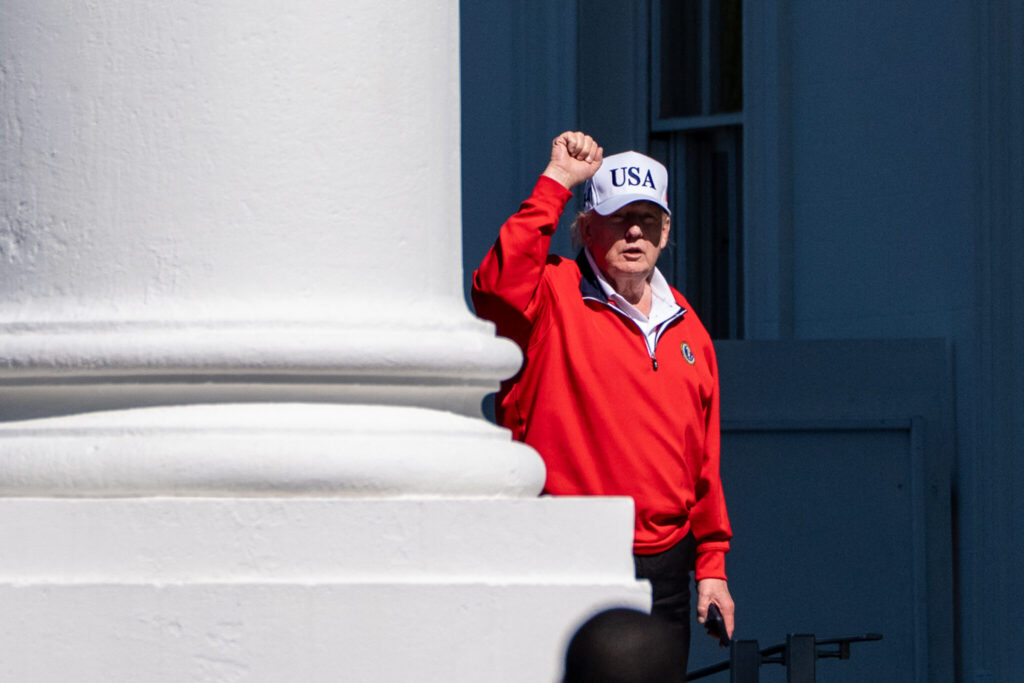
WASHINGTON — President Donald Trump is reconsidering whether to move forward with a proposed $1.8 billion compensation fund that has sparked legal challenges and political controversy across Washington.
The fund, known as the “Anti-Weaponization Fund,” was established as part of a settlement resolving Trump’s lawsuit against the Internal Revenue Service over the disclosure of his tax returns.
However, mounting criticism from lawmakers and recent court rulings have placed the initiative under increasing pressure.
Justice Department Pauses Program
The U.S. Department of Justice announced Monday that it would temporarily halt implementation of the fund.
The decision follows a federal court order issued last week that blocked the program while legal arguments continue.
Justice Department officials stated they would comply with the court’s directive pending further proceedings.
The move represents a significant setback for an initiative that had been strongly defended by administration officials.
Fund Originated From IRS Settlement
The proposed fund stems from a settlement involving Trump’s legal dispute with the Internal Revenue Service.
Administration officials argued that the program would compensate individuals who they believe were unfairly targeted by government agencies during previous administrations.
Supporters described the initiative as a corrective measure designed to address alleged government misconduct.
Critics, however, questioned both the structure of the fund and the process used to establish it.
Republicans Raise Oversight Concerns
While some Trump supporters welcomed the proposal, opposition emerged from within the Republican Party itself.
Many lawmakers expressed concerns regarding:
- Oversight of the money.
- Eligibility requirements.
- Transparency standards.
- Potential recipients of payments.
Several senators argued that the administration failed to clearly define how funds would be distributed and who would qualify for compensation.
Ted Cruz Describes Heated Senate Meeting
The controversy intensified following a closed-door meeting between senators and Acting Attorney General Todd Blanche.
According to Ted Cruz, the discussion became one of the most contentious meetings he had witnessed during his Senate career.
Cruz described widespread frustration among Republican lawmakers regarding the proposal and its implementation.
The backlash highlighted growing divisions within the GOP over the administration’s handling of the issue.
Senate Funding Debate Complicated
The dispute has also affected broader legislative negotiations.
Republican lawmakers recently left Washington without passing legislation related to immigration enforcement funding after Democrats signaled plans to introduce amendments targeting the fund.
Several senators indicated they would be reluctant to advance spending measures until questions surrounding the compensation program are resolved.
The disagreement has added another layer of complexity to ongoing budget negotiations.
GOP Leaders Push For Full Withdrawal
Prominent Republican leaders have publicly suggested that the administration should abandon the program altogether.
Jim Lankford argued that administration officials need to clearly state whether the proposal is being canceled.
Meanwhile, Senate Majority Leader John Thune expressed hope that the White House would voluntarily terminate the initiative.
Their comments reflect growing pressure from congressional Republicans seeking a definitive resolution.
Murkowski Seeks Clear Commitment
Lisa Murkowski echoed similar concerns.
She indicated that simply pausing the program may not be sufficient and called for a complete withdrawal of the proposal.
Murkowski noted that she had not yet heard a direct statement confirming that the fund would be permanently abandoned.
Her remarks illustrate continuing skepticism among lawmakers regarding the administration’s intentions.
Court Challenges Continue
The fund suffered multiple legal setbacks last week.
Federal Judge Leonie Brinkema issued an order temporarily blocking implementation of the program.
The court scheduled additional hearings later this month to determine whether the injunction should remain in place.
The legal challenges have increased uncertainty surrounding the future of the initiative.
Additional Questions About IRS Settlement
The controversy extends beyond the compensation fund itself.
Questions remain regarding another component of the IRS settlement involving potential government investigations into Trump, his family members, and associates.
Observers continue examining whether aspects of the settlement could receive additional judicial scrutiny as litigation moves forward.
The administration has not provided detailed answers regarding how those provisions may be affected if the compensation fund is withdrawn.
Florida Judge Seeks More Answers
In a separate development, Kathleen Williams ordered Trump’s legal team to respond to allegations surrounding the IRS settlement.
Critics have argued that the agreement warrants additional court review.
The judge requested written responses addressing allegations related to the settlement and whether the case should be reopened.
Those filings are expected later this month.
Political Fallout Continues
The episode has created an unusual situation in which opposition to a major Trump initiative is coming largely from members of his own party.
While administration officials initially portrayed the fund as a response to alleged political targeting, critics argue that the proposal raises important questions about accountability, transparency, and the use of public resources.
The growing resistance has forced the White House to reconsider its approach.
Future Of The Fund Remains Uncertain
For now, the compensation fund remains in limbo.
Court orders have halted implementation, lawmakers continue demanding answers, and the president is reportedly reconsidering whether to proceed.
The coming weeks will likely determine whether the initiative survives legal scrutiny and political opposition or becomes another abandoned policy proposal.
With additional hearings scheduled and congressional pressure increasing, the future of the $1.8 billion Anti-Weaponization Fund remains highly uncertain.