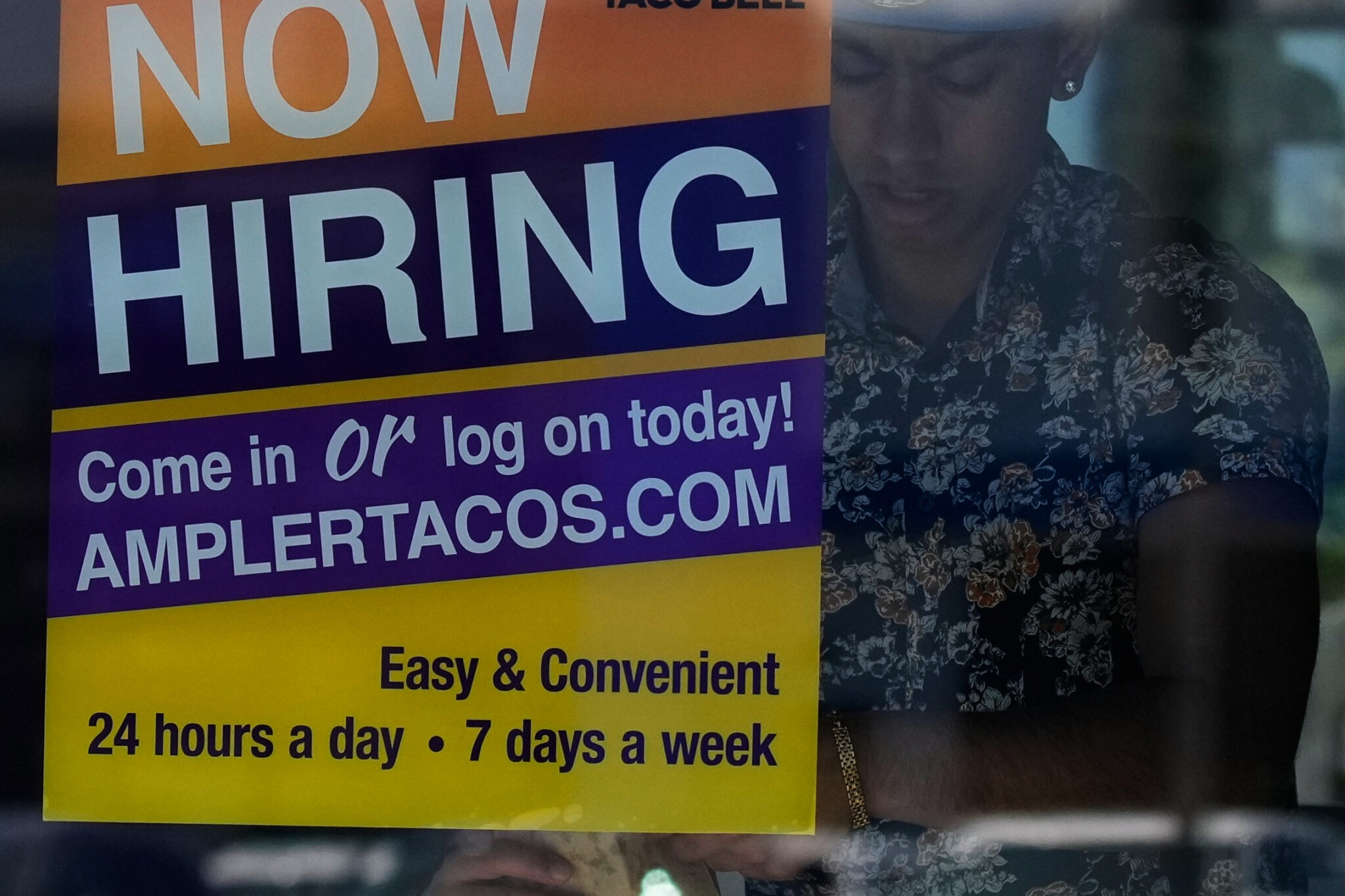
US Job Openings Jump To 7.6 Million Despite Iran War/ Newslooks/ WASHINGTON/ J. Mansour/ Morning Edition/ U.S. job openings climbed to 7.6 million in April, significantly exceeding expectations and signaling continued labor market strength despite economic uncertainty linked to the Iran war. Layoffs declined during the month, though fewer workers voluntarily left their jobs, suggesting caution among employees. The report adds to evidence that the U.S. economy remains resilient even as higher energy costs and global tensions weigh on growth prospects.
US Job Openings Quick Looks
- Job openings rose to 7.6 million in April.
- Openings increased from 6.9 million in March.
- Economists had forecast 6.8 million vacancies.
- The figure marks the highest level since May 2024.
- Layoffs declined during the month.
- Fewer workers quit their jobs voluntarily.
- Job growth has improved in 2026.
- Higher energy prices continue to challenge the economy.
- Immigration restrictions and retirements are reshaping the labor market.
- Economists expect 100,000 jobs were added in May.
Deep Look
US Labor Market Defies Economic Concerns
WASHINGTON — The U.S. labor market delivered another encouraging signal in April as job openings unexpectedly surged despite ongoing economic uncertainty tied to the Iran conflict and elevated energy prices.
According to the Labor Department, employers posted 7.6 million job vacancies during the month, a sharp increase from 6.9 million in March.
The figure also surpassed economists’ expectations, which had projected approximately 6.8 million openings.
The increase pushed available positions to their highest level in nearly two years.
Hiring Demand Remains Strong
The latest Job Openings and Labor Turnover Survey (JOLTS) suggests many employers continue searching for workers despite broader economic challenges.
Businesses across multiple sectors maintained hiring plans even as markets grappled with geopolitical uncertainty and inflation concerns.
The report indicates that labor demand remains healthier than many analysts anticipated earlier this year.
The strong reading comes at a time when some economists expected hiring activity to slow as higher energy costs filtered through the economy.
Layoffs Decline Across The Economy
Another positive sign emerged from the decline in layoffs.
Employers reduced workforce cuts during April, indicating many companies remain confident enough in business conditions to retain existing staff.
Lower layoff levels often signal stability in the labor market and can help support consumer spending, which remains a major driver of economic growth.
The trend suggests employers may still be facing challenges finding qualified workers and are reluctant to let current employees go.
Workers Show Greater Caution
While job openings increased and layoffs fell, the number of Americans voluntarily quitting their jobs also declined.
Economists often view quitting activity as a measure of worker confidence.
When employees believe better opportunities are readily available, they tend to leave jobs more frequently.
The decline in quits suggests workers remain somewhat cautious despite the strength of hiring demand.
Many employees may be choosing stability as geopolitical and economic uncertainties persist.
Recovery From A Difficult 2025
The labor market has improved considerably from conditions experienced during 2025.
Last year, job creation slowed dramatically, with businesses, nonprofit organizations, and government agencies adding fewer than 10,000 jobs per month on average.
Outside of recessionary periods, it was one of the weakest years for employment growth since 2002.
Those disappointing results fueled concerns that the economy was losing momentum.
2026 Brings Better Employment Growth
This year has shown meaningful improvement.
From January through April, employers added an average of 76,000 jobs per month.
While that pace remains below some historical standards, it represents a significant recovery compared to the previous year.
The improvement has helped stabilize the labor market and support broader economic activity.
Tax Refunds Helped Support Growth
Economists point to several factors behind the stronger employment environment.
One important contributor has been larger tax refunds tied to President Donald Trump’s tax legislation enacted last year.
The refunds provided consumers with additional spending power and helped support business activity during the early months of 2026.
However, many analysts note that the economic boost from those payments is beginning to fade.
Iran War Continues To Influence Economy
At the same time, the conflict involving Iran has placed additional pressure on the economy.
Higher oil and energy prices have increased costs for businesses and consumers alike.
The war has disrupted energy markets and contributed to inflationary pressures that continue affecting households across the country.
Despite those challenges, the labor market has so far remained relatively resilient.
Changing Workforce Dynamics
The American labor market is also being reshaped by demographic and immigration trends.
Economists note that fewer new workers are entering the labor force than in previous years.
Two major factors are driving this shift:
- Increased retirements among Baby Boomers.
- Reduced immigration levels following stricter enforcement policies.
These developments have lowered competition for available jobs and changed labor market dynamics.
Fewer Jobs Needed To Maintain Stability
Recent research by Federal Reserve economists suggests the economy now requires significantly fewer new jobs each month to maintain a stable unemployment rate.
A few years ago, roughly 155,000 monthly job gains were needed to absorb labor force growth.
Today, that break-even point is believed to be close to zero.
That means even relatively modest hiring gains can be enough to keep unemployment from rising.
Focus Turns To Friday’s Jobs Report
Investors, policymakers, and economists are now awaiting the Labor Department’s May employment report.
The report is expected to provide a broader picture of hiring activity and labor market conditions.
Current forecasts suggest employers added approximately 100,000 jobs during May.
A result near or above that level would reinforce the view that the labor market remains on solid footing despite ongoing economic headwinds.
Strong Openings Data Offers Encouragement
For now, April’s surge in job openings provides another indication that employers continue seeking workers and maintaining confidence in future demand.
While risks remain from inflation, energy prices, and geopolitical tensions, the labor market continues to serve as one of the strongest pillars supporting the U.S. economy.
The latest data suggests businesses are still hiring, workers remain employed, and economic activity has not slowed as sharply as many had feared.