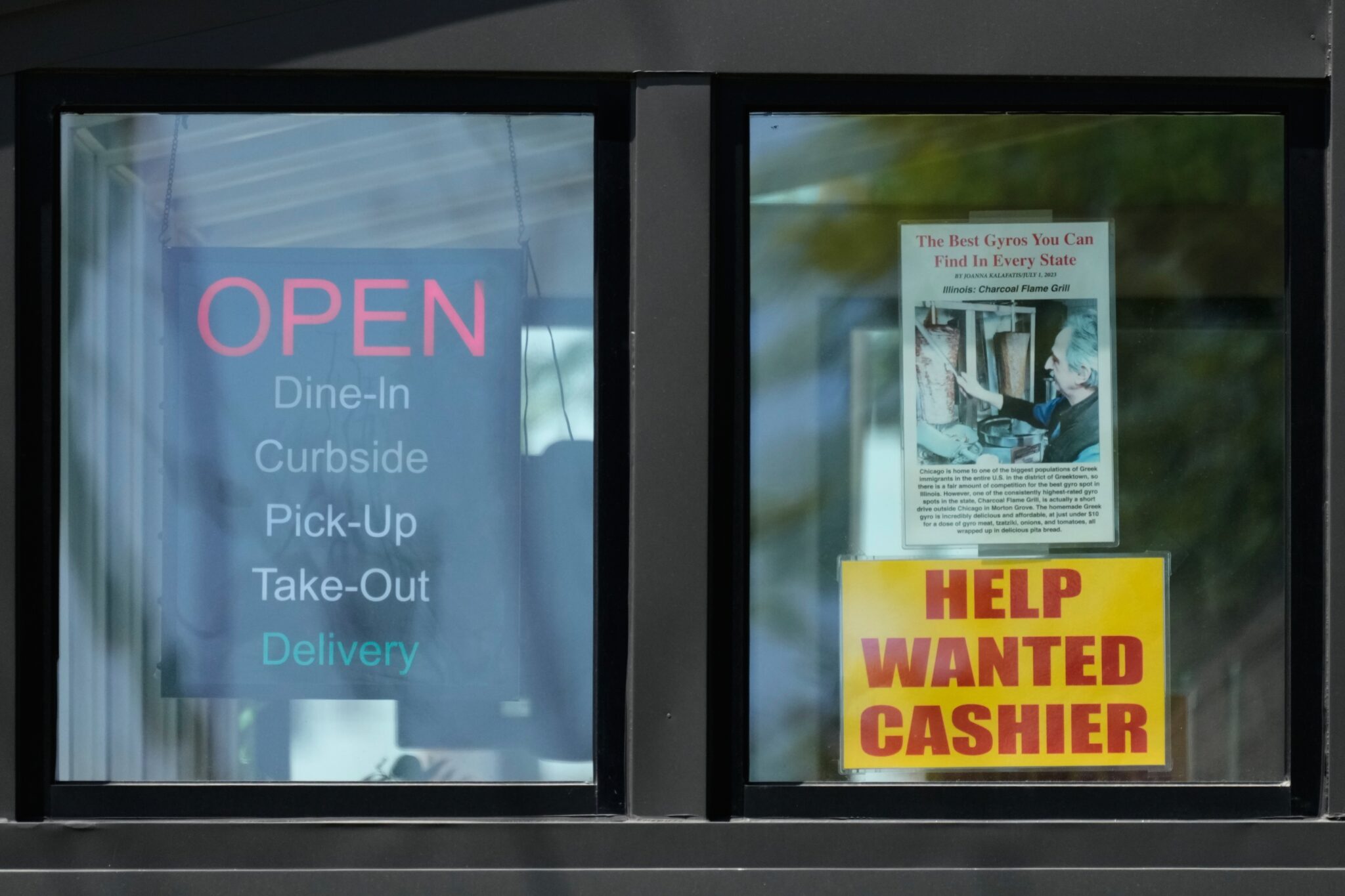
US Jobless Claims, a Proxy for Layoffs, Rise To Four-Month High Amid Economic Uncertainty/ Newslooks/ WASHINGTON/ J. Mansour/ Morning Edition/ New applications for U.S. unemployment benefits rose to their highest level in four months last week, signaling some strain in the labor market. Despite the increase, layoffs remain historically low as employers continue operating in a cautious hiring environment. Economists are closely monitoring labor market conditions ahead of the upcoming May jobs report.
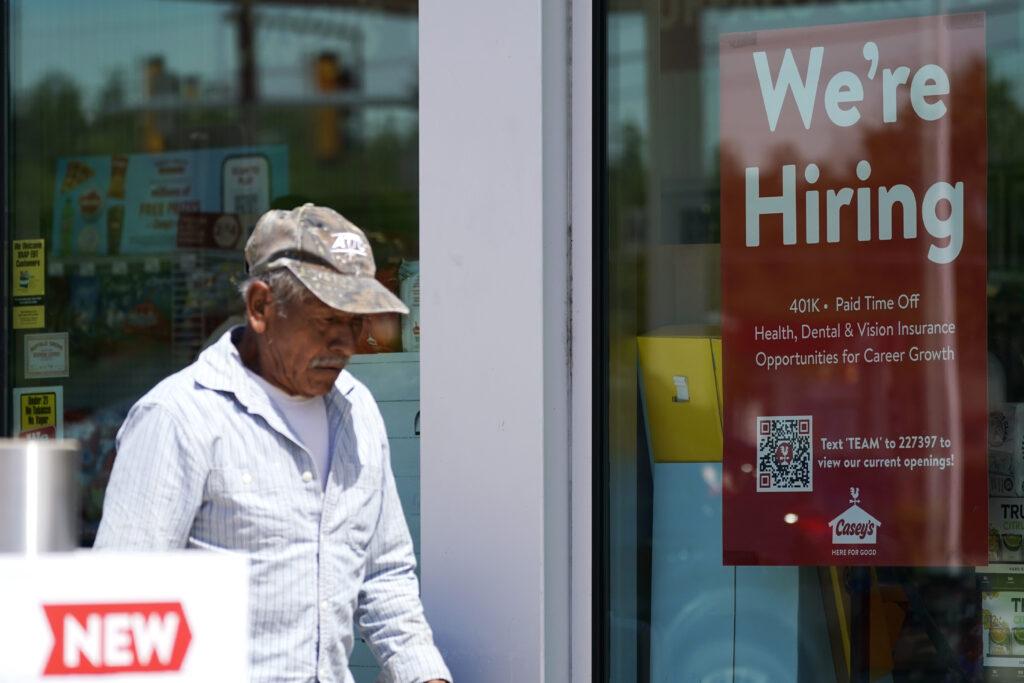
US Jobless Claims Quick Looks
- Initial jobless claims increased by 13,000 to 225,000.
- Claims reached their highest level since early February.
- Analysts had expected approximately 211,000 new claims.
- The unemployment rate remains low at 4.3%.
- Hiring activity continues to slow despite limited layoffs.
- Employers added 115,000 jobs in April.
- Rising energy costs are creating additional pressure on businesses.
- Inflation remains above the Federal Reserve’s target.
- The Fed has signaled caution on interest rate changes.
- Markets are awaiting the May employment report.
Deep Look
US Jobless Claims Reach Four-Month High As Economic Uncertainty Persists
The number of Americans filing for unemployment benefits increased last week to the highest level seen in four months, highlighting ongoing concerns about the pace of hiring and broader economic uncertainty.
According to the Labor Department, applications for jobless assistance rose by 13,000 to a seasonally adjusted 225,000 for the week ending May 30. The total exceeded economists’ expectations and marked the highest weekly figure since early February.
Although the increase reflects some softening in labor market conditions, unemployment claims remain relatively low by historical standards, suggesting employers are still hesitant to conduct large-scale layoffs.
Labor Market Stuck In A Low-Hire, Low-Fire Environment
Economists continue to describe the current employment landscape as a “low-hire, low-fire” market.
Companies are generally avoiding significant job cuts but are also slowing recruitment efforts, creating challenges for job seekers attempting to re-enter the workforce.
This environment has helped keep the national unemployment rate at 4.3%, but many unemployed workers are finding it increasingly difficult to secure new positions.
Weekly unemployment benefit applications are closely watched because they provide one of the most immediate indicators of labor market health and employer confidence.
Economic Pressures Continue To Influence Hiring Decisions
While employers added a stronger-than-expected 115,000 jobs in April, uncertainty surrounding economic conditions continues to weigh on hiring decisions.
Higher operating costs, inflation concerns and elevated borrowing expenses have made many businesses more cautious about expanding payrolls.
Rising energy prices have become a particular concern. Increased transportation and production costs can reduce profit margins and discourage companies from adding workers.
Businesses across multiple sectors continue to balance workforce needs against concerns about future economic growth and consumer spending.
Inflation Remains A Challenge For Policymakers
Recent inflation reports indicate that price pressures remain elevated.
Consumer prices rose 3.8% compared with a year earlier, marking the largest annual increase in three years. Wholesale prices have also accelerated, increasing 6% year over year.
These inflation readings remain well above the Federal Reserve’s long-term target of 2%.
As a result, policymakers have maintained a cautious stance on interest rates. The Federal Reserve left its benchmark rate unchanged at its most recent meeting and has emphasized the need for additional economic data before making future decisions.
Some Fed officials have even suggested that additional rate increases could remain an option if inflation continues to accelerate.
Technology And Corporate Restructuring Affect Employment Trends
Another factor influencing the labor market is the rapid expansion of artificial intelligence technologies.
Businesses continue investing heavily in automation and AI-related infrastructure, raising questions about how technology may reshape workforce needs across multiple industries.
At the same time, several major corporations have announced workforce reductions in recent months.
Companies including Verizon, UPS, Amazon, Disney, Starbucks and Walmart have all reported layoffs or restructuring initiatives as they adjust to changing market conditions and cost pressures.
These developments have contributed to a more cautious employment environment despite relatively low overall unemployment levels.
Hiring Growth Has Slowed Significantly
Although the labor market remains stable compared with historical standards, hiring growth has slowed considerably from previous years.
Weekly unemployment claims have generally fluctuated between 200,000 and 250,000 since the economy recovered from the pandemic recession.
However, hiring momentum has weakened over the last two years as businesses contend with inflation, elevated interest rates and broader economic uncertainty.
Government data show that employers added fewer than 200,000 jobs during the previous year, a sharp decline from approximately 1.5 million jobs added in 2024.
The latest report also showed that the four-week moving average of unemployment claims rose by 6,500 to 214,750, indicating a gradual upward trend in filings.
Meanwhile, the number of Americans continuing to receive unemployment benefits declined slightly to 1.78 million.
Focus Turns To May Jobs Report
Investors, economists and policymakers are now focused on the Labor Department’s upcoming May employment report.
The data will provide a clearer picture of whether the recent rise in unemployment claims represents a temporary fluctuation or the beginning of broader labor market weakness.
For now, the employment landscape remains characterized by limited layoffs, cautious hiring and growing uncertainty as businesses navigate inflationary pressures, higher costs and evolving economic conditions.