Oil Prices Near $100 As Iran Tensions Slow Wall Street Rally/ Newslooks/ WASHINGTON/ J. Mansour/ Morning Edition/ U.S. stocks slipped Wednesday as oil prices climbed closer to $100 per barrel following renewed military tensions involving Iran and the United States. Investors remain hopeful that diplomatic efforts will eventually reopen the Strait of Hormuz, but higher energy costs continue to pressure inflation and economic growth. Despite the market pullback, strong corporate earnings and enthusiasm around artificial intelligence continue to support Wall Street near record highs.
Oil Prices And Wall Street Quick Looks
- Brent crude rose 1.1% to $97.07 per barrel.
- The S&P 500 slipped 0.3% from record levels.
- The Dow Jones Industrial Average fell more than 300 points.
- Investors remain hopeful about a future Hormuz reopening deal.
- Treasury yields climbed as oil prices increased.
- Higher energy costs continue fueling inflation concerns.
- Medtronic gained after reporting strong earnings.
- GameStop jumped following revenue growth and a stock buyback announcement.
- AI-related stocks remained a bright spot for investors.
- Smaller companies faced added pressure from rising borrowing costs.
Deep Look
Oil Prices Move Closer To Triple Digits
NEW YORK — Oil prices moved higher Wednesday as renewed military tensions between the United States and Iran rattled investors and raised concerns about global energy supplies.
Brent crude, the international benchmark, climbed 1.1% to $97.07 per barrel, bringing it within striking distance of the psychologically important $100 threshold.
The latest gains followed reports that Iran launched missiles toward Kuwait and Bahrain. According to U.S. military officials, the missiles failed to reach their targets, prompting American forces to strike an Iranian military ground-control facility located on an island in the Strait of Hormuz.
The developments intensified concerns about the stability of one of the world’s most critical energy corridors.
Wall Street Rally Takes A Breather
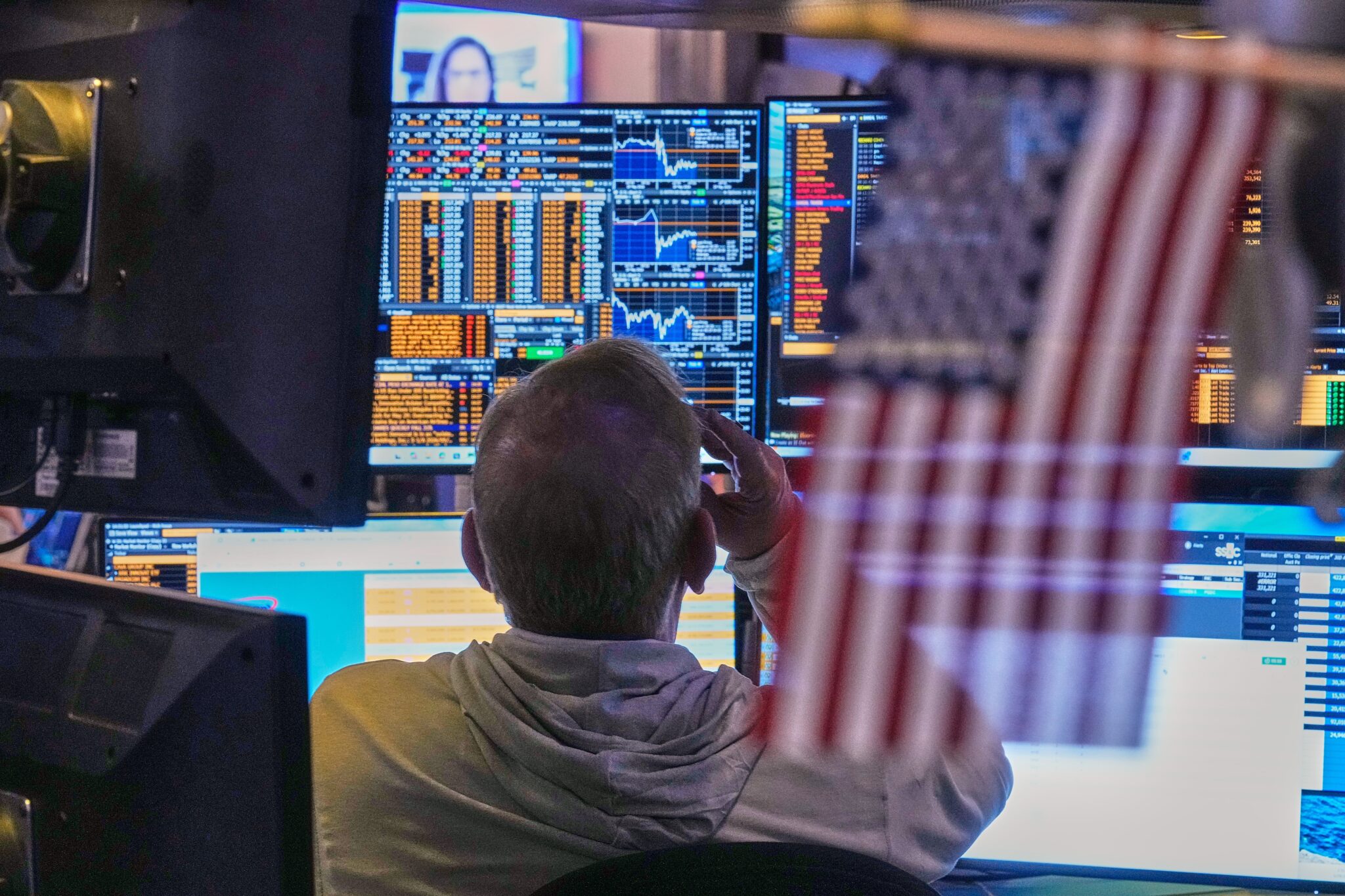
The rise in oil prices helped interrupt Wall Street’s powerful advance.
The S&P 500 slipped 0.3% from its record high, while the Dow Jones Industrial Average dropped 339 points, or 0.7%.
The Nasdaq Composite also moved lower, declining 0.3%.
The pullback comes after one of the strongest stretches for U.S. equities in recent years. Investors had been pushing stocks higher on the belief that diplomatic negotiations could eventually ease tensions in the Middle East and restore normal energy flows.
If the S&P 500 had extended its winning streak, it would have marked ten consecutive gains, the longest run for the benchmark index in more than three decades.
Investors Still Betting On Diplomacy
Despite renewed fighting, markets continue to show confidence that a broader agreement between Washington and Tehran remains possible.
A successful deal would likely reopen the Strait of Hormuz, restoring a major route for oil and natural gas shipments.
Such an outcome could help:
- Lower crude oil prices.
- Reduce inflation pressures.
- Improve business confidence.
- Support global economic growth.
- Ease strain on consumers.
For now, however, investors remain caught between optimism about diplomacy and concerns about escalating conflict.
Corporate Earnings Offer Support
Several companies helped offset some of the market’s weakness through stronger-than-expected earnings reports.
Medtronic
The medical device maker rose 5.3% after posting quarterly earnings that exceeded analyst forecasts.
The company also announced an increase in its dividend, providing another boost for investors.
GameStop
Shares climbed 7.7% after revenue increased 14% compared with the same period last year.
GameStop also unveiled plans to return up to $2 billion to shareholders through stock buybacks.
Macy’s
Although the retailer initially moved higher after reporting strong profits, shares later slipped 0.9%.
Management credited improvements in merchandise selection and customer service for driving stronger results.
Palo Alto Networks Faces Profit-Taking
Not every earnings report was rewarded.
Palo Alto Networks
The cybersecurity leader fell 6% despite beating profit expectations.
The decline appeared linked to investor expectations rather than operational performance.
Shares had already surged more than 61% this year, significantly outperforming the broader market and creating an exceptionally high bar for future results.
Rising Yields Add Pressure
The bond market reflected growing concerns about inflation and economic uncertainty.
The yield on the 10-year U.S. Treasury rose to 4.48%, up from 4.46% a day earlier and substantially above the 3.97% level recorded before the Iran conflict began.
Higher yields can create headwinds for both businesses and consumers by increasing borrowing costs.
Areas particularly affected include:
- Mortgage lending.
- Corporate expansion projects.
- Small business financing.
- Infrastructure investment.
- Technology development.
Higher financing costs are especially problematic for smaller companies that rely heavily on borrowing to fund growth.
Small Caps Feel The Strain
The pressure was evident in the performance of the Russell 2000 index, which tracks smaller U.S. companies.
The index declined 0.9%, underperforming the broader market.
Analysts note that smaller firms tend to be more vulnerable when interest rates and borrowing costs rise because they often lack the financial flexibility of larger corporations.
Economic Data Sends Mixed Signals
Fresh economic reports released Wednesday painted a mixed picture of the U.S. economy.
A survey from the Institute for Supply Management indicated stronger-than-expected growth among service-oriented businesses, including:
- Construction firms.
- Agricultural businesses.
- Hospitality operators.
- Service providers.
The data suggested continued economic resilience despite geopolitical uncertainty.
However, businesses also reported increasing concerns about rising costs.
One respondent from the accommodation and food services sector warned:
“This is the definition of inflationary pressure starting to affect us.”
The comment reflects growing anxiety that higher oil prices and tariffs may eventually weigh more heavily on economic activity.
AI Continues To Drive Market Enthusiasm
While geopolitical concerns pressured markets, artificial intelligence remained a powerful source of investor optimism.
Marvell Technology
Marvell rose another 7.1% after posting its best trading session on record the previous day.
The rally followed comments from Jensen Huang, who suggested Marvell could become “the next trillion-dollar company.”
Nvidia
Nvidia continues to serve as a central driver of the AI investment boom, helping support broader market sentiment despite rising geopolitical risks.
Micron Technology
Micron recently joined the growing list of trillion-dollar companies, benefiting from surging demand for AI-related technologies.
Markets Balance Risk And Opportunity
Investors now face competing forces.
On one side, higher oil prices, military tensions, inflation concerns, and rising bond yields threaten economic growth.
On the other, strong corporate earnings, resilient economic data, and continued excitement surrounding artificial intelligence are providing substantial support.
For now, Wall Street remains close to record highs, but the direction of oil prices and developments in the U.S.-Iran conflict are likely to remain major market drivers in the weeks ahead.