

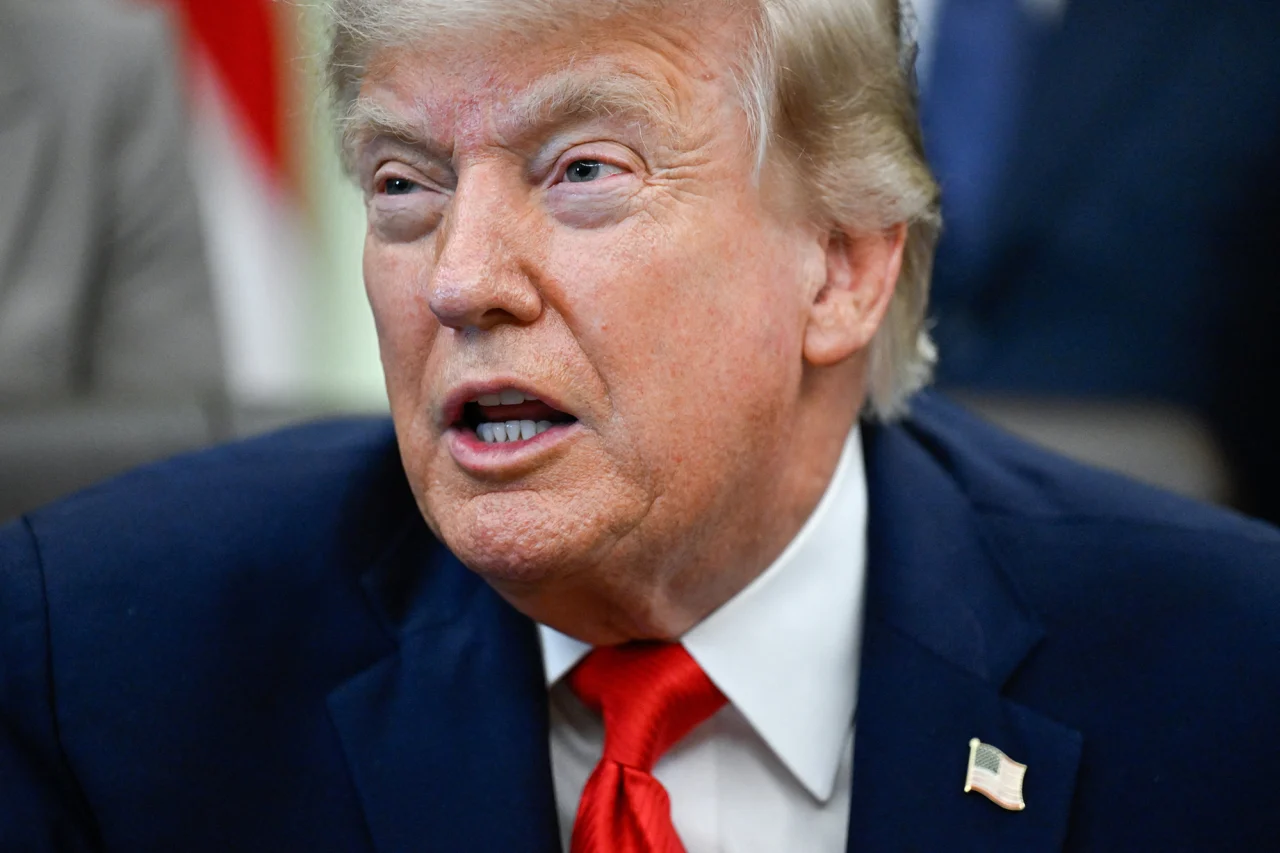
Trump Slams Iran as ‘Very Dishonorable’ Negotiators After Conflicting Leaked Deal Terms/ Newslooks/ WASHINGTON/ J. Mansour/ Morning Edition/ President Donald Trump accused Iran of misrepresenting the terms of a proposed agreement aimed at extending the ceasefire and advancing nuclear negotiations. U.S. officials said Tehran agreed to dismantle its nuclear program and stop funding proxy groups, while Iranian media reported significantly different conditions. Despite signs of progress, both sides continue to offer conflicting accounts as preparations move forward for a possible signing ceremony in Europe.
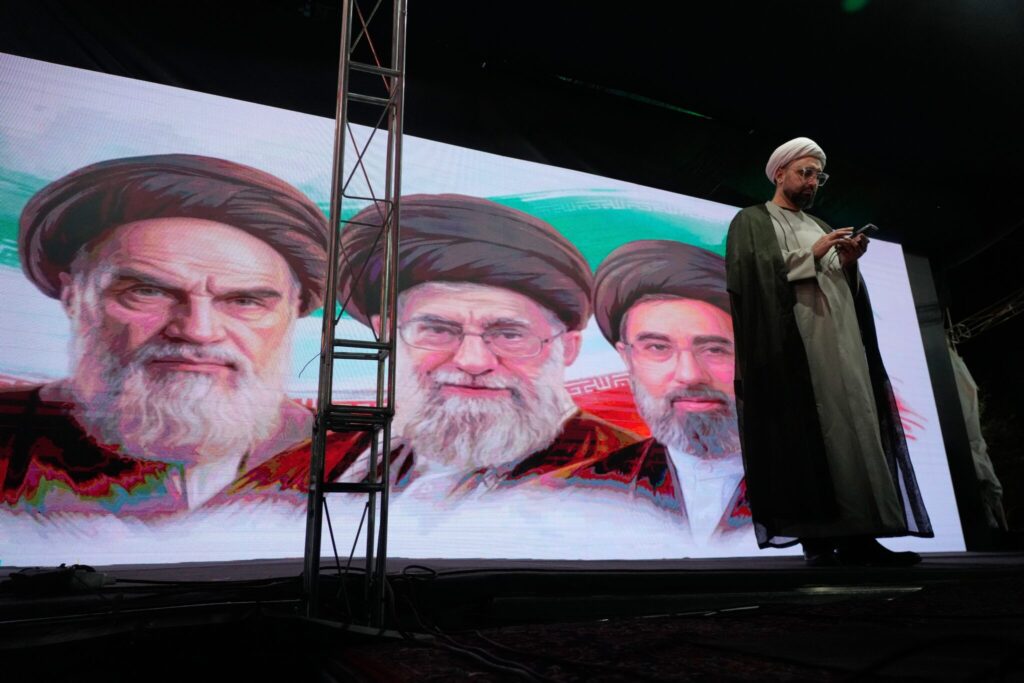
Trump Iran Deal Quick Looks
- Trump criticized Iran for allegedly leaking inaccurate deal details.
- U.S. officials described the proposal as a “performance-based” agreement.
- The framework would reportedly extend the ceasefire and reopen the Strait of Hormuz.
- Washington says Iran agreed to dismantle its nuclear program.
- Iranian media reports dispute key U.S. claims.
- A possible signing ceremony could take place in Geneva.
- Vice President JD Vance may attend the event.
- U.S. forces reportedly shot down two Iranian attack drones near the Strait of Hormuz.
- Israeli Prime Minister Benjamin Netanyahu reiterated opposition to an Iranian nuclear capability.
- Final approval from Iran’s top leadership remains uncertain.
Trump-Iran Deal Faces New Uncertainty as Both Sides Dispute Terms
Trump Accuses Iran of Misrepresenting Agreement
President Donald Trump intensified pressure on Iran Friday, accusing Tehran of spreading false information about a proposed agreement that could formally extend the fragile ceasefire between the two countries and pave the way for broader negotiations.
The dispute emerged less than a day after Trump announced that military strikes planned against Iran had been canceled because negotiations were advancing and a framework agreement was nearing completion.
Trump expressed frustration after Iranian media outlets published descriptions of the proposal that differed significantly from the version outlined by U.S. officials.
“The terms that Iran leaked out to the Fake News have NOTHING to do with the terms that were agreed to, in writing.”
He continued:
“What they said, including their weak and pathetic statement on having a deal, bears no relation to the truth.”
Trump also added:
“Very dishonorable people to deal with. With them, there is no such thing as dealing in good faith.”
Conflicting Versions of the Proposed Agreement
At the center of the dispute are sharply different interpretations of what the memorandum of understanding would require.
According to senior Trump administration officials, Iran has agreed to a series of major concessions tied to its nuclear program and regional activities.
U.S. officials say the framework includes:
- Destruction and removal of nuclear materials.
- Dismantling of Iran’s nuclear program.
- Reopening of the Strait of Hormuz.
- An end to Iranian funding of proxy and terrorist groups.
- Delayed release of frozen Iranian assets until compliance requirements are met.
One administration official described the proposal as:
“This is a performance-based deal.”
The official emphasized that no sanctions relief or release of funds would occur until Iran fulfilled its obligations.
Iranian Media Presents Different Picture
Reports from Iranian state media painted a far different picture of the negotiations.
According to those reports, Iran would not surrender control or management authority over the Strait of Hormuz. Instead, future governance of the strategic waterway would be discussed through negotiations involving Iran and Oman.
Iranian outlets also suggested that discussions regarding the future of Tehran’s nuclear program would occur during a 60-day negotiation period following the signing of the agreement rather than being settled immediately.
In addition, Iranian media indicated that access to billions of dollars in frozen Iranian funds remains a key issue.
Those reports directly conflict with the U.S. position that financial relief would only follow verified compliance.
Ceasefire Extension Remains Central Goal
Despite the public disagreement, diplomatic sources indicate negotiations have made meaningful progress.
Officials familiar with the talks say both sides have agreed on the text of a preliminary memorandum designed to extend the ceasefire and establish a roadmap for future discussions.
The proposed arrangement would reportedly:
- Extend the ceasefire.
- Reopen the Strait of Hormuz to commercial shipping.
- Reduce immediate military tensions.
- Create a framework for future nuclear negotiations.
However, diplomats caution that final approval has not yet been secured from all decision-makers involved.
Iranian officials have not formally confirmed acceptance of the agreement.
Military Tensions Continue Despite Diplomacy
Even as negotiations move forward, military incidents continue to raise concerns about the durability of any potential deal.
A U.S. defense official said American forces intercepted two Iranian one-way attack drones overnight after they allegedly targeted commercial shipping in the Strait of Hormuz.
According to the official:
“Iran attempted to strike commercial ships transiting the Strait of Hormuz last night. US forces shot down two Iranian one-way attack drones.”
The official added:
“Traffic flow through the Strait continues.”
Trump also referenced the incident in his criticism of Tehran.
“Also, their totally rebuffed Drone attack last night against Indian Ships leaving the Hormuz Strait is TOTALLY UNACCEPTABLE.”
He concluded with a warning:
“They better get their act together, and FAST!”
Strategic Waterways Remain a Global Concern
The Strait of Hormuz remains one of the world’s most important energy corridors, making its status a critical element of negotiations.
Any disruption to shipping through the waterway has immediate implications for global energy markets, international trade, and regional security.
Meanwhile, concerns are also growing about the Red Sea after Iran-backed Houthi forces threatened additional maritime restrictions targeting Israeli-linked vessels.
U.S. officials have emphasized their commitment to maintaining freedom of navigation throughout the region and preventing disruptions to global commerce.
Netanyahu Reaffirms Hard Line on Iran
The evolving negotiations have also drawn attention from Israel.
Israeli Prime Minister Benjamin Netanyahu reiterated Friday that preventing Iran from obtaining nuclear weapons remains a top priority.
“As long as I am the Prime Minister of Israel – Iran will not have nuclear weapons.”
Netanyahu added:
“For over 30 years, I have been at the forefront of the international struggle against Iran’s nuclear program.”
He also stressed his alignment with Washington on the issue, saying he and Trump remain in “full agreement.”
Possible Geneva Signing Ceremony
Diplomatic and military preparations are reportedly underway for another round of talks this weekend, with Geneva emerging as the most likely location for a formal signing ceremony.
Sources familiar with the planning say Vice President JD Vance could attend if the agreement receives final approval.
While negotiators appear closer to a breakthrough than at several previous points in the conflict, major questions remain unresolved. The public disagreement over the contents of the proposal highlights the fragile nature of the process and underscores how quickly optimism could give way to renewed tensions.
For now, both Washington and Tehran appear committed to continuing discussions, but the success of any agreement may ultimately depend on whether both sides can align their public messaging with the terms being negotiated behind closed doors.




You must Register or Login to post a comment.