

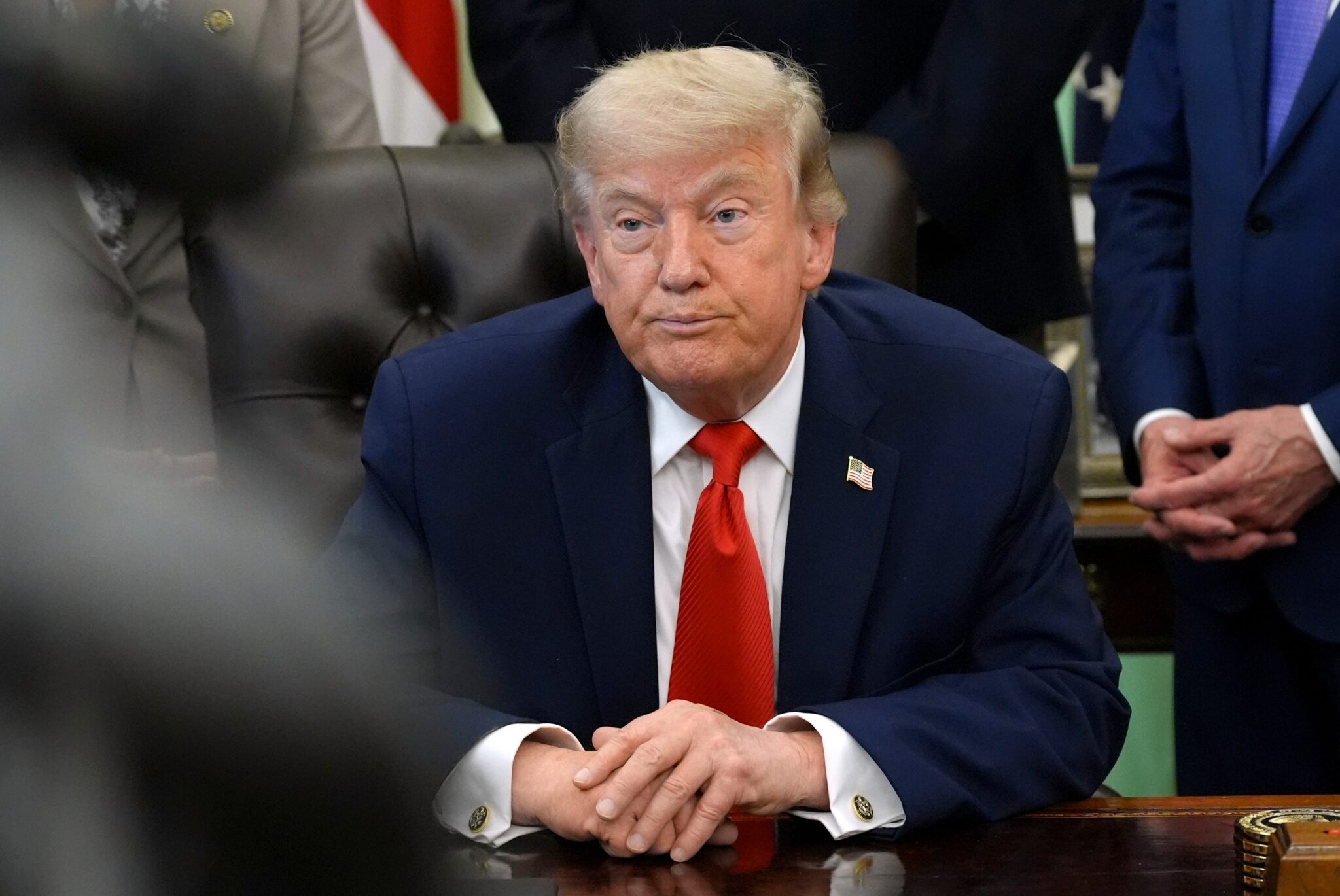
Judge Extends Block On Trump’s $1.8 Billion ‘Anti-Weaponization Fund’/ Newslooks/ WASHINGTON/ J. Mansour/ Morning Edition/ A federal judge extended a court order blocking the Trump administration’s proposed $1.8 billion Anti-Weaponization Fund despite claims that the program has been abandoned. Judge Leonie Brinkema rejected arguments that legal challenges were now moot and demanded stronger assurances the fund would not be revived. The controversial program faced bipartisan criticism over concerns it could compensate Trump allies, including individuals connected to the January 6 Capitol riot.
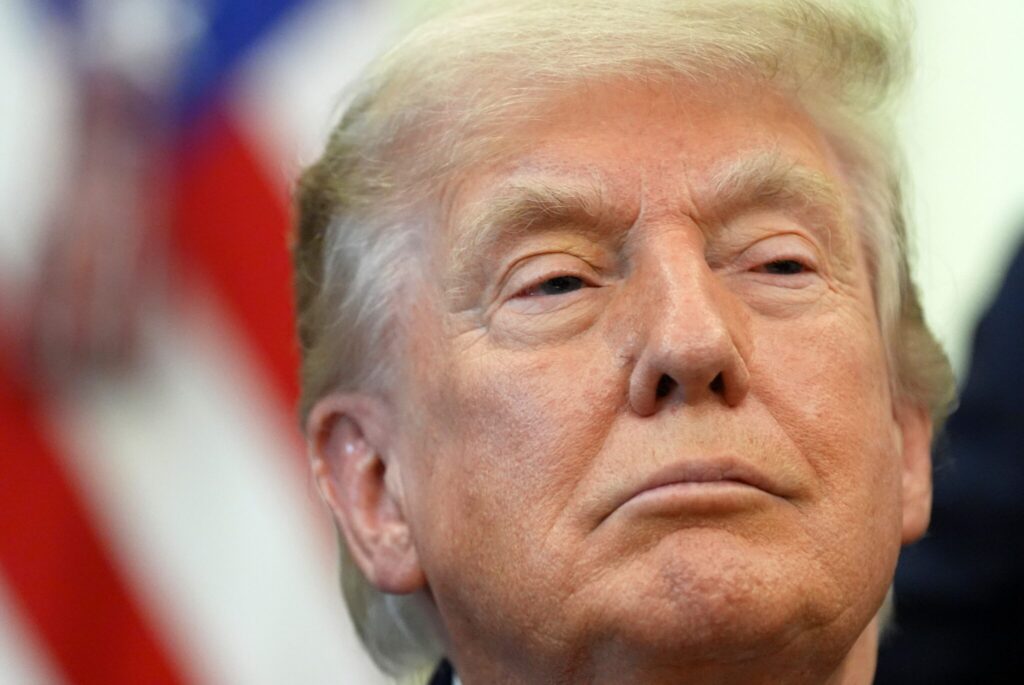
Trump Anti-Weaponization Fund Quick Looks
- Federal judge extends block on $1.8 billion fund.
- Judge rejects administration’s claim that lawsuits are moot.
- Acting Attorney General Todd Blanche told Congress the fund is being scrapped.
- Trump has continued expressing support for the initiative.
- Plaintiffs argue the fund would unlawfully redirect taxpayer money.
- No payouts have been made and no claims accepted.
- A commission required to administer the fund was never formed.
- Legal challenges continue despite administration assurances.
- Concerns remain over potential payments to Trump allies.
- Judge ordered further documentation before lifting the injunction.
Deep Look
Judge Keeps Settlement Fund Frozen
A federal judge on Friday extended a court-ordered block preventing the Trump administration from creating and operating a controversial $1.8 billion compensation fund designed for individuals who claim they were harmed by what President Donald Trump has described as a “weaponized government.”
The ruling represents another setback for the administration as legal challenges continue despite assurances from senior Justice Department officials that the program is no longer moving forward.
U.S. District Judge Leonie Brinkema ruled that the fund will remain suspended until the administration provides stronger evidence that it has permanently abandoned the initiative.
“The mootness argument, in my view, doesn’t go anywhere,” Brinkema said during the hearing.
Administration Says Fund Is Dead
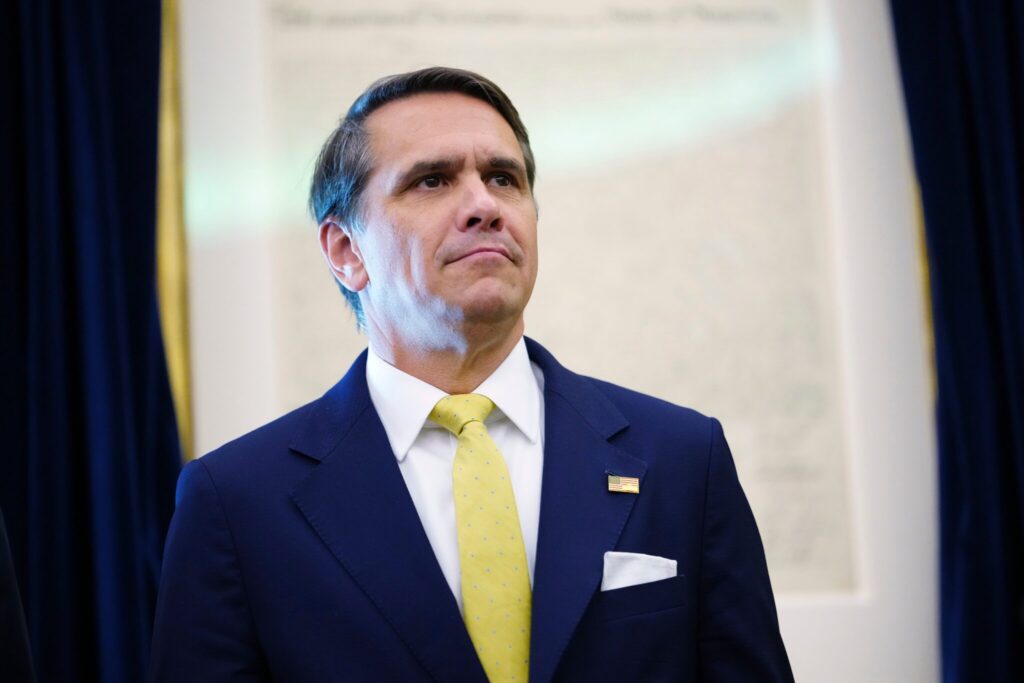
Earlier this month, Acting Attorney General Todd Blanche informed lawmakers that the administration planned to abandon the fund following widespread criticism from both Republicans and Democrats.
Government attorneys subsequently argued that ongoing lawsuits challenging the program should be dismissed because the fund was effectively canceled.
However, attorneys representing the plaintiffs argued that verbal assurances alone are insufficient, especially since the formal order establishing the fund remains in place.
Judge Brinkema appeared to agree.
She directed both sides to spend the next week negotiating language for a sworn declaration from Blanche confirming that the administration has no intention of reviving the program.
Trump Continues Supporting The Proposal
Despite statements from Justice Department officials, Trump has not publicly withdrawn his support for the fund.
The president has continued to speak favorably about the initiative during appearances with reporters, creating uncertainty about whether the proposal has truly been abandoned.
That uncertainty played a significant role in the judge’s decision to maintain the injunction.
Brinkema questioned why the administration had not formally rescinded the order that created the fund if officials genuinely intended to abandon it.
“It’s a huge gap in the record that we don’t have an answer to that question,” the judge said.
Origins Of The Fund
The Anti-Weaponization Fund emerged from a legal settlement connected to Trump’s lawsuit against the Internal Revenue Service over the disclosure of his tax returns.
The administration proposed using settlement proceeds to establish a compensation program for individuals who claimed they had been unfairly targeted by government agencies.
Supporters argued the fund would provide relief to victims of politically motivated investigations and government misconduct.
Critics, however, questioned both the legality and purpose of the proposal.
Bipartisan Criticism Intensifies
Opposition to the fund quickly expanded across party lines.
Legal critics argued that taxpayer money could not legally be redirected into a broad compensation program without explicit congressional authorization.
Opponents also warned that the fund could become a political vehicle benefiting Trump supporters and allies rather than serving a legitimate public purpose.
Several watchdog organizations and advocacy groups filed lawsuits challenging the program soon after it was announced.
The plaintiffs include a former federal prosecutor who lost his position and a college professor who was acquitted of charges related to a protest involving federal officers.
Their lawsuits argue that the administration exceeded its legal authority by attempting to establish the compensation system.
Separate Court Reaches Different Conclusion
The Virginia ruling contrasts with a separate federal court decision issued earlier this week in Washington, D.C.
In that case, U.S. District Judge Richard Leon declined to issue a temporary restraining order against the fund, citing Blanche’s representations that the initiative was effectively defunct.
However, Leon also questioned why the administration had not formally revoked the original directive establishing the fund.
Government attorneys reportedly could not provide a clear answer.
That unanswered question resurfaced during Friday’s hearing before Brinkema.
January 6 Concerns Fuel Controversy
One of the most politically sensitive issues surrounding the fund involves the possibility that individuals connected to the January 6, 2021, Capitol riot could seek compensation.
Although no claims process was ever launched, critics worried that some recipients could include Trump supporters prosecuted in connection with the attack on the U.S. Capitol.
The issue gained additional attention after Trump issued sweeping pardons for January 6 defendants upon returning to office.
More than 1,500 individuals had faced criminal charges before those cases were effectively wiped away through presidential clemency.
When questioned previously, Blanche declined to rule out the possibility that Capitol riot participants could qualify for compensation.
That response intensified bipartisan concerns and contributed to growing opposition from lawmakers.
No Money Distributed
Despite the controversy, the compensation program never became operational.
The Justice Department did not establish the required five-member commission responsible for reviewing claims and determining eligibility.
As a result:
- No claims have been accepted.
- No compensation applications have been processed.
- No funds have been distributed.
- Program guidelines were never finalized.
Those facts helped support the administration’s argument that the lawsuits should be dismissed.
However, plaintiffs successfully argued that the underlying order creating the fund still exists and could theoretically be revived.
What Happens Next?
The future of the Anti-Weaponization Fund remains uncertain.
Judge Brinkema’s ruling ensures that the administration cannot move forward with the program while legal disputes continue.
The court now expects additional assurances from the Justice Department that the proposal has been permanently abandoned.
Unless those assurances satisfy both the court and plaintiffs, the legal battle could continue for months.
For now, the controversial $1.8 billion fund remains frozen, leaving unresolved questions about whether the administration will formally terminate the initiative or continue defending its authority to create it.

You must Register or Login to post a comment.